At the Italian restaurant around the corner, you’re spoiled for choice. Pizza, pasta, or maybe an “al forno” dish? In this article, you’ll learn what the term “al forno” on the menu actually means—and why it has only a passing connection to cheese. If reading this makes you hungry, we’ve got some great recipe ideas for you so you can whip up an Italian oven-baked dish right at home.
What does "al forno" mean in Italian dishes?
"Al forno" refers to the method of preparing an Italian dish in the oven. Along with boiling or sautéing on the stovetop, it’s another classic way to prepare delicious dishes. Convenient: With “al forno,” the dishes practically cook themselves—so you can take care of your guests in peace while they’re baking.
"Al forno" literally means "from the oven" in German.
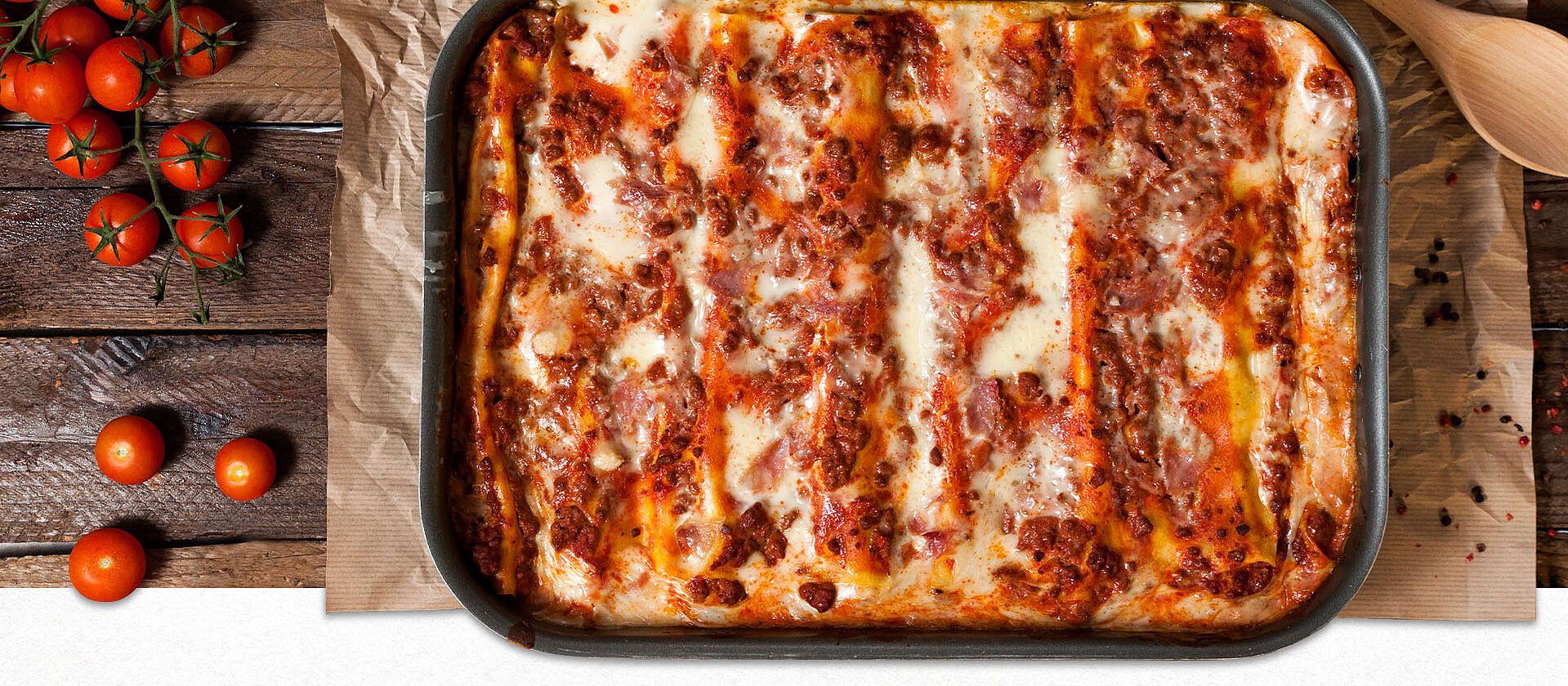
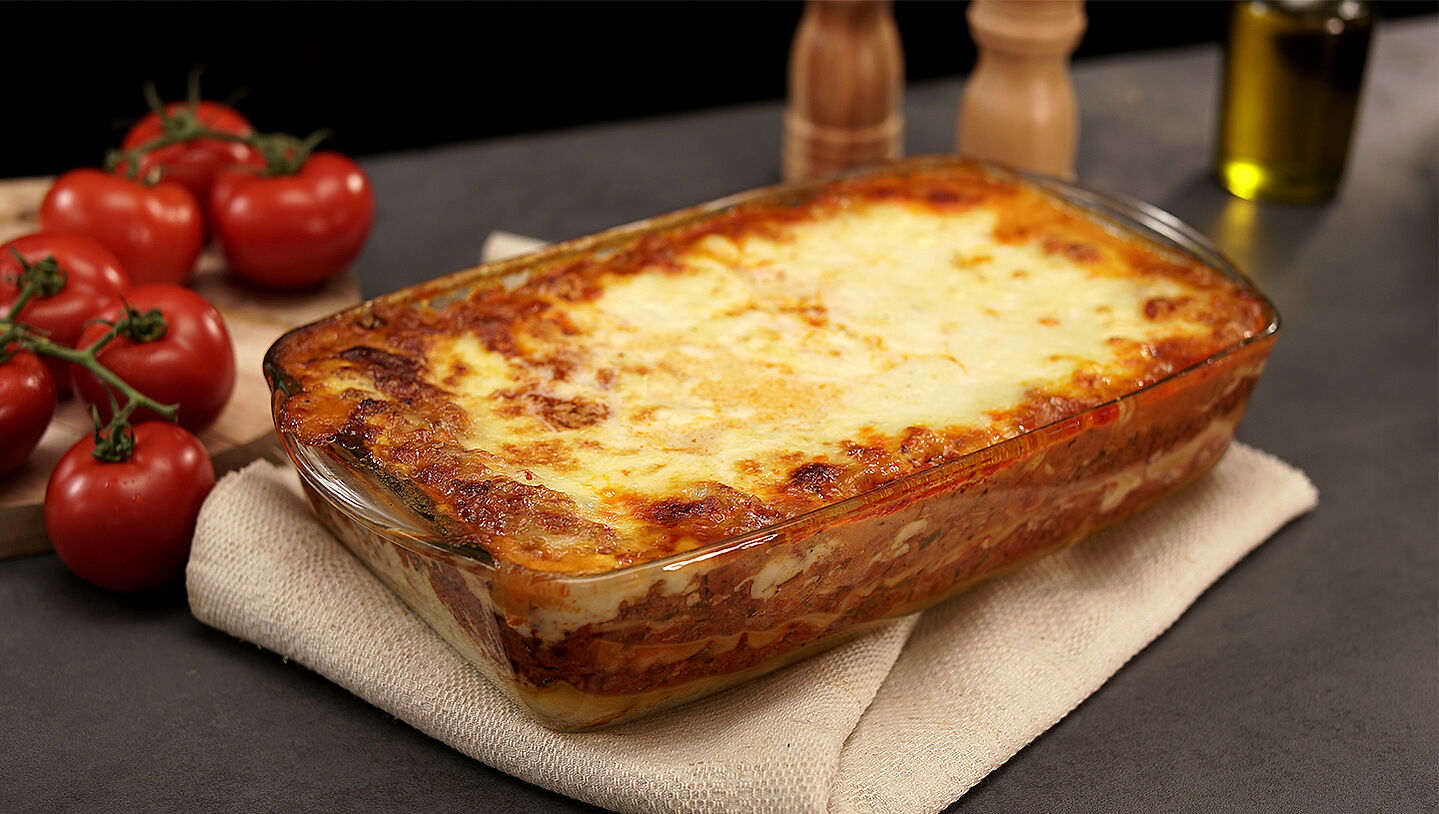
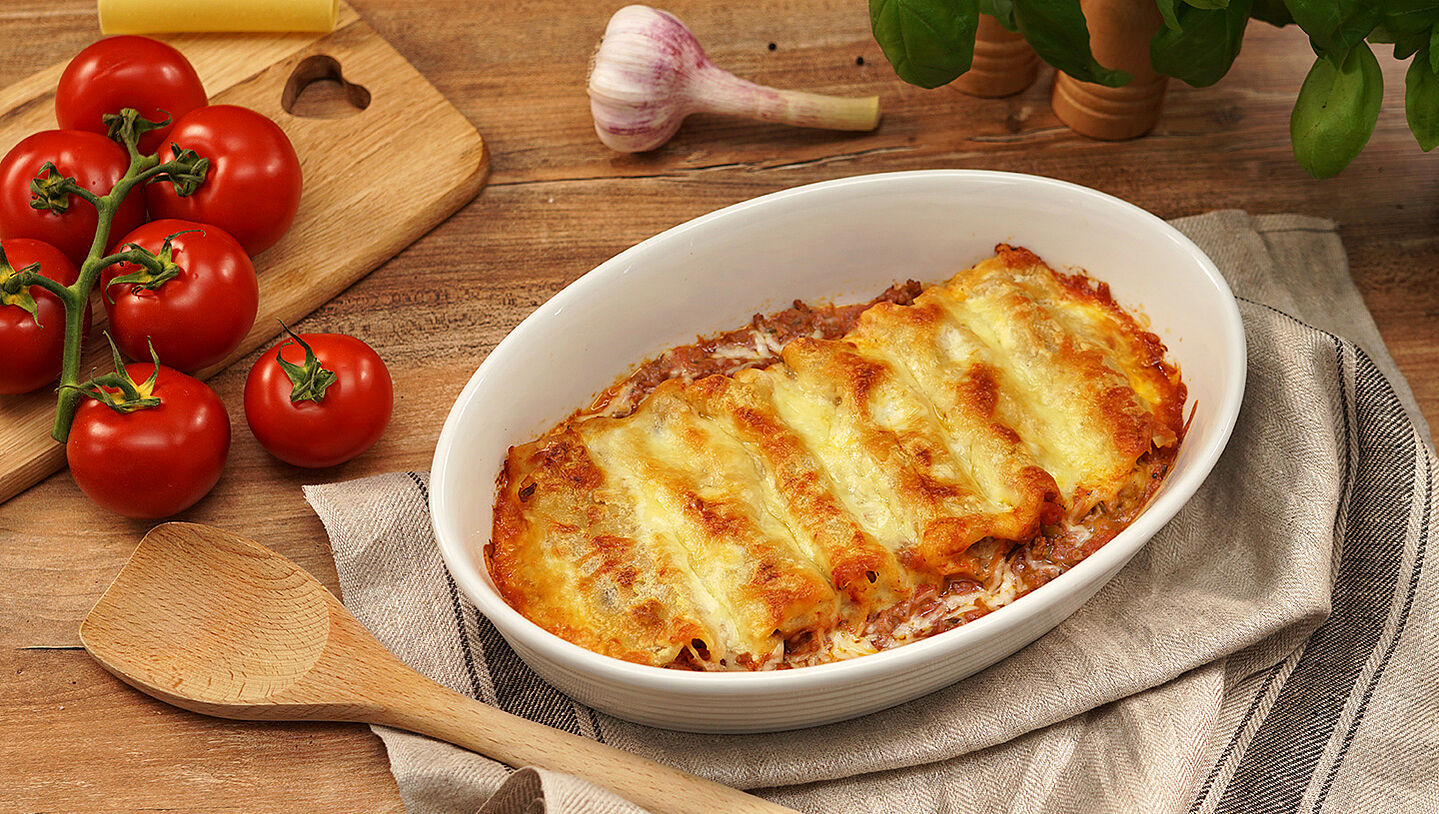
If you compare lasagna al forno, cannelloni al forno, and pasta al forno, you might easily get the idea that “al forno” means “baked with cheese.” However, that’s not the case, because “al forno” simply means “from the oven.” “Forno” is the Italian word for “oven.” So “lasagne al forno” translates to “baked lasagna” or “lasagna from the oven.”
Ingredients for oven-baked dishes
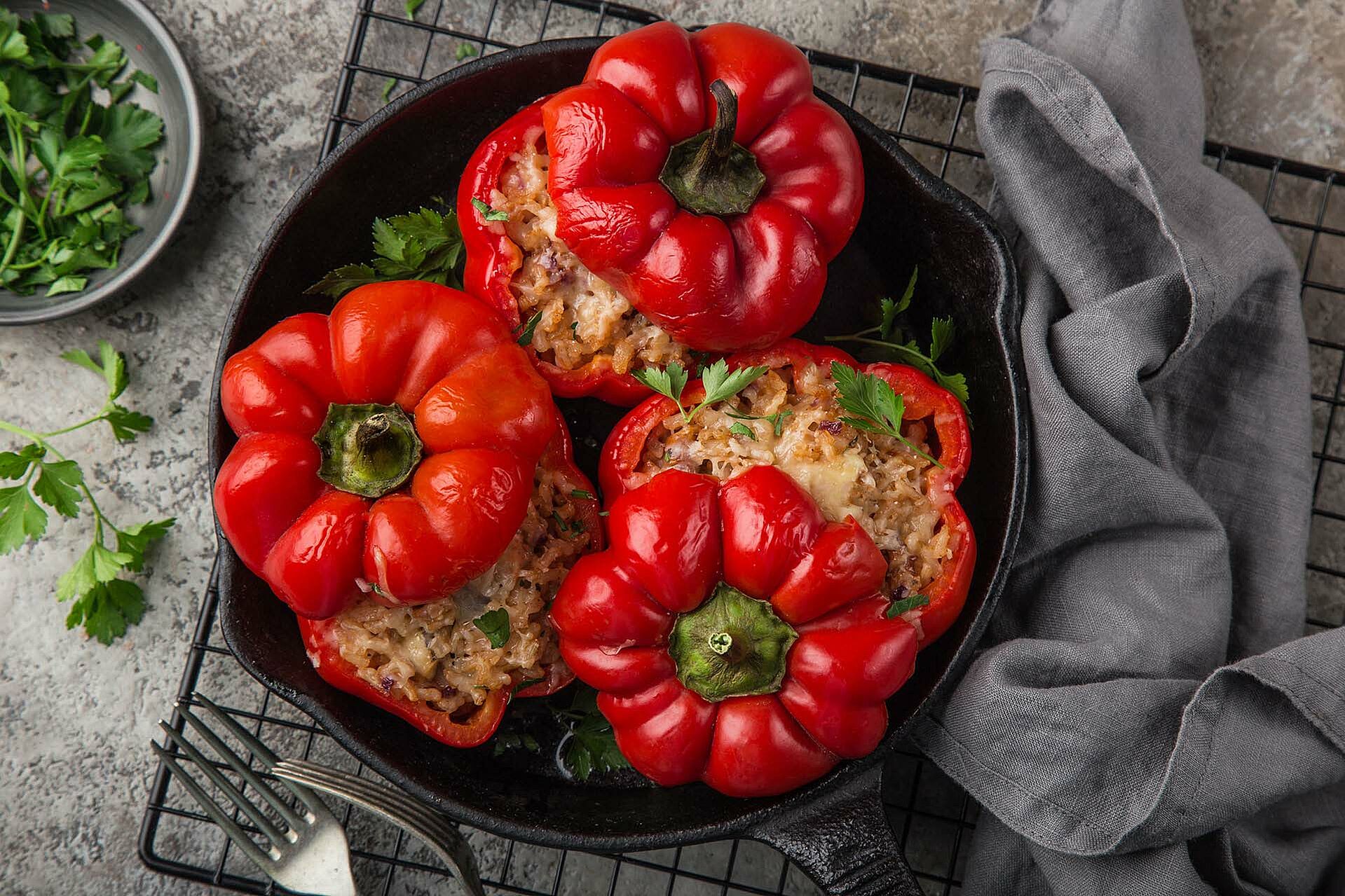
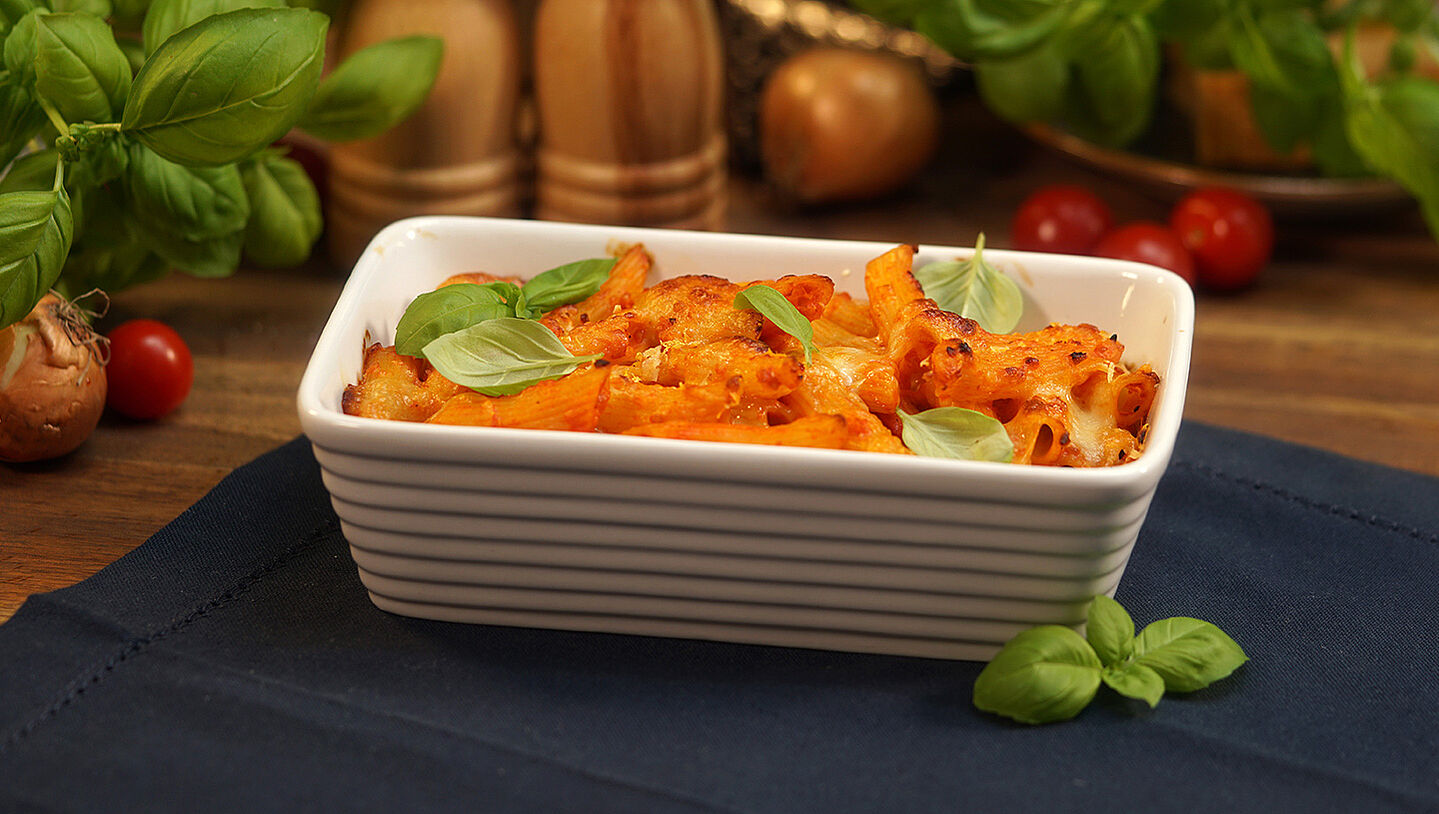
Hearty Italian casseroles are a popular way to use up leftovers, especially if you have leftover pasta or rice from the previous day’s cooking. This type of casserole is called a pasticcio. The cooked pasta or rice is mixed with other ingredients such as tomato puree, chopped onions, peppercorns, and vegetables like zucchini, seasoned with a little cream and spices, and placed in an ovenproof dish. Finally, grate some Parmesan cheese over the top and pop it into the hot oven.
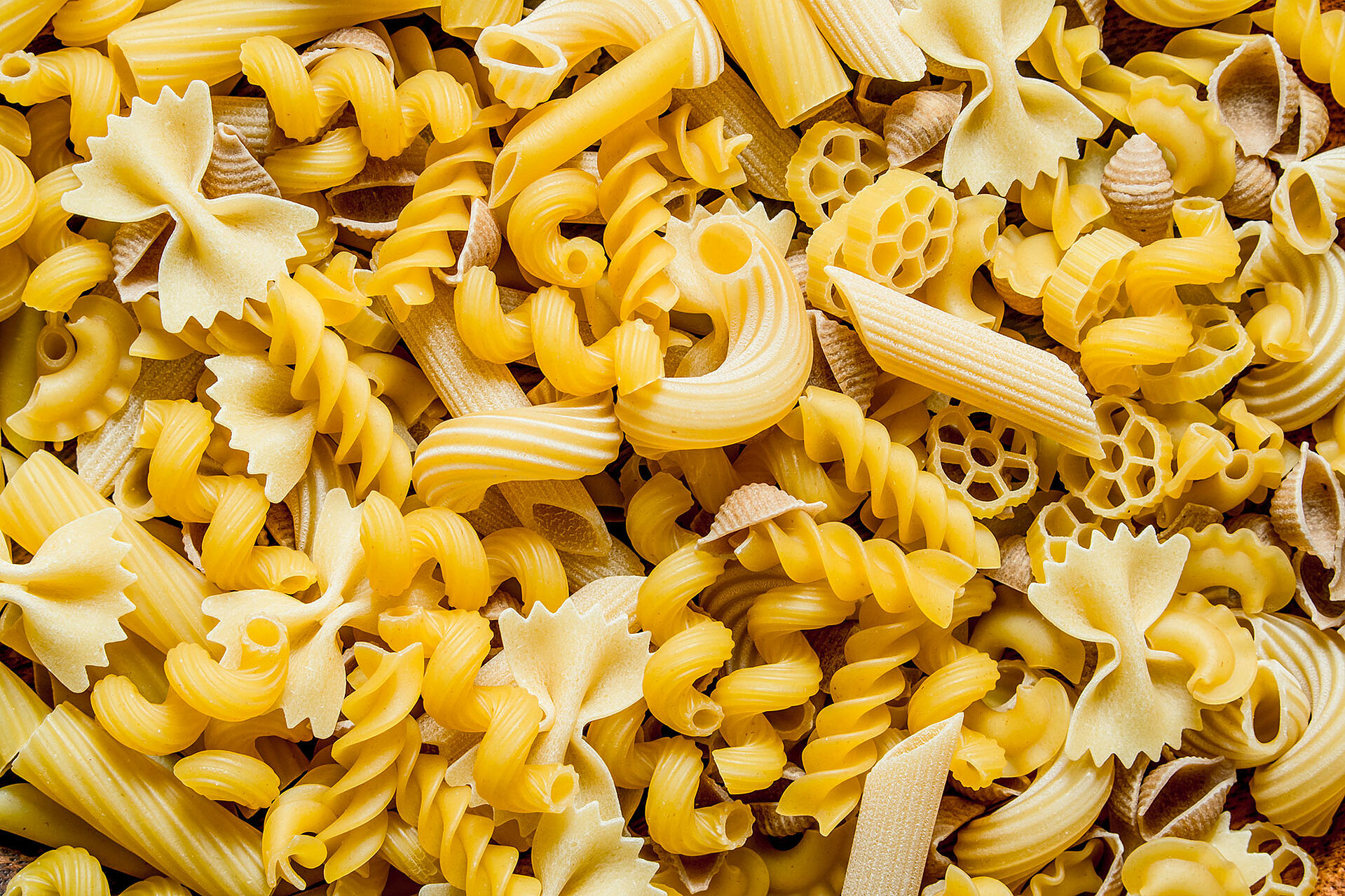
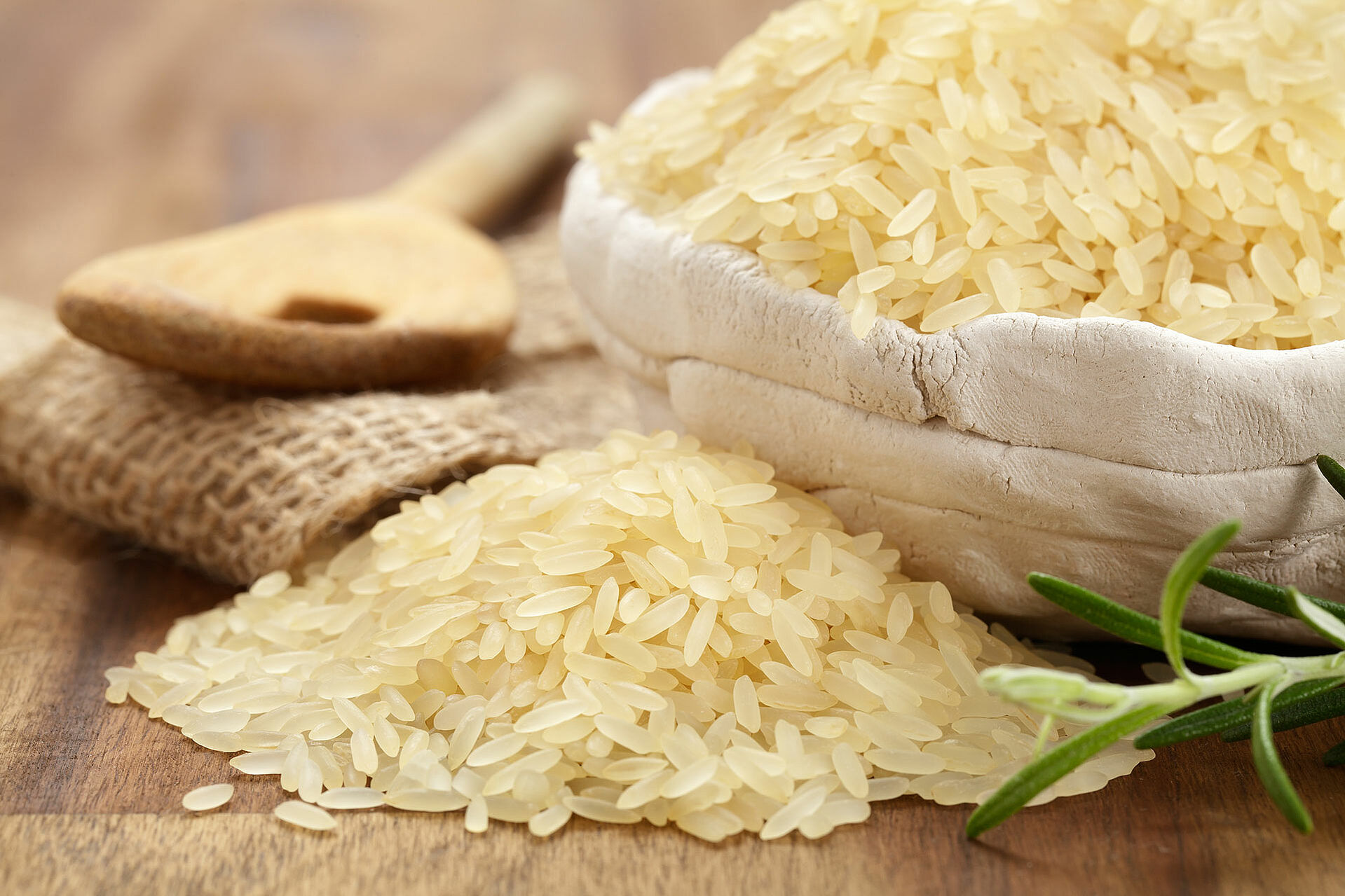
In addition to pasticcio, however, there are also a whole range of Italian al forno dishes that are prepared according to a recipe. Whether it’s lasagna or stuffed cannelloni—traditional Italian recipes have countless fans all over the world. Here, too, the ingredients are usually pre-cooked or ready-to-use pasta, meat, or vegetables, along with flavorful sauces.
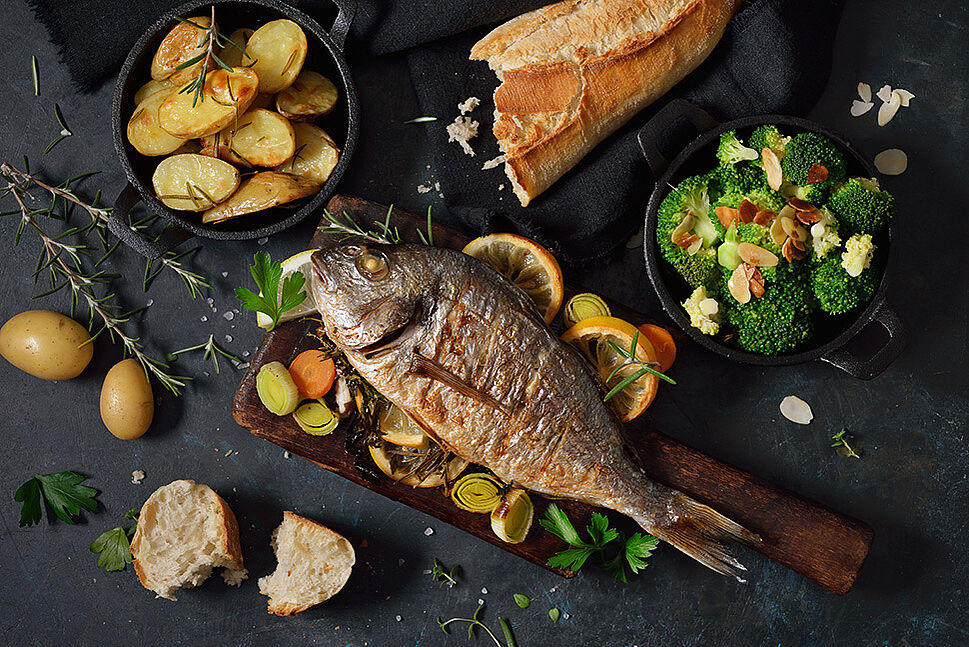
In Italy, meat and whole fish—such as sea bream or saltimbocca—are also often cooked al forno. The appeal of this cooking method is that the oven heat makes the crust nice and crispy. At the same time, it protects the inside, keeping it nice and juicy.
That's why al forno dishes are often topped with cheese
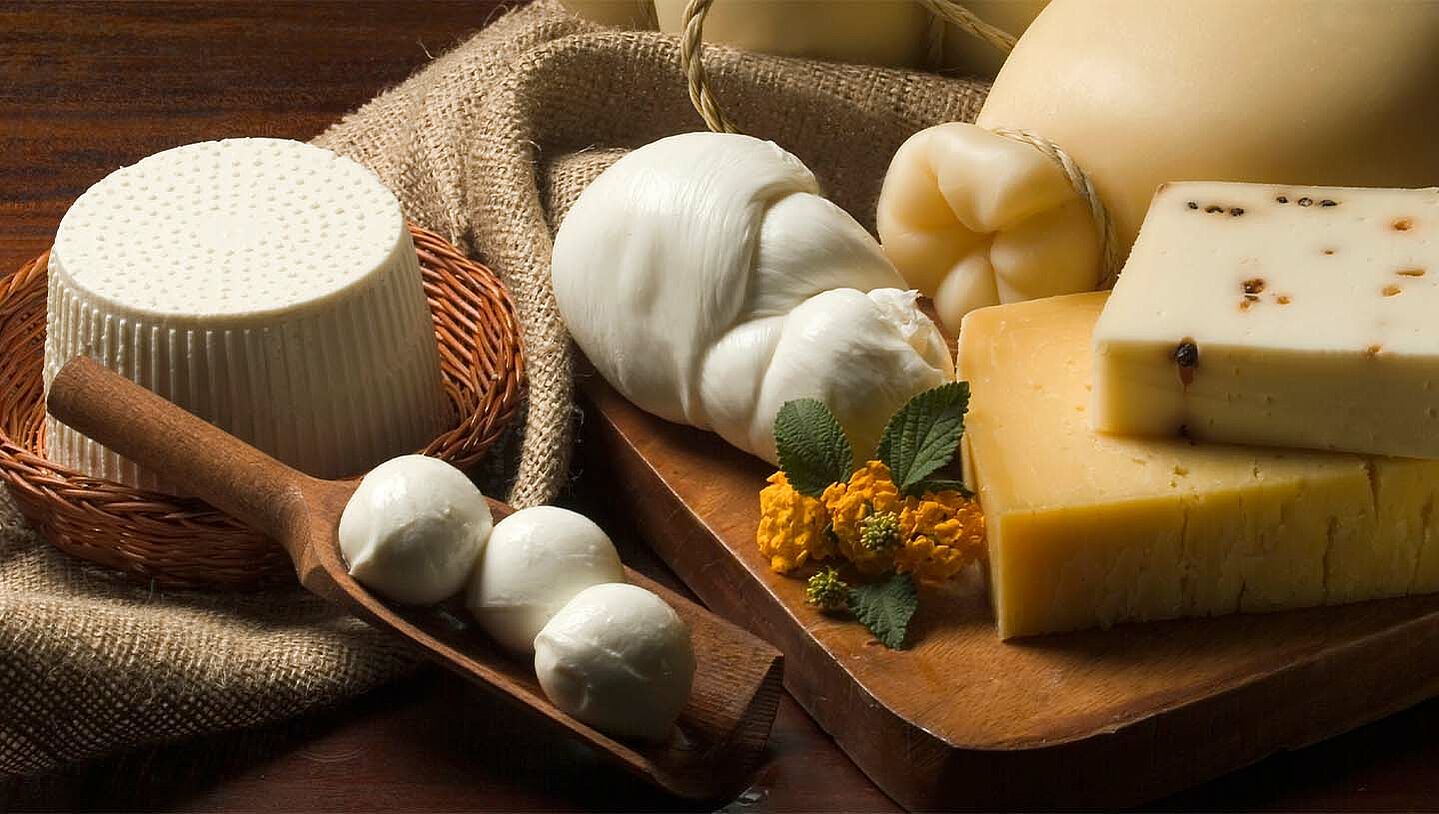
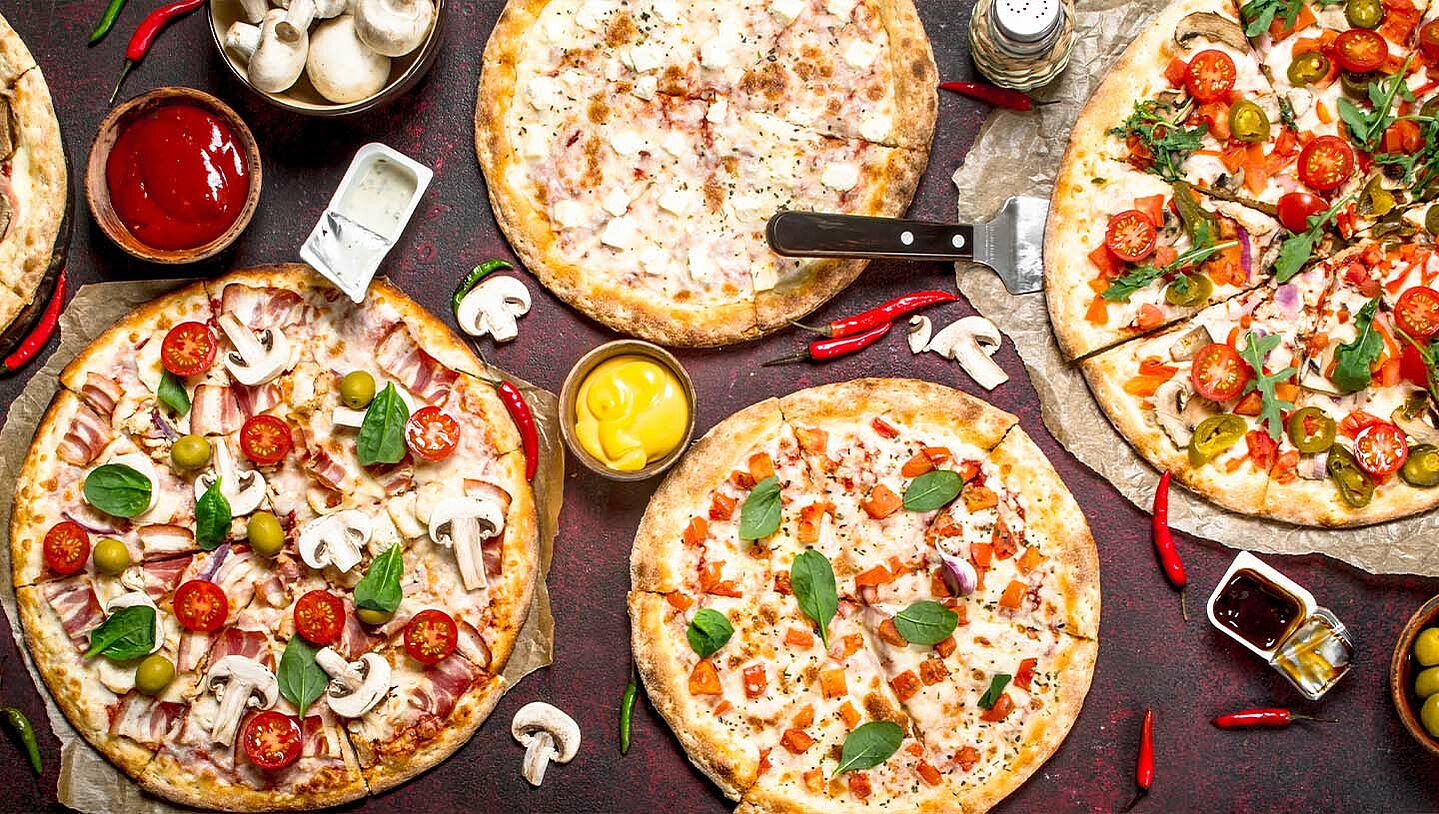
Italian casseroles are often topped with cheese—usually mozzarella and a little grated Parmesan—and baked until golden. This creates an appetizing, savory crust. In lasagna or cannelloni, a béchamel sauce serves as the finishing touch, and a little grated Parmesan can also be sprinkled on top. This sauce also prevents the dish from drying out and the pasta from burning. The cheese melts in the oven, developing a pleasant texture and a delicious, characteristic aroma—similar to that of a pizza.
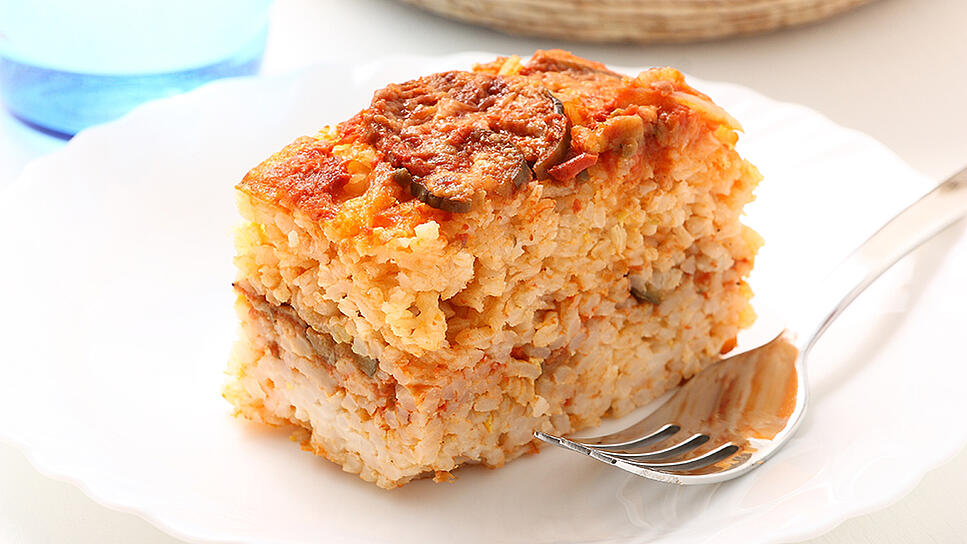
Baked Pasta and Gnocchi—Popular Not Just in Italy
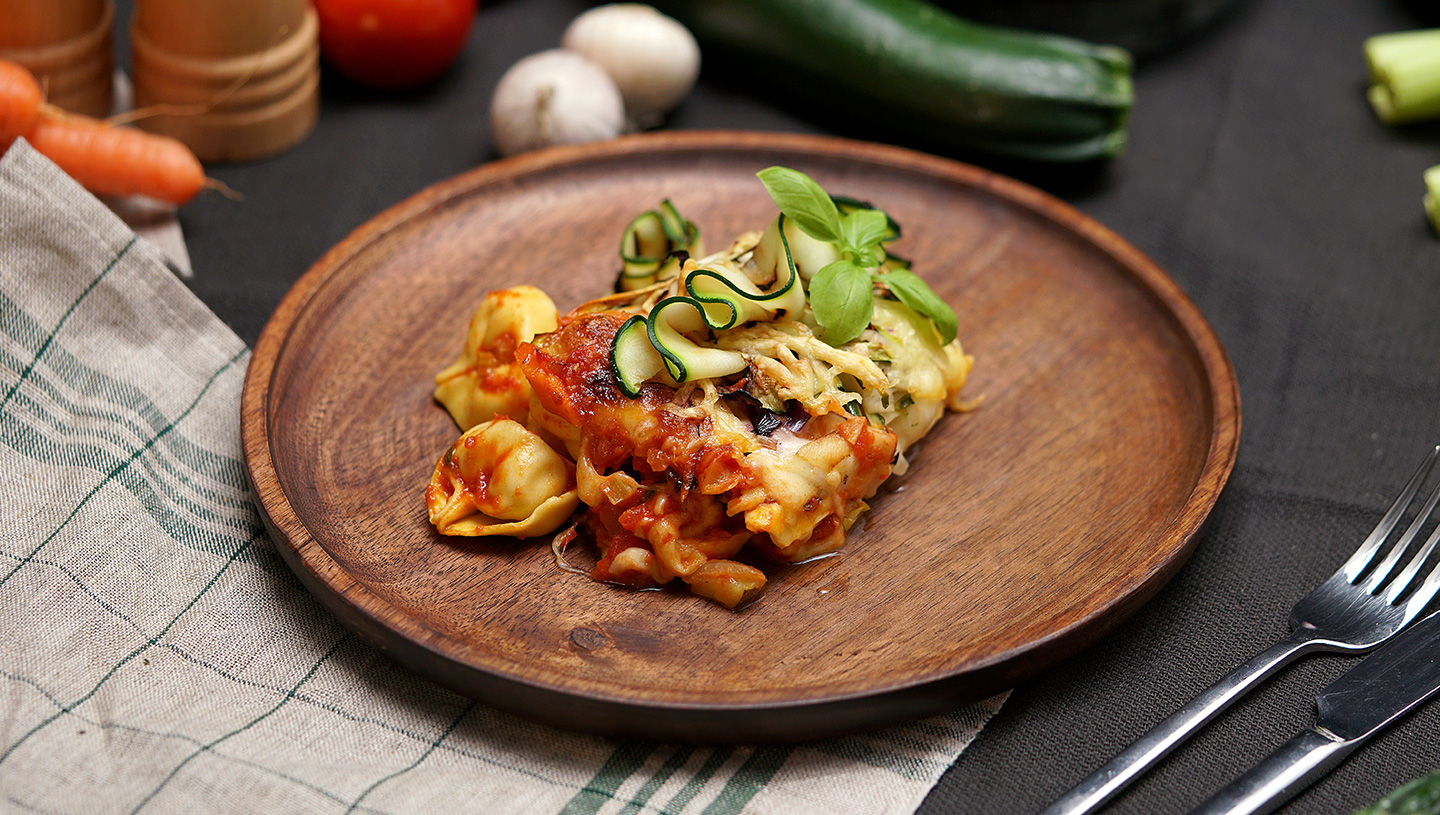
Lasagna and baked cannelloni are the best-known dishes and are popular worldwide. The basic recipe is always similar, but when it comes to the fillings, the cook can let their imagination run wild. Whether you prefer vegetarian lasagna with a vegetable filling or classic lasagna with meat is entirely up to your personal taste. Tortellini and gnocchi also cook wonderfully in the oven with sauce. And Italian cuisine even features rice dishes known as riso al forno.
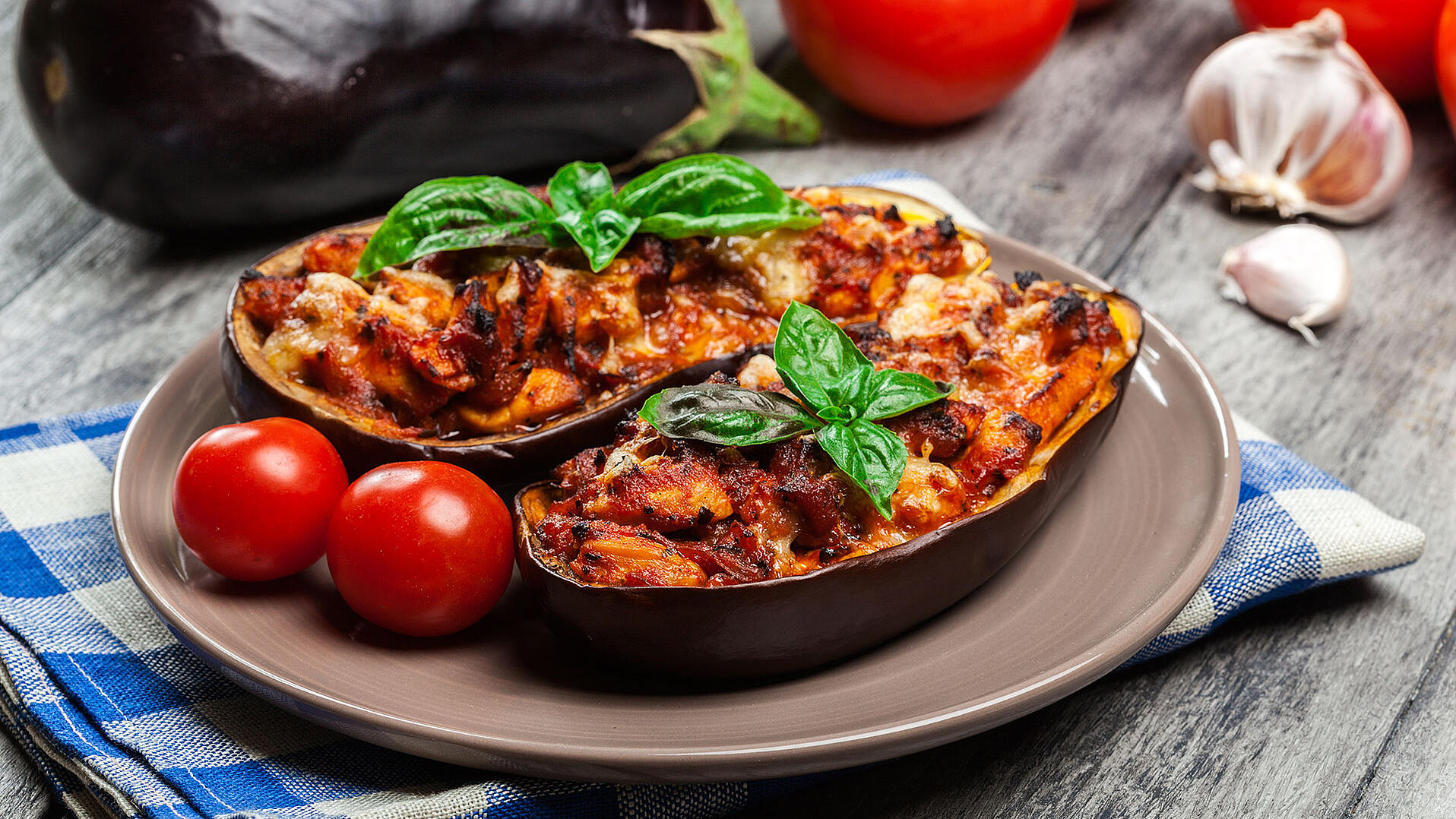
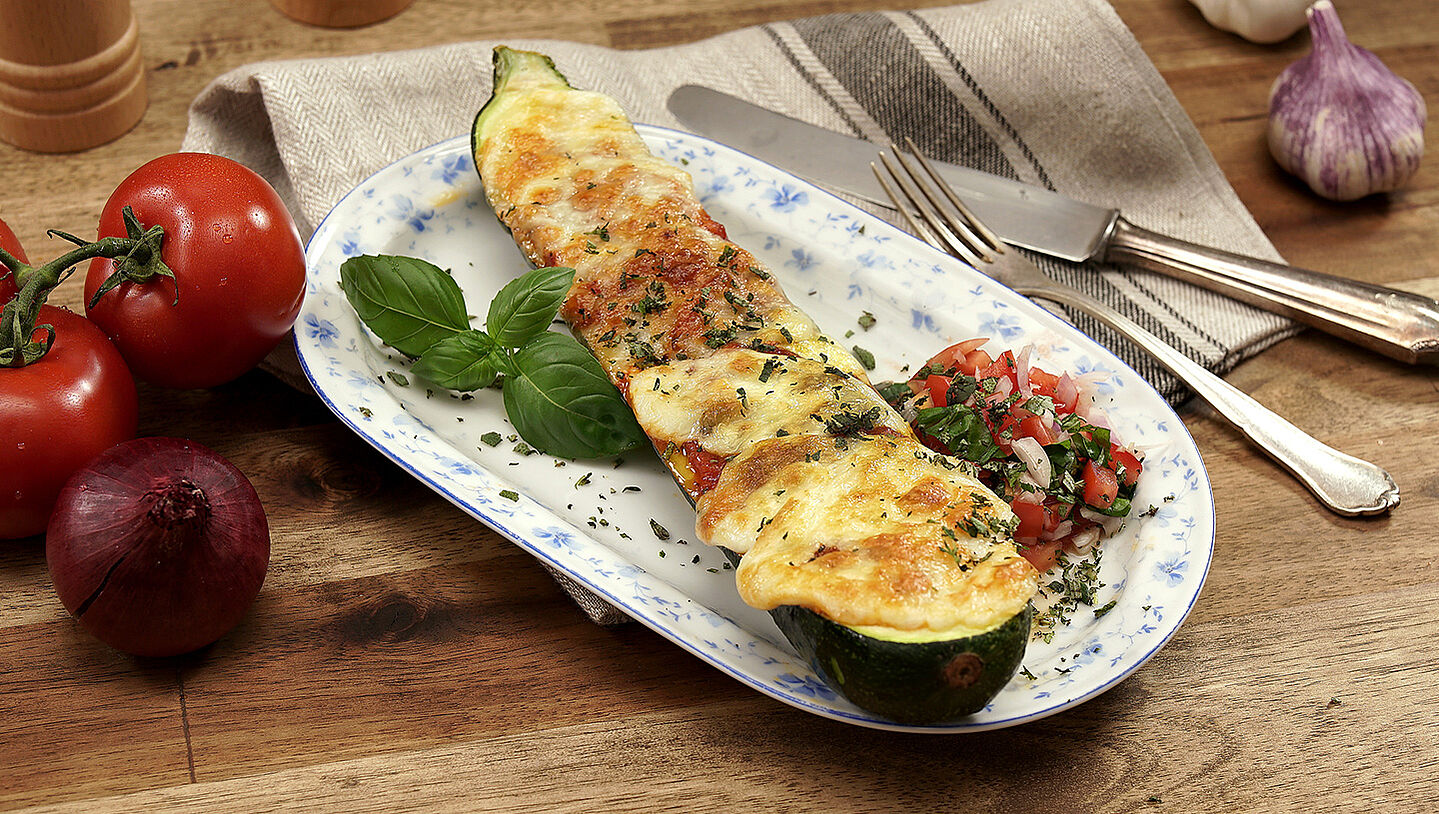
Verdure al forno—Italian oven-roasted vegetables—are usually prepared au gratin
When cooked in the oven, vegetables remain pleasantly crisp-tender and develop a more intense flavor than when steamed in water. It’s important to keep the cooking time relatively short so the vegetables don’t burn. That’s why they’re often topped with cheese and baked or cooked in tomato sauce
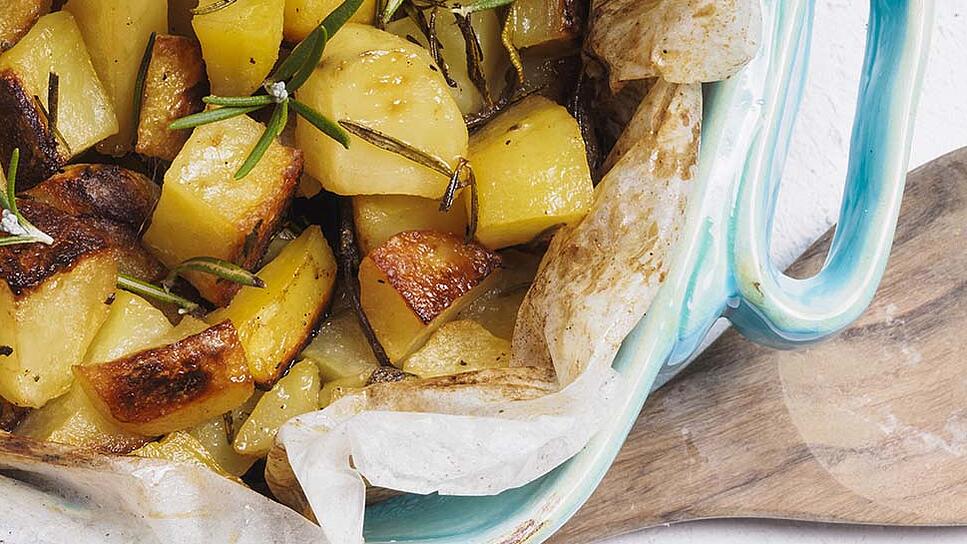
Oven-Roasted Potatoes
Potatoes also make a great oven-baked dish: cut into small pieces and garnished with a sprig of fresh rosemary, they develop a wonderful aroma. In Italy, they’re called patate al forno and are served as a side dish with meals that have plenty of sauce.
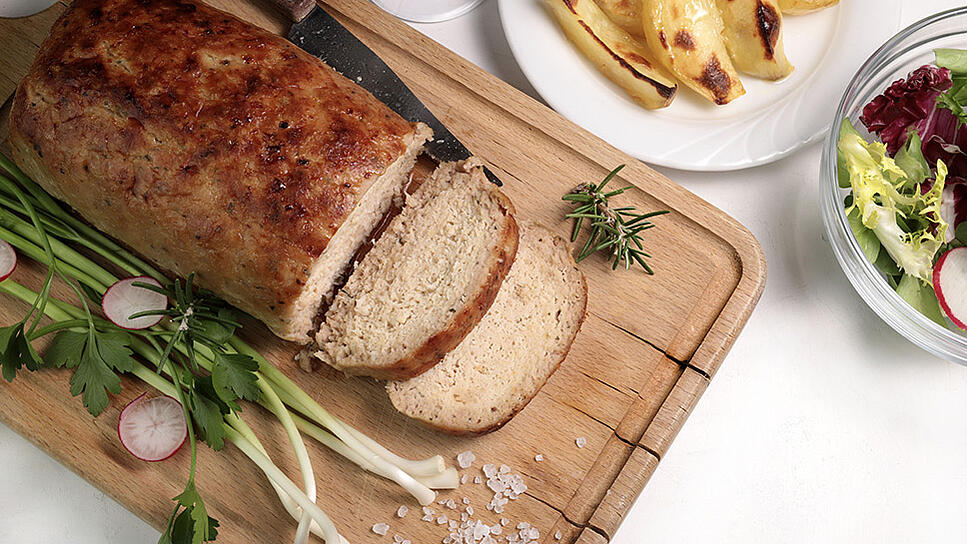
For example, if you happen to be in Italy around March 19, you might be served the delicious Zeppole di San Giuseppe al forno: a type of cream puff filled with vanilla cream. Since the dough for these pastries can also be deep-fried in hot oil, the term “al forno” indicates that the Zeppole di San Giuseppe are baked in the oven. This makes them less greasy, so the vanilla cream is a wonderful complement. Zeppole di San Giuseppe al forno are sold especially on March 19—the feast day of St. Joseph—and are also popular as gifts. Be sure to try them—Zeppole di San Giuseppe al forno are a festive treat!

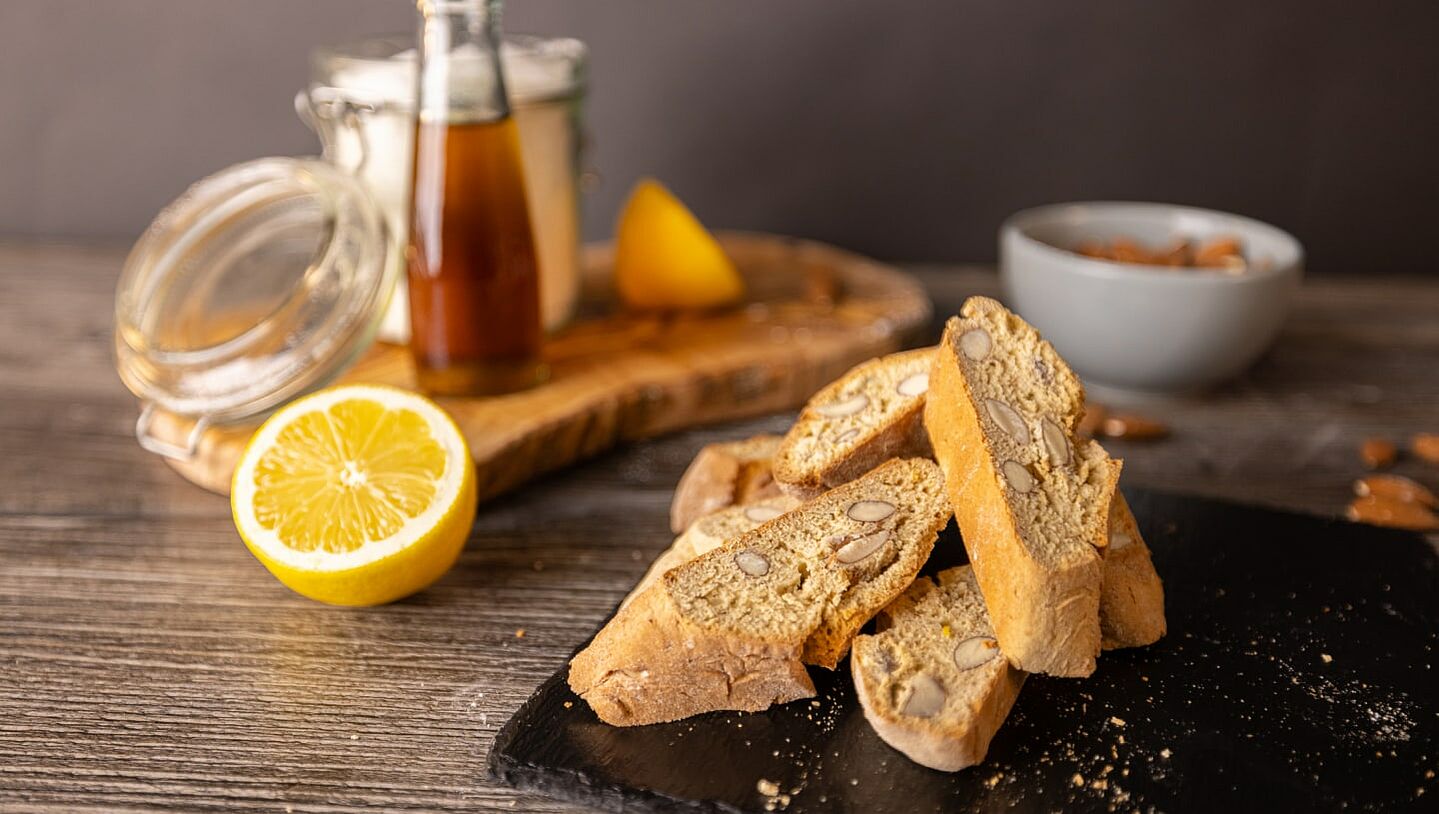
Want to make traditional Italian al forno dishes at home? Then you’ll need an oven-safe dish made of porcelain, heat-resistant glass, or ceramic. For many oven-baked dishes, the type of baking dish doesn’t matter, but for lasagna al forno, it’s best to choose a dish that fits perfectly so the lasagna sauce doesn’t leak out between the layers of pasta and the lasagna holds its shape.
Tip: The dish will be very hot when it comes out of the oven. Be careful when handling it—always use pot holders or oven mitts!
Thick-walled ceramic dishes are especially recommended, as they keep oven-baked dishes warm for a very long time. This makes them ideal for preparing in advance, and they stay hot for a long time. The advantage: With dishes this delicious, there’s always a second helping—and it’ll still be perfectly warm or hot. Lasagna in individual dishes stays hot for a particularly long time.
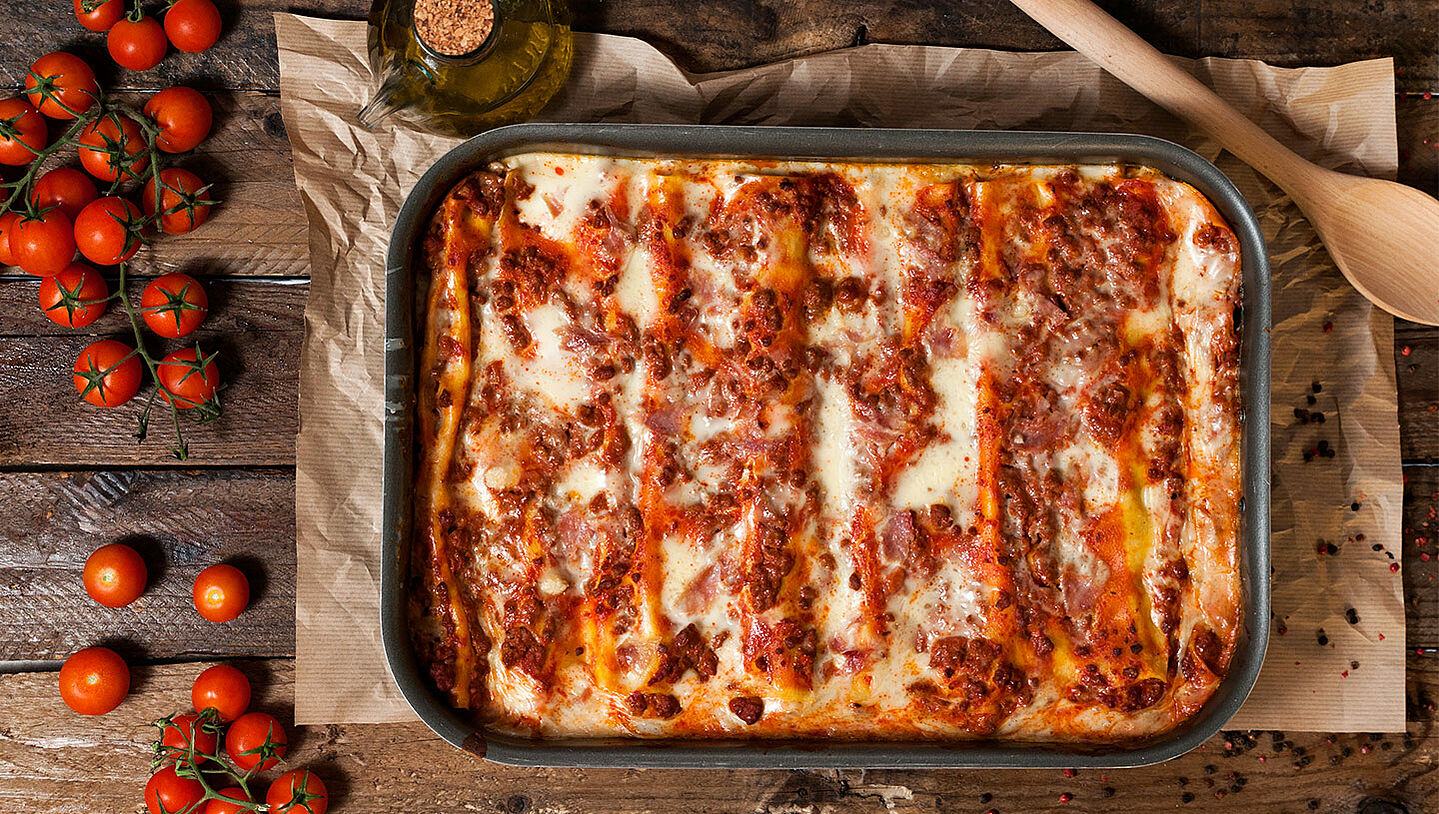
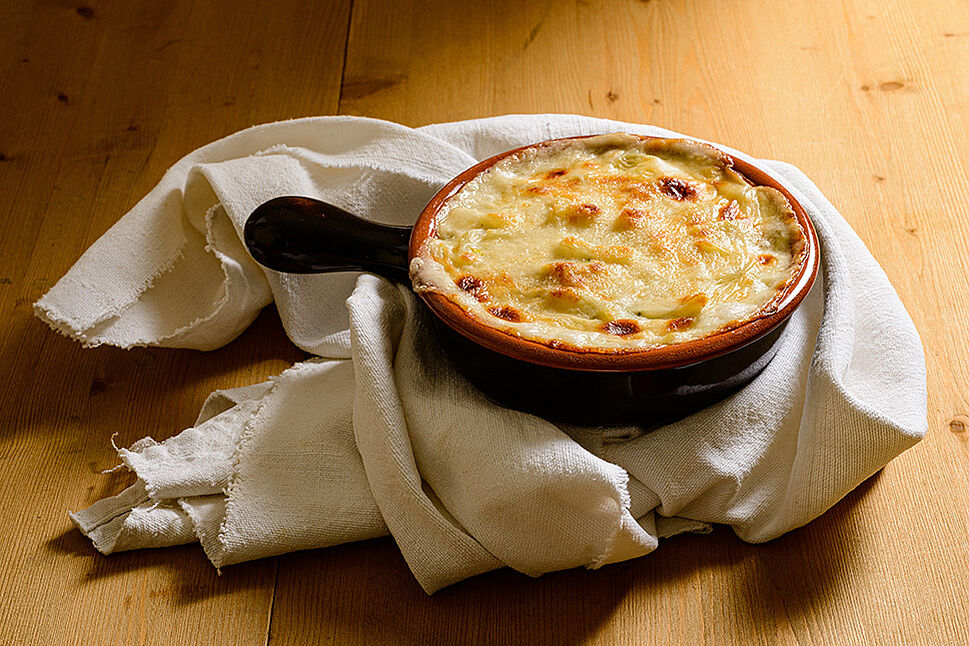
To prepare oven-baked dishes just like at your local Italian restaurant, you don’t need a special oven—a regular one will do. Depending on the recipe and your oven, the baking temperature ranges from 180 °C to 220 °C. If you like, you can turn on the broiler for the last few minutes; the result will then be somewhat reminiscent of a dish from a stone oven, where the top heat is significantly stronger than the bottom heat. What makes Italian oven-baked dishes special lies more in the recipes themselves. In case you’d like to give it a try, here are a few classic Italian recipes for you:
Or check out our collection of recipes for authentic Italian cuisine. Under the "Al forno" section, you'll find more great ideas. Have fun cooking!