
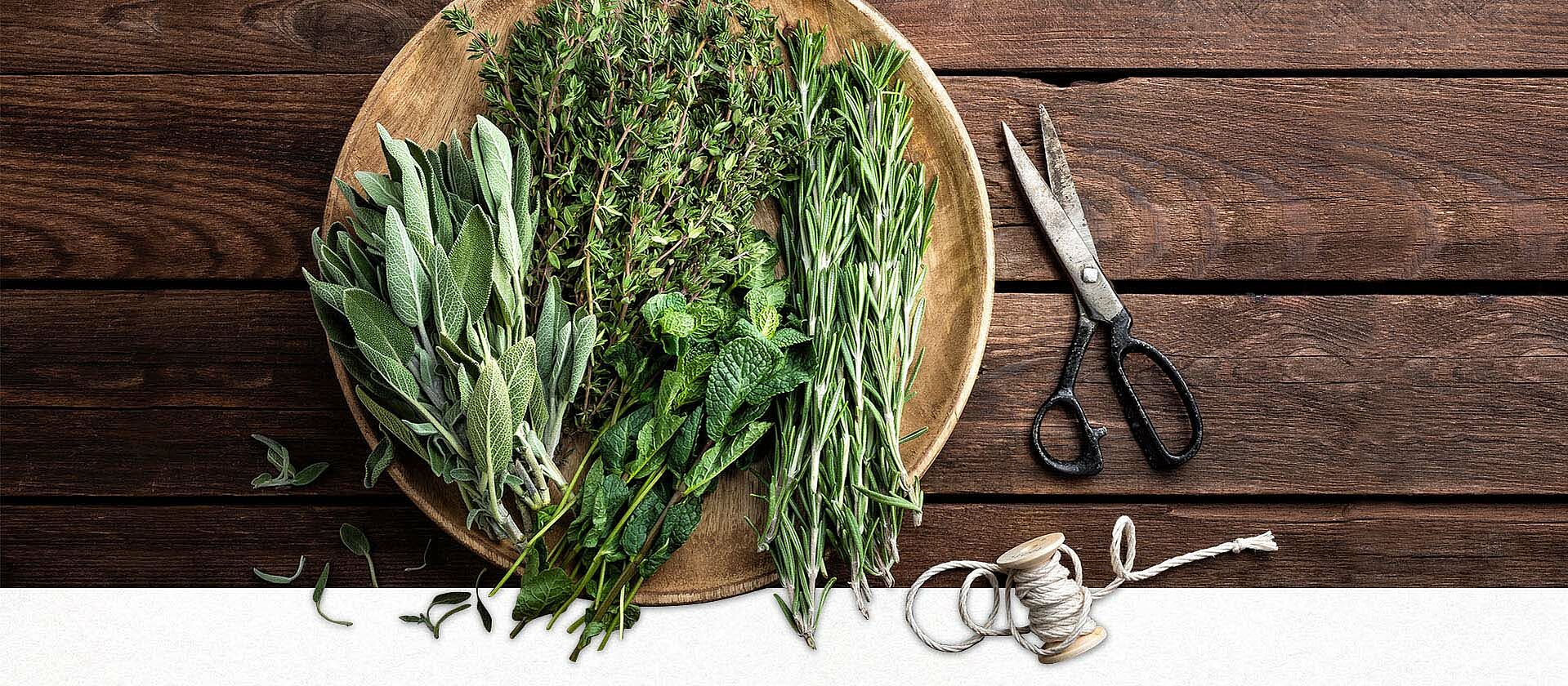
5 Essential Italian Herbs for Your “Cucina Italiana”
Here, we’ll tell you which five herbs you absolutely need for your “cucina italiana.”
Italian cuisine isn’t about using the most exotic ingredients, but rather the best ones. This also applies to herbs: With just five herbs, you can recreate (almost) any Italian recipe—and add a wonderful aroma to your dishes. If you can grow the herbs yourself, so much the better. Otherwise, the weekly market is a good alternative. There you’ll find particularly hardy and flavorful herb plants. Preferably fresh or frozen—and only dried as a last resort. With the right herbs, every one of your Italian dishes will be an aromatic delight.
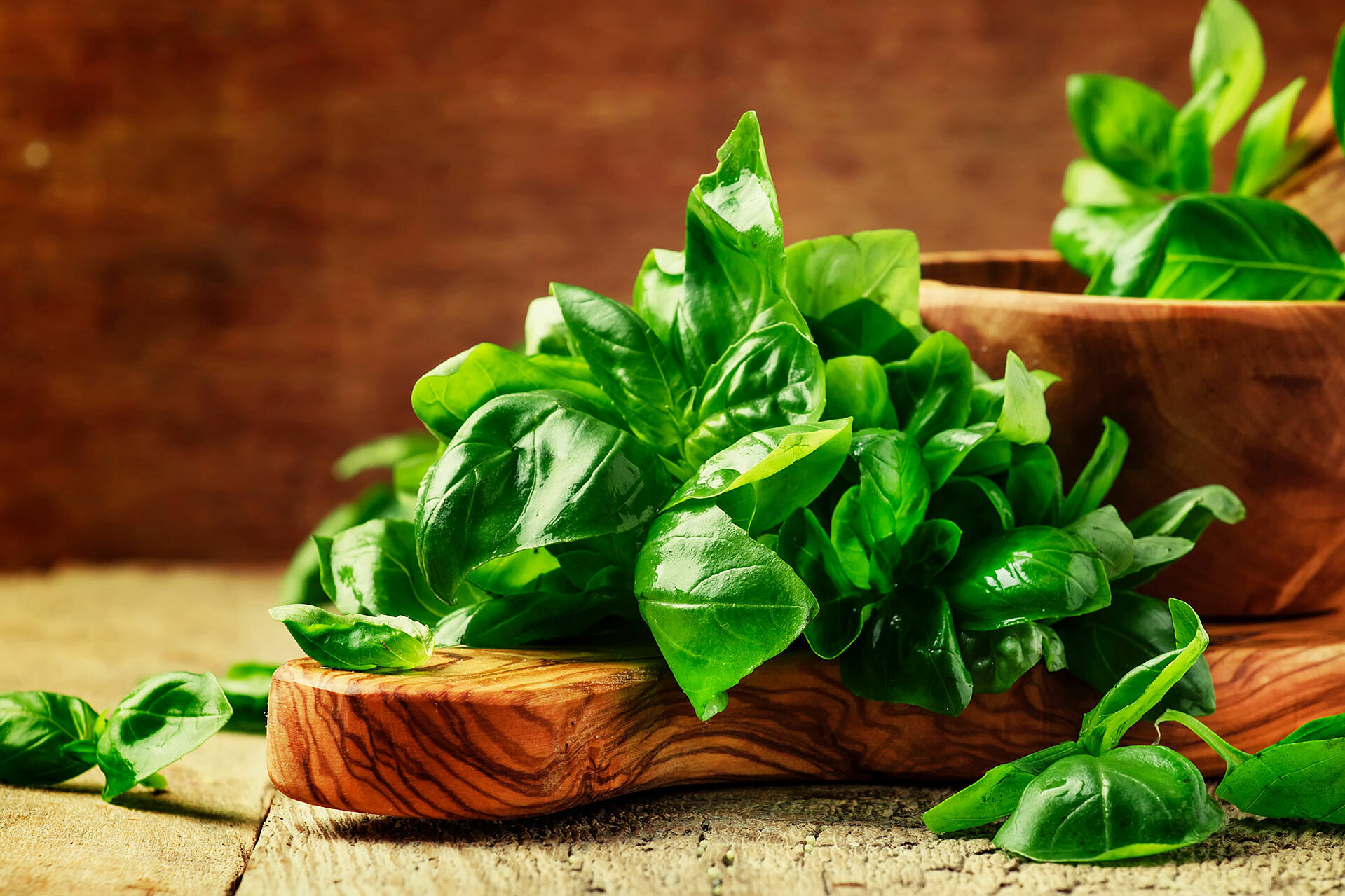
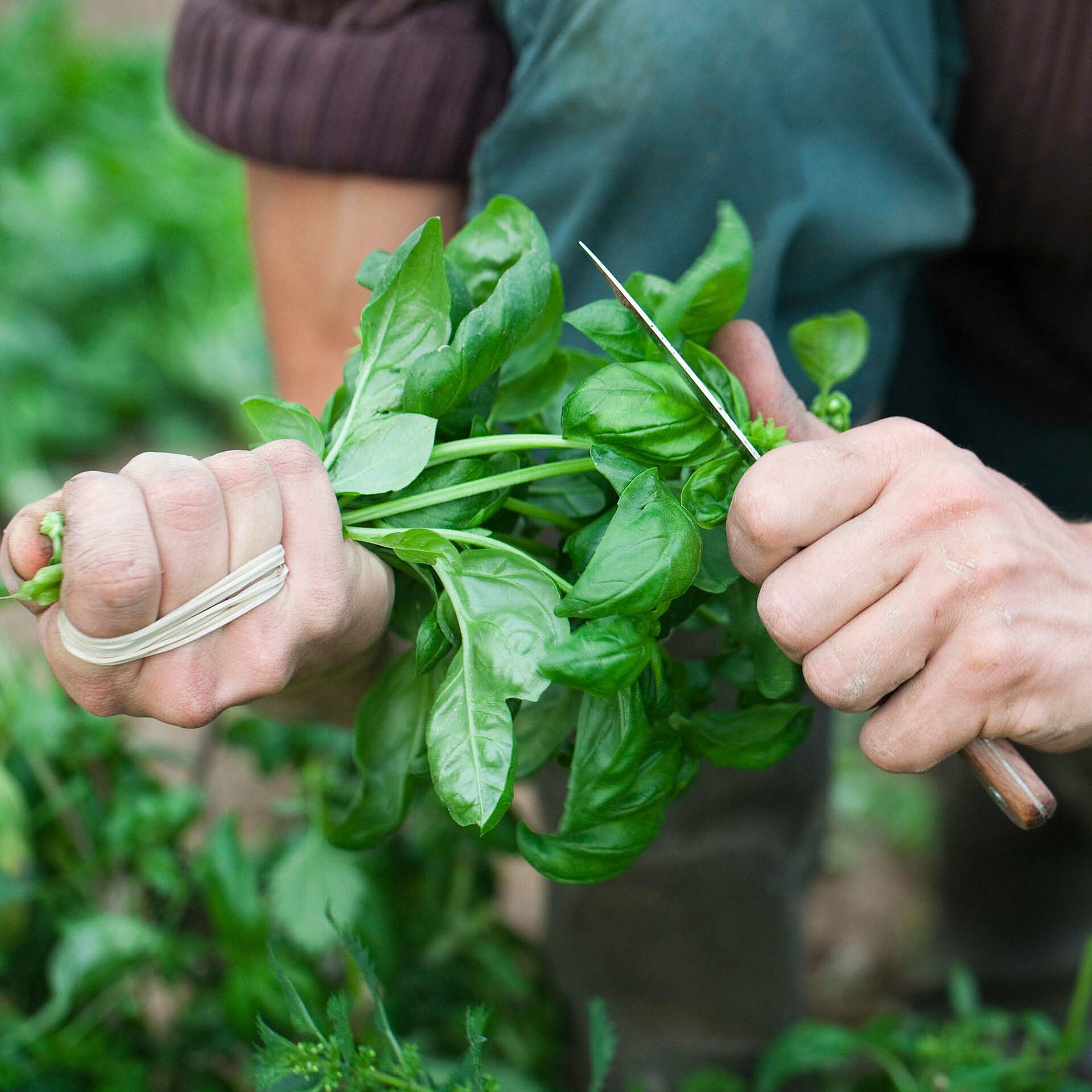
Basil is the royal herb
Basil (Italian: “basilico”) is arguably the best-known and most popular herb in Italian cuisine. It’s also called the “king of herbs.” No wonder—after all, it “elevates” many dishes: for example, the classic Caprese antipasto with juicy tomatoes or a wonderfully aromatic pesto with fresh, homemade pasta. It also gives this gnocchi recipe an intense color and that typical mild basil flavor. In fact, tomatoes and basil form a wonderful culinary pairing time and again in Italian cuisine. Basil pairs excellently with meat, fish, and soups. By the way: Basil also adds a special burst of freshness to lemonades or cocktails—a refreshing change of pace, especially in the summer.
Does your basil die quickly? No problem—we have a few tips to help your basil plant survive longer!
- Water regularly with room-temperature water
- Water only the soil, not from above
- A sunny spot, such as on a windowsill
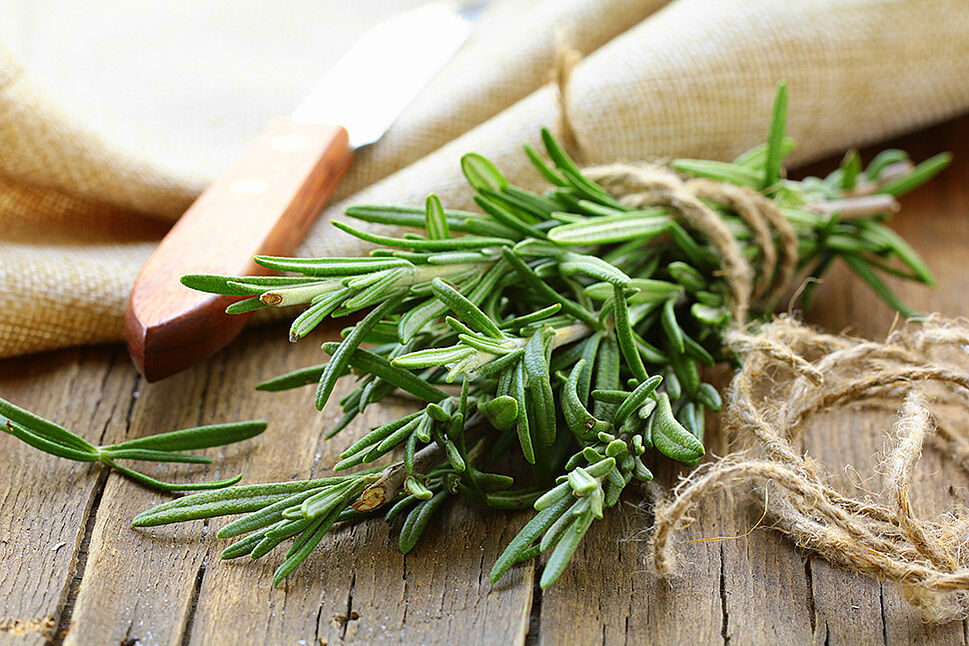
Rosemary – Dew of the Sea
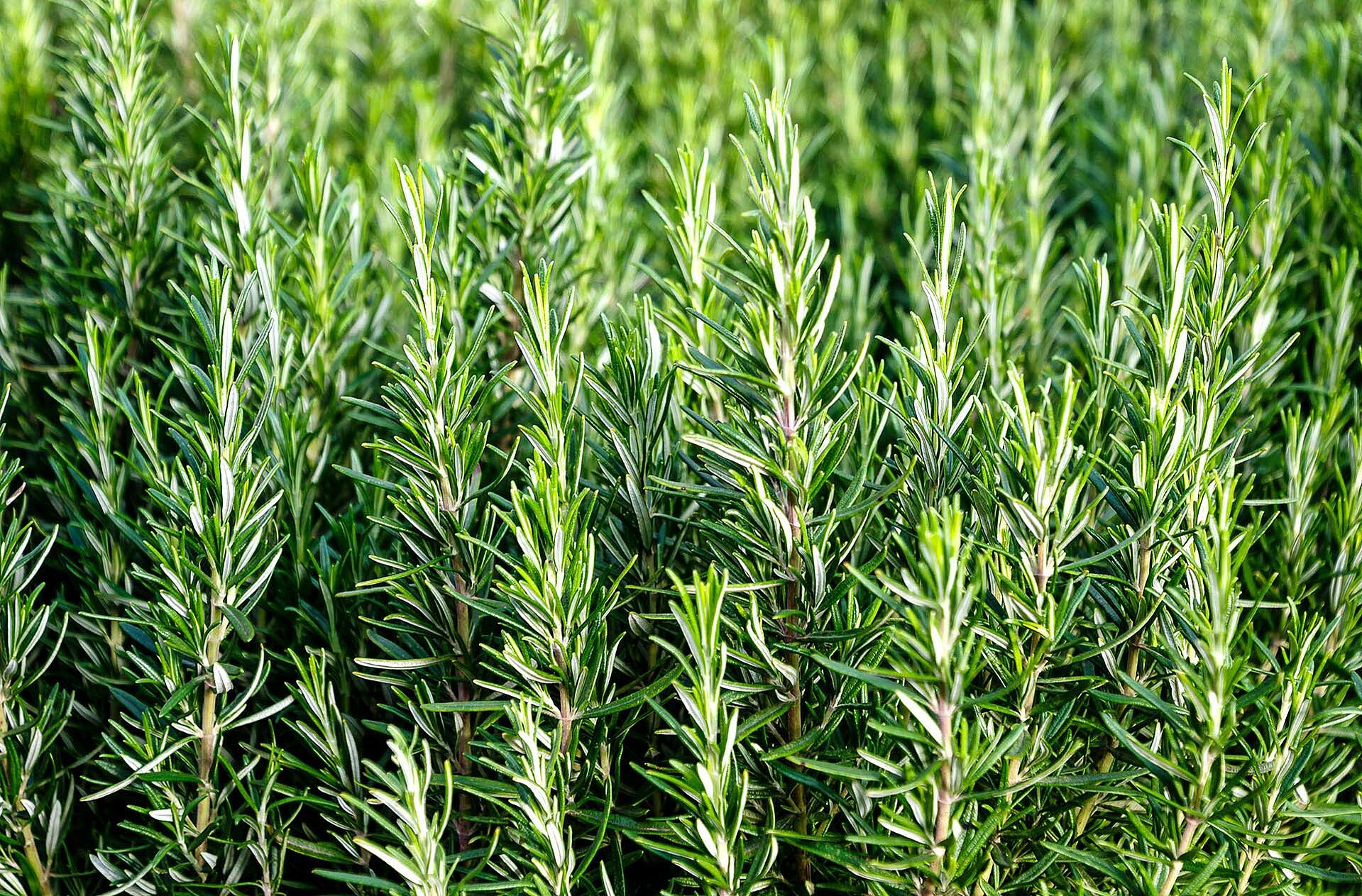
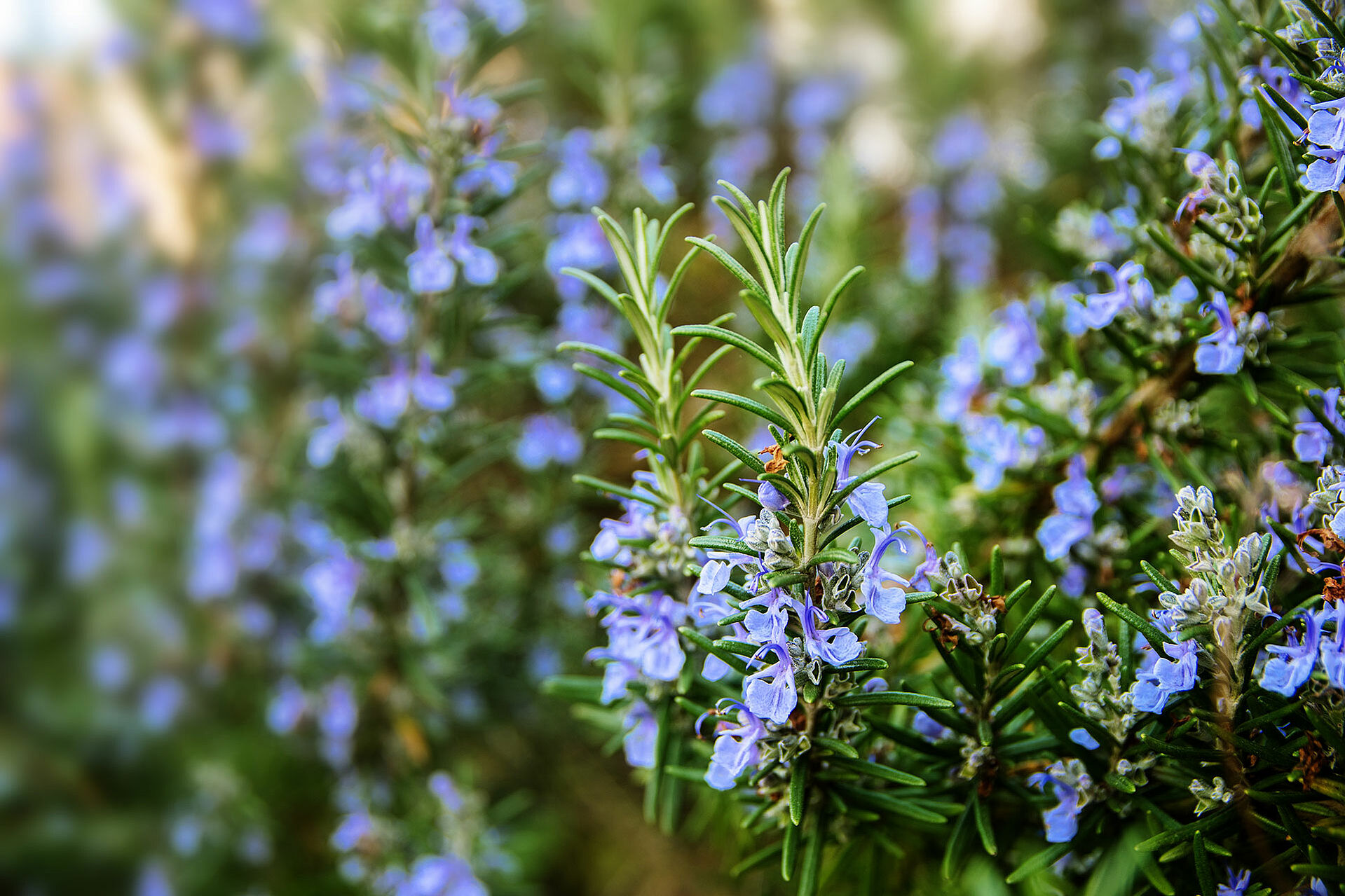
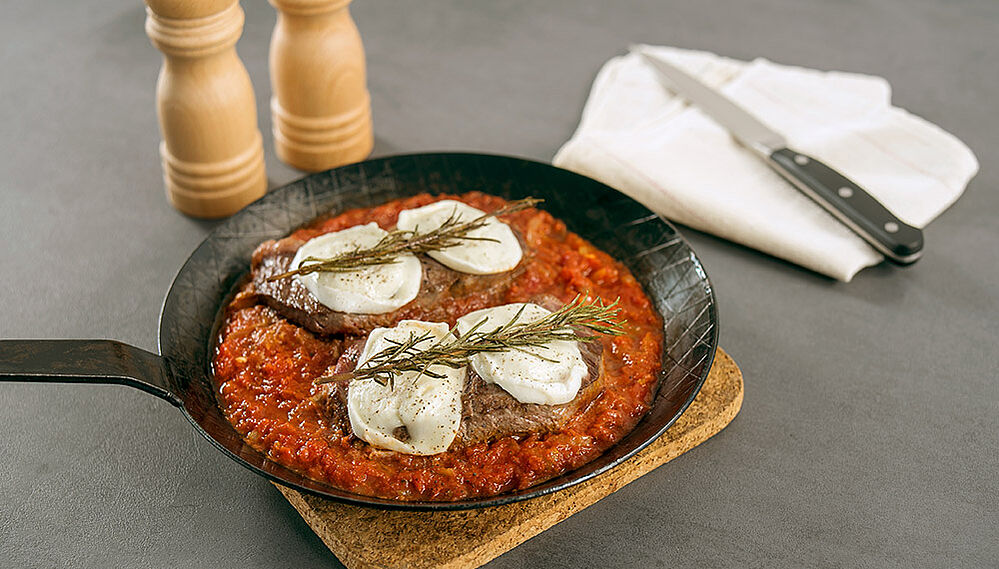
The name rosemary (Italian: “rosmarino”) comes from the Latin “ros marinus” and means “dew of the sea”: The shrubs thrive along the Mediterranean coast, where dew settles on the flowers and twigs at dawn. Rosemary lends a very special flavor to game dishes in particular, but this evergreen herb also pairs wonderfully with recipes featuring beef, pork, and poultry.
How to Make Your Own Rosemary Olive Oil
Looking for a small gift from your own kitchen? Why not whip up some delicious rosemary oil? To do this, choose a good-quality olive oil, place the washed and dried rosemary sprigs in a clean glass bottle, and fill it with the olive oil. Stored in an airtight container in a dark place, the oil will keep for about four weeks.
Rosemary olive oil is great for sautéing and marinating, but also for crisp salads.
By the way, you can find more herb oil recipes here.

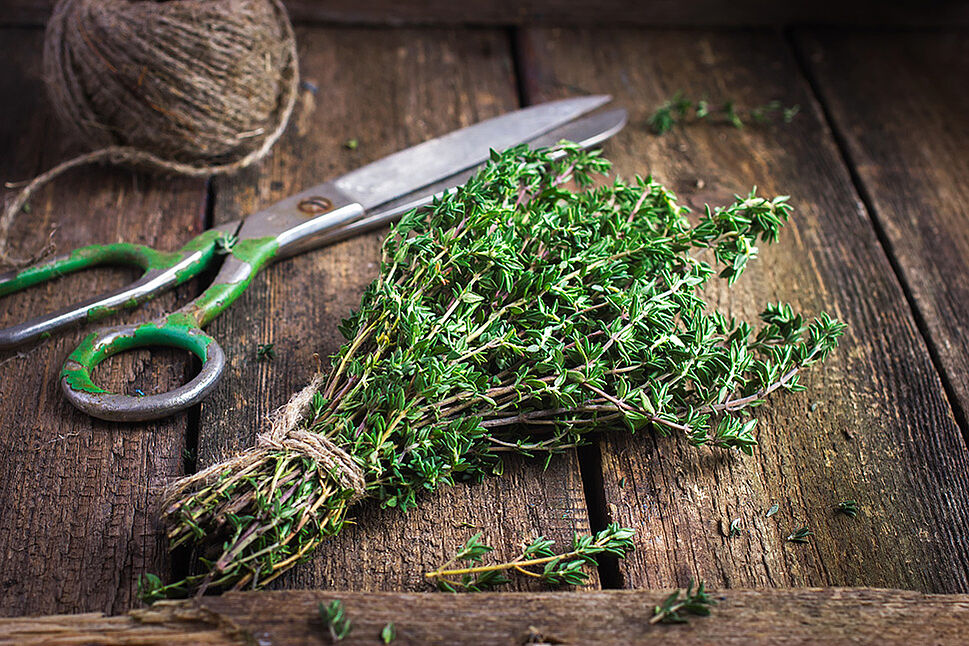
Thyme – the warmer it is, the spicier it gets
Thyme (Italian: “timo”) adds a spicy-sweet note to soups, sauces, broths, and stews. Of the more than 100 varieties, “common thyme,” also known as garden thyme, is the most widely used in cooking. This herb adds just the right amount of flavor to hearty dishes featuring lamb, pork, or beef.
Thyme pairs especially well with garlic and basil—for example, in a fruity tomato sauce that you can customize with thyme—or with pan-roasted vegetables like eggplant, zucchini, or potatoes. Lemon thyme adds a summery burst of freshness to your fish dishes and seafood, among other things—and it’s an essential ingredient in this dip for mozzarella sticks.
Interesting fact: The herb only develops its intense flavor at high temperatures, which is why it’s added during the cooking process. Be careful with dried thyme: it’s much stronger than fresh thyme.
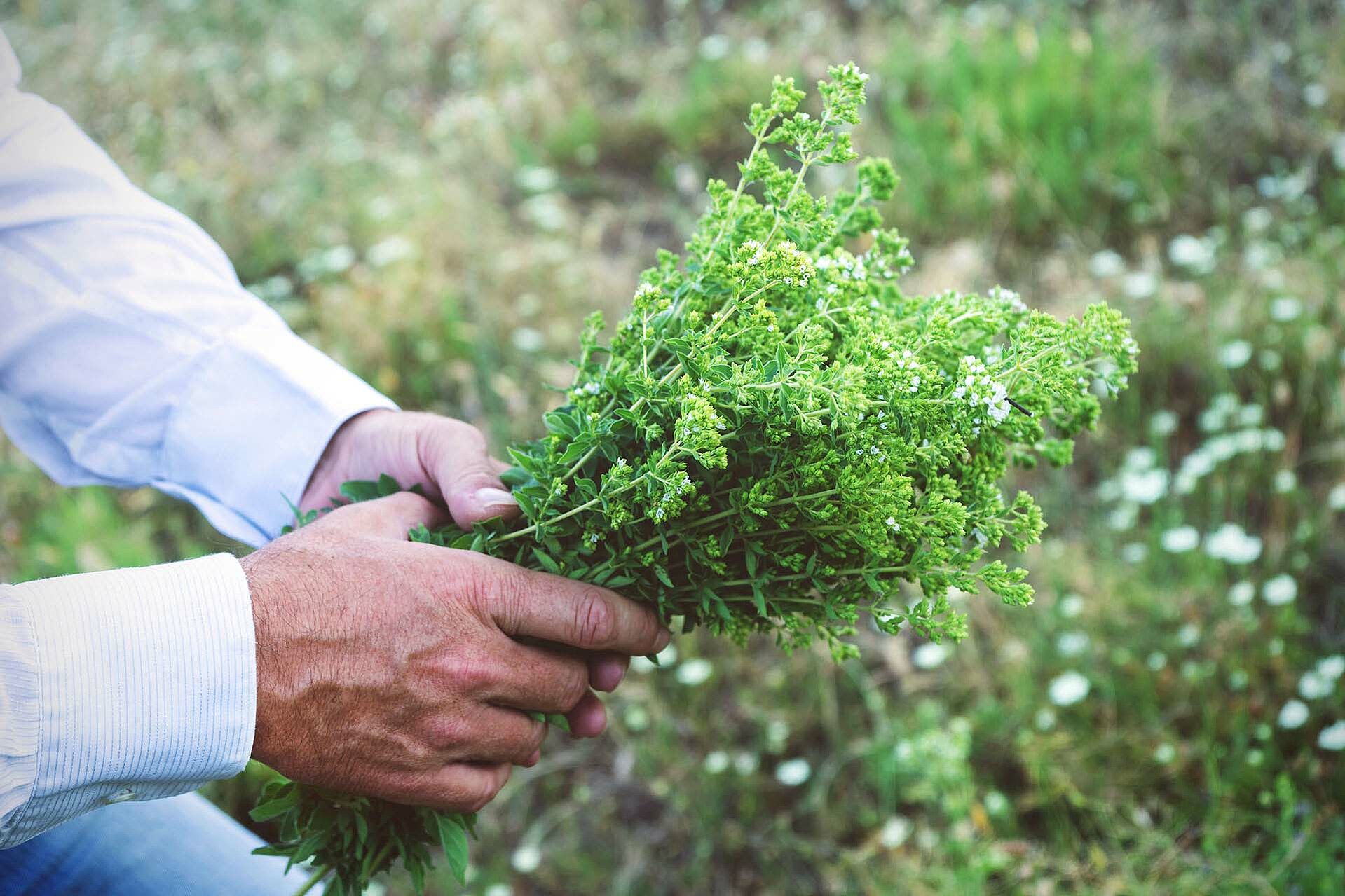
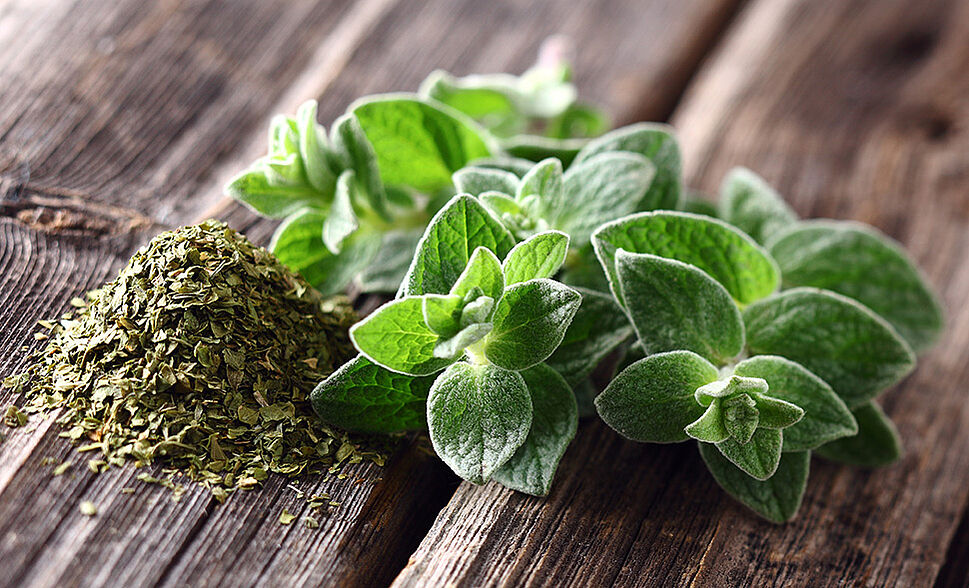
Oregano – The Star of Pizza
Oregano (Italian: “origano”) is particularly widespread in southern Italian cuisine—it’s a key ingredient in many pizza sauces and is used as a garnish on many pizzas, such as those topped with anchovies. Oregano is also frequently used in sausages. The flavor of oregano intensifies when dried—so use it sparingly.
By the way: In German cuisine, you’ll often find a close relative of the Italian favorite oregano: marjoram.
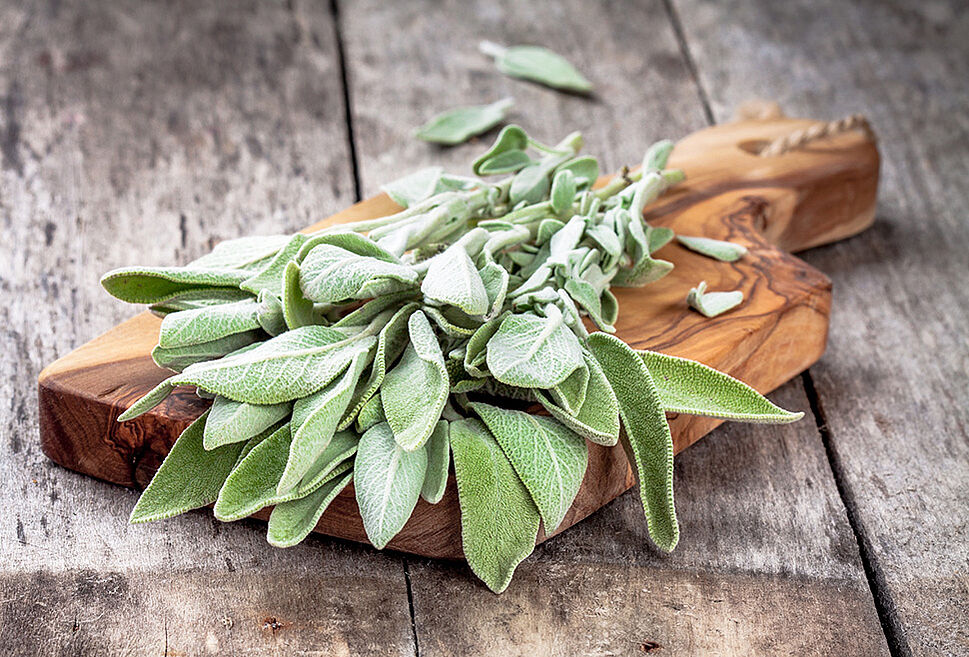
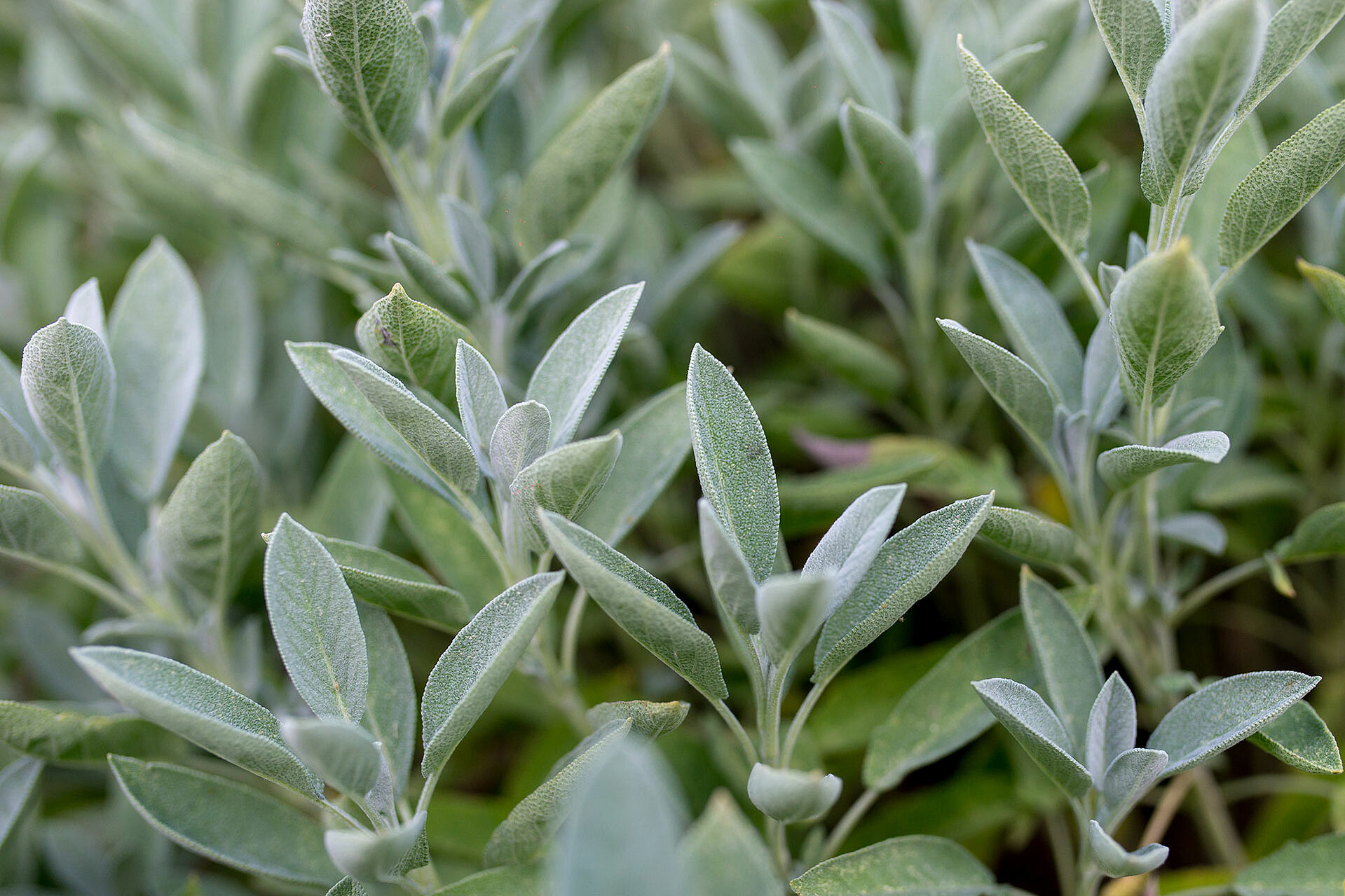
Sage is particularly flavorful and easy to digest
Bitter and spicy—that’s the aroma and flavor of sage (Italian: “salvia”). With more than 900 different varieties, choosing the right herb for your home herb garden isn’t all that easy.
The undisputed favorite in the kitchen is common sage—also known as muscat sage. If you prefer something more exotic, why not try lime, pineapple, or marzipan sage?
Sage is often used in meat dishes and is indispensable, for example, when preparing saltimbocca. Sage also adds the perfect flavor to soups, grilled fish, or a spicy penne with Gorgonzola.
If you’re looking for a subtle hint of sage in your dish, use the young leaves from your plant—the older leaves are perfect for a more intense flavor. Simple yet highly aromatic: sage sautéed in butter in a classic pasta sauce—it pairs perfectly with fresh gnocchi.
By the way: Sage makes high-fat dishes easier to digest—this beneficial effect was already known in ancient times.

Preserving Fresh Herbs
Freezing Herbs in Portions
You can also easily preserve hardy herbs like rosemary, thyme, oregano, and sage by freezing them: Trim and finely chop the leaves, fill an ice cube tray with them, and cover them with good-quality olive oil. Then place the ice cube tray in the freezer. This way, you can add the portioned herbs or herb blends to your favorite dishes even when you don’t have a fresh sprig on hand. The only exception is basil—it shouldn’t be frozen, or it will turn brown and lose its flavor.
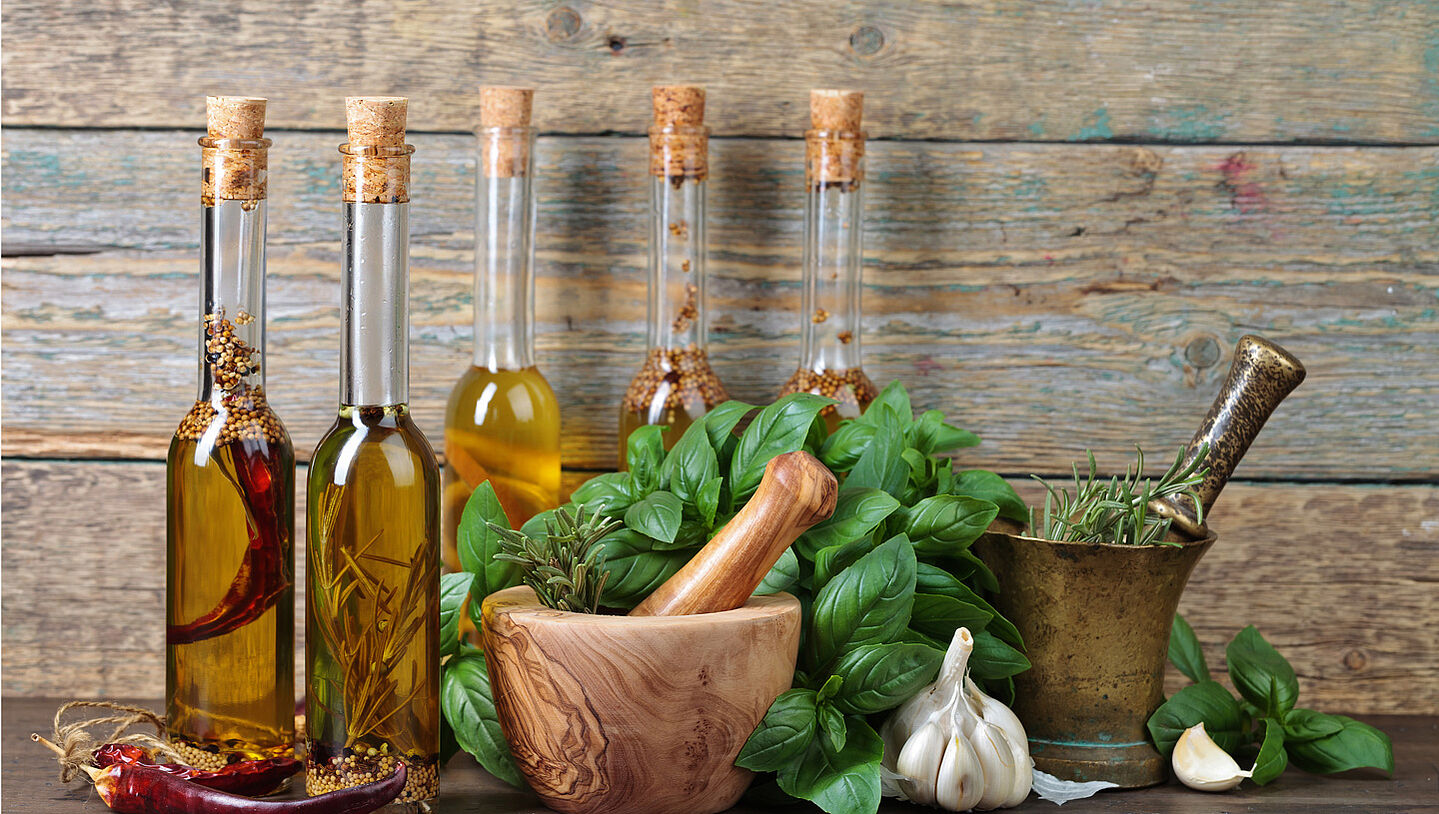
Make Your Own Herbal Oil
Is your freezer already full? No problem—herbs also keep well in olive oil without having to be frozen. With your own herb oil, you can easily enhance your Italian dishes and give them that classic Mediterranean flavor. For more tips on preserving fresh herbs in olive oil, check out our kitchen secret “Make Your Own Herb Oil.”
Drying Herbs
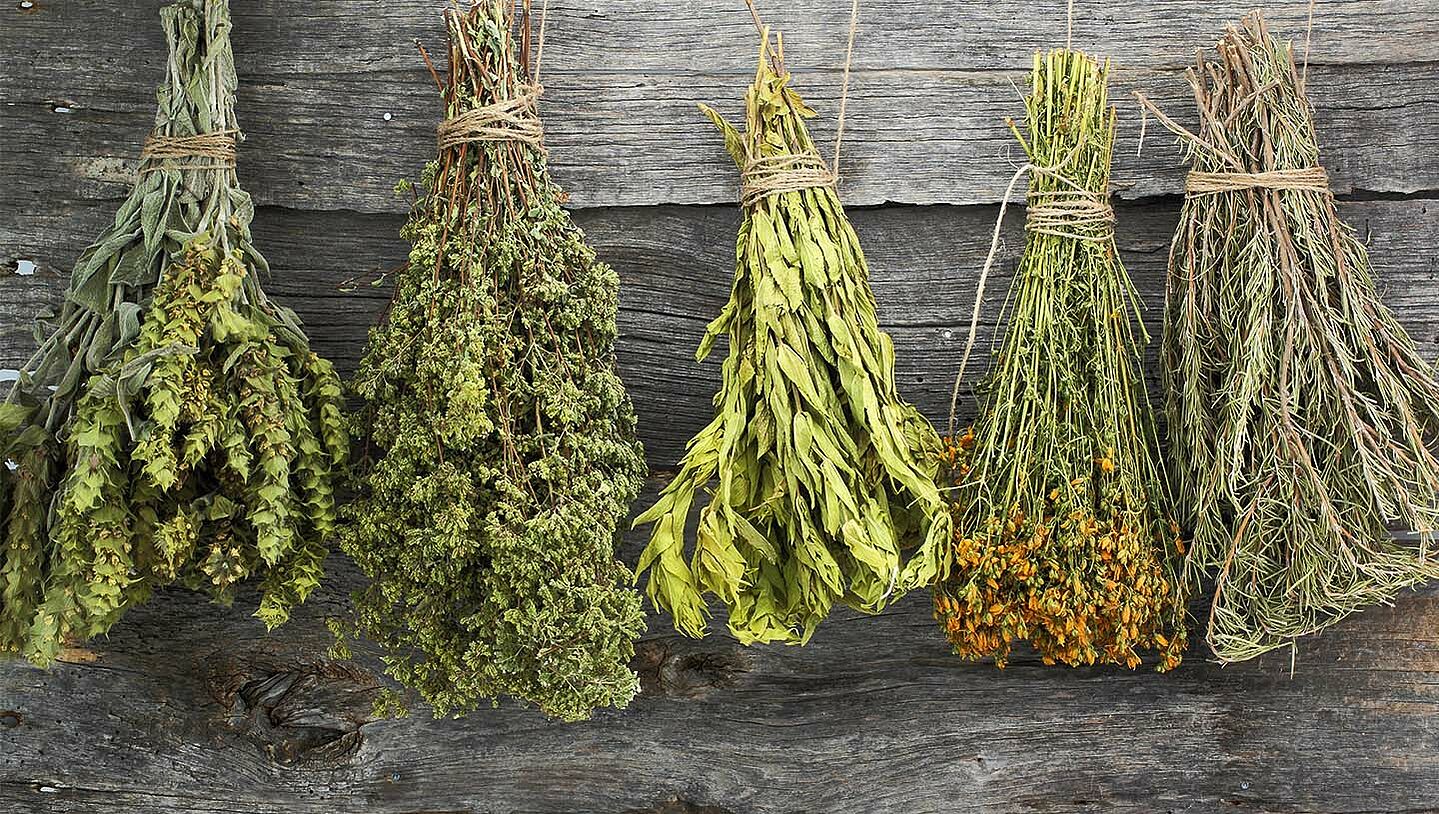
Another way to enjoy Italian herbs for a long time is to dry them. We’ve summarized exactly how this works and how long it takes to dry typical Italian herbs in our “Kitchen Secret” on drying herbs.
The Difference from Provençal Herbs
"Herbs of Provence" are often found in supermarkets. But be careful—these herb blends are intended more for French cuisine. While Herbs of Provence do contain some herbs used in Italian cuisine, they often include lavender as well, and occasionally juniper berries, chervil, or fennel seeds.


