Here's how to tell if tomatoes are ripe and fresh—and which ones taste good
Delicious or bland? In our shopping tip, we’ll tell you what to look for when buying tomatoes.
Fresh and processed tomatoes are a staple of authentic Italian cuisine. They’re an essential ingredient in many recipes. Fresh tomatoes—whether from the market or the supermarket—are available year-round. And they always look tempting, even in winter. Unfortunately, however, they often taste anything but delicious and flavorful—instead, they’re bland and watery. That’s why we’re sharing a few simple tips to help you avoid those frustrating bad buys—and enjoy truly delicious tomatoes.
WHAT INTERESTS YOU IN PARTICULAR?
Pay attention to the packaging
What the Tomato Skin Tells You
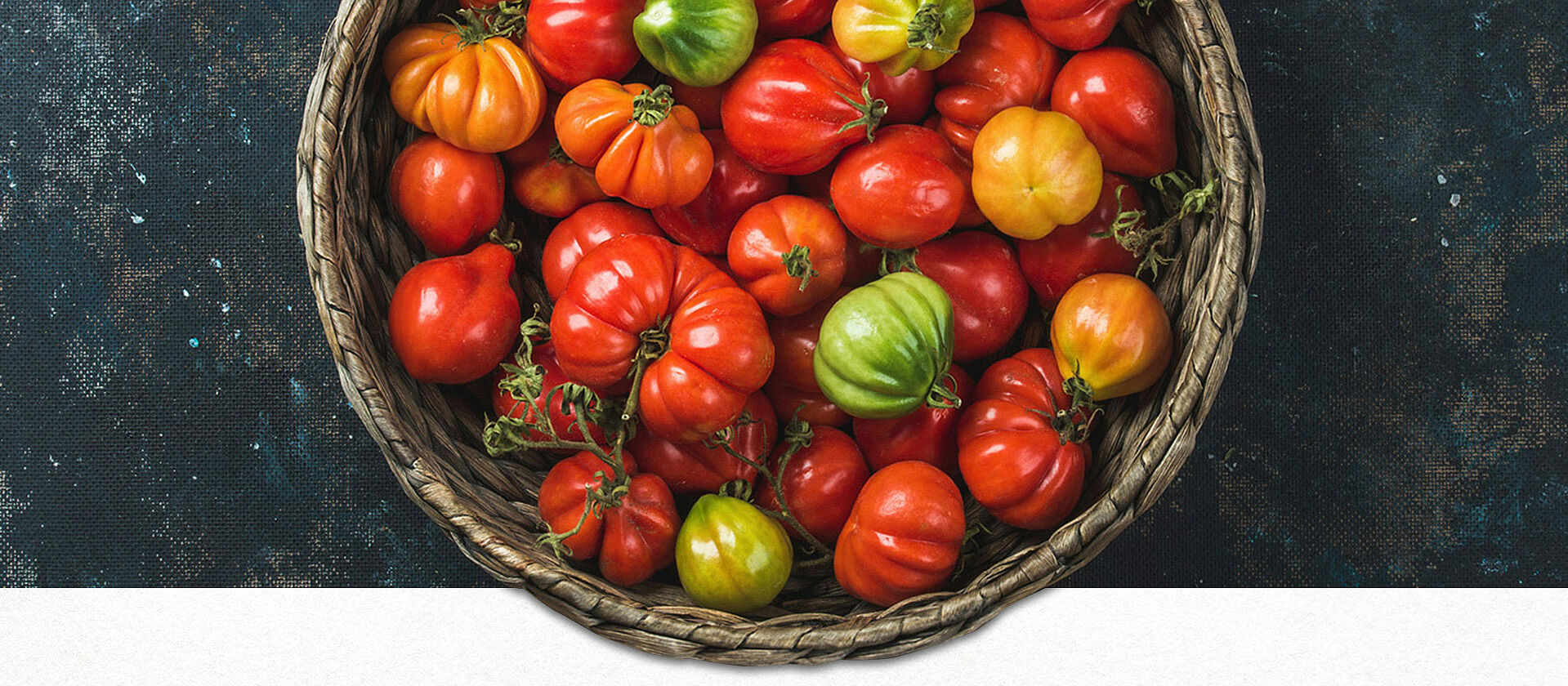
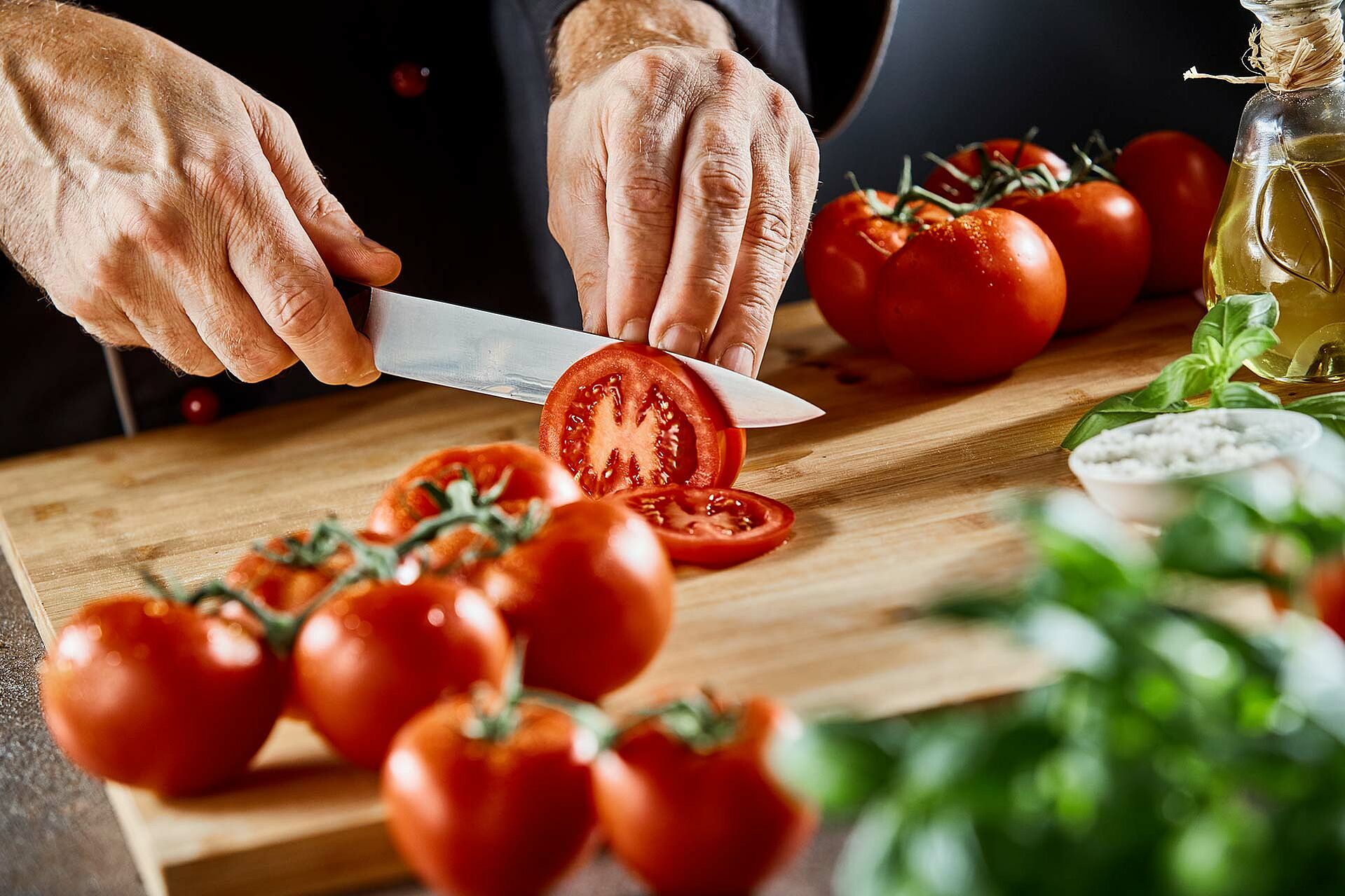
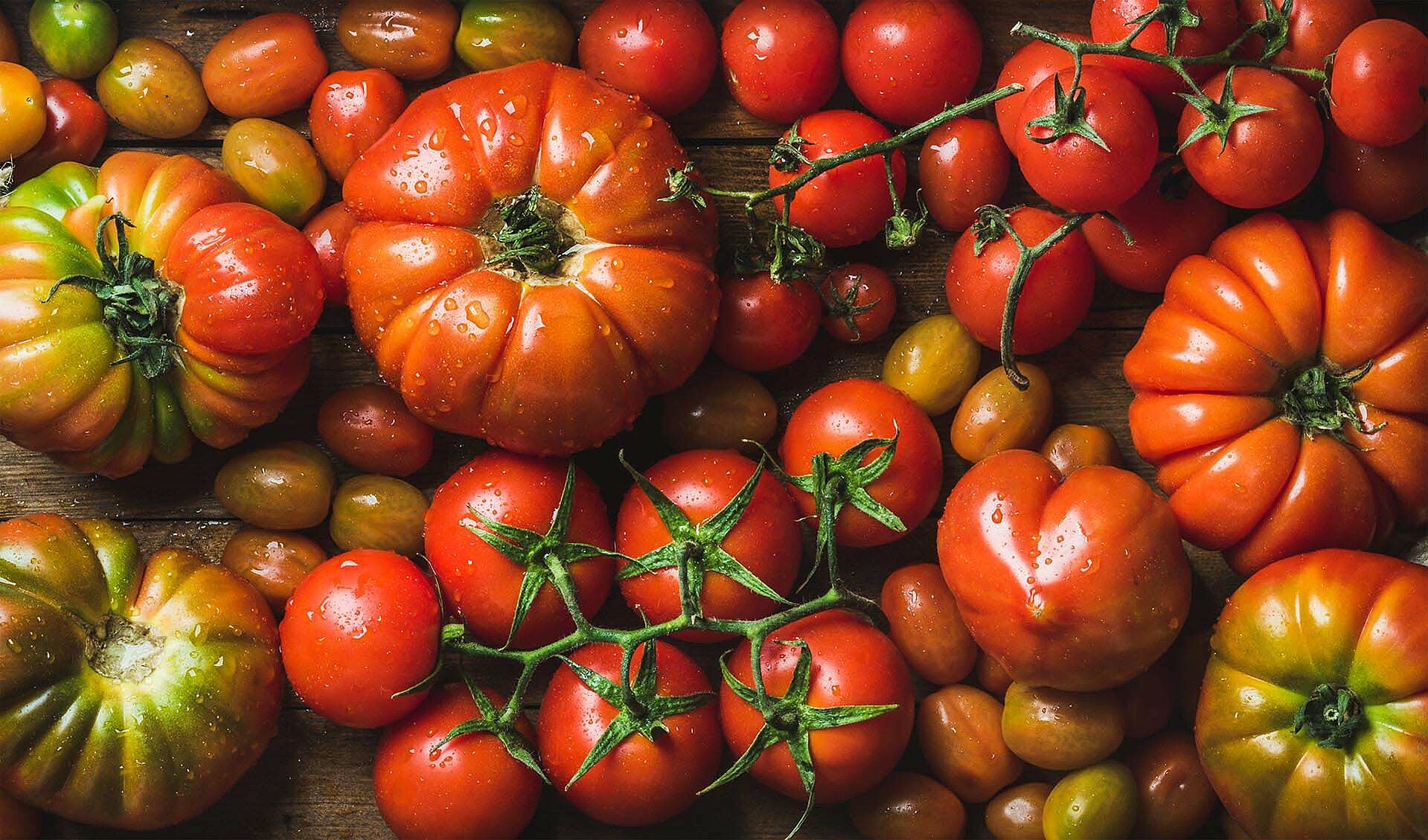
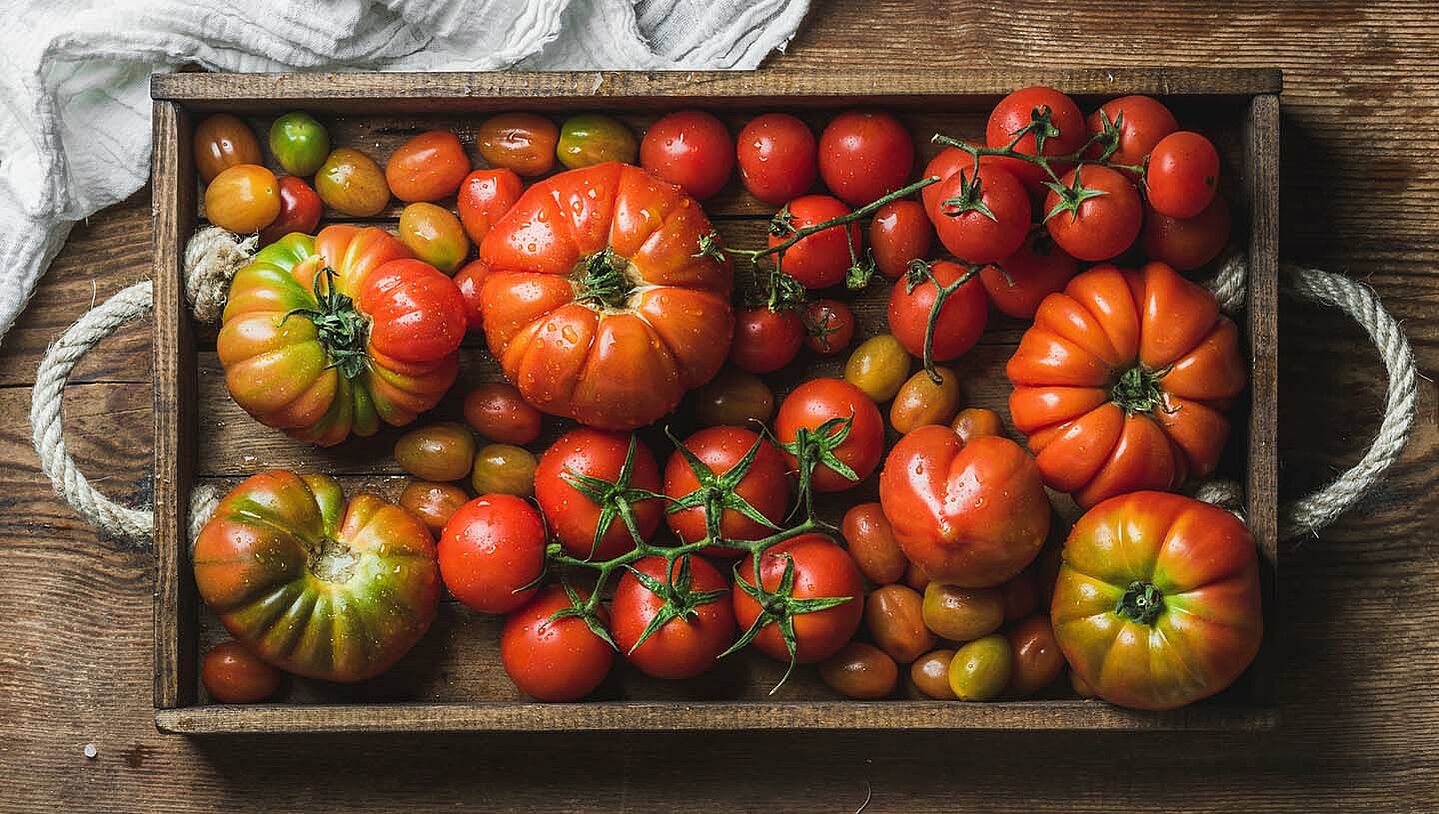
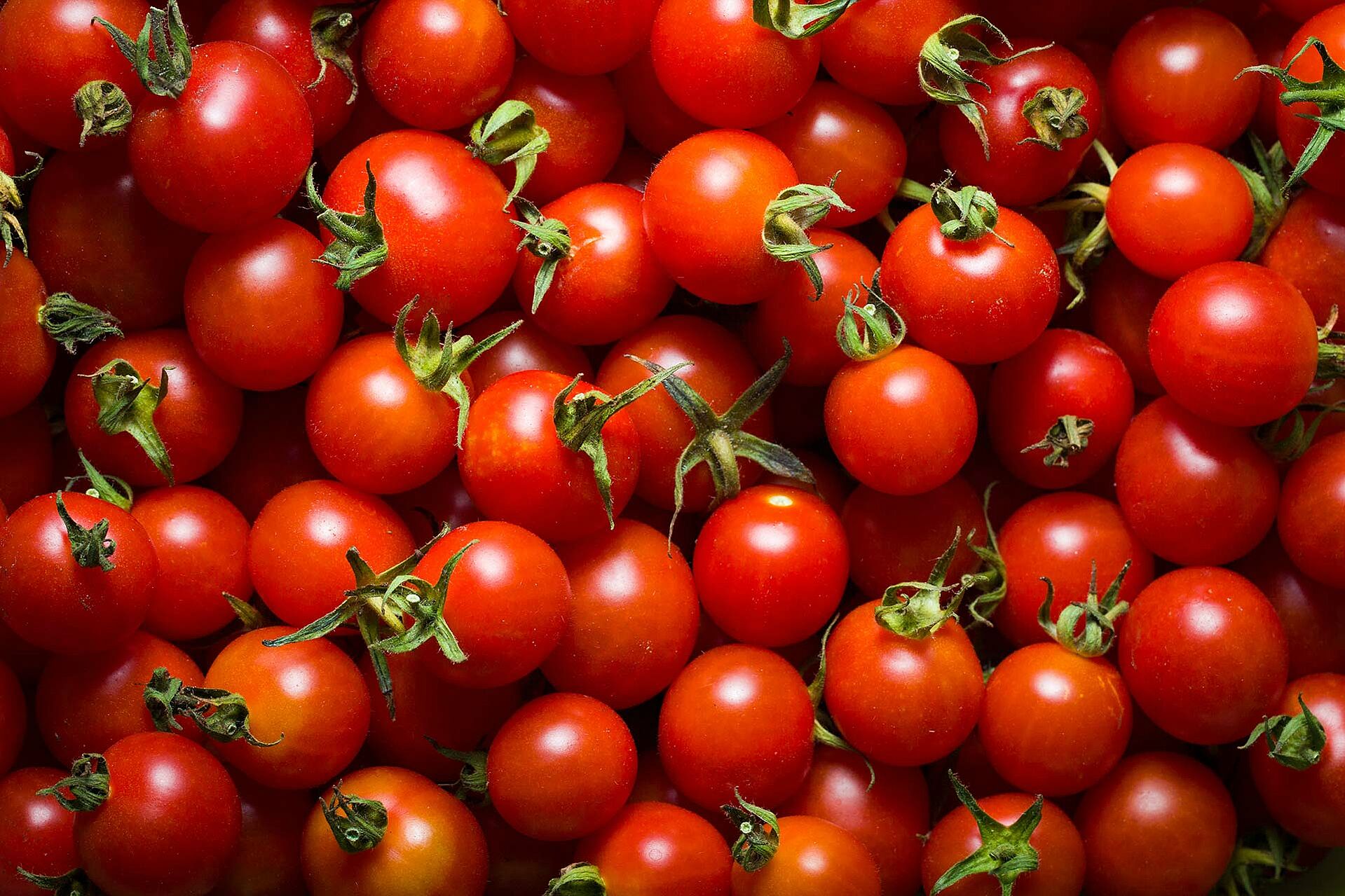
You can easily tell if red tomatoes are ripe and fresh by their color: If the skin is uniformly red with no green spots, the tomato is ripe. But be careful: If the red color is completely uniform, the tomato was probably harvested too early and then sprayed with a so-called ripening gas. Small “color variations” are therefore more likely a sign of good flavor.
The tomato skin should also give slightly when pressed gently with your finger—in other words, it should be neither hard nor mushy. When buying tomatoes, be sure to check that the skin is undamaged. Small cracks and bruises are okay if you plan to use the tomatoes right away.
Pay attention to the leaves and stems—or the packaging
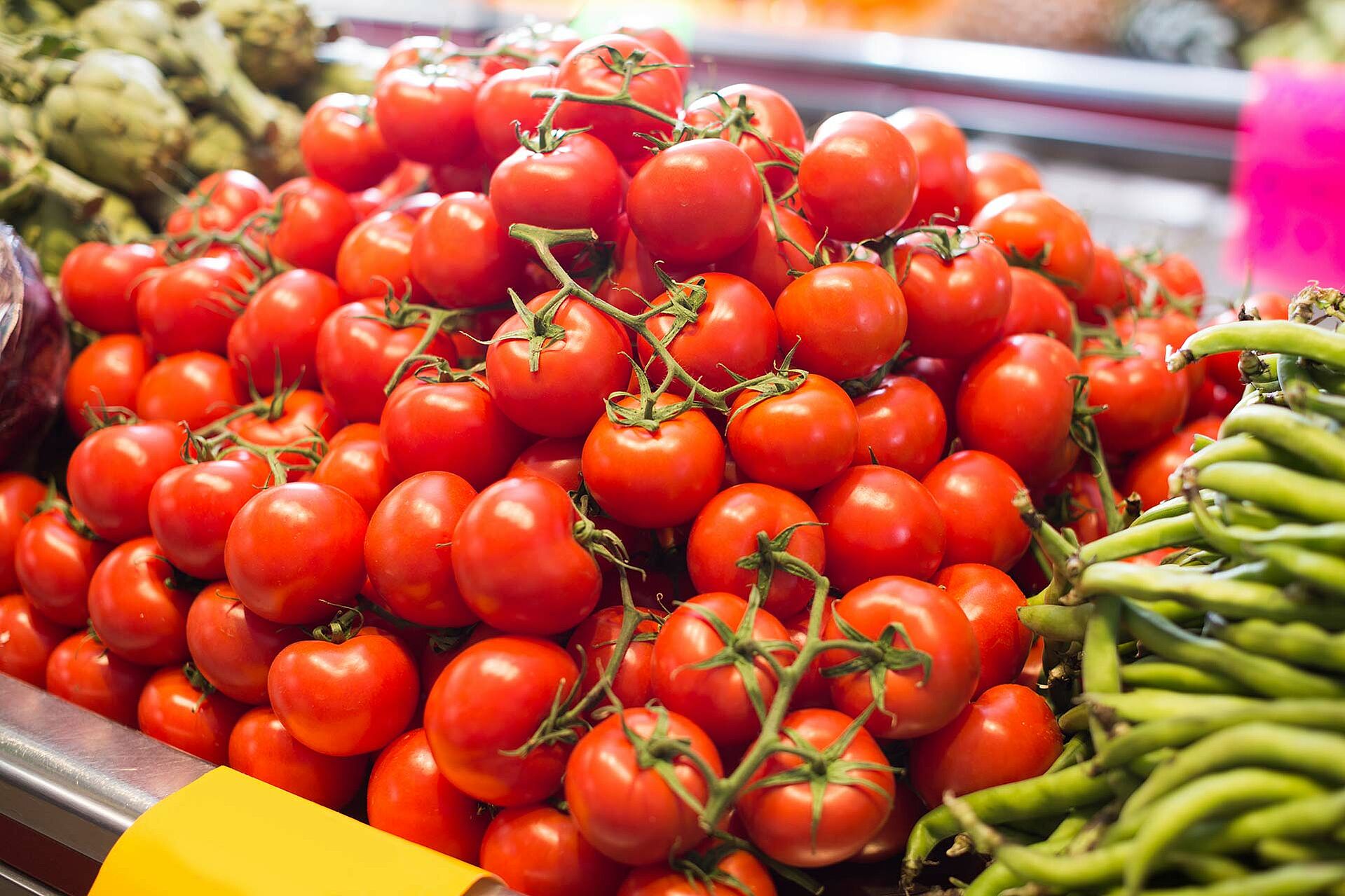
Many tomatoes still have leaves and stems attached to the fruit (cluster tomatoes). If both are still green and not wilted, the tomato is usually fresh. If you can pull the tomato off the stem without much resistance, it’s ripe. If you have to pull hard, it’s not ripe yet. And if the tomato almost falls off on its own, it’s overripe.
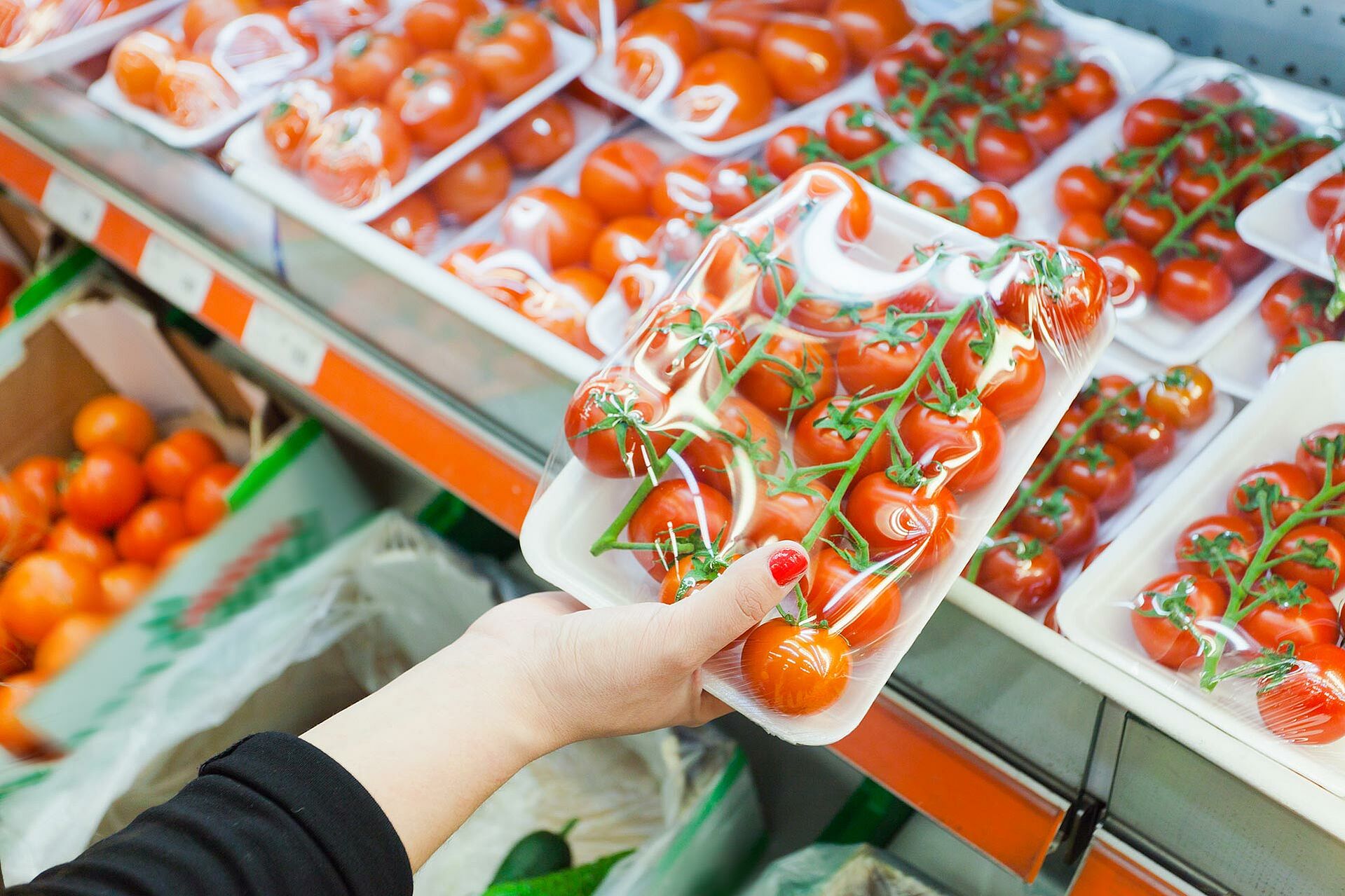
At the supermarket, tomatoes are often sold in plastic trays and wrappers. You can also tell how fresh they are by this: If a lot of moisture has accumulated on the inside of the packaging, it’s a sign that the tomato has been sitting on the shelf for a while.
Storing Tomatoes Properly
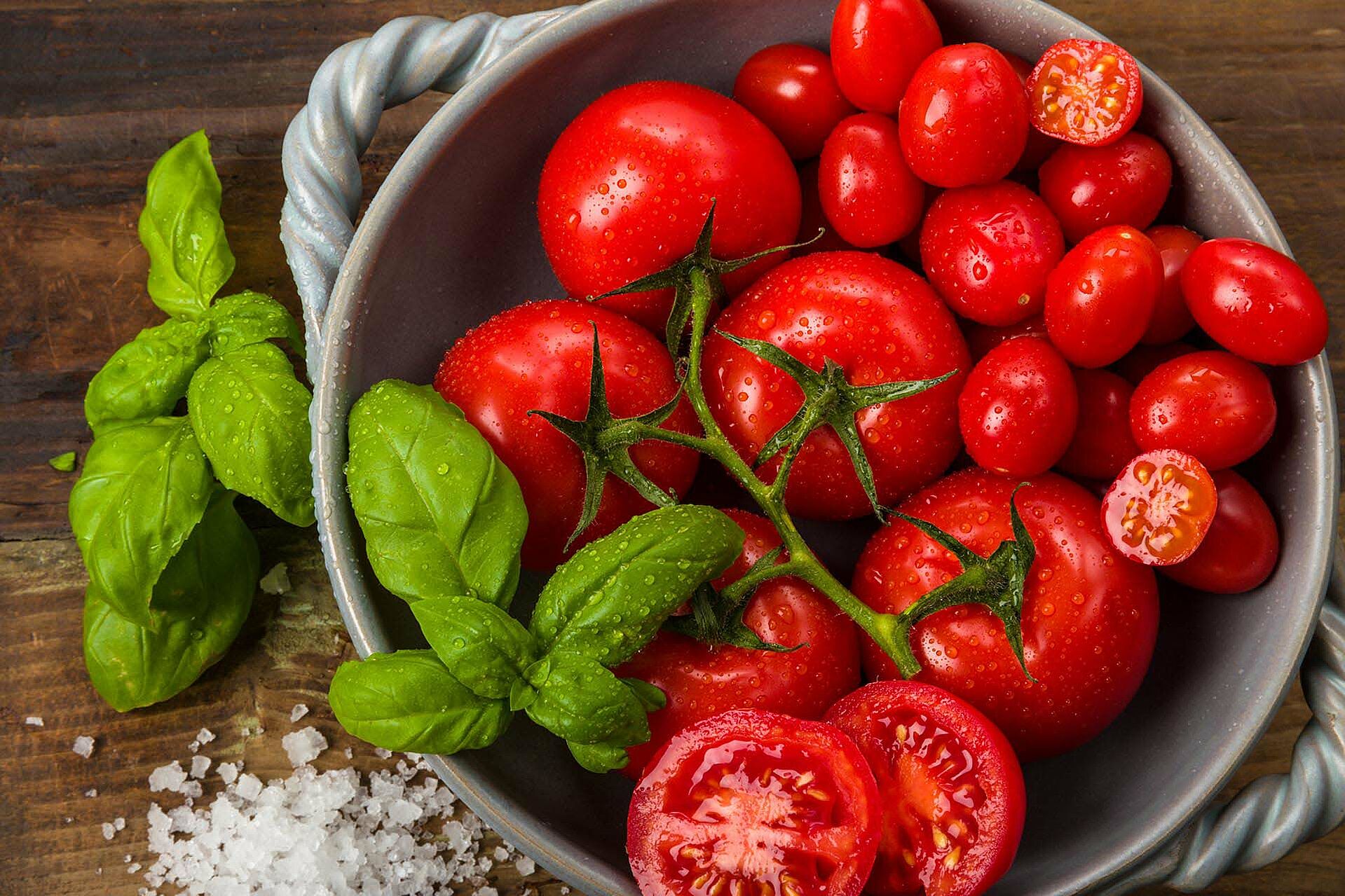
Fresh tomatoes don’t belong in the refrigerator. You should store them at room temperature, away from direct light, so they can develop their full flavor. Tomatoes that aren’t quite ripe yet can handle a little sun so they can continue to ripen
The Best Tomato Season for Flavor
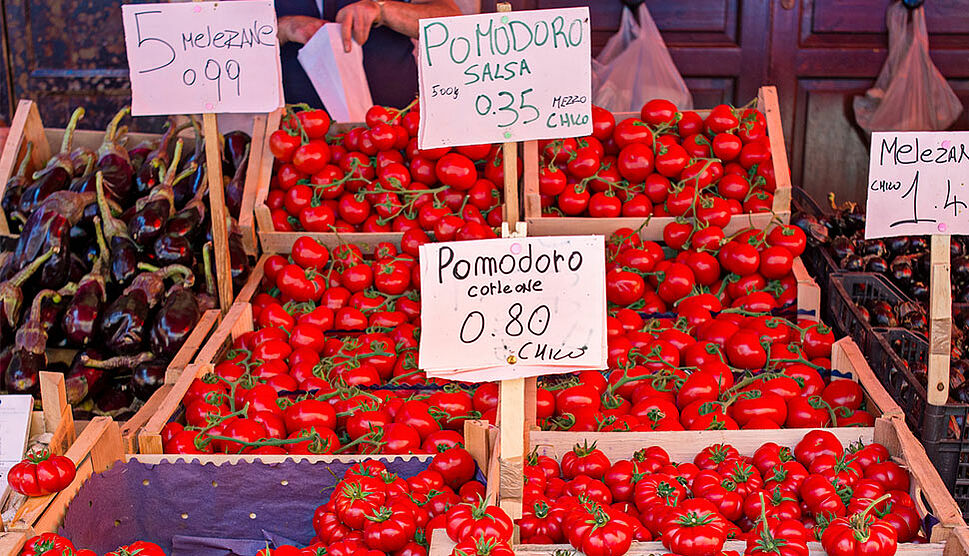
As with all fruits and vegetables, the same applies to tomatoes: they taste best when they’re in season. Tomato season in Germany runs from about July to September. In Italy, the climatic and geographic conditions for growing tomatoes are significantly better. That’s why the season starts a little earlier and lasts longer.
Outside of the season, fresh tomatoes usually come from greenhouses. They’re harvested very early and have traveled a long way. However, these factors often have a negative impact on their flavor. A much more flavorful alternative is tomatoes in cans, bottles, or pouches. That’s because these tomatoes are harvested and processed when fully ripe during tomato season—exactly when they taste best. In addition, the tomato varieties used for processing are usually softer, more aromatic, and better suited for cooking. Interestingly, it’s primarily processed tomatoes that bring the full tomato flavor to your plate—all year round, regardless of whether it’s tomato season or not.
If you want to be absolutely sure that a fresh tomato tastes good:
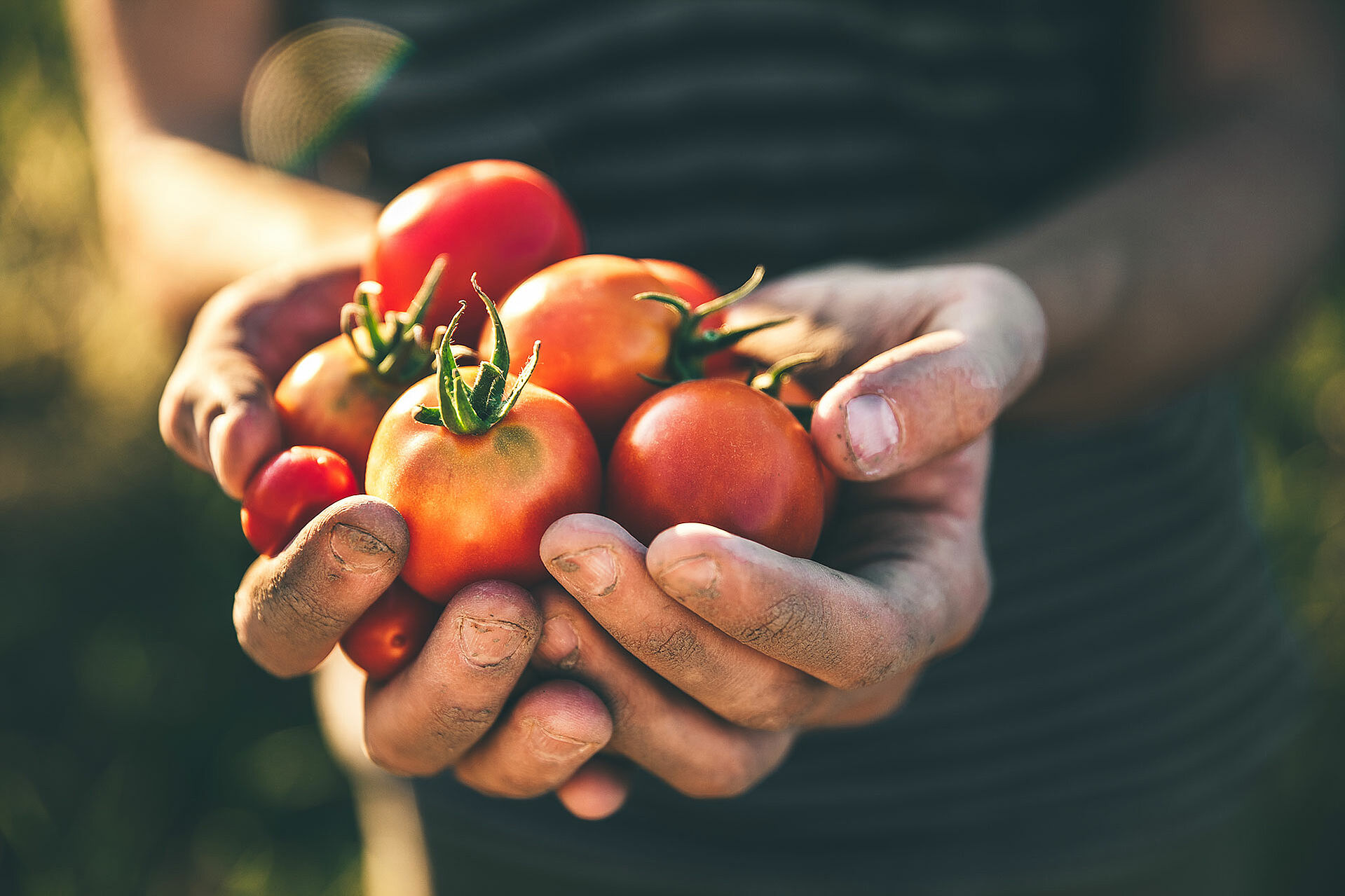
Head to the farmers’ market or a specialty store. A good produce vendor will be happy to cut open a tomato and let you taste it.

Fresh tomatoes are better for salads
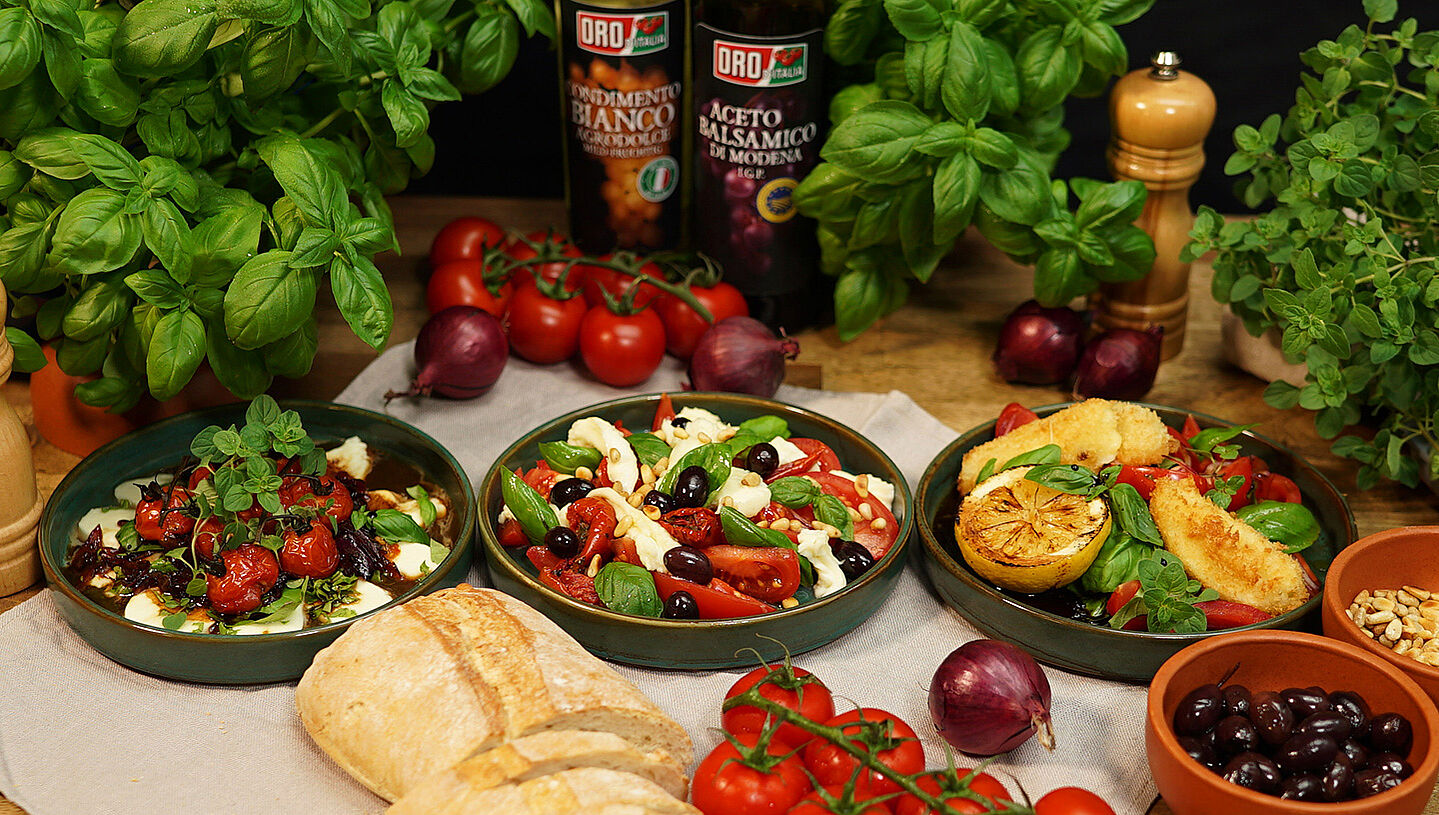
Most fresh tomatoes you can buy in Germany have a firm texture. That’s why they’re better suited for tomato salad and raw vegetable dishes. However, these tomato varieties have a less intense flavor. For cooking—such as making sauces or using as a pizza topping—aromatic, processed tomatoes from a can or tube are generally a better choice.