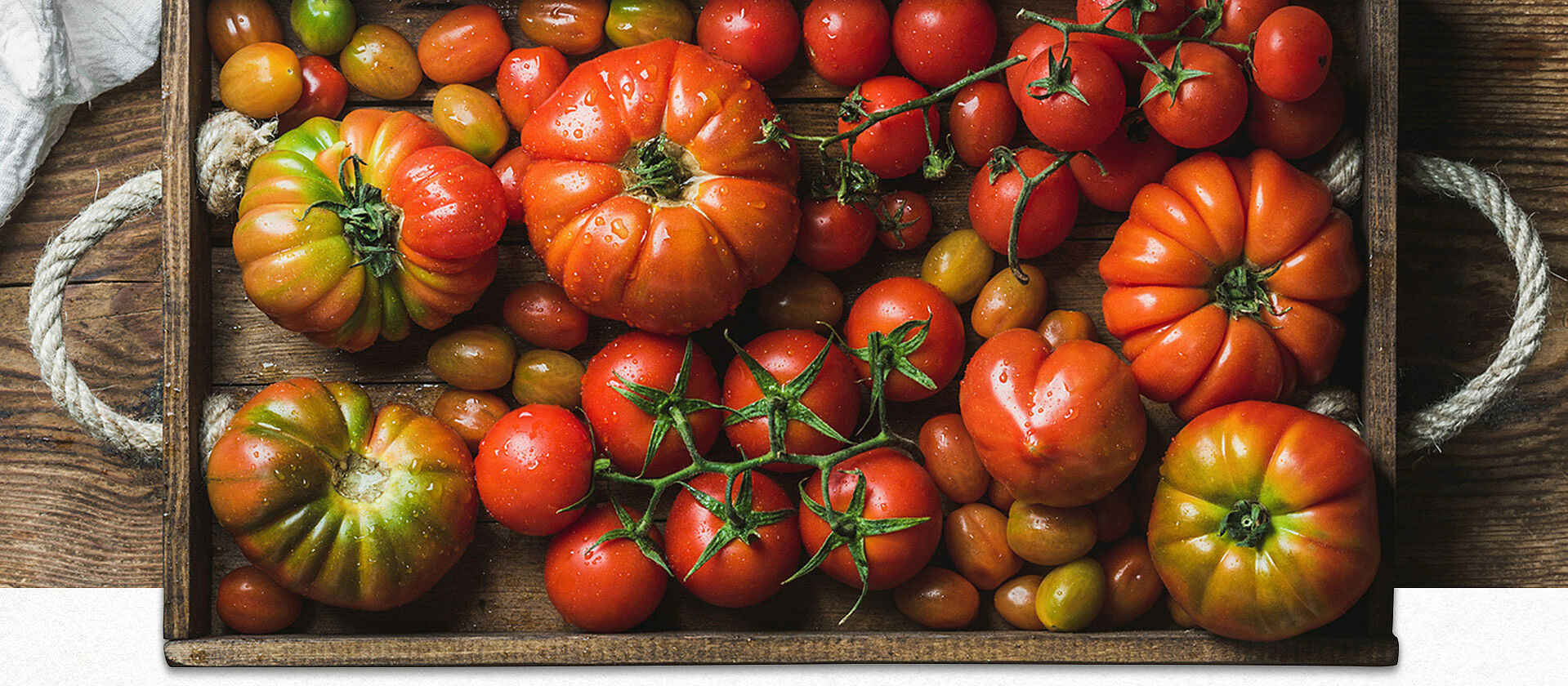
5 Tomato Varieties You Should Know
Tomatoes are a staple ingredient in Italian cuisine. Here, we’ll show you a few varieties—and tell you what they taste like:
There are nearly 4,000 tomato varieties listed in the official variety registry. But experts estimate that there are an additional 10,000 or so varieties cultivated by private growers. Don’t worry—you don’t have to know them all. But if you want to cook authentic Italian food, it’s helpful to know a few varieties that are particularly common either in Italian cuisine or in Germany—and sometimes both.
By the way: You should only use fresh tomatoes for cooking during tomato season, because that’s the only time they really taste good. Learn more about tomato season and ripe tomatoes here. Outside of the short tomato season, processed tomatoes are the better choice, since they’re always harvested when ripe and bottled right away—just like in ORO di Parma’s sustainable production process. That way, you can enjoy tomatoes that taste as fresh as if they were just picked all year round.
WHAT INTERESTS YOU IN PARTICULAR?
Cherry tomatoes, cocktail tomatoes, or pomodorini


1. Cherry tomatoes, cocktail tomatoes, or pomodorini
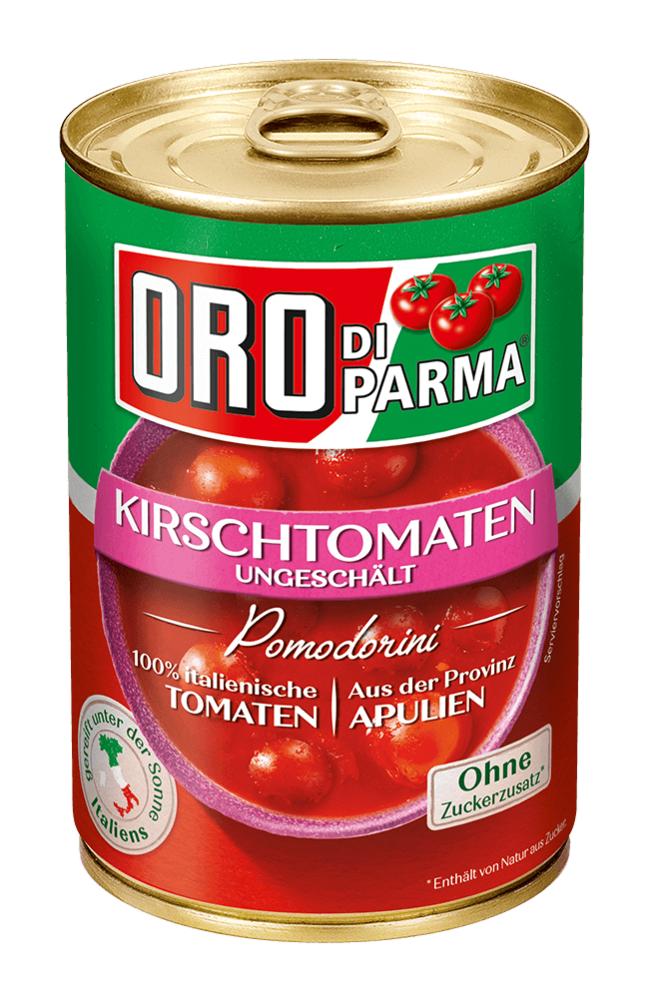
Round cherry tomatoes are among the most popular tomato varieties in Germany. They are smaller and usually much sweeter than conventional tomatoes. This is mainly because they contain little water and a relatively high amount of fructose. In addition, their skin is usually quite firm. Cherry tomatoes are perfect for small snacks and salads, but they’re also great as a topping for pizza.
2. Date tomatoes or Datterini
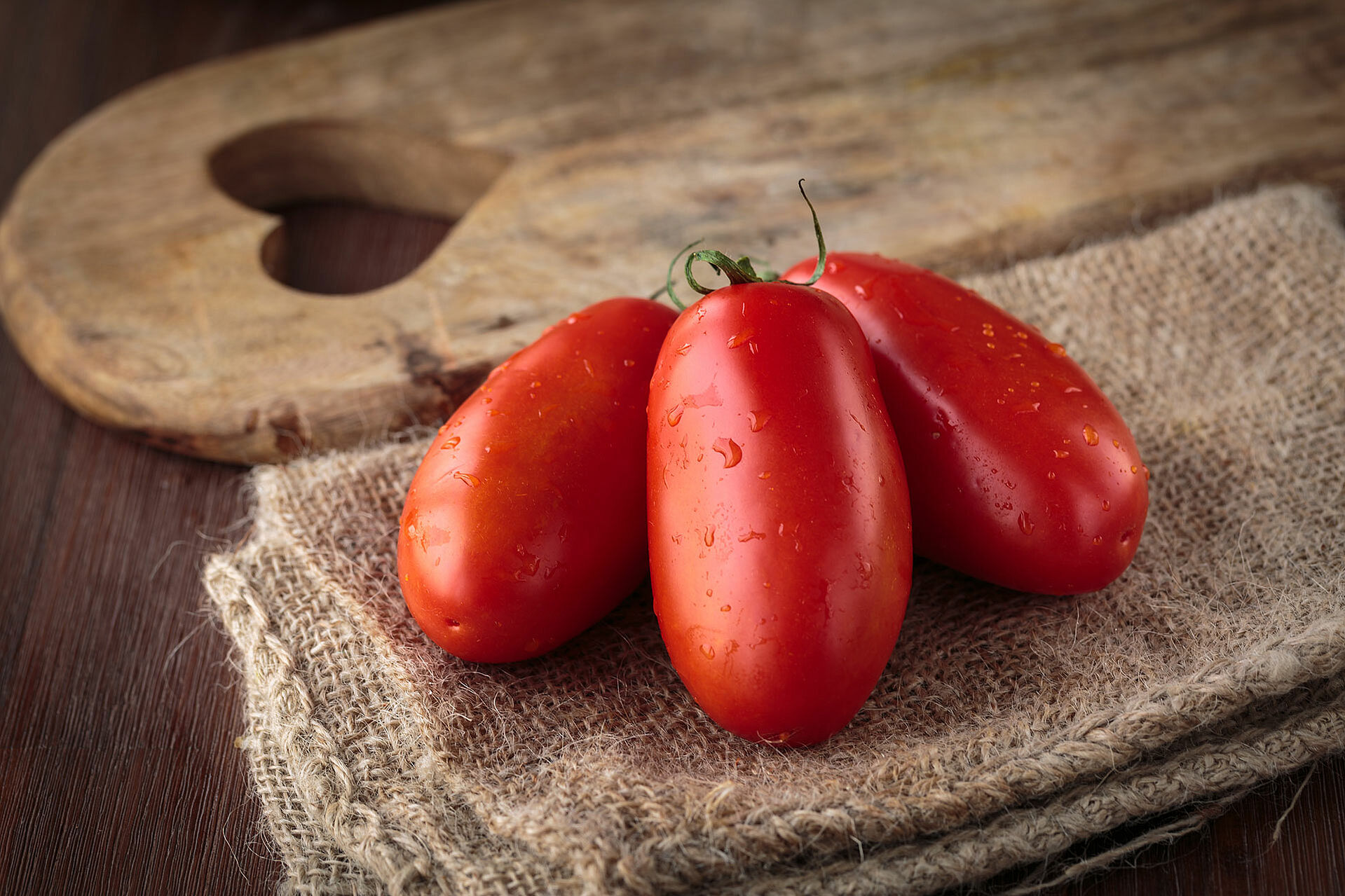
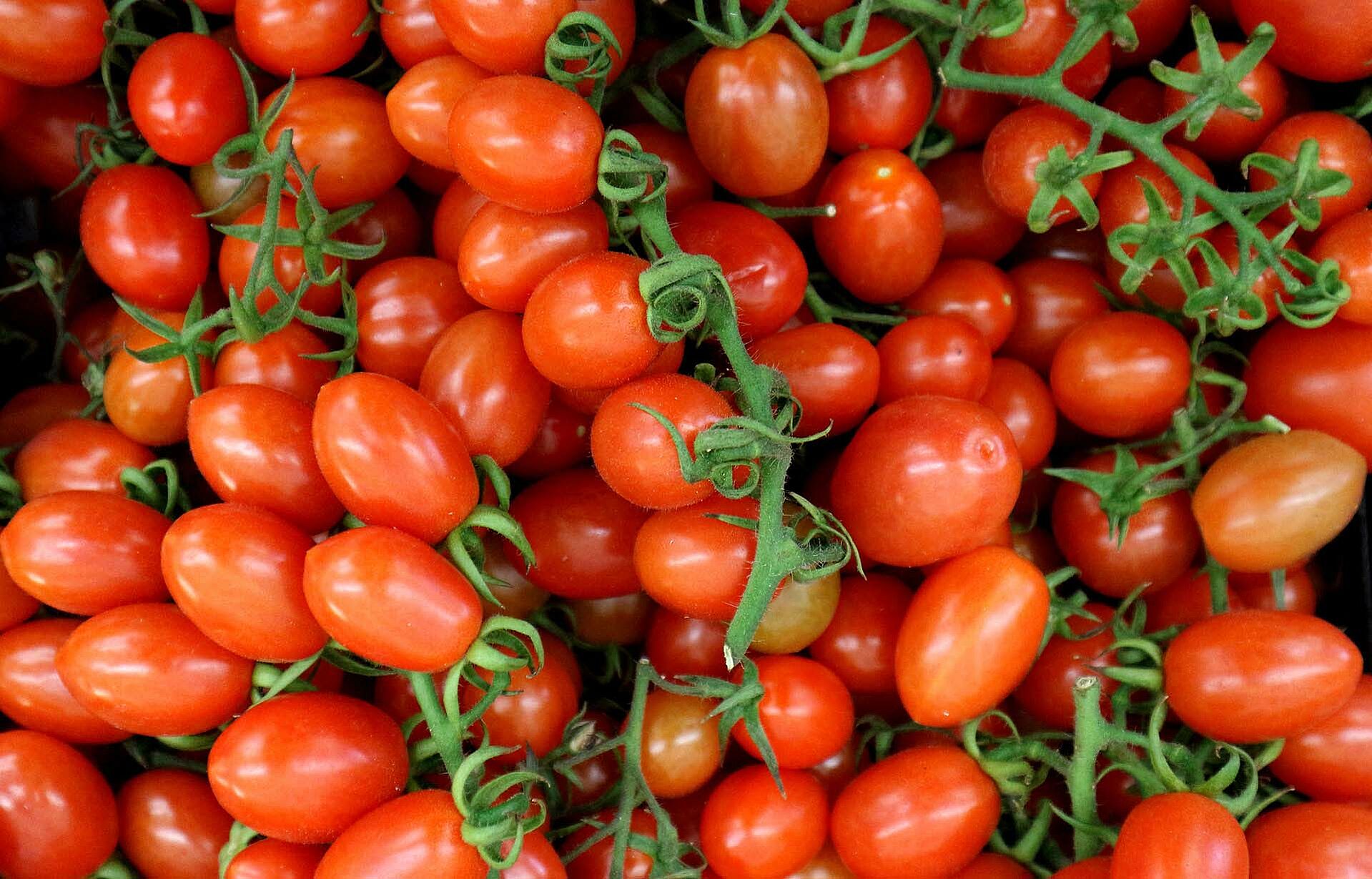
Date tomatoes, like cherry tomatoes, are a type of small tomato. They are elongated in shape—resembling dates or plums. Their bright red color is a distinctive feature. They have plenty of flesh and taste slightly sweet. A distinctive feature of the date tomato is its thin skin, which breaks down easily when cooked: this makes it particularly well-suited for quick dishes and tomato sauces. Datterini tomatoes originally come from Sicily. Today, however, they are also grown in other regions of Italy.
3. Beefsteak tomatoes
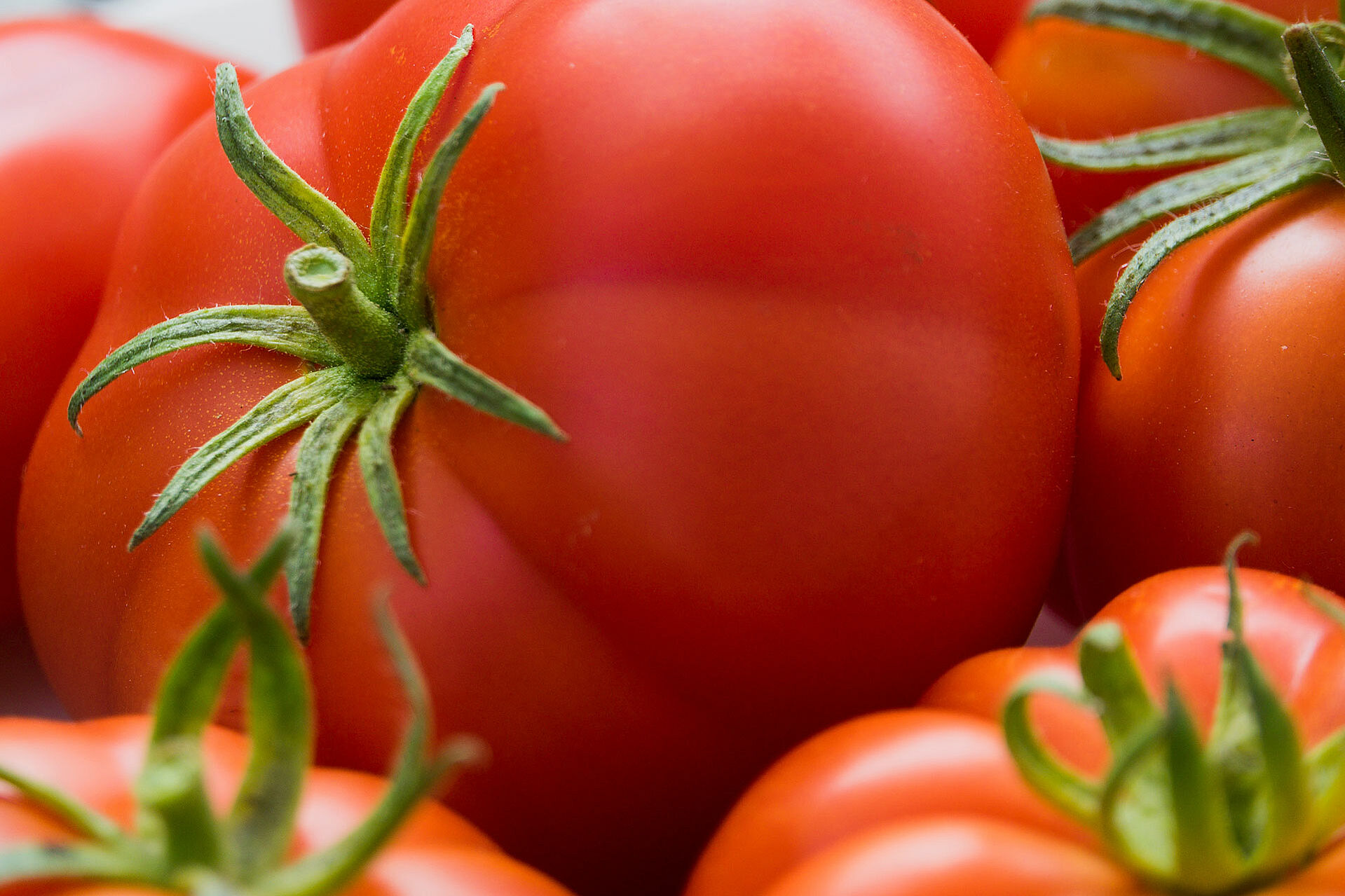
Beefsteak tomatoes are the heavyweights among tomato varieties: Each fruit weighs at least 150 g and has a diameter of at least 10 cm. Some fruits even weigh over 1 kg—though that’s the exception. Beefsteak tomatoes have a very long ripening period, which is why they have such a rich, aromatic flavor. They’re also very versatile. In Mediterranean tomato-growing countries like Italy and Spain, beefsteak tomatoes are therefore grown and sold very frequently.
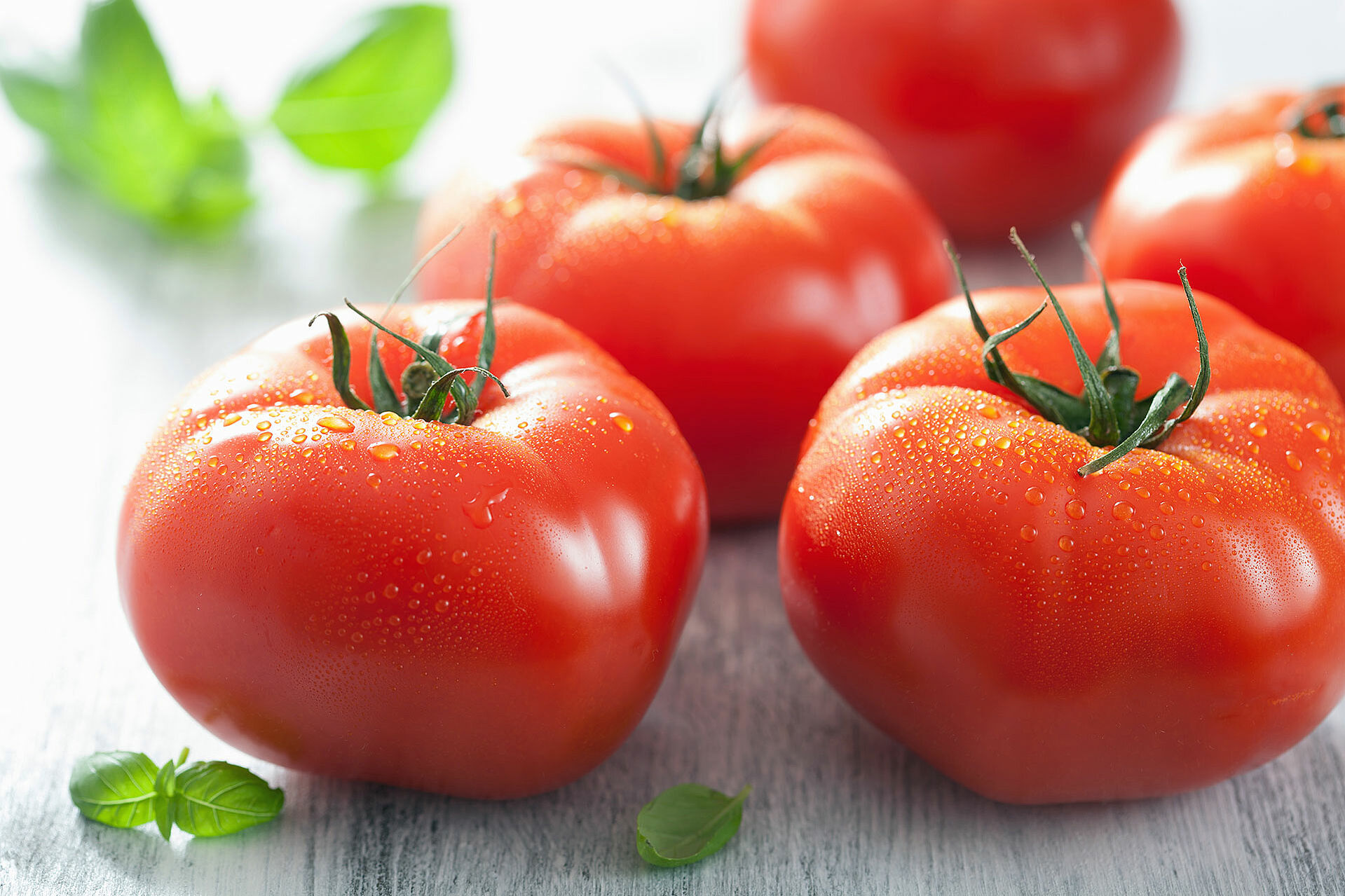
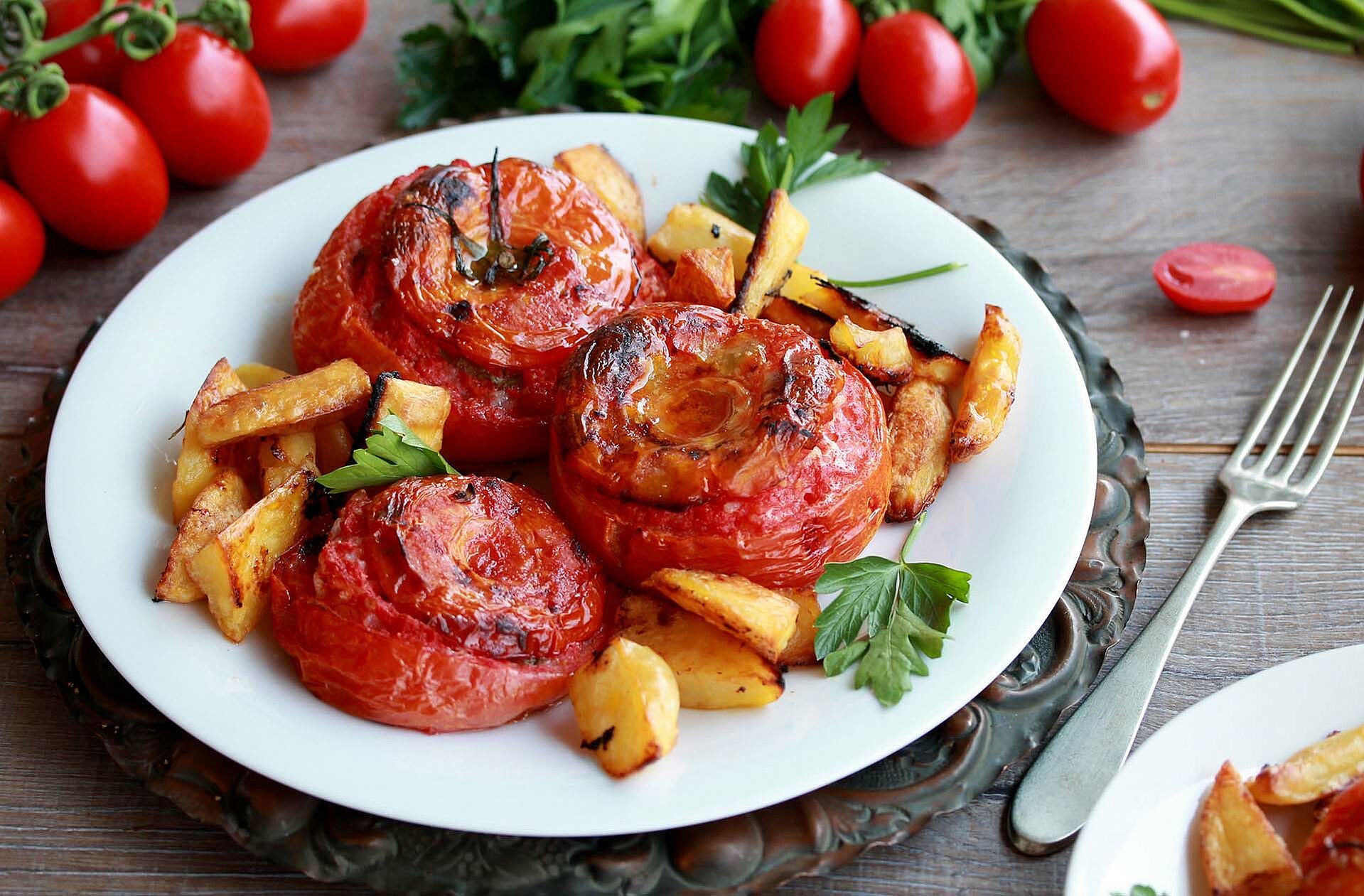
Oxheart tomatoes: cuore di bue
The oxheart tomato is a special type of beefsteak tomato. It is very large and weighs up to 500 g. It is characterized by its firm flesh and few seeds. This tomato gets its name from its shape: the fruit is deeply lobed and resembles an oxheart. The fruits are very delicate and do not keep well. For this reason, fresh oxheart tomatoes are not widely available in Germany, as they would either lose their characteristic flavor if harvested too early or could be damaged during transport.
4. Bottle tomatoes or cherry tomatoes
Bottle tomatoes are traditionally grown in the Mediterranean region. They have an elongated—bottle-like—shape and particularly thick flesh. When fully ripe, the flesh is dark red. Bottle tomatoes contain little juice and have slightly sweet flavor notes that really come out when cooked. That’s why they’re very often processed into tomato paste and canned tomatoes.
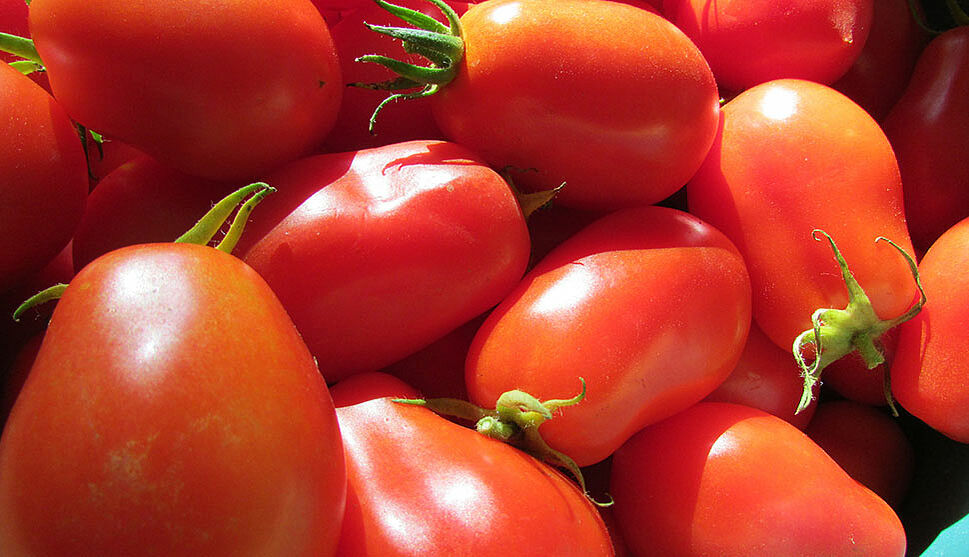
San Marzano Tomatoes
San Marzano is a special plum tomato from the Campania region. Its name comes from the Italian town of San Marzano sul Sarno, with a population of 10,500, located near Mount Vesuvius. These tomatoes may only be grown here—in the fertile volcanic soil. Their protected designation of origin is “Pomodoro San Marzano dell’Agro Sarnese Nocerino DOP.” San Marzano tomatoes are elongated, up to 12 cm long, and weigh up to 90 g. A characteristic feature is the small point at the bottom. San Marzano tomatoes have thick, almost bell-pepper-like flesh and few seeds. They have a very intense flavor and low acidity. Because production is very labor-intensive—the tomatoes are harvested by hand, for example—and yields are low, San Marzano tomatoes are among the most expensive tomatoes of all.
5. Vine tomatoes
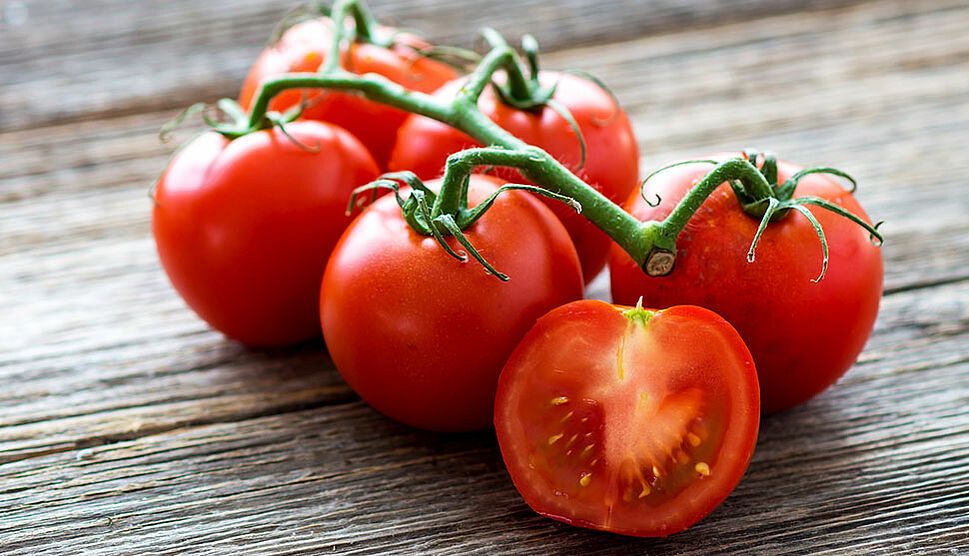
Vine tomatoes have a particularly robust flavor and are ideal for tomato salad. By the way, “rispen” refers to the small green stems on the tomato. In recent years, they have become increasingly popular, especially in Germany. Cluster tomatoes are not a separate tomato variety; rather, the term refers to the way these tomatoes are harvested and sold. A quick explanation: Normally, tomatoes ripen on the plant from top to bottom—and not always at the same time. Because tomatoes ready for harvest can burst or fall off quickly and then become mushy, they’re usually picked one by one. With vine tomatoes, it’s different: they remain on the vine longer, even when ripe. Farmers can then wait to harvest until all the fruits are ripe. These tomatoes are usually sold still attached to the vine.