In this kitchen secret, we’ll share a simple method for drying your Italian herbs—so you can use them all year round.
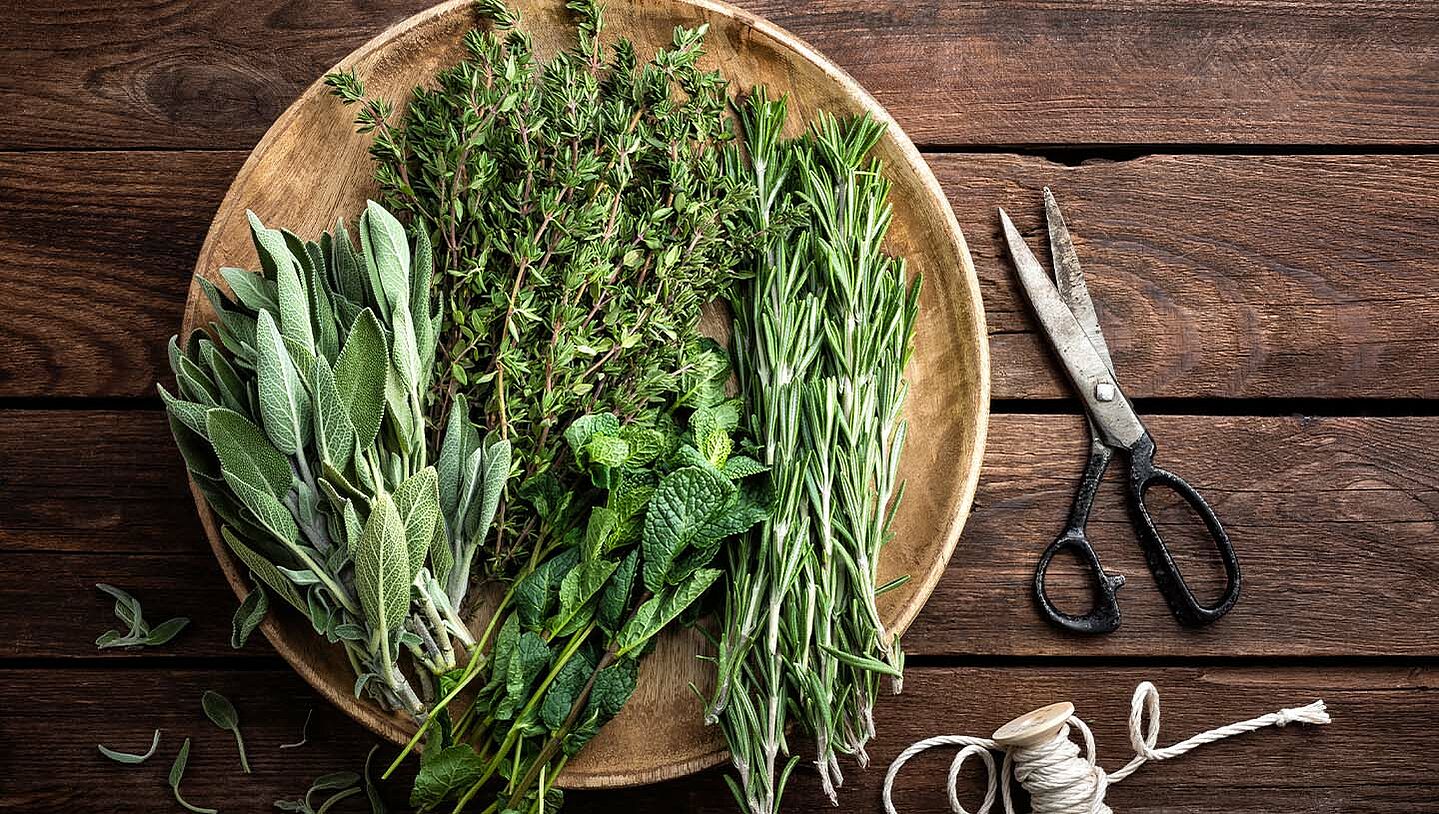
Traditional Italian herbs give authentic Italian cuisine its distinctive flavor: basil, rosemary, thyme, oregano, and sage, in particular, are key ingredients in most Italian dishes. Fresh—and homegrown—herbs work especially well. But they aren’t always in season. And sometimes the harvest is especially bountiful. So if you have more herbs than you can use fresh, please don’t throw any of them away. By drying them, you can preserve most herbs—and use them wonderfully in your Italian dishes even when they’re out of season. Oregano actually has an even more intense flavor when dried—ideal, for example, for your homemade pizza or stuffed rice balls.
Here, we’ll show you step by step just how easy it is to dry herbs.
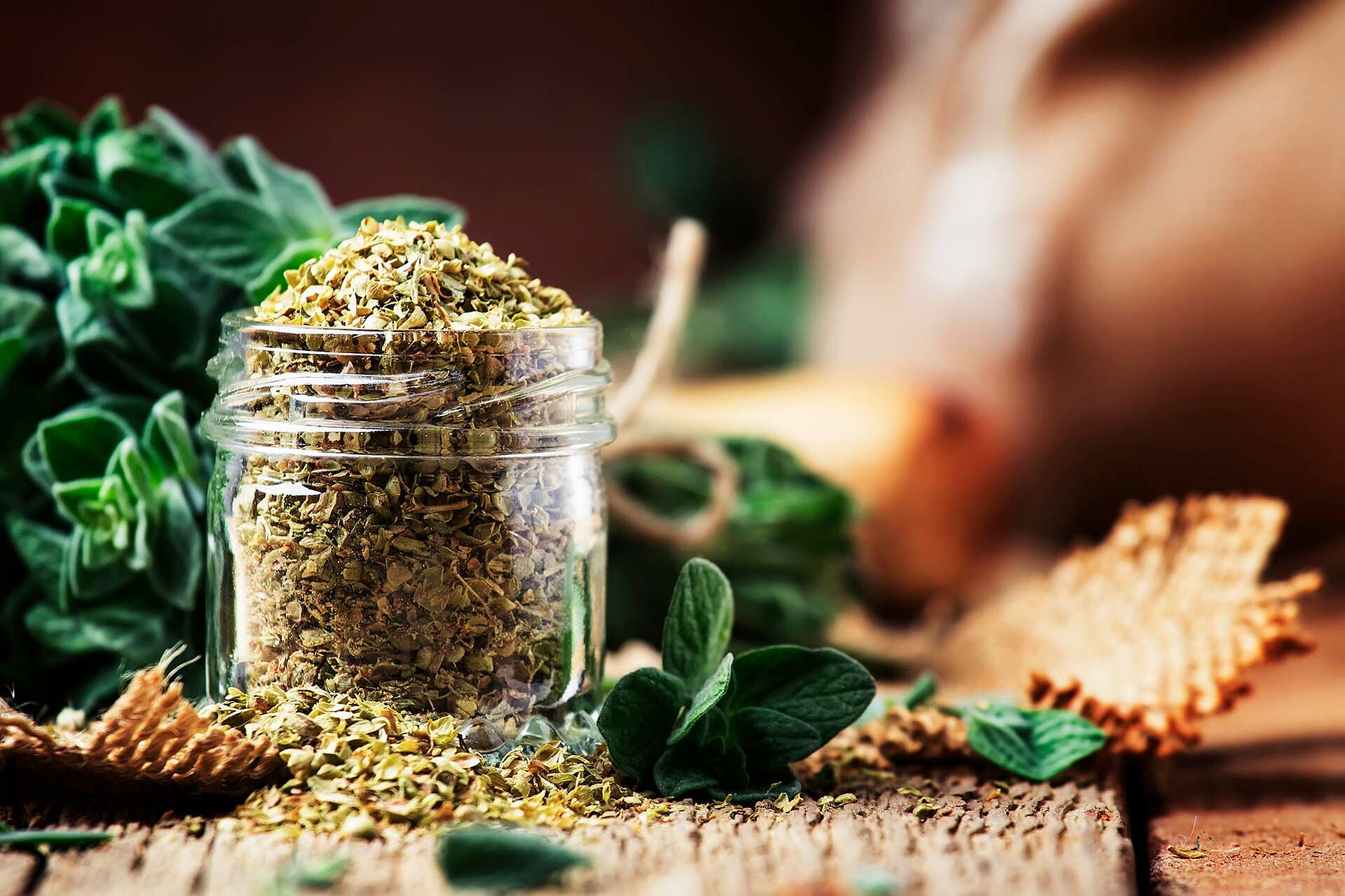
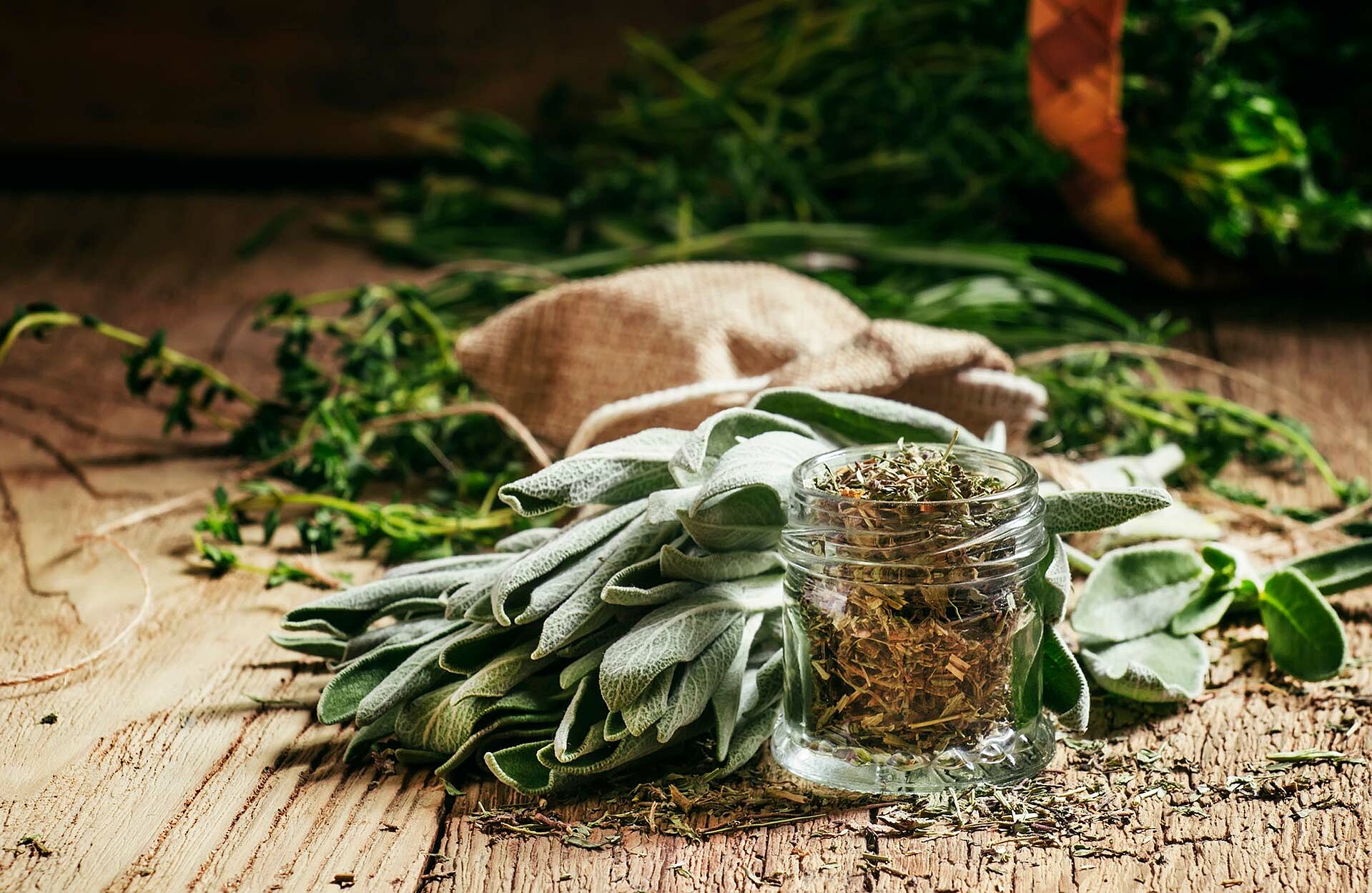
Harvesting Herbs at the Right Time
There’s a simple rule of thumb for knowing when to harvest: Harvest the herbs before they bloom—preferably just before they start to flower. This preserves the important flavors and essential oils in the leaves. If the herbs are already flowering, you can still dry them and use them in your kitchen. They’ll just have a less intense flavor.
Especially in warm southern Italy, many people swear by harvesting herbs in the morning. By then, the morning dew has dried from the leaves—and the sun isn’t beating down too strongly yet.
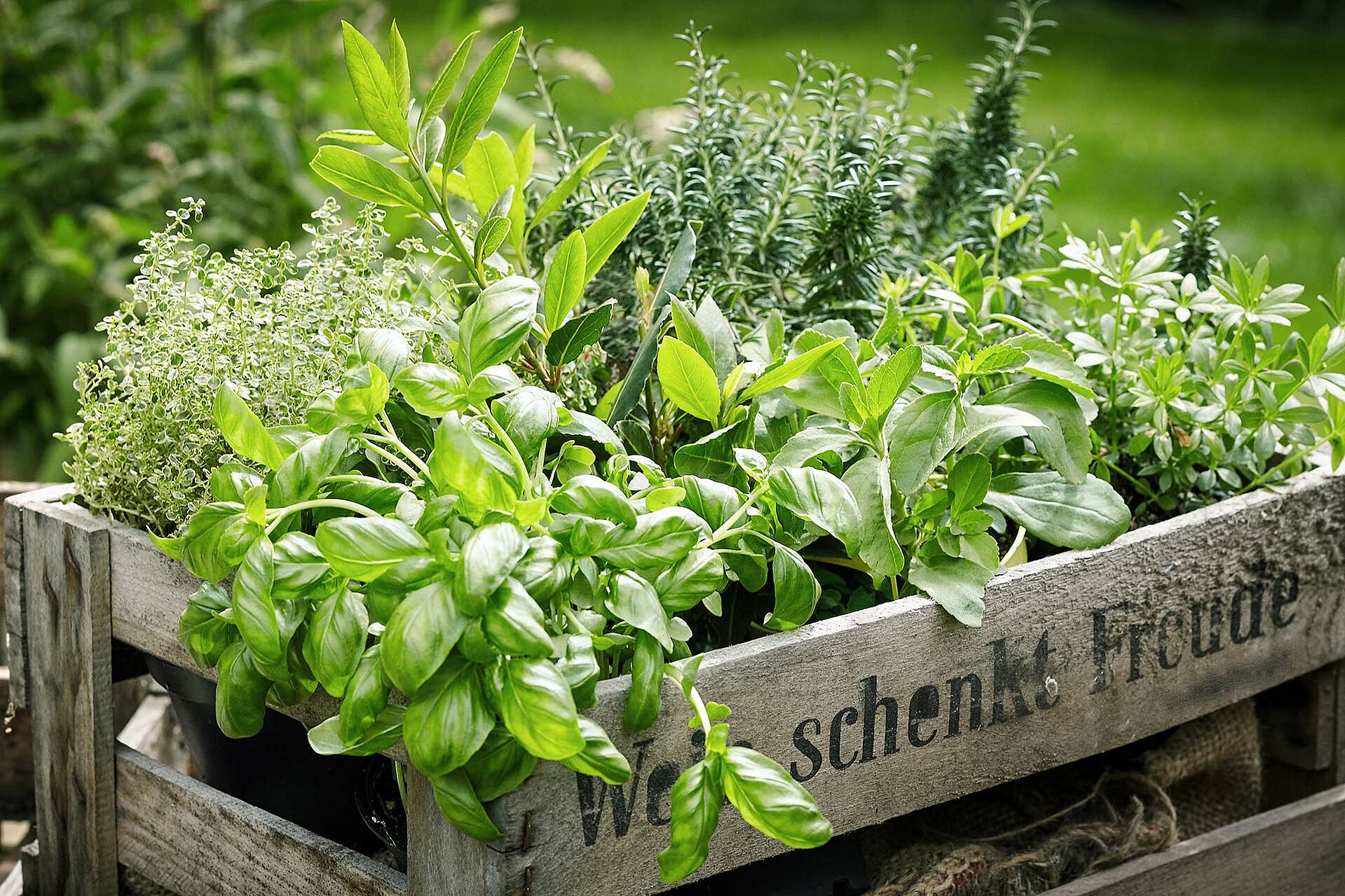
The approximate flowering periods of various herbs:
- Basil: starting in July
- Rosemary: Flowers can appear throughout the year
- Thyme: June through July; some types of thyme bloom as late as October
- Oregano: July through September
- Sage: May through July
Hang the herbs to dry
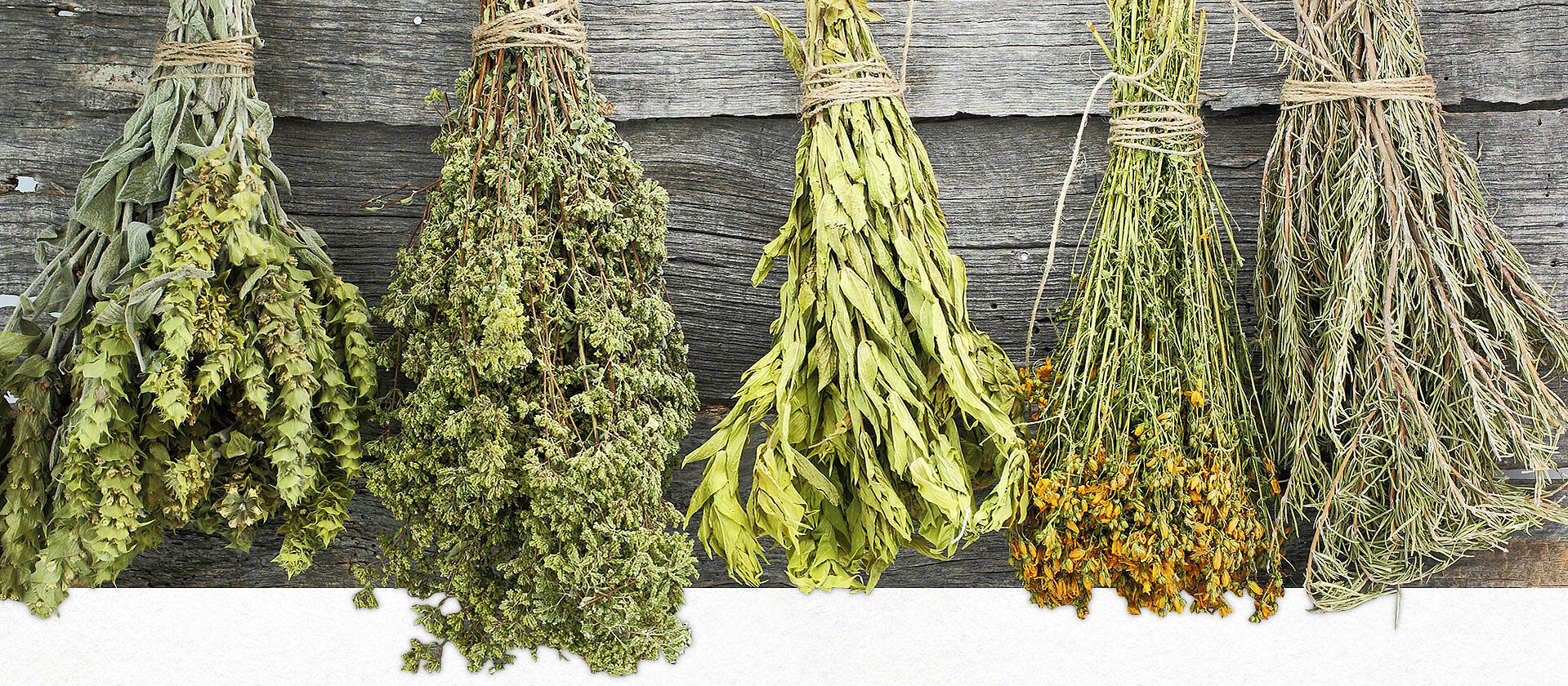
Air-drying herbs is particularly gentle, as it’s the best way to preserve their nutrients. First, cut the stems off the herbs and tie them into small bunches. Remove any wilted leaves first. Then hang the herb bunches upside down—preferably in dark, dry rooms. Make sure the room is well-ventilated.
Drying Herbs in the Oven
You can also dry your Italian herbs in the oven. This is much faster, but unfortunately, they lose some of their flavor this way. To do this, you should chop the herbs finely and spread them out on a baking sheet. Then dry the herbs for no more than 4 hours at the lowest oven temperature. Leave the oven door slightly ajar.
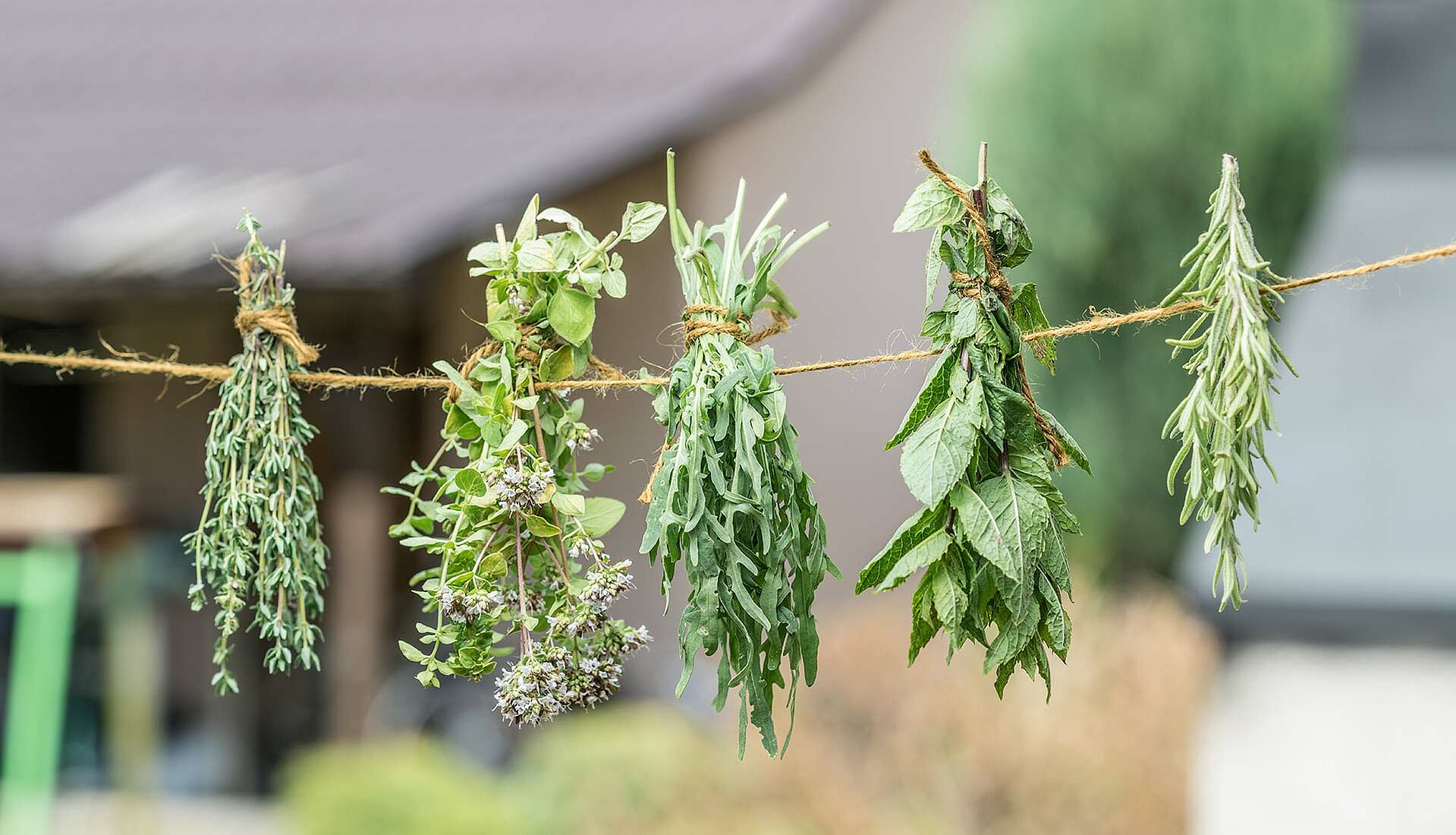
How long do the herbs need to dry?
Drying time varies depending on the herb. It also depends on the specific variety and the conditions under which they are dried. The more humid the location, the longer the drying time—and the better the air can circulate, the shorter it is.
Here are the average drying times for five common Italian culinary herbs:
Basil: 1–2 weeks
Rosemary: 2–3 weeks
Thyme: 1–4 weeks
Oregano: 4–7 days
Sage: 1–2 weeks
Here’s a simple trick to tell if your herbs are dry enough: If they rustle when you touch them, they’re dry enough. Otherwise, they need a little more time.

Where are the dried herbs stored?
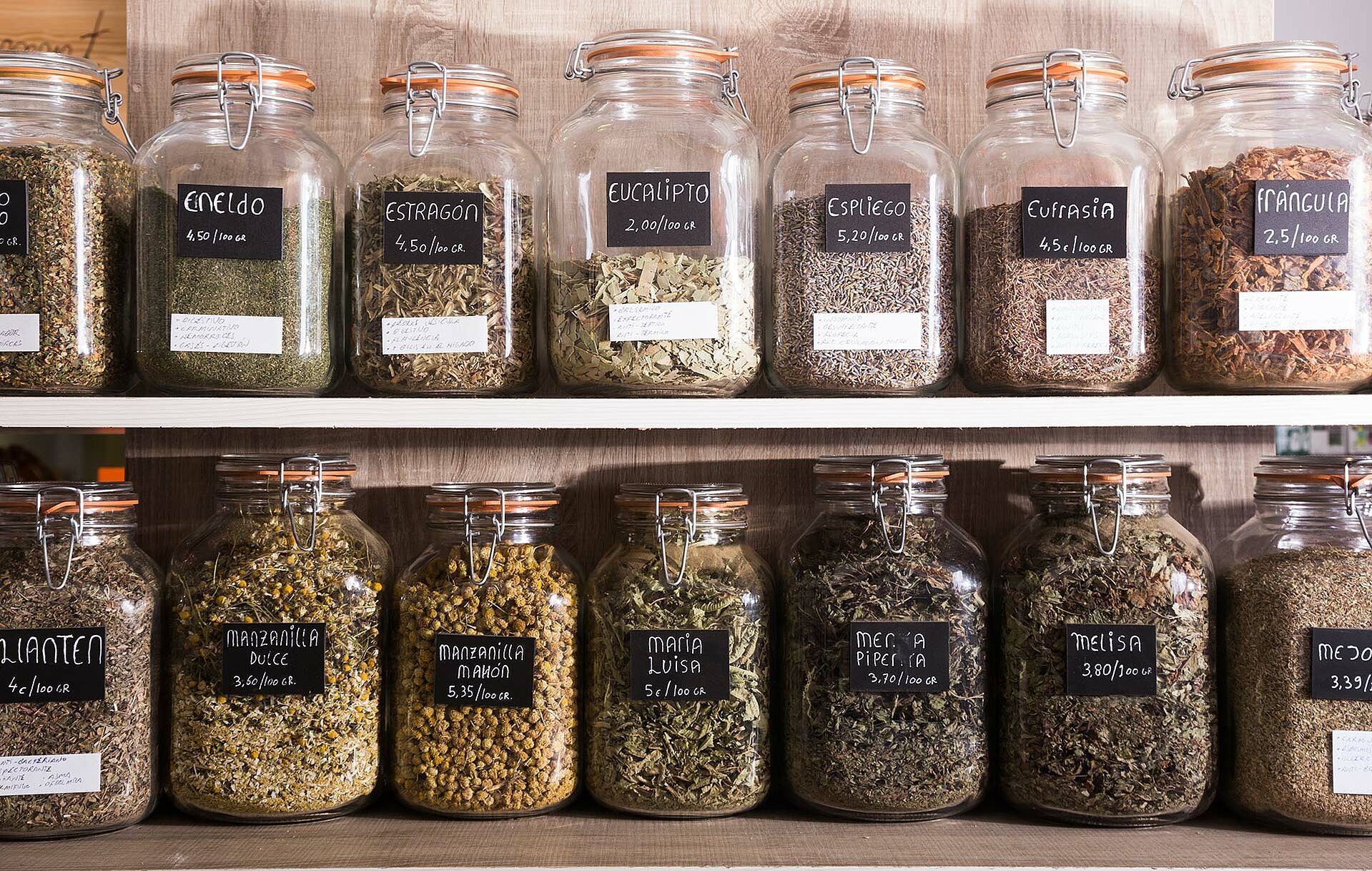
It's best to store dried herbs in an airtight container. You should also choose a place that's as dry and dark as possible.
By the way, this recipe for Italian-style rump steak calls for three of these herbs: rosemary, oregano, and
thyme.