The Italian Menu
How is an Italian meal typically structured, and what are its distinctive features?
An Italian meal traditionally consists of four courses. In this culinary secret, we’ll reveal the order in which you should serve your meal and which dishes are best suited for each course.
In everyday life, Italians usually divide their meals into two courses. Unlike the full four-course meal, only the primo piatto and secondo piatto are served. Did you know that Mediterranean cuisine has been recognized as part of the Intangible Cultural Heritage of Humanity since 2010? We think that’s one more reason to try an authentic Italian meal!
What do people eat as an appetizer in Italy? Antipasti!
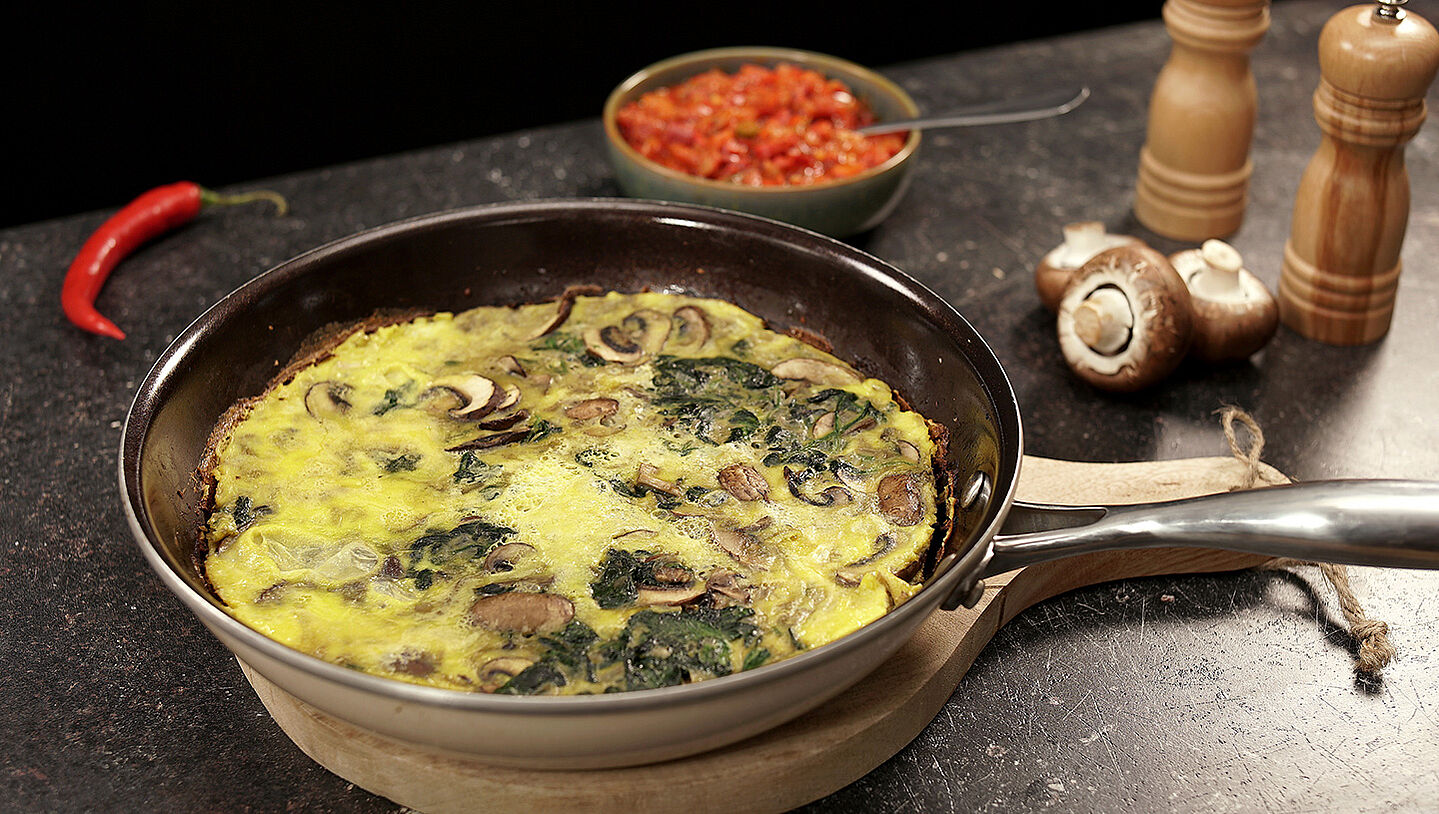
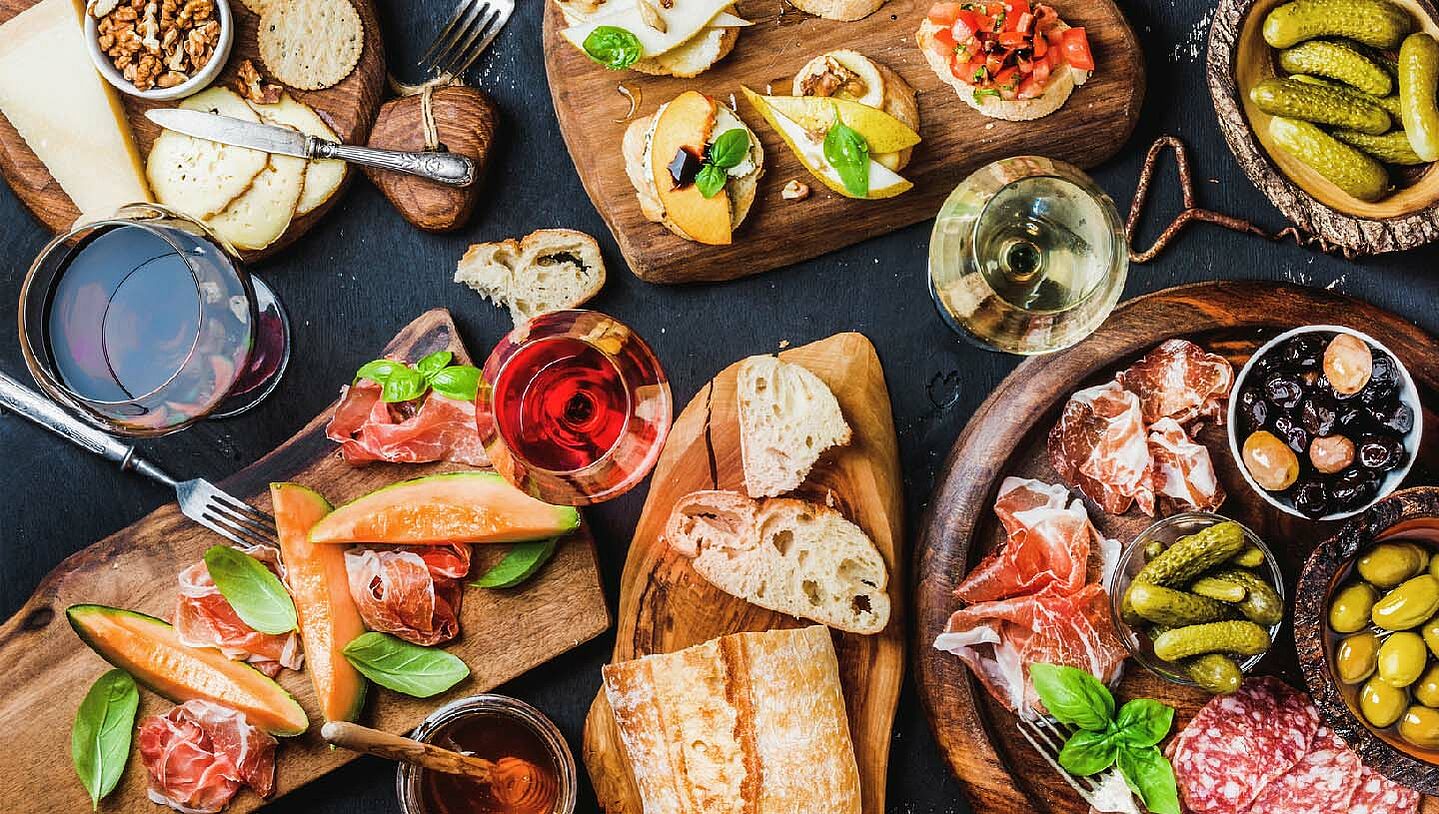
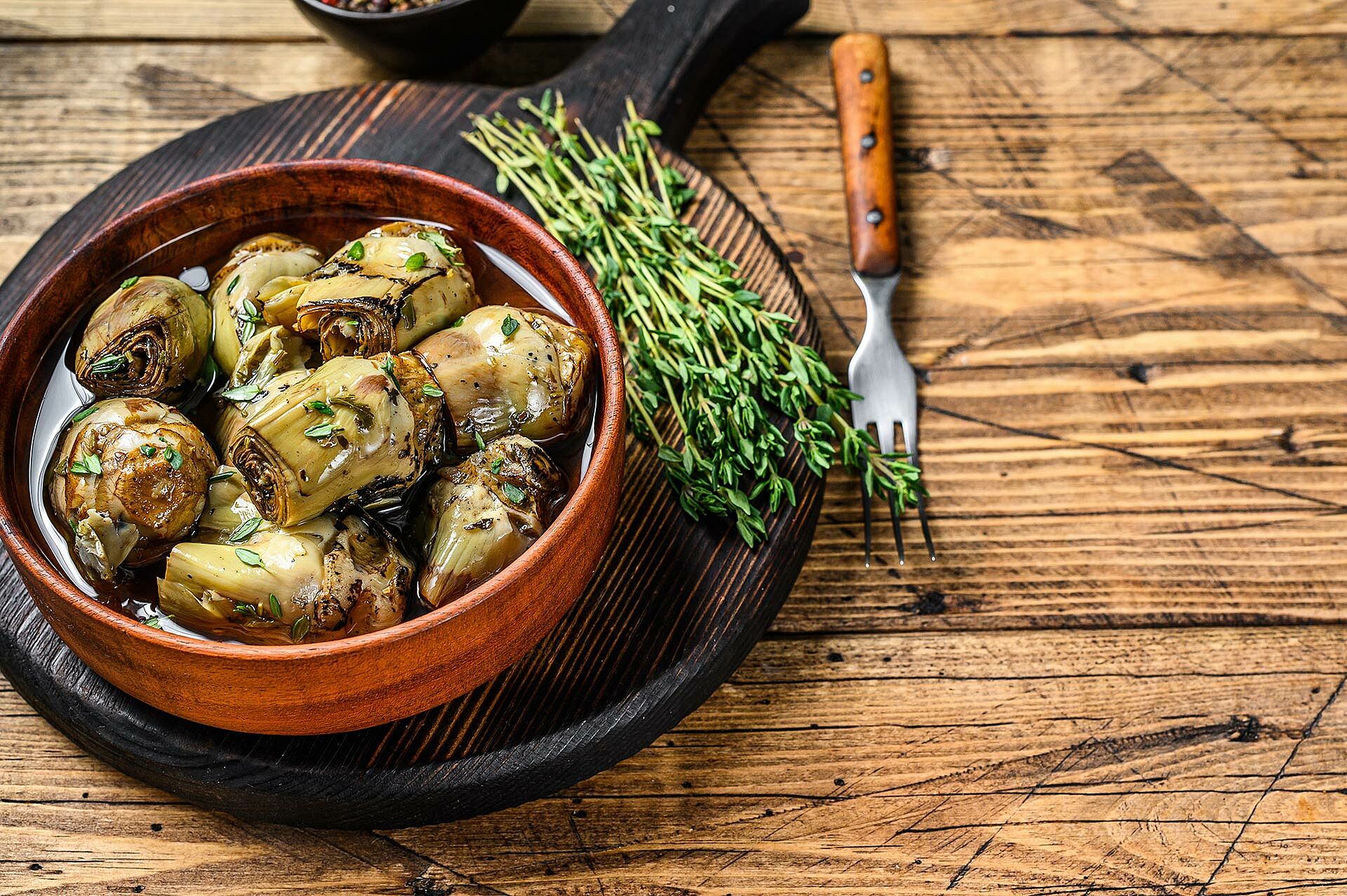
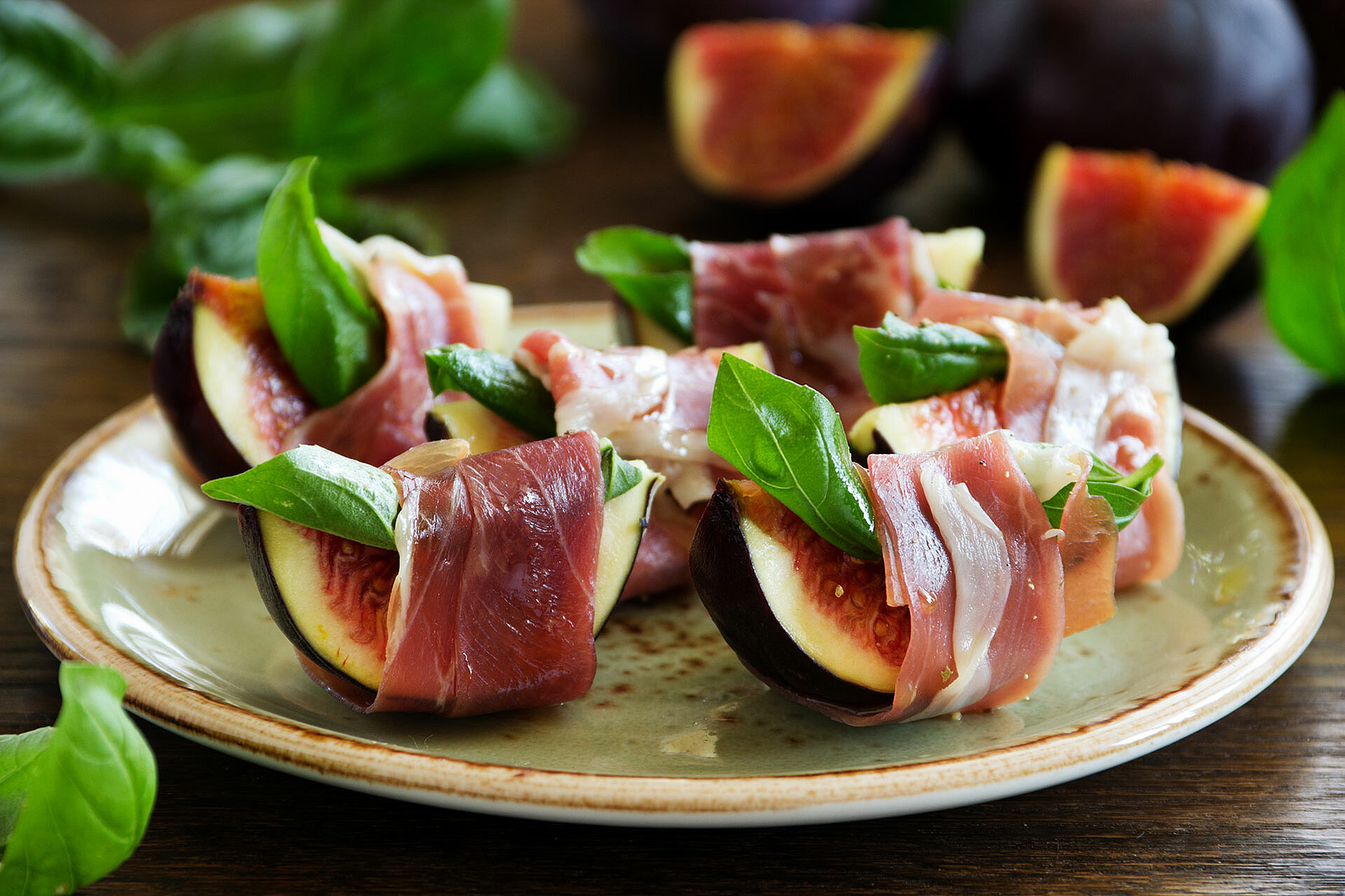
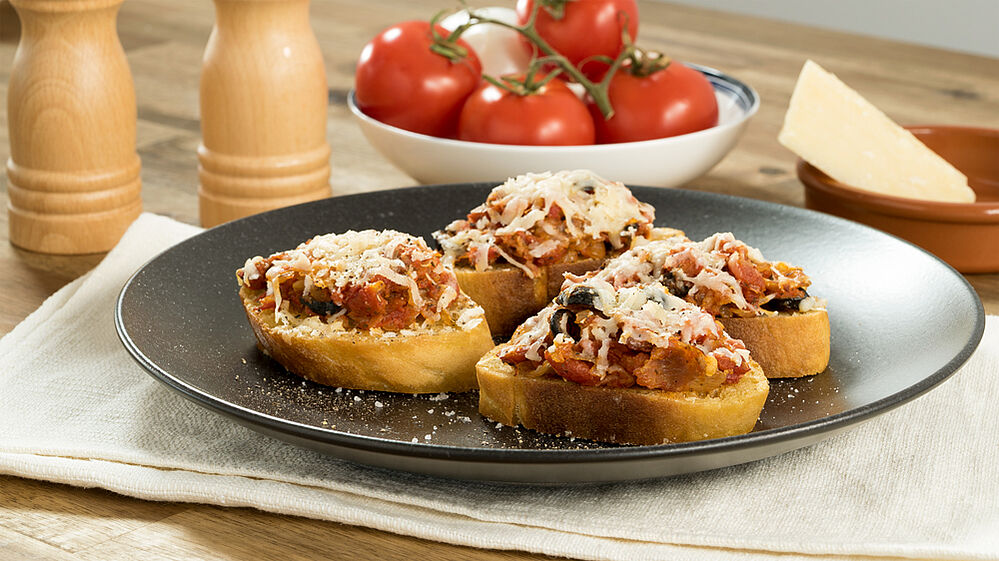
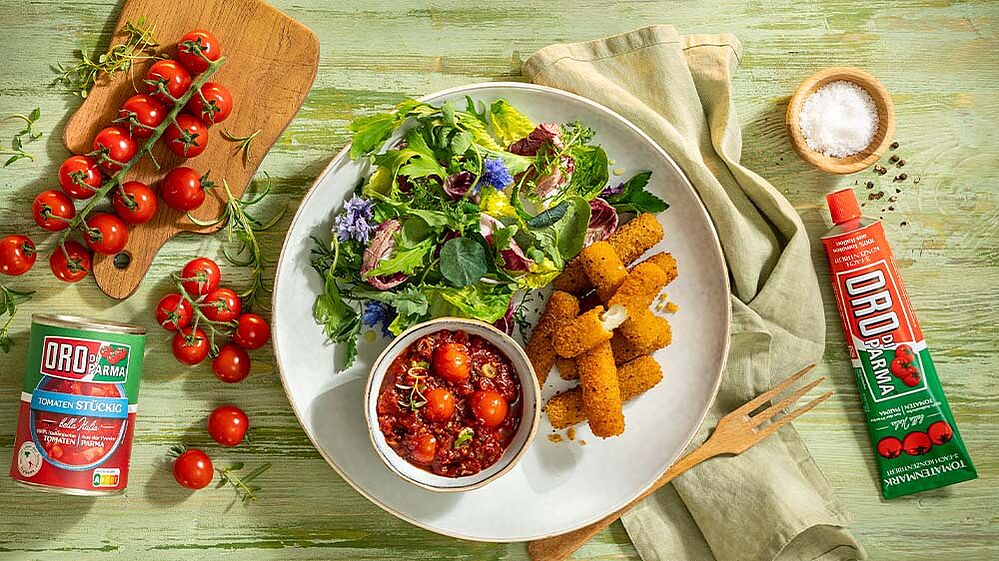
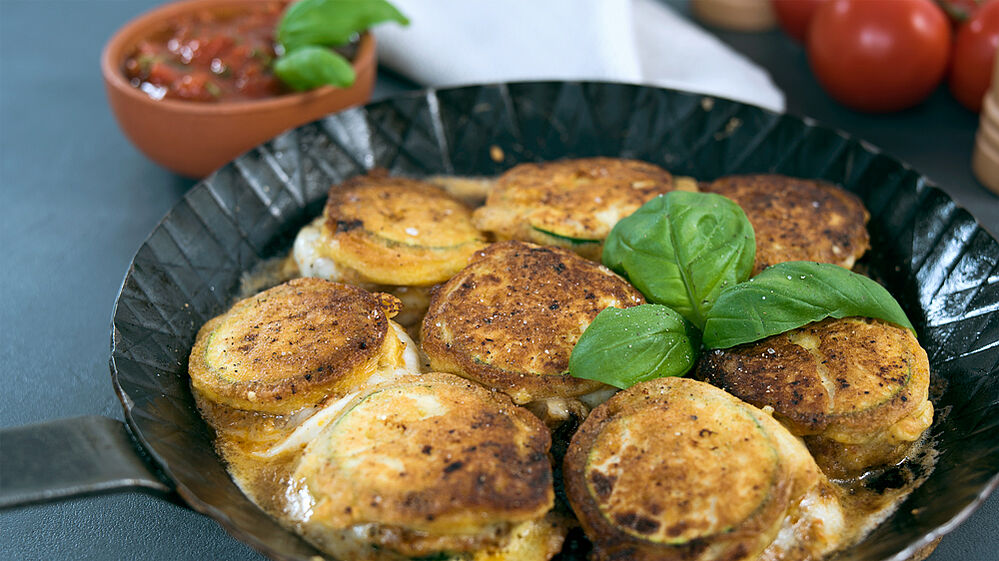
All Mediterranean countries have a long tradition of delicious appetizers. Spanish tapas, French hors d'œuvre, or Middle Eastern mezze—of course, Italy has its own appetizers as well. There, they’re called antipasti: flavorful, light, small appetizers that tantalize the palate and whet the appetite—“solleticare il palato,” as the Italians say. Italians often serve antipasti as a selection so that every guest can find something to their liking. Olives, Insalata Caprese, pickled and roasted vegetables, or bruschetta—there are many cold and warm antipasti. The word itself indicates where they’re served on the menu: ante pasta—before the pasta.
Primo piatto
Pasta is the next course on an Italian menu: the “primo” or “primo piatto.” It consists of a pasta dish, risotto, or soup. This satisfies your initial hunger.
By the way, in Italy, spaghetti—like all pasta—is eaten only with a fork. Italians twirl the pasta around the fork on their plate. So if you’re used to using a spoon, be sure to skip it when eating in Italy.
Want to surprise your guests with homemade pasta? Why not try our homemade pasta dough made from durum wheat (pasta secca)?
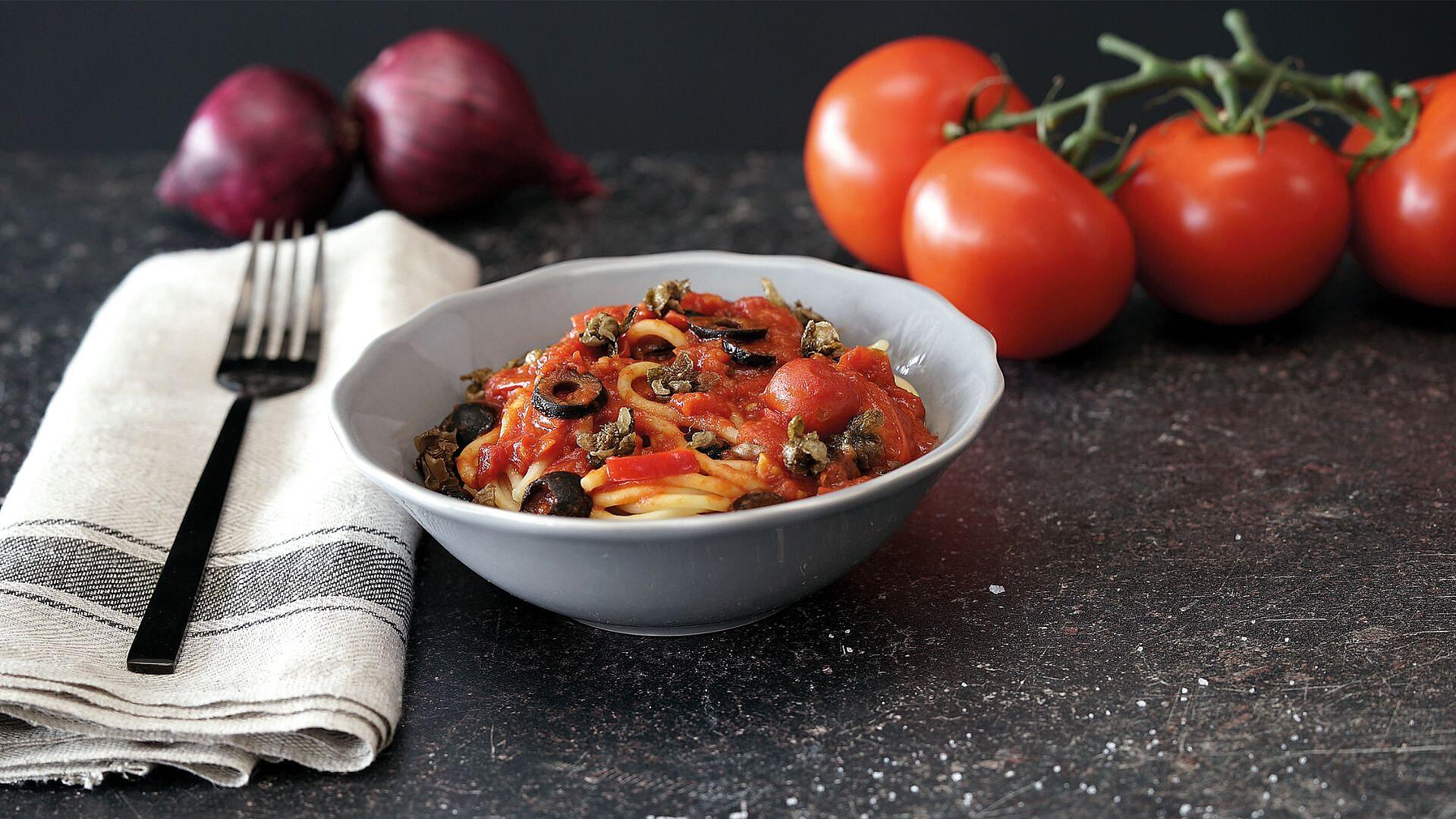
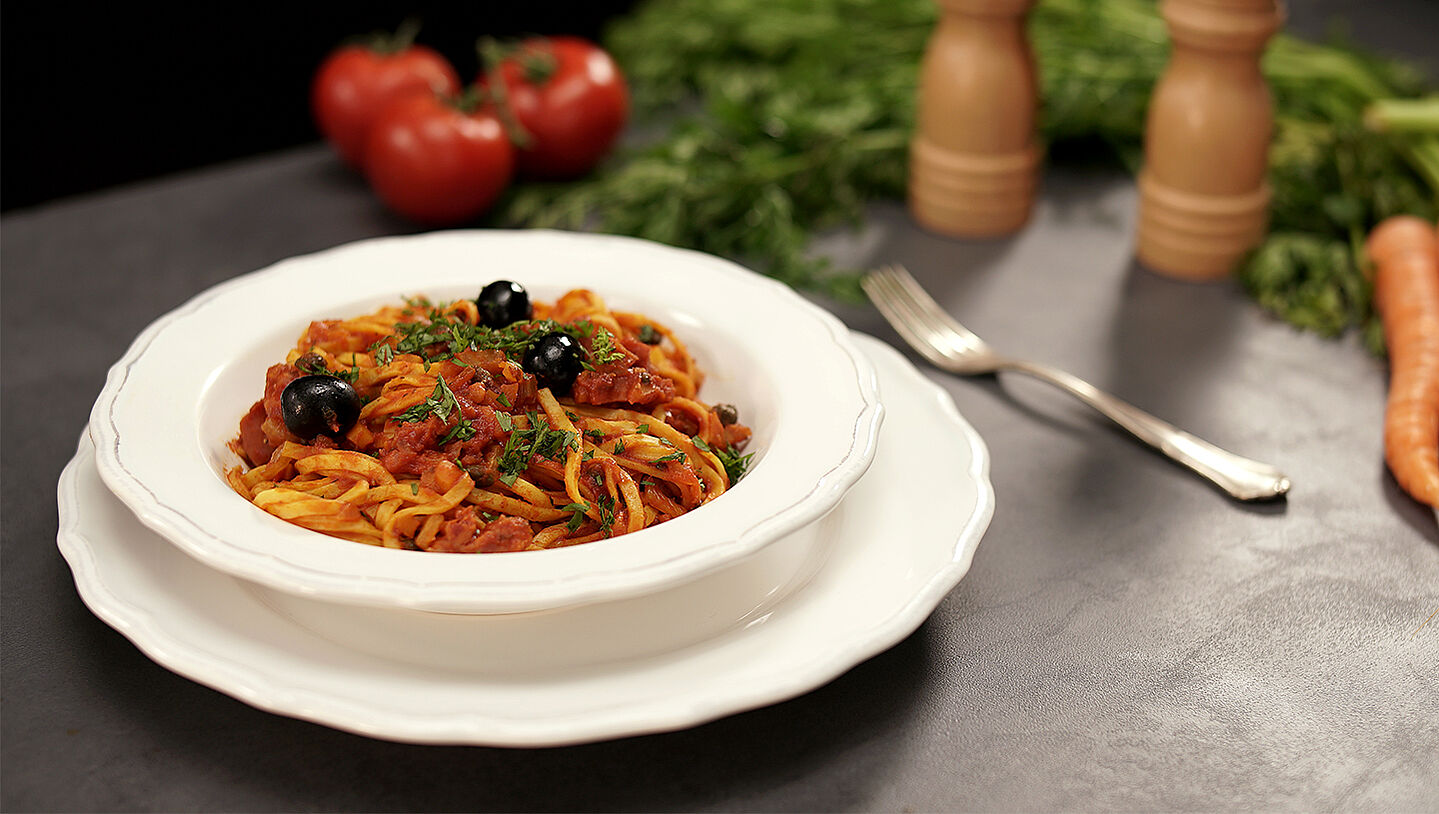
For your primo piatto, you could serve spaghetti puttanesca or tagliarini with a sausage and fennel ragù, for example. Pasta e ceci—pasta with chickpeas—would be a great vegetarian option.
Main Course
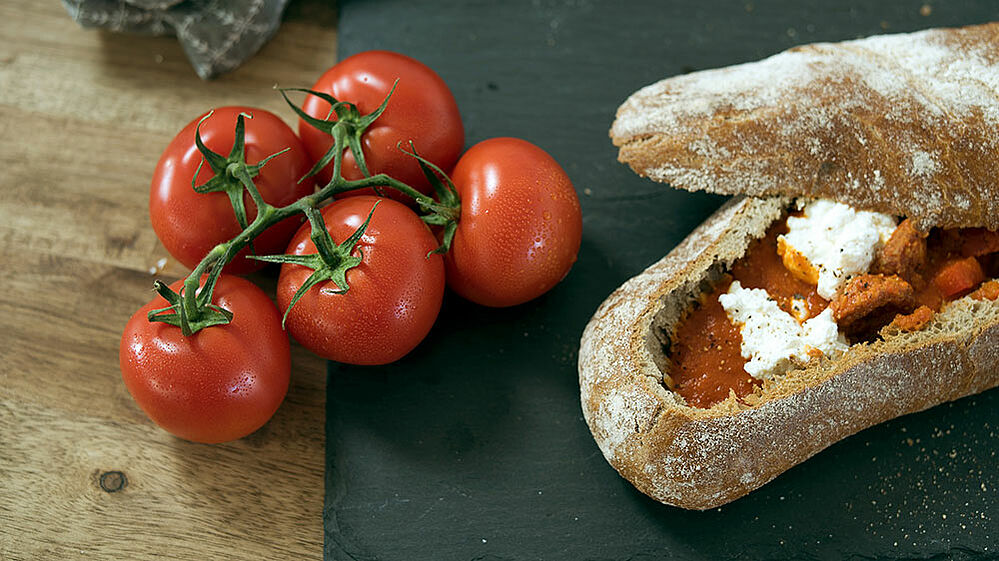
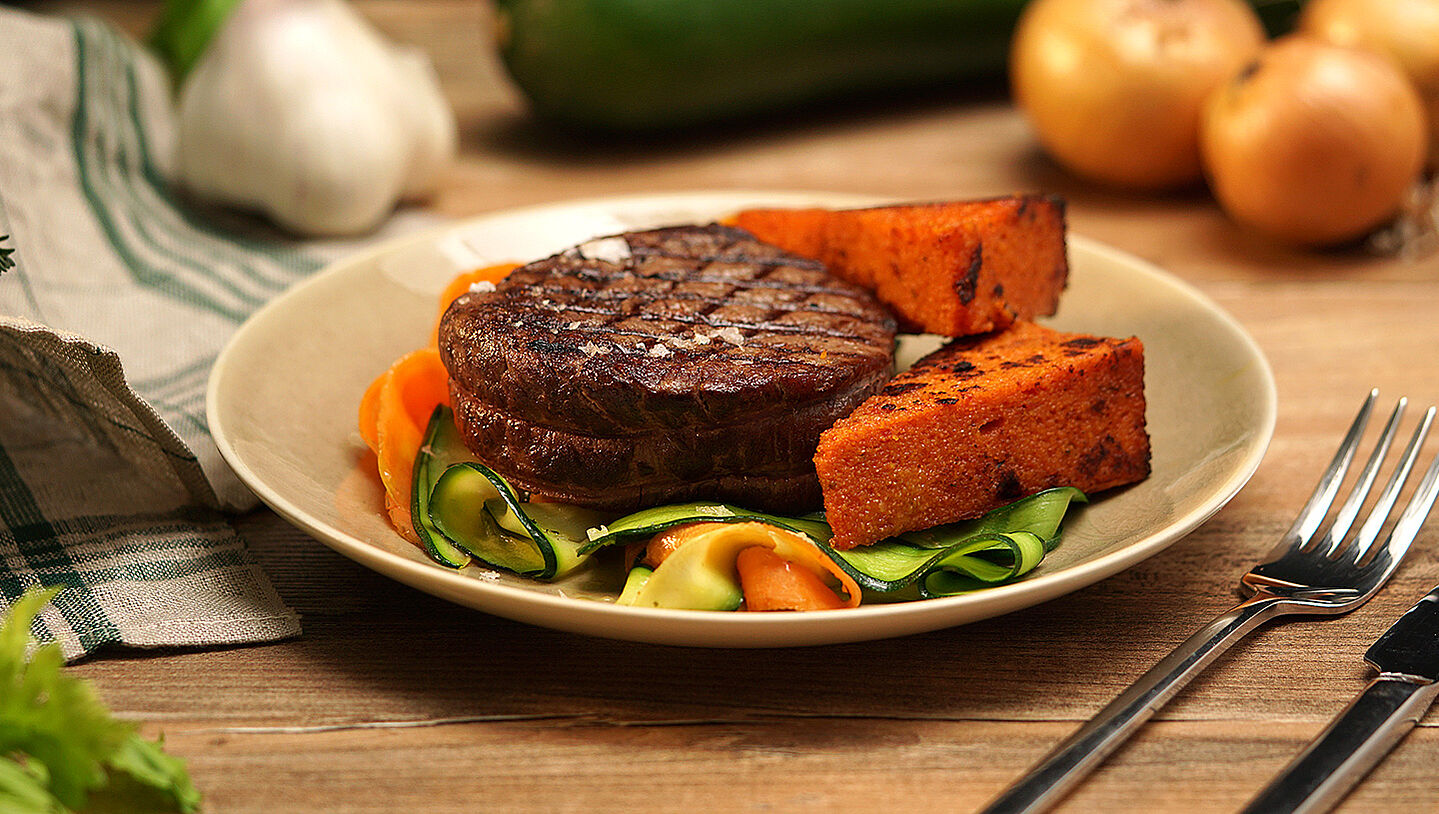
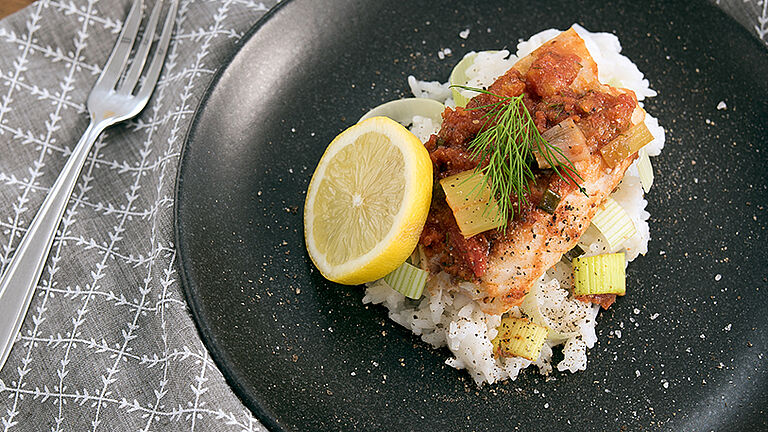
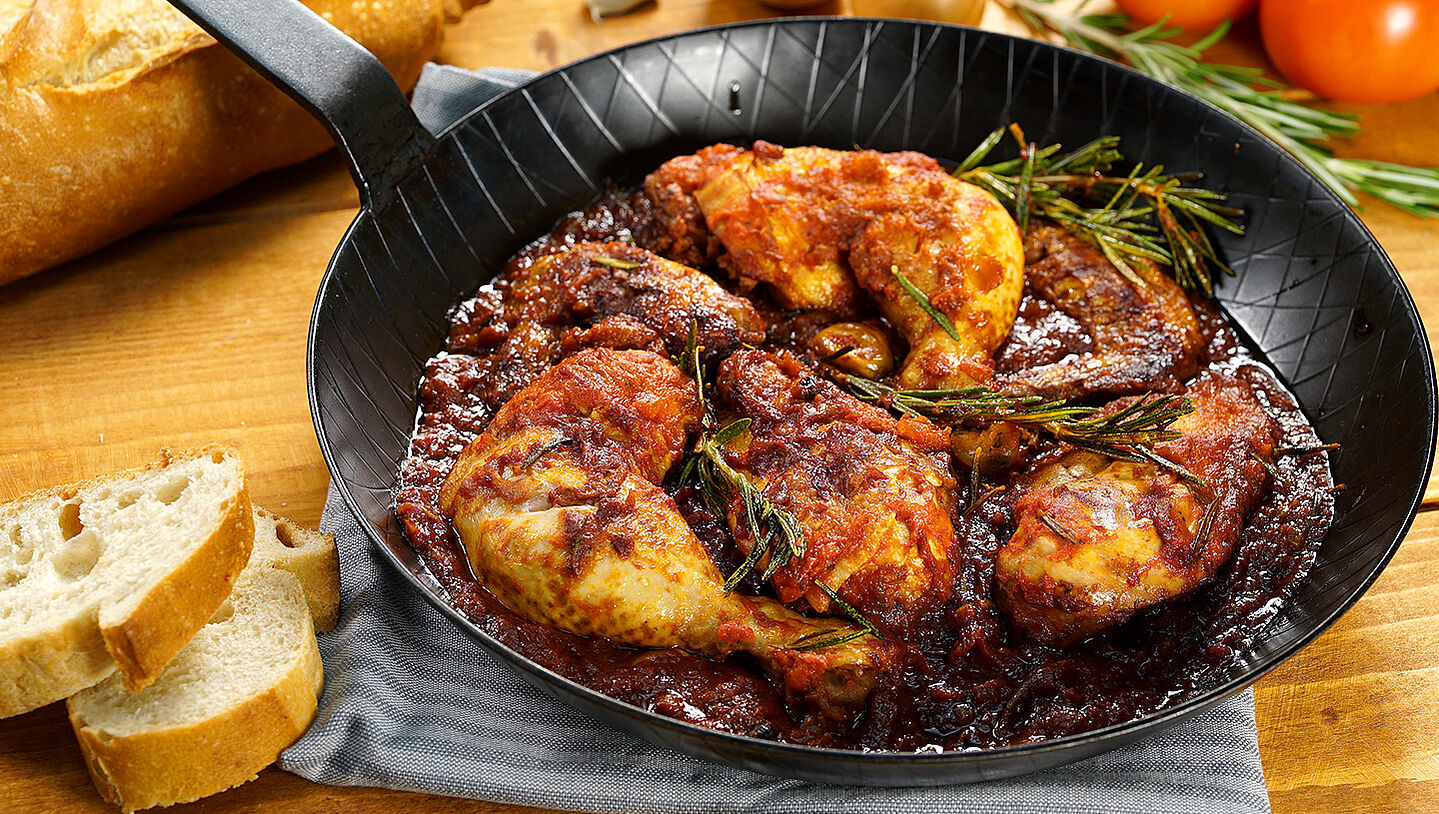
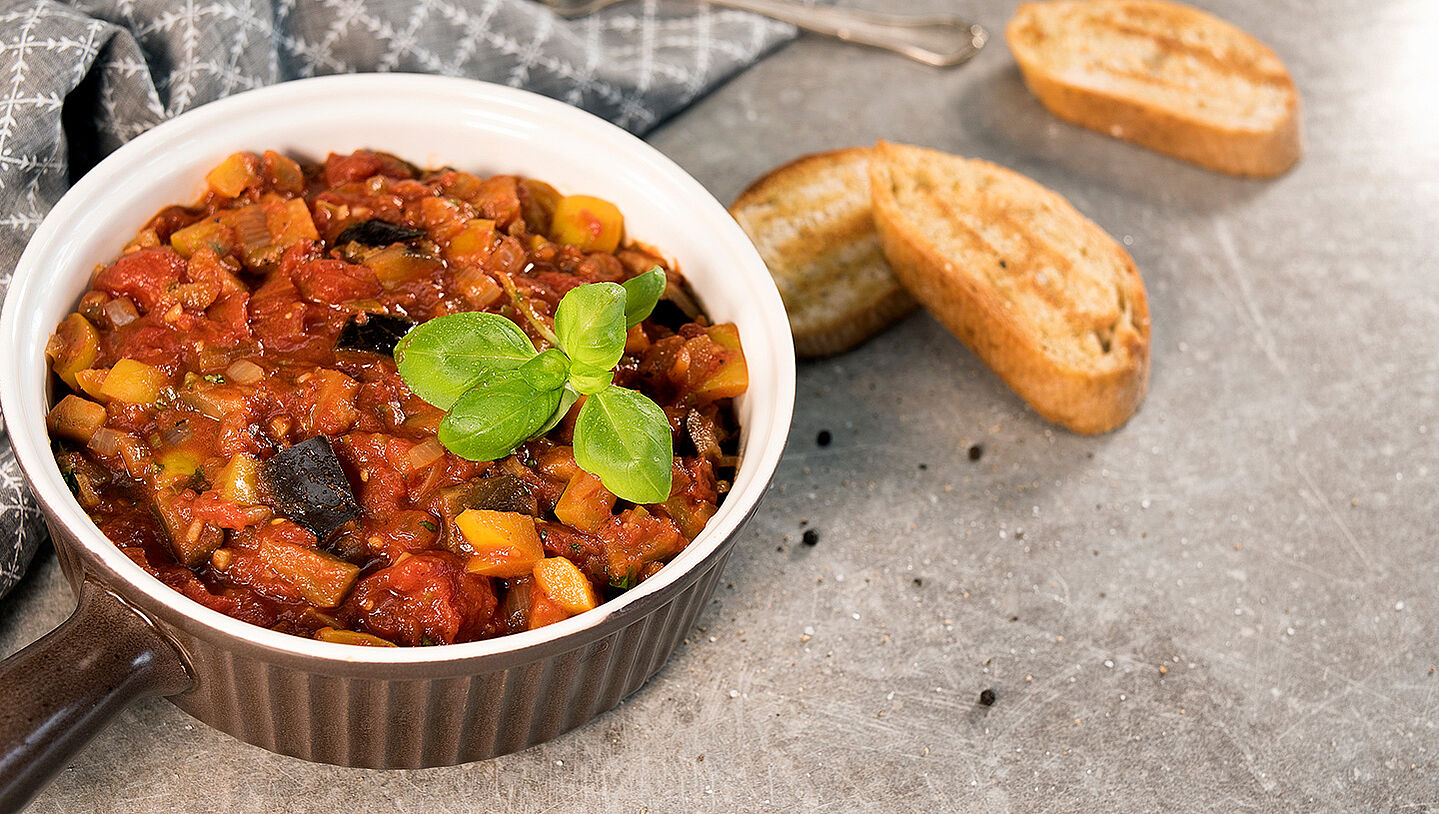
The second course is usually a meat or fish dish, which may also be served with side dishes, known as “contorni.” However, this isn’t a requirement. In a restaurant, you order them separately on the side. The meat or fish takes center stage in the secondo piatto; it’s flavorfully seasoned or stuffed and prepared in a variety of ways: grilled, braised, pan-fried, or au gratin. Poultry dishes, such as pollo alla cacciatora, are also popular as main courses, as are all kinds of game. And, of course, there are also traditional vegetarian secondi piatti made entirely from vegetables, such as the popular ciambotta.
Dolce
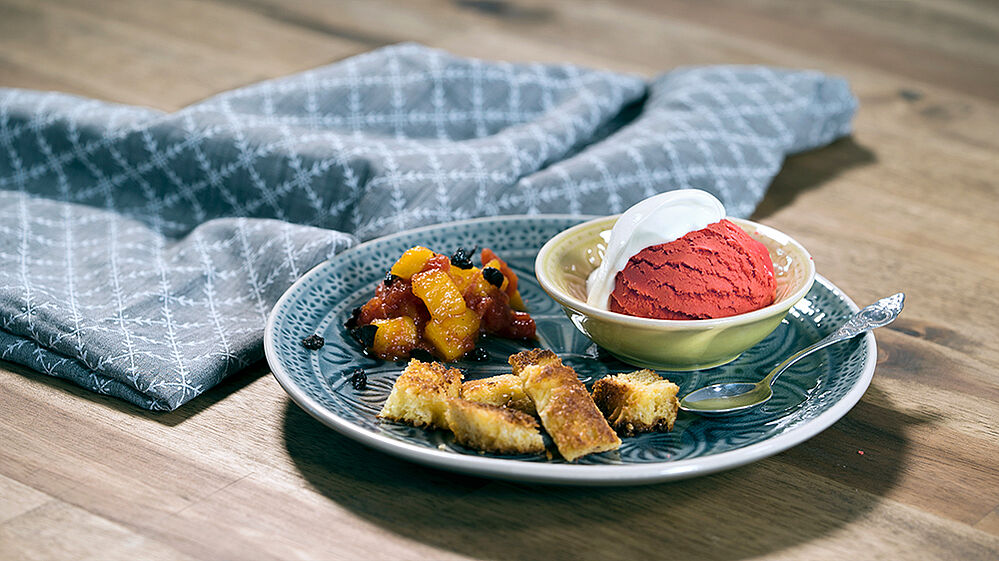
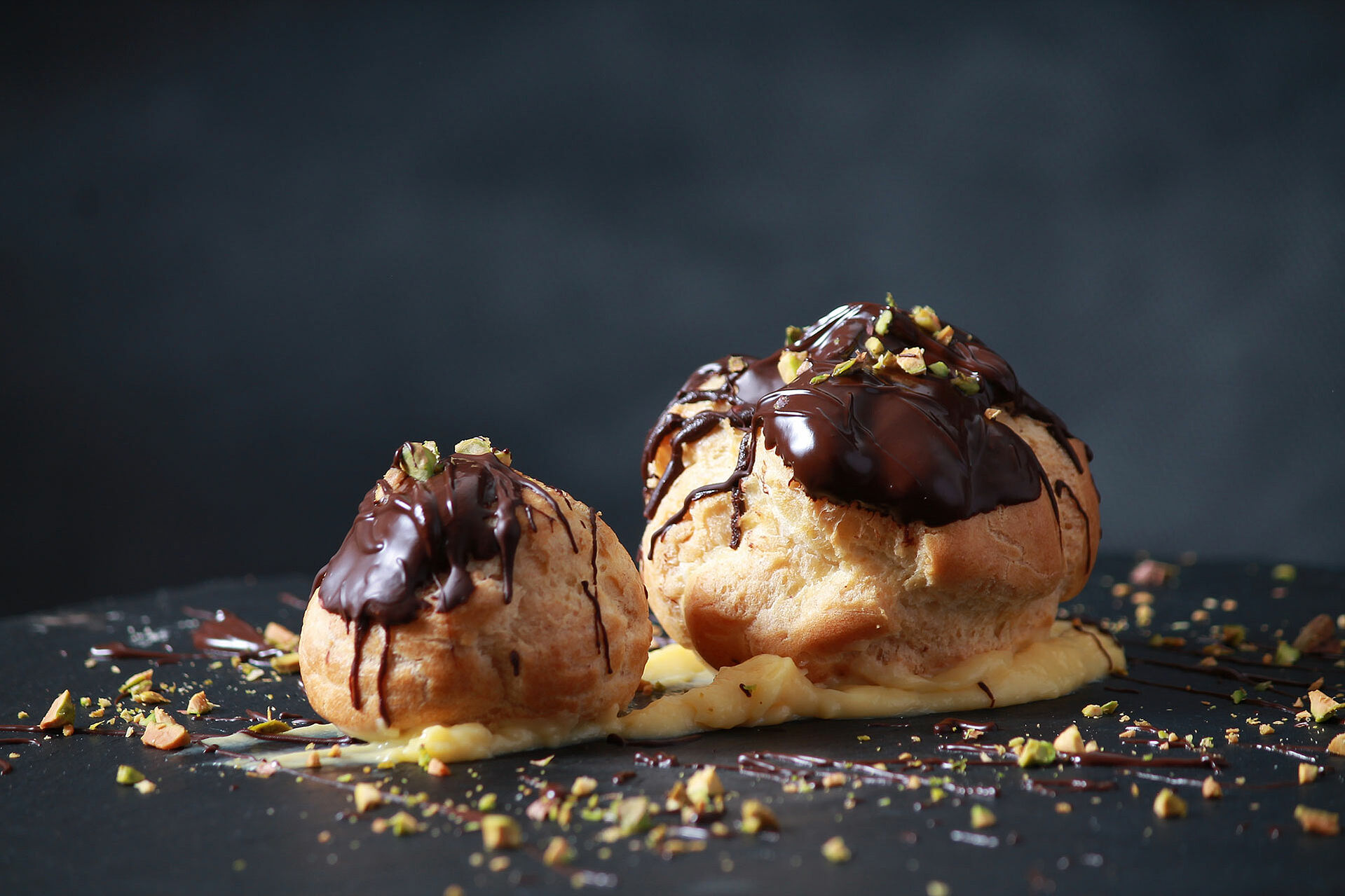
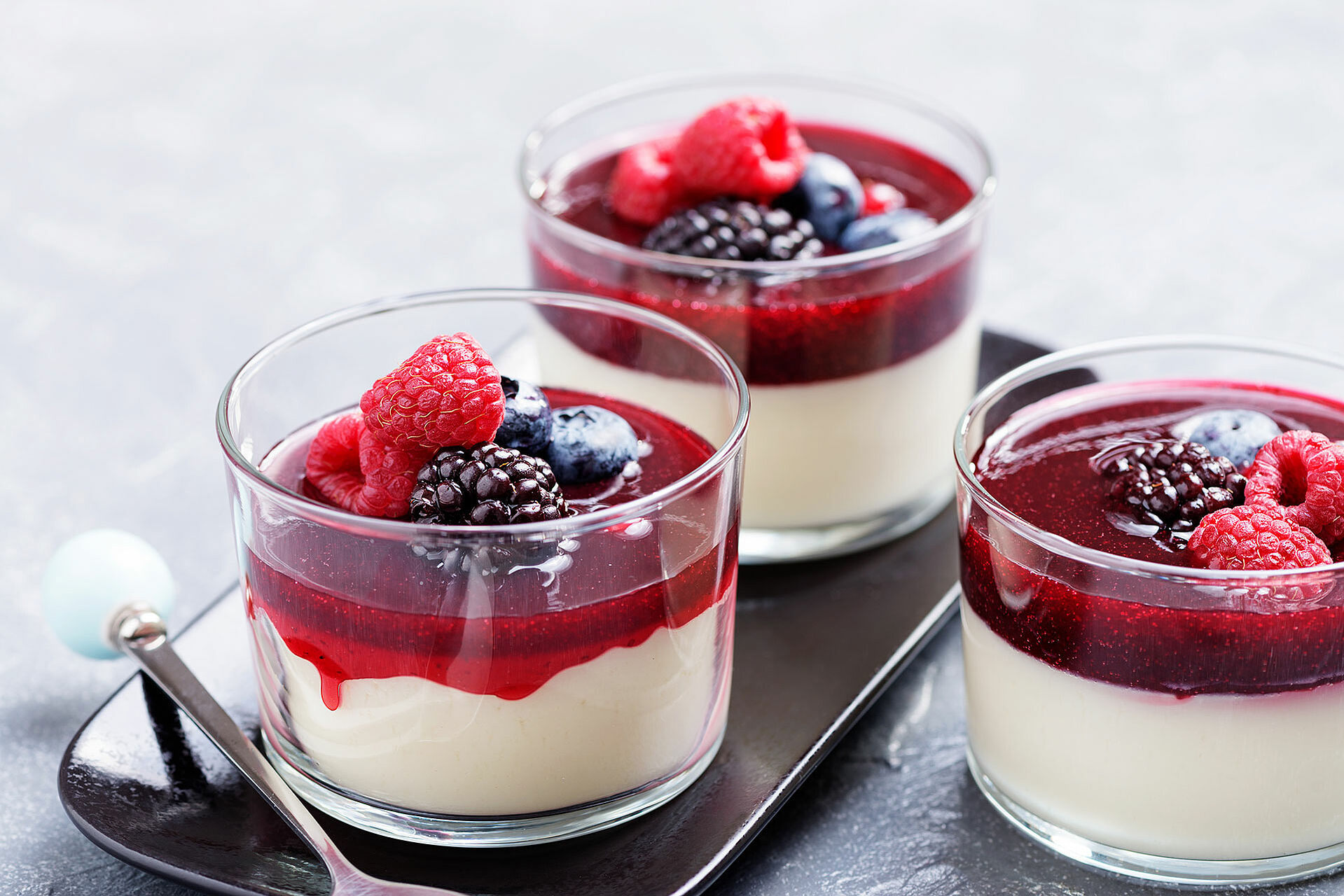
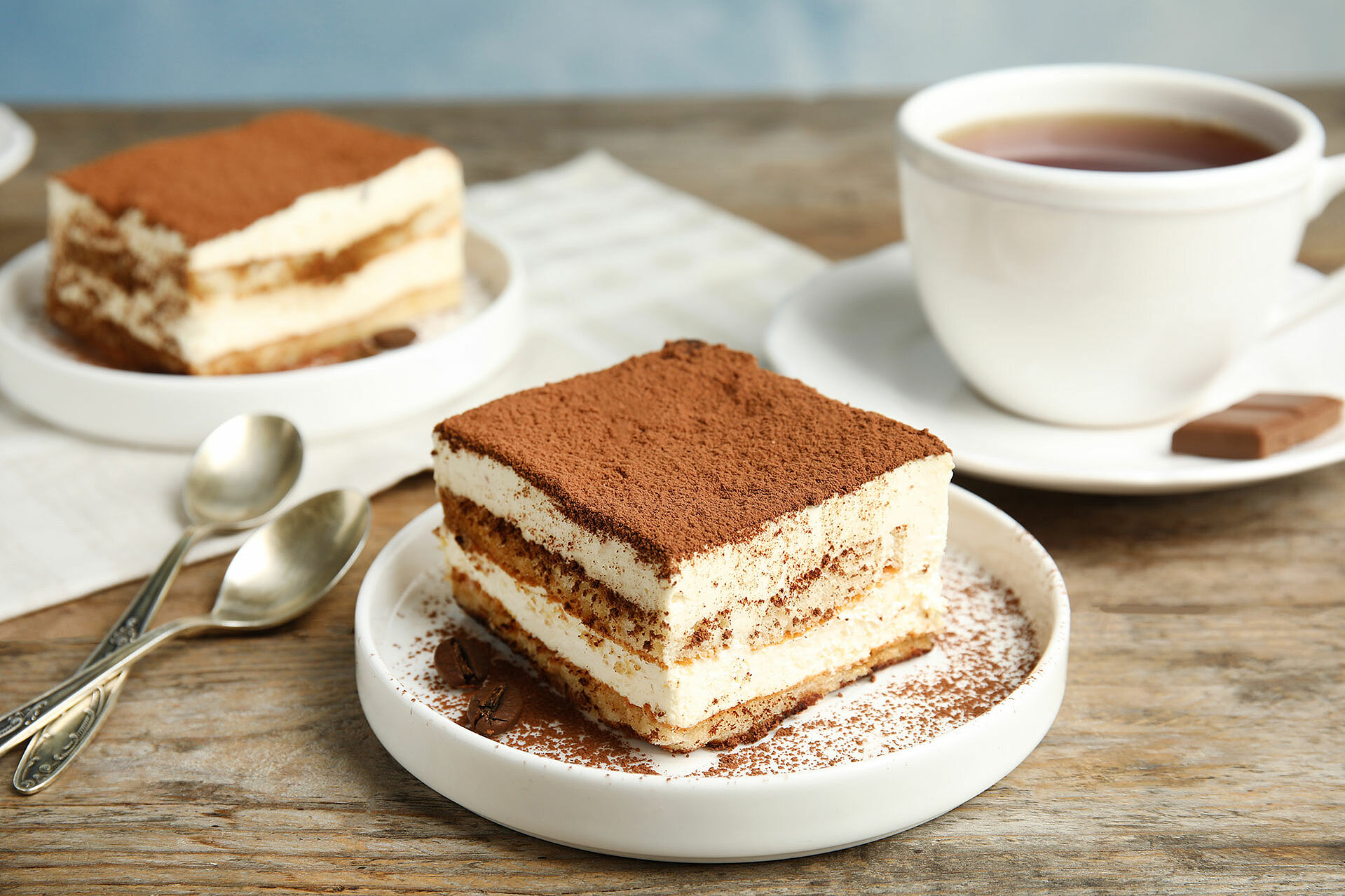
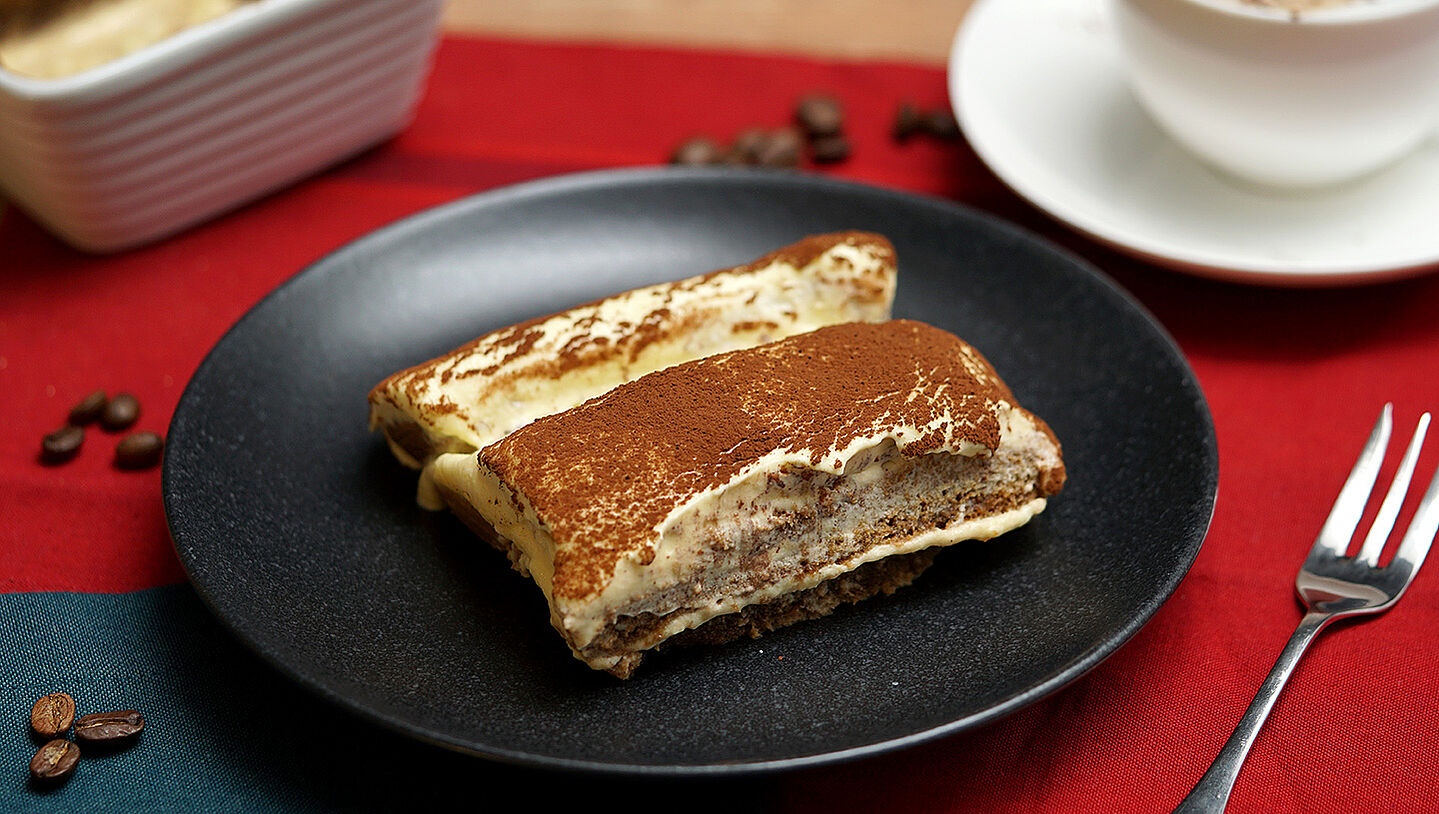
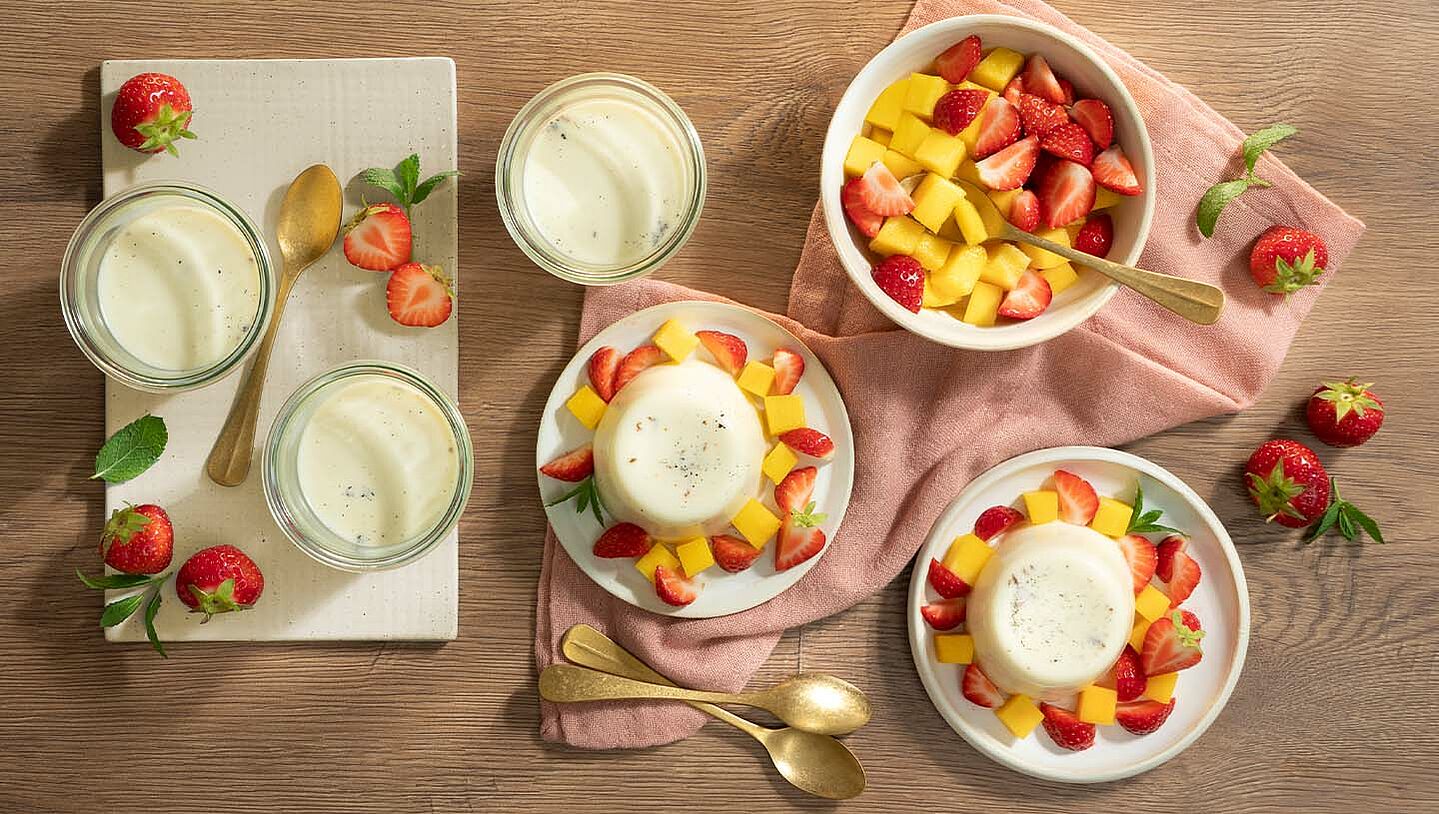
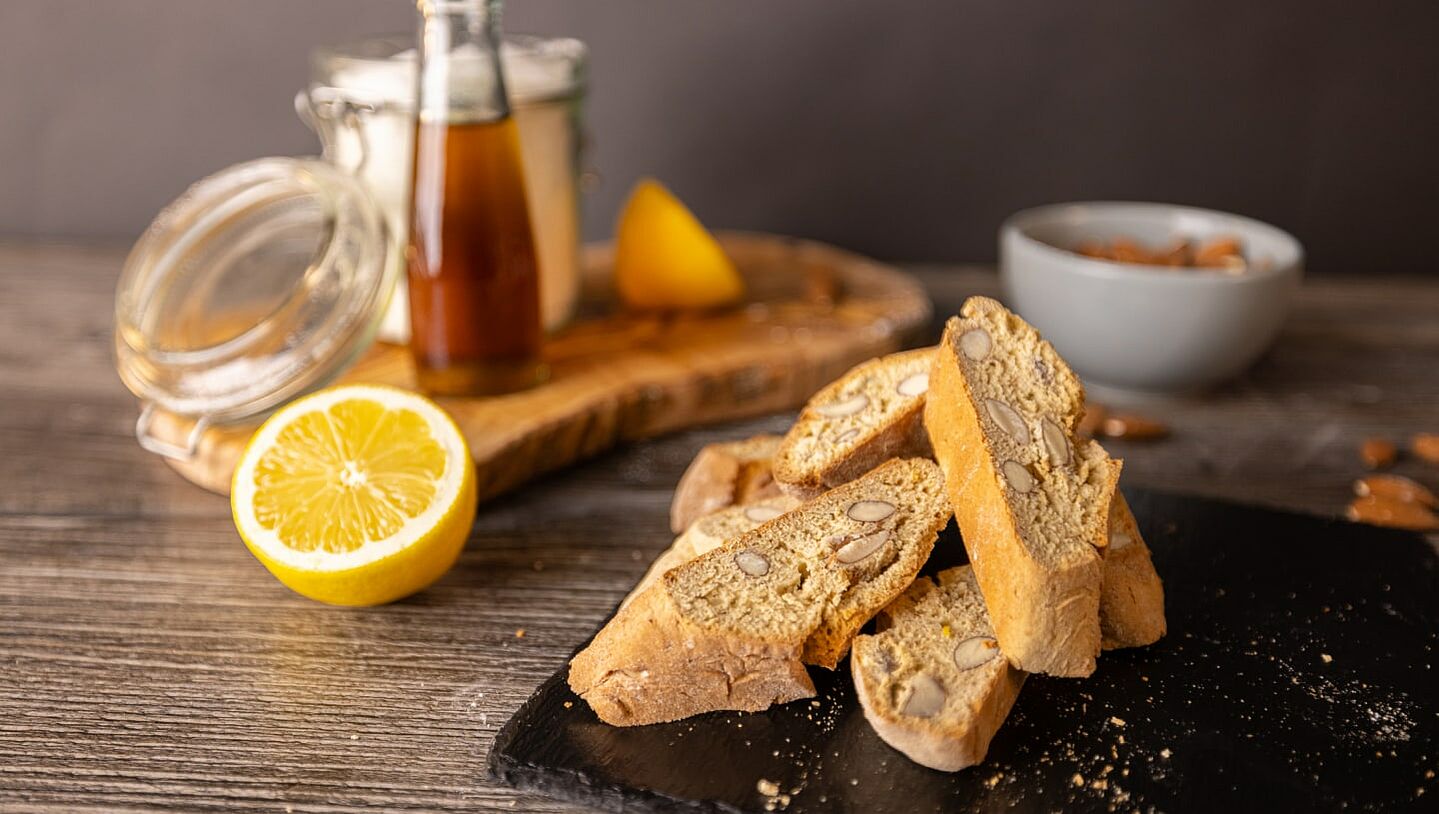
Next comes dessert, which is called “dolce” in Italy—a name that already indicates it’s a sweet dish—such as tiramisu, panna cotta, or profiteroles—small filled cream puffs with chocolate sauce. Authentic Italian ice cream or sorbet is also a popular dessert choice in Italy. The meal usually concludes with cheese and fruit.

Coffee After a Meal in Italy
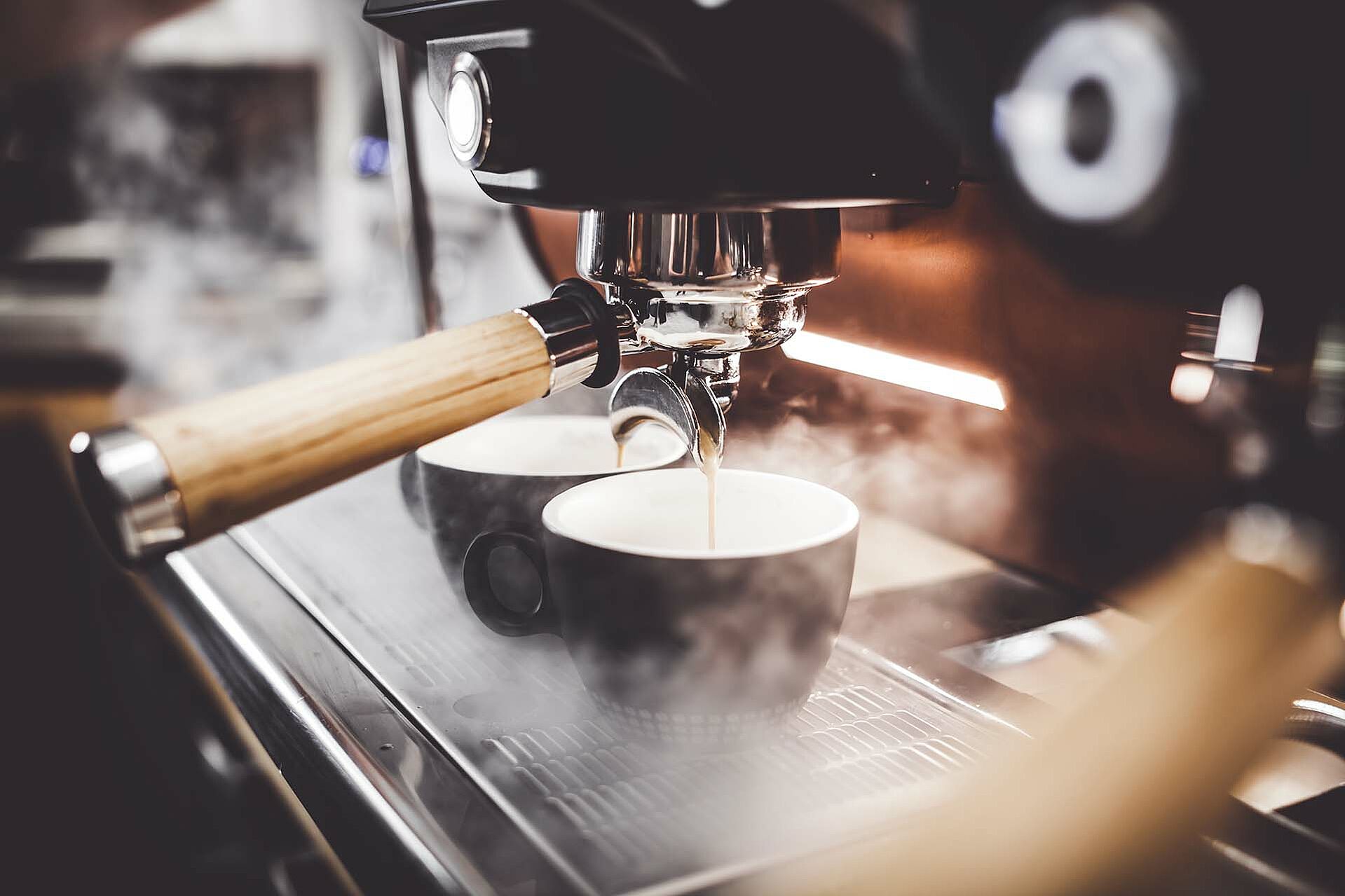
Only then does coffee come next, which in Italy in the evening is synonymous with an espresso. Under no circumstances should you order a cappuccino after dinner; in Italy, it’s drunk for breakfast and would signal to the chef that you haven’t had enough to eat. Italians only drink cappuccino until noon. And very important: Under no circumstances should you drink coffee with dessert; the two are always served one after the other. Otherwise: Even if it’s late in the evening—an espresso after a meal is a must.
Aperitif and digestif
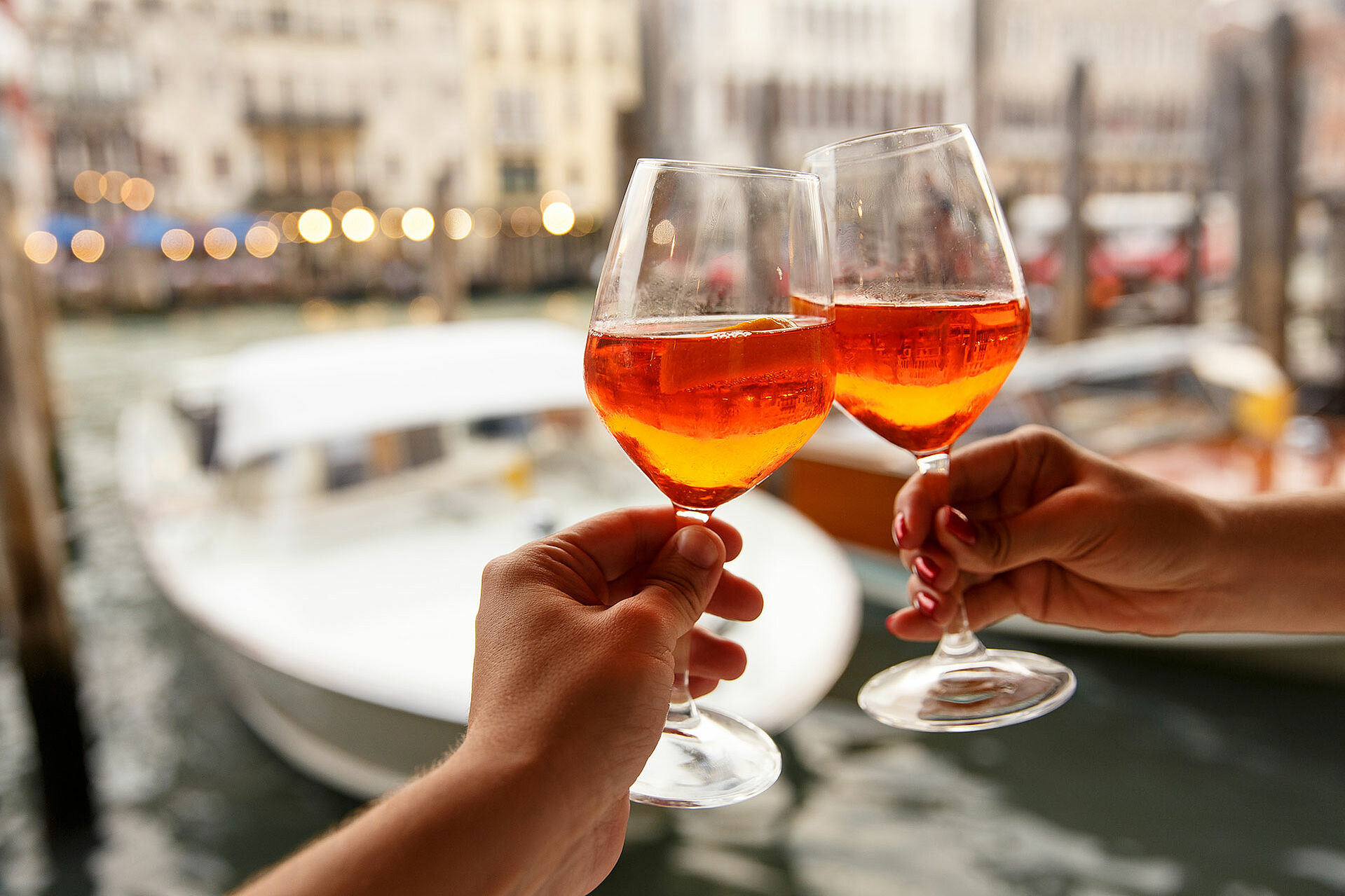
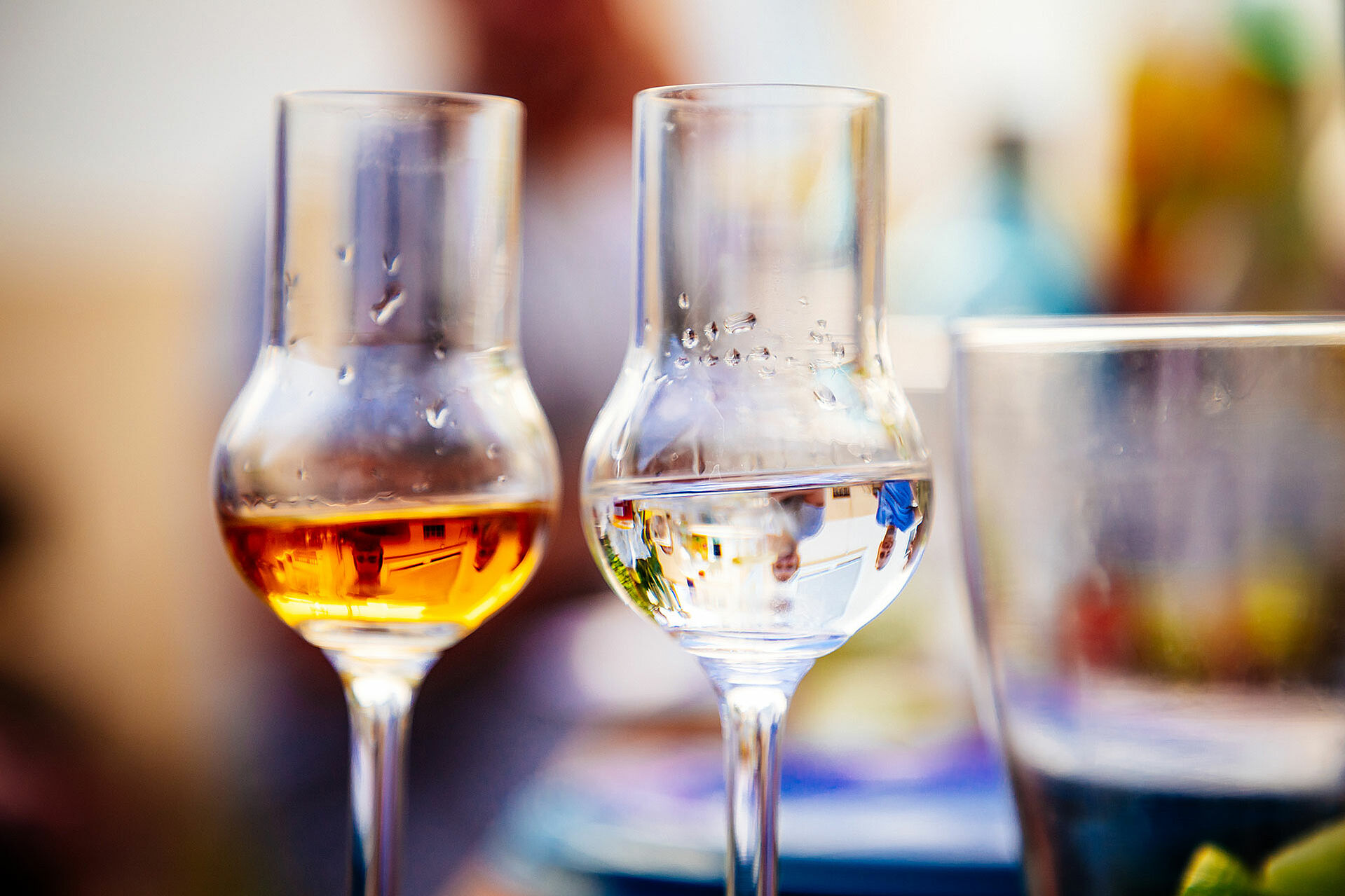
When it comes to food and drink, the rule is, of course, that everyone does as they please. Alcoholic beverages are therefore by no means a must in Italy—especially during the week. There are many popular non-alcoholic aperitifs in Italy, and those who prefer can drink mineral water, juice, or lemonade with their meal. For many Italians, however, alcoholic drinks are also part of the meal. They like to serve an aperitif before the antipasti, such as Prosecco, vermouth, or a Spritz cocktail. And Italians like to round off dinner with a digestif, which can be grappa, sambuca, or a bittersweet herbal liqueur known in Italy as “Amaro.”
In Italy, dinner is the main meal
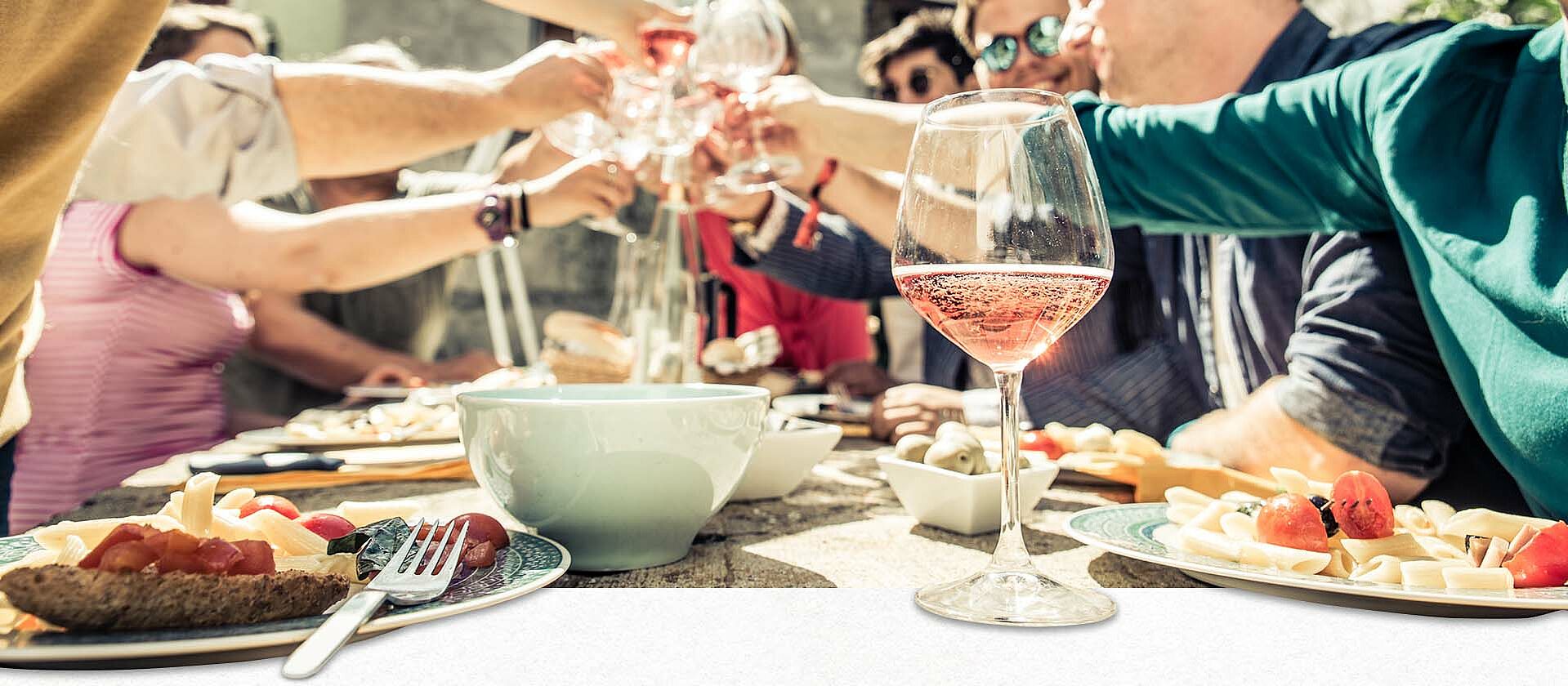
In Italy, dinner is called “cena.” After a quick, simple breakfast and a light lunch, dinner is the main meal of the day. It’s usually a multi-course meal that Italians eat much later than is customary in Germany. While dinner in northern Italy starts around 7:00 to 7:30 p.m., in hot Sicily it can easily be after 10:00 p.m. Dinner is the main meal, when the whole family or friends get together. Italians like to take their time with it—and whether at home or in a restaurant, the meal generally consists of several courses. The order of the courses plays a major role.
Multiple courses make dinner a social and varied experience
Serving multiple courses may sound like more work at first, but it has many advantages: It makes waiting for late guests more pleasant without getting too hungry. The aperitif is also enjoyed more fully, and, last but not least, the cook has time to finish preparing the next dish in peace. These are the perfect conditions for a relaxed and convivial evening.