All About Italian Risotto
Italy’s most popular rice dish—from the classic risotto recipe to variations, secrets, and special features
In addition to pizza and pasta, there’s one classic dish that’s definitely part of authentic Italian cuisine: risotto. In this article, you’ll learn where risotto rice comes from and why one of the most popular risotto variations came about solely because of what’s believed to have been a prank in the Middle Ages. We’ll also show you the different recipe variations and how to make a risotto that’s rich and creamy.
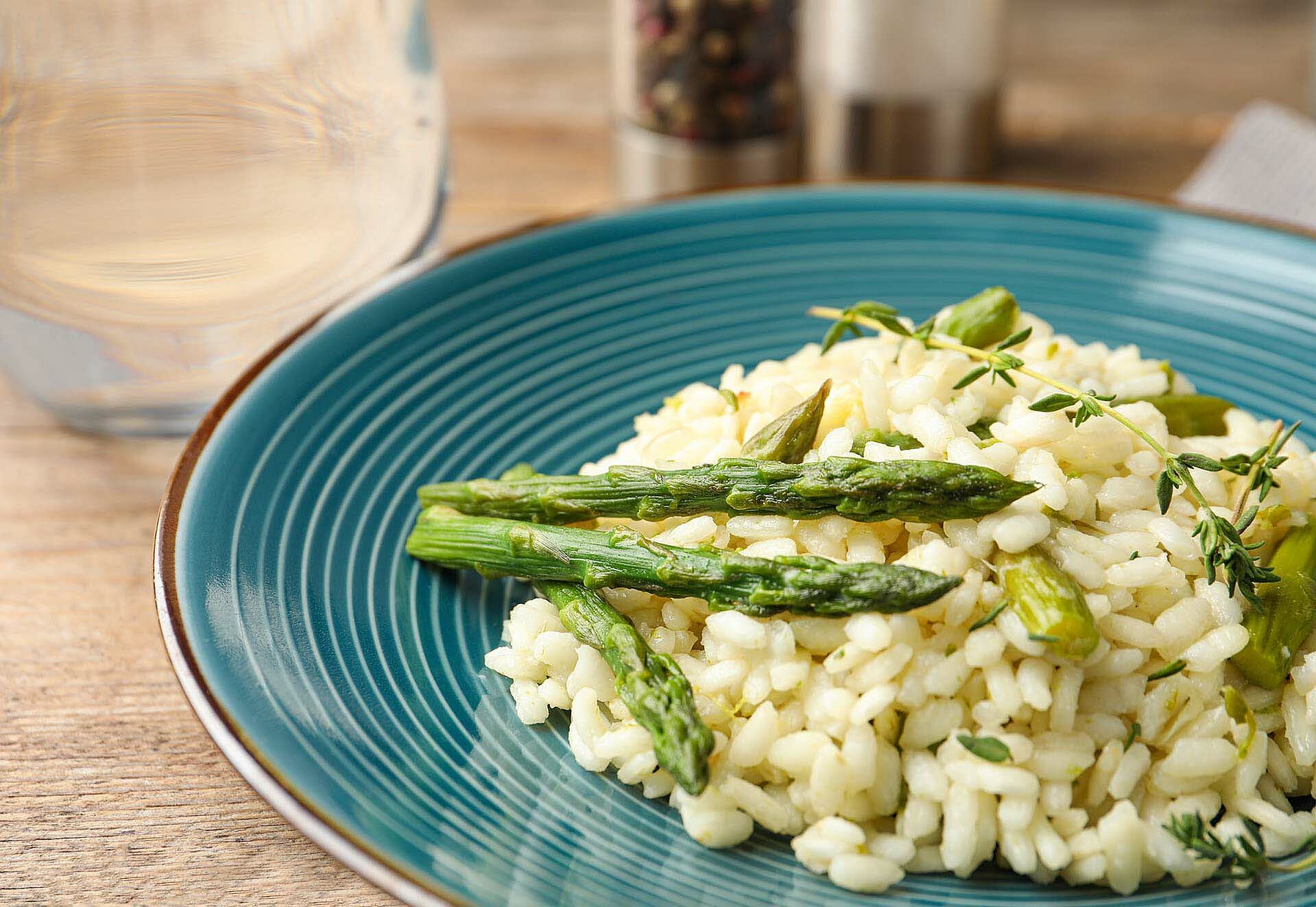
What is risotto—and what's the difference between rice and risotto?
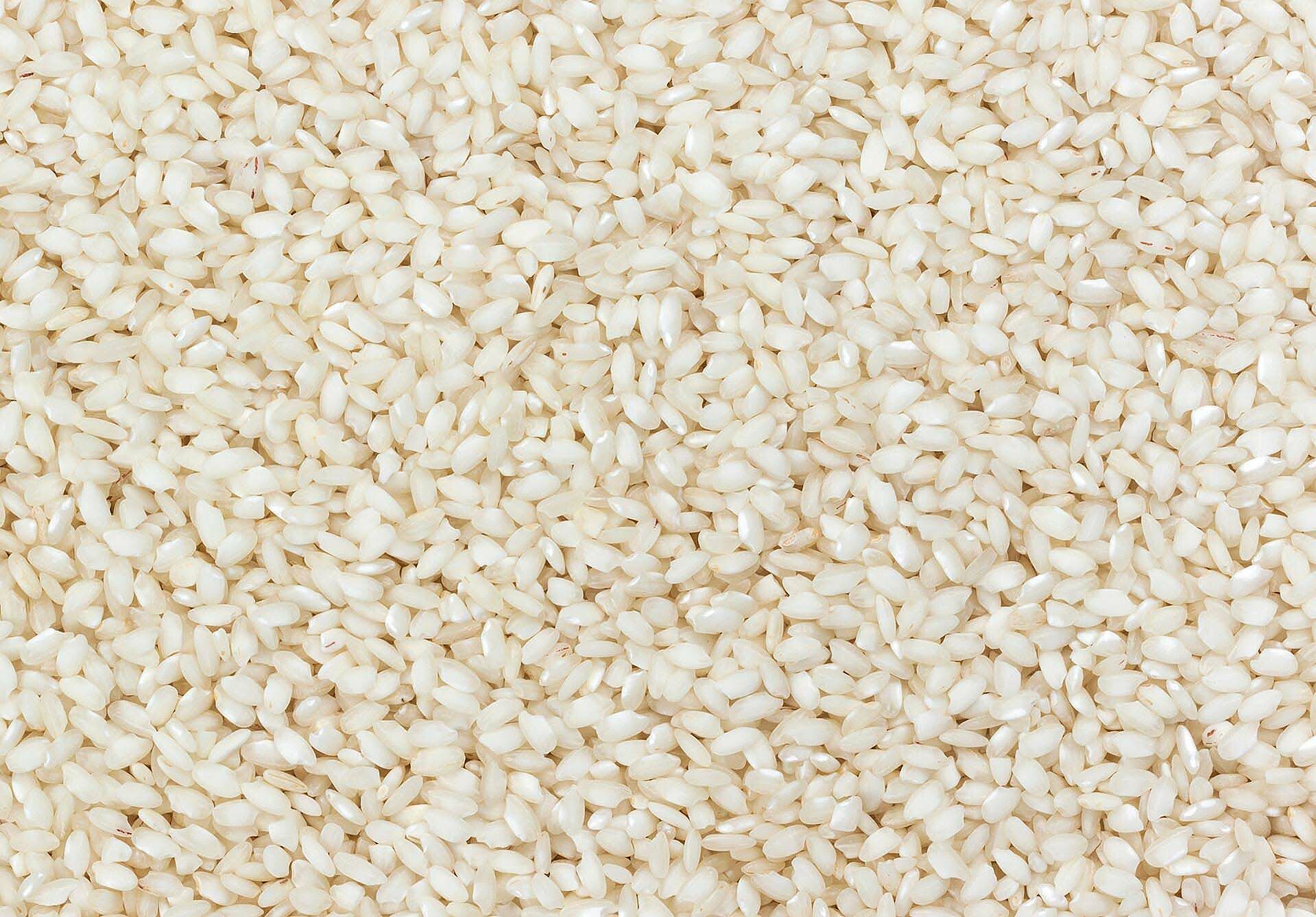
Risotto rice is a starchy, medium-grain rice. When risotto rice is cooked, some of the starch is released, giving the risotto its creamy consistency. Risotto rice belongs to the medium-grain rice group. The Arborio, Carnaroli, and Vialone varieties are best suited for making risotto.
The difference from other rice varieties lies in the starch content of the grain. This is the key factor in determining the creaminess of your risotto. If you want to make risotto, be sure to use medium-grain rice varieties; long-grain varieties like basmati or jasmine rice are not suitable for risotto.
The difference between rice and risotto: Risotto is a dish made from several ingredients—rice, onions, oil, white wine, and broth. Rice alone—no matter what variety—is by no means risotto.
Risotto is a rice dish made from medium-grain rice. Other types of rice release less starch during cooking. But the starch is important because it’s what gives our risotto its creamy texture.
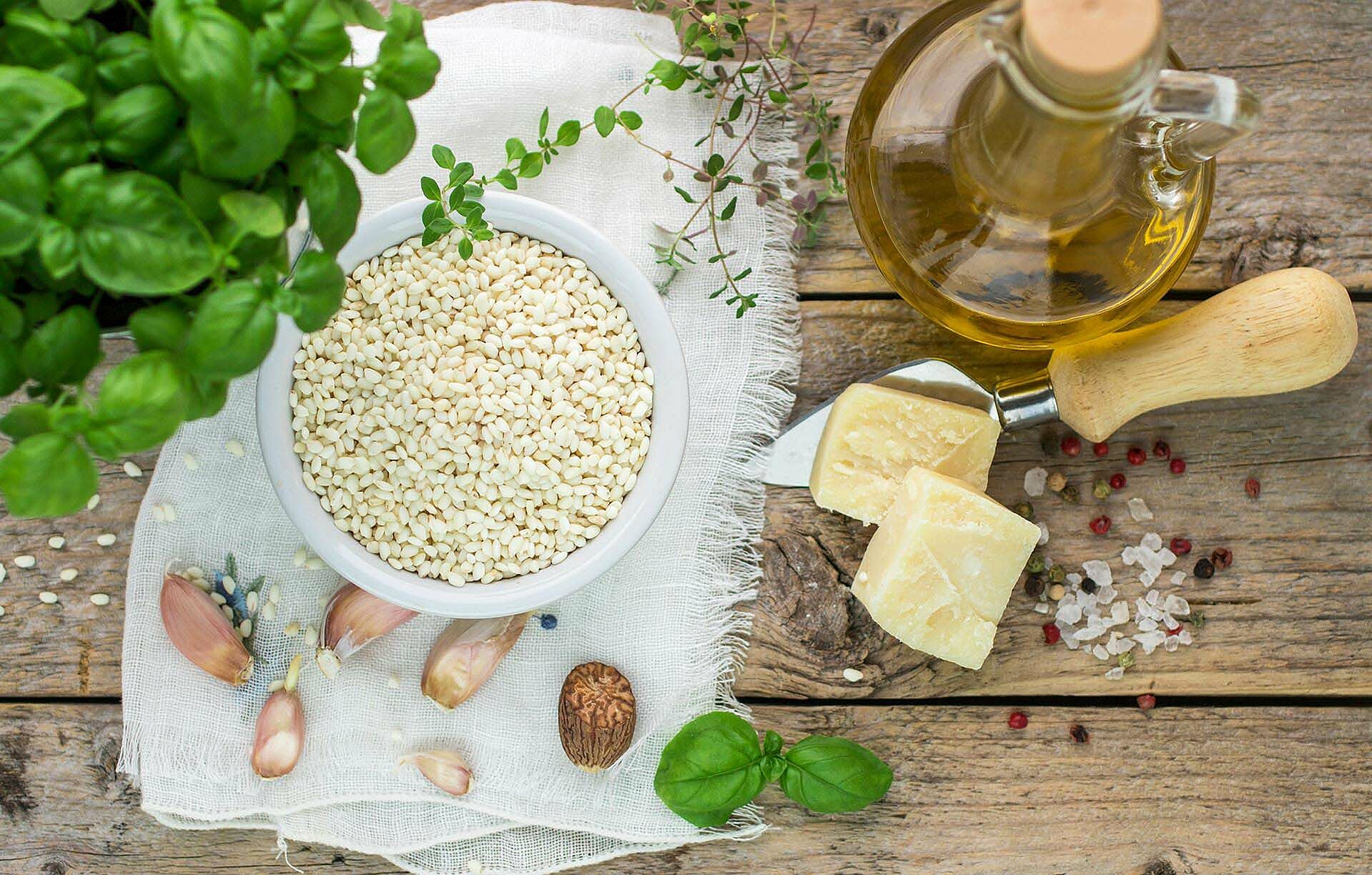
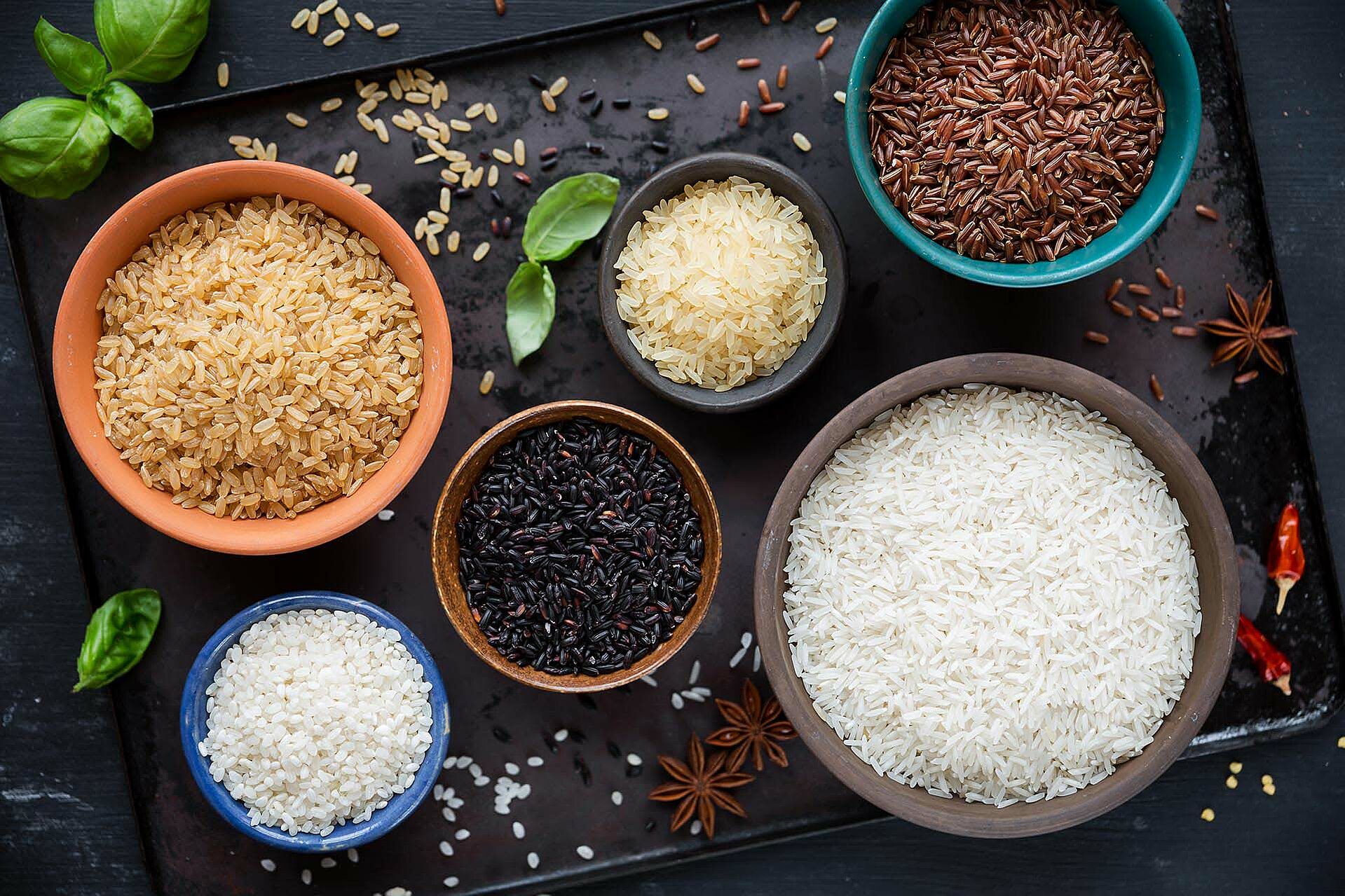
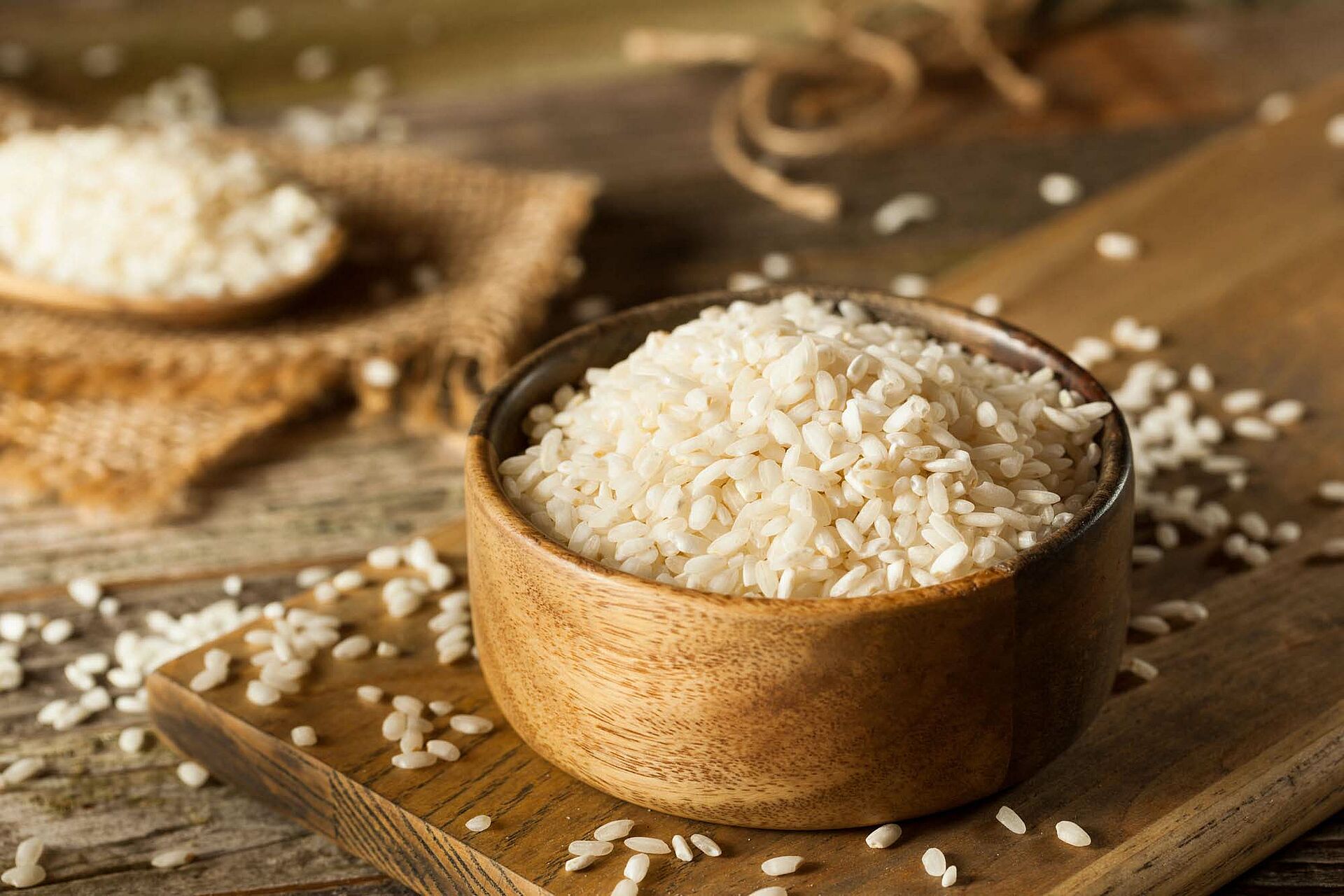
These Are the Best Types of Rice for Risotto
Arborio
Arborio rice gets its name from the town of the same name in Piedmont. This variety of rice has grains about 7 millimeters in size that remain al dente when cooked, while their surface releases a lot of starch. When gently stirred, Arborio produces a very creamy risotto.
Carnaroli
The Italian rice variety Carnaroli was developed in 1945 by crossing the Vialone and Lencino varieties and has been cultivated in Piedmont ever since. The light-colored rice grain is very firm and remains al dente even after prolonged cooking. A risotto made with Carnaroli does not stick together easily.
Vialone
Vialone rice is slightly larger and rounder than Carnaroli. It has a slightly shorter cooking time. When cooked, Vialone is lighter and softer than the more firm-grained Carnaroli.
For a creamy risotto where the rice grains still have the desired bite, you should use special risotto rice. You can find either ready-made risotto rice blends or single-variety options in stores. The varieties suitable for risotto have a round, plump grain. They can absorb a lot of liquid and remain al dente at the center when cooked. The high starch content ensures that the risotto cooks up nice and creamy. Risotto rice typically has a nutty aroma.
The History of Risotto—How Rice Came to Italy
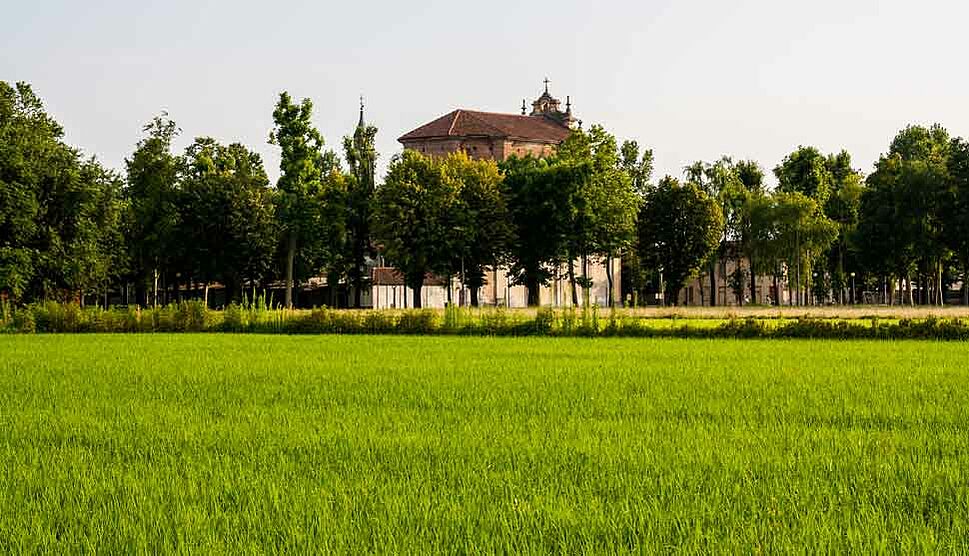
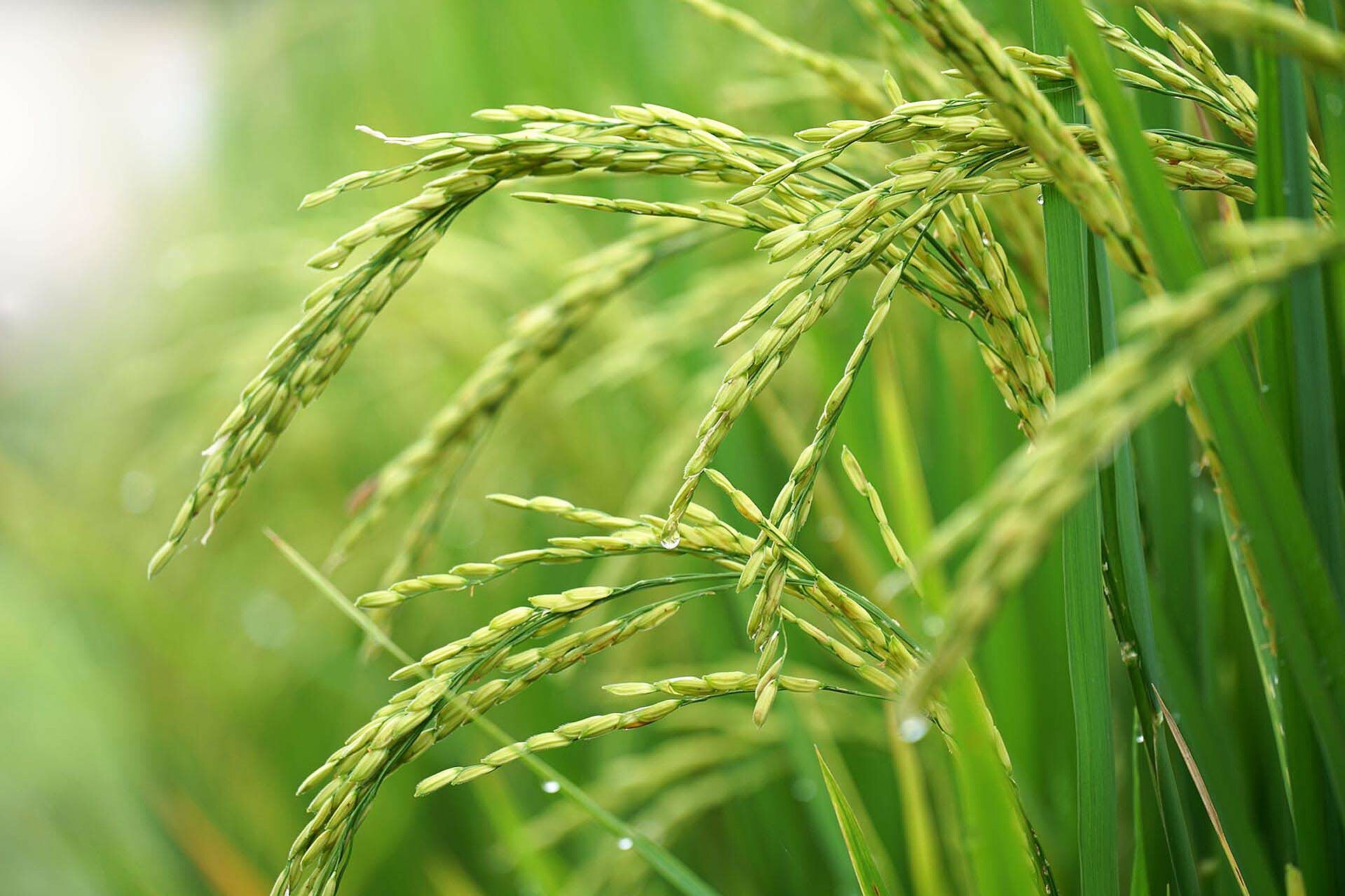
This small, round grain is not only very popular in Asian cuisine; rice—especially risotto rice—is also widely enjoyed in Italian cuisine. It is therefore not surprising that Europe’s largest rice-growing region is located in Italy. The northern Italian provinces of Vercelli and Novara are located in the fertile Po Valley in Piedmont. Rice has been grown here since the year 1500. Today, approximately 1.6 million metric tons of rice are harvested there annually—primarily risotto rice varieties. To grow rice, the fields are flooded, which is easily done in the Po Valley thanks to the nearby, clean mountain rivers. The water is necessary for the rice plants to grow, but it also protects them from the heat.

Interesting Facts About Risotto
Where does the name "risotto" actually come from, and why do you have to stir risotto constantly? We'll answer these and many other questions here.
Where does the name "risotto" come from?
The word “risotto” is a combination of “riso”—the Italian word for rice—and the suffix “tto,” which is actually “otto” and is used in Italian as a diminutive. Roughly translated, the name “risotto” means “little rice dish.”
Why do I have to keep stirring the risotto?
Otherwise, the rice will quickly stick to the bottom of the pot. In addition, the constant stirring helps the starch from the rice grains to be released. This gives the risotto the creamy texture it needs.
For those who like to experiment: An alternative to stirring is letting the rice soak. To do this, add all the broth to the rice, bring it to a brief boil, and then let it soak for about 20 minutes over very low heat—with the lid on.
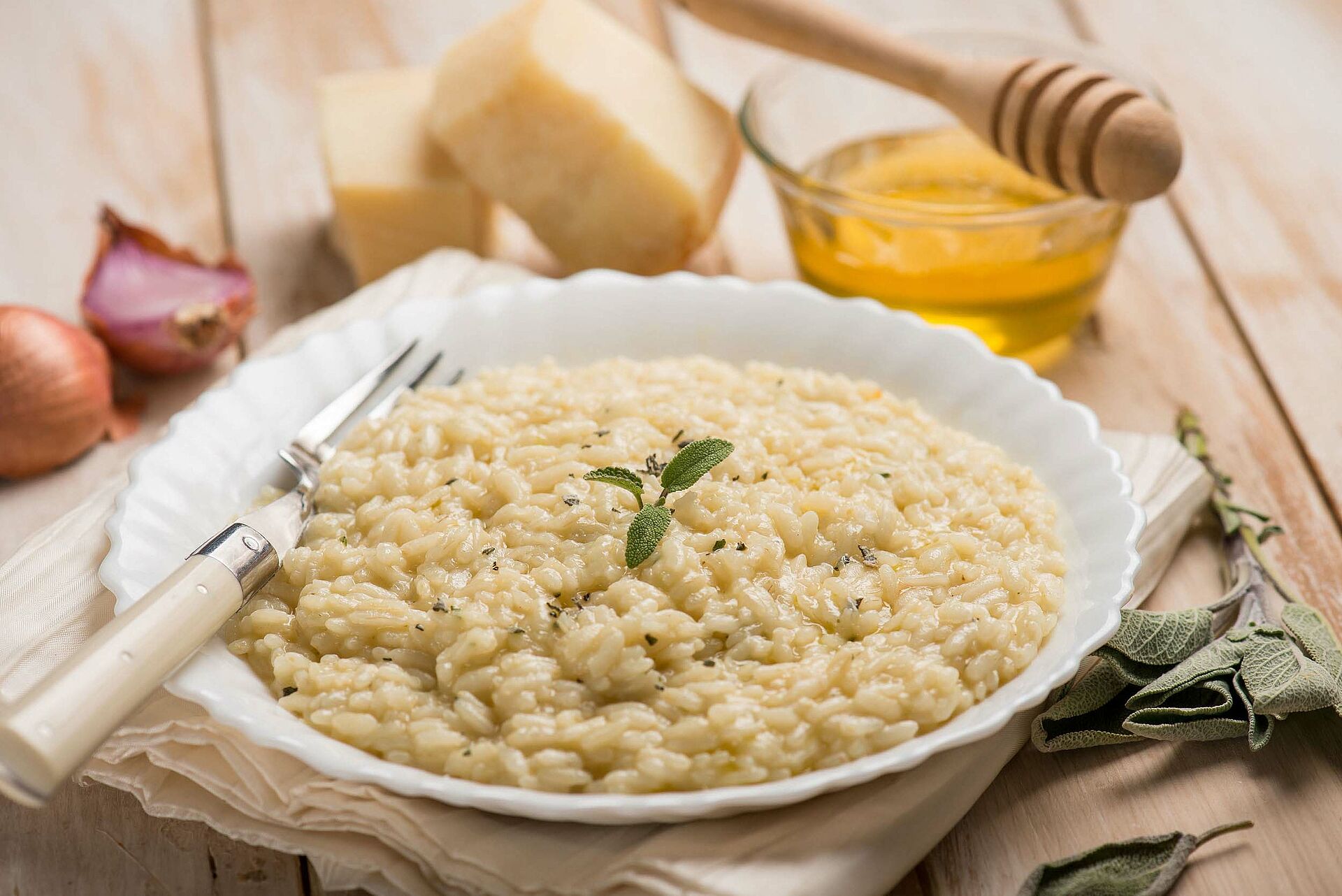
Creamy, thick, gooey, and slurpy—the consistency of risotto
When it comes to the consistency of risotto, there are many terms in use, such as "schlonzig," "schlurzig," or "sämig." The terms vary by region, but they all mean the same thing: the soft, creamy texture that binds the rice grains together. That’s what makes a good risotto.
Risotto – a basic risotto recipe and many risotto variations
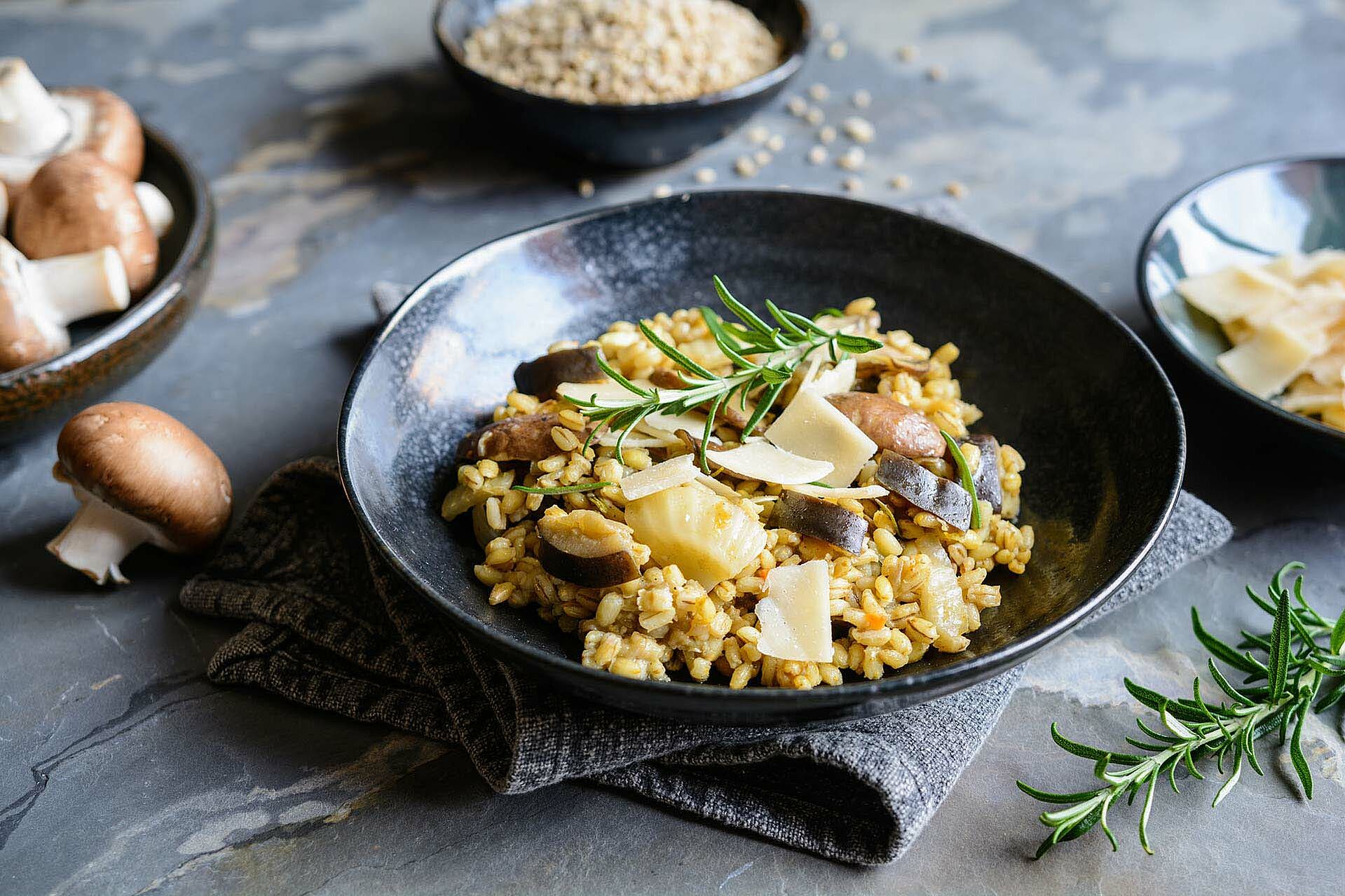
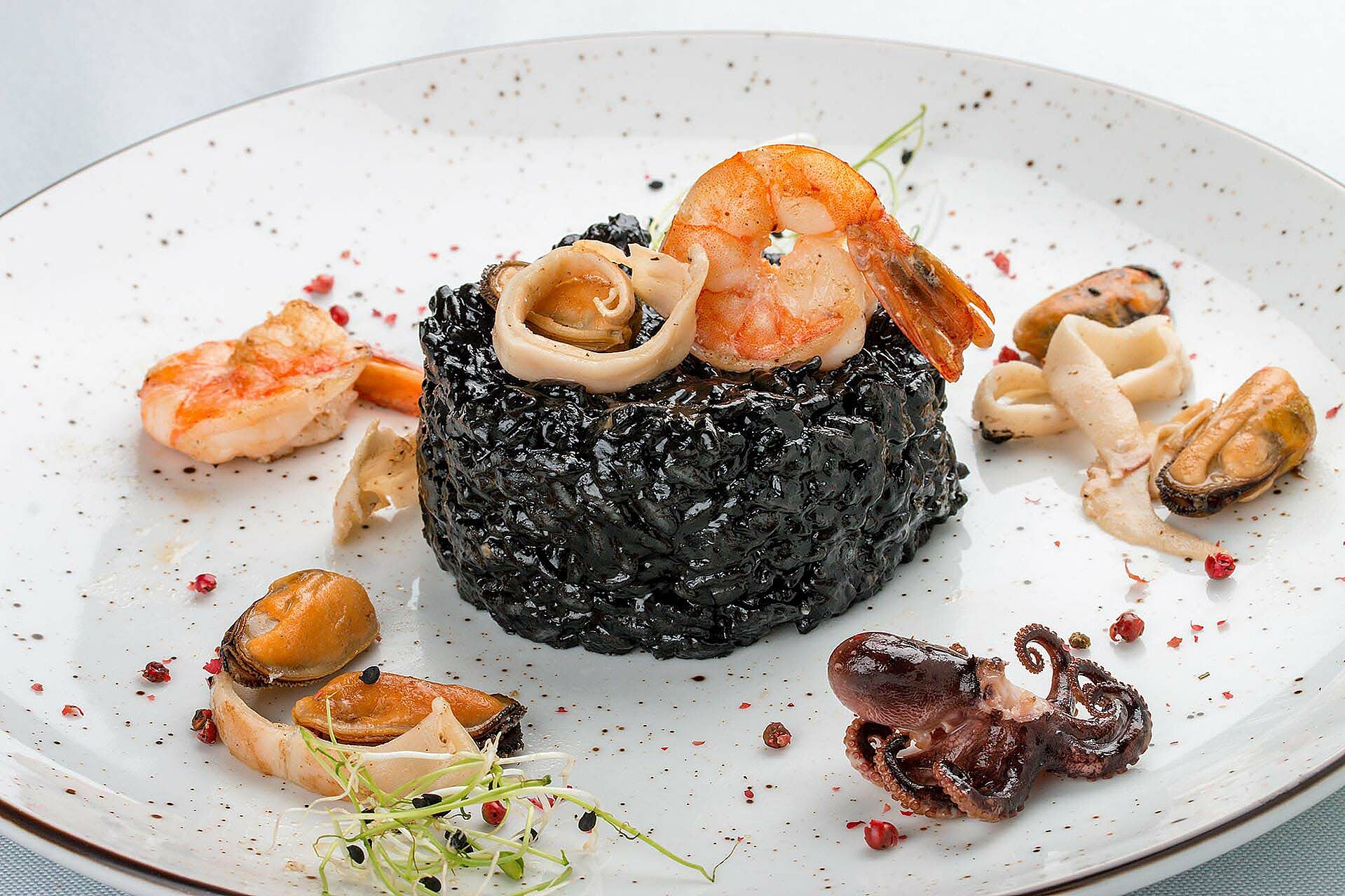
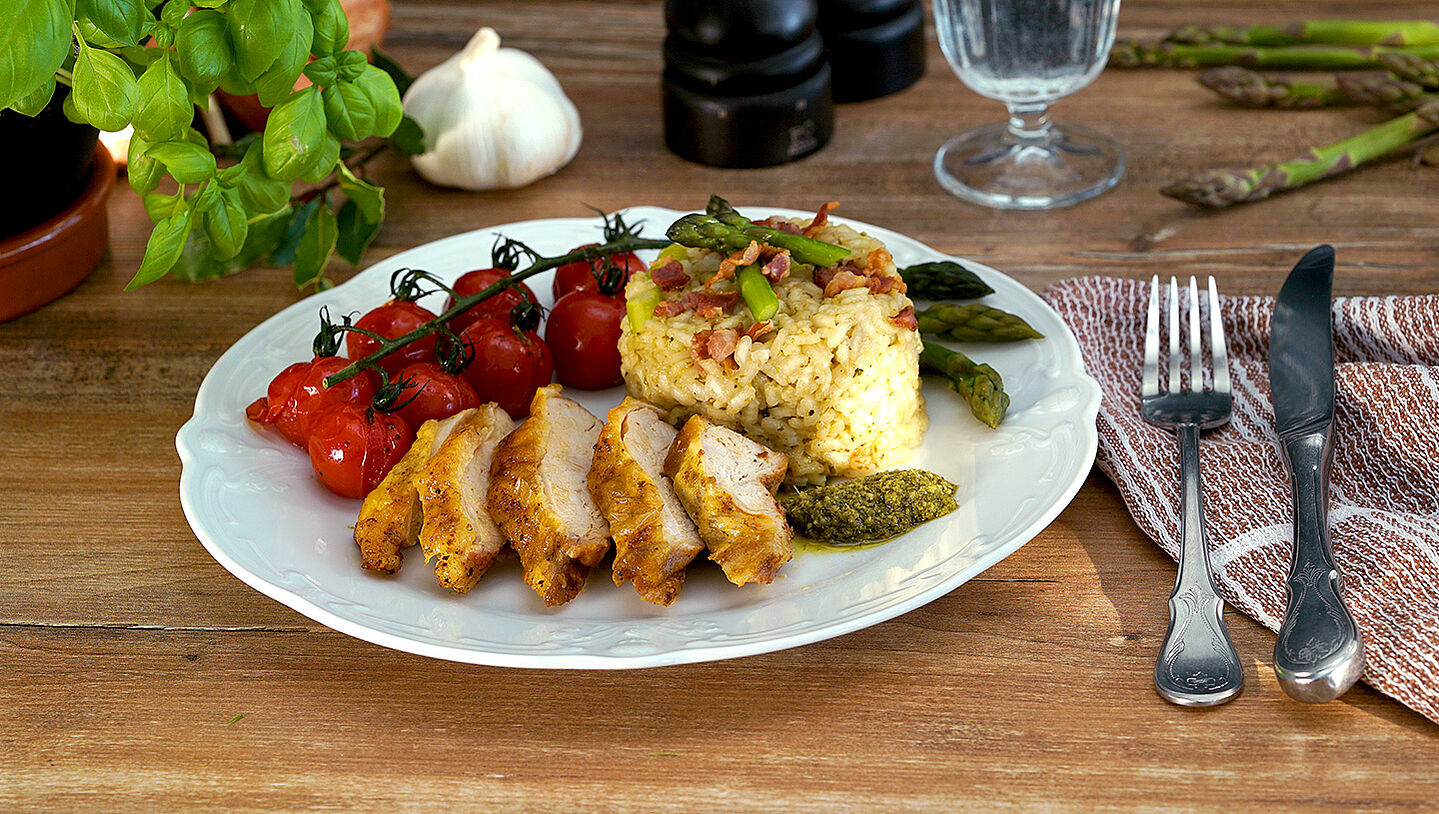
As with all Italian dishes, the same applies to risotto: there is a wide variety of regional variations. Whether it’s risotto alla milanese, Sicilian risotto ai ricci di mare with sea urchins, Venetian risotto nero with squid, or the well-known risotto al funghi, that is, a risotto with mushrooms or a risotto with green asparagus—there’s a risotto dish to suit every taste. Especially in northern Italy, risotto is served as a “primo piatto,” or first course. With some dishes, such as ossobuco, risotto is a traditional side dish, while with others it is an important component of the dish, as in the case of arancini di riso stuffed with risotto.
Step 1
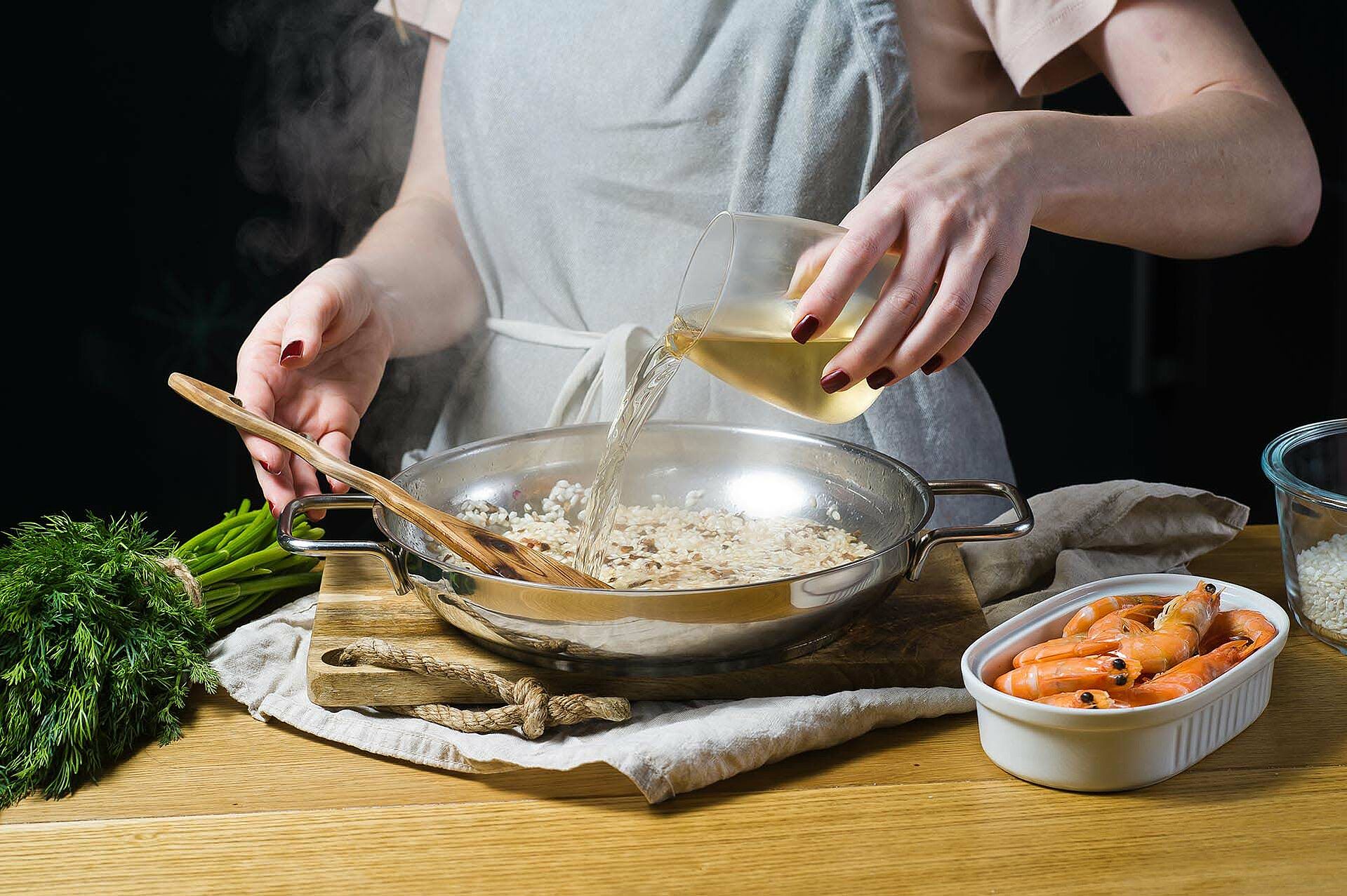
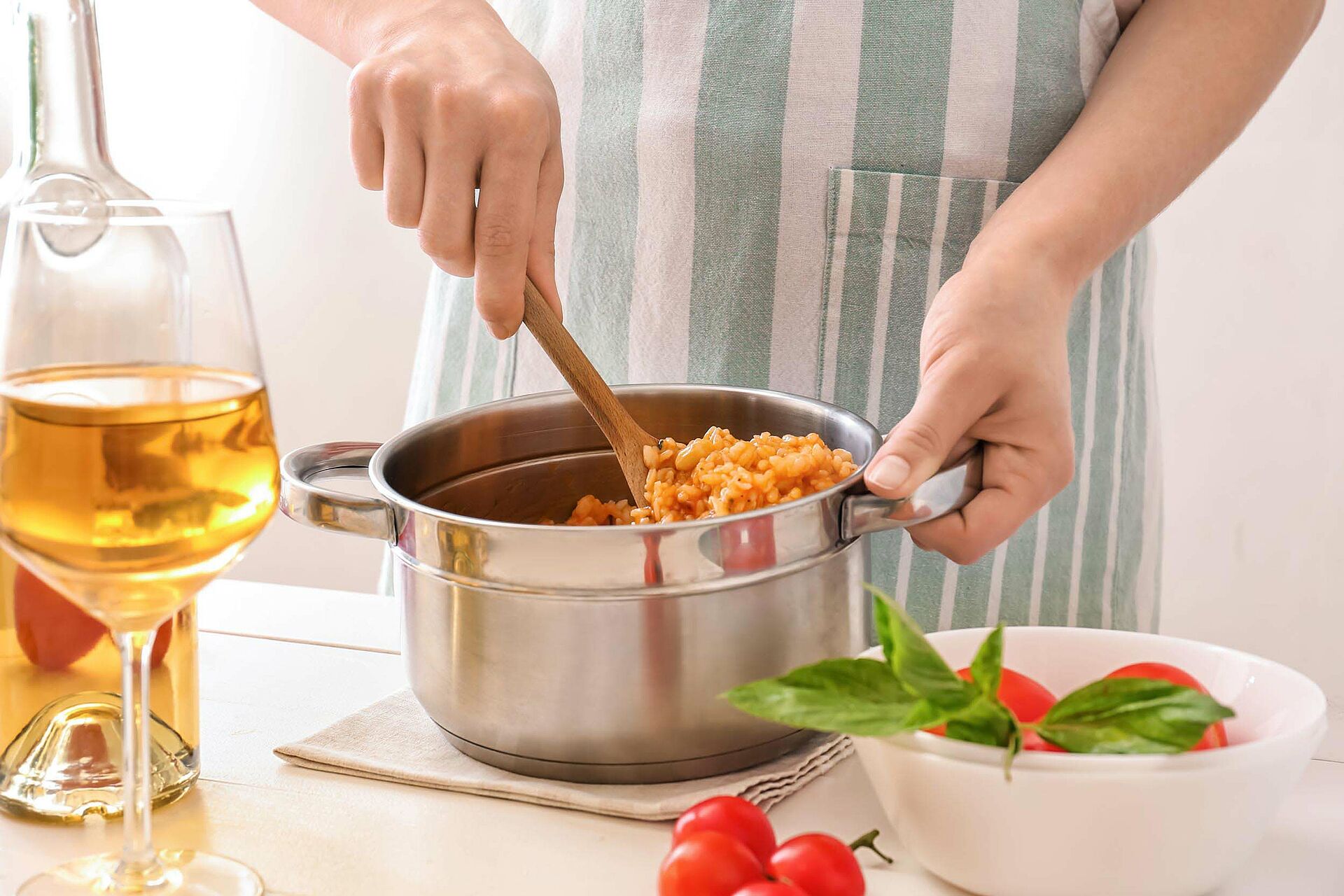
Sauté the dry rice with onions and butter. After a while, it will start to “talk” to you. This means the rice begins to crackle and sizzle softly. Then it’s time to deglaze it with white wine and stir gently.
Step 2
Gradually pour in the hot broth. Under no circumstances should the rice be swimming in the broth, so you should only add a little broth at a time while stirring.
Tip
: It’s best to use a wooden spoon to stir risotto, as it’s gentler on the rice grains.
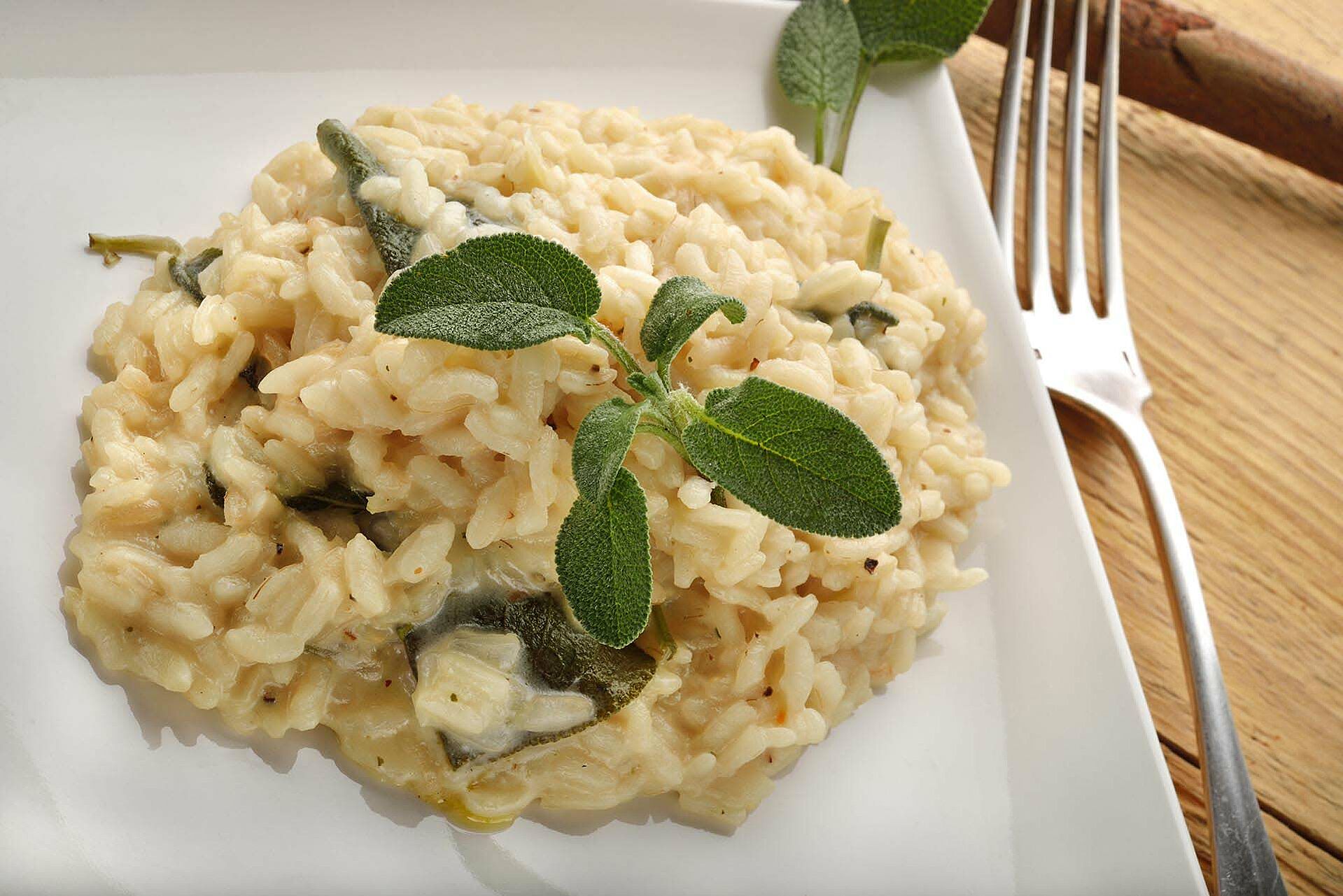
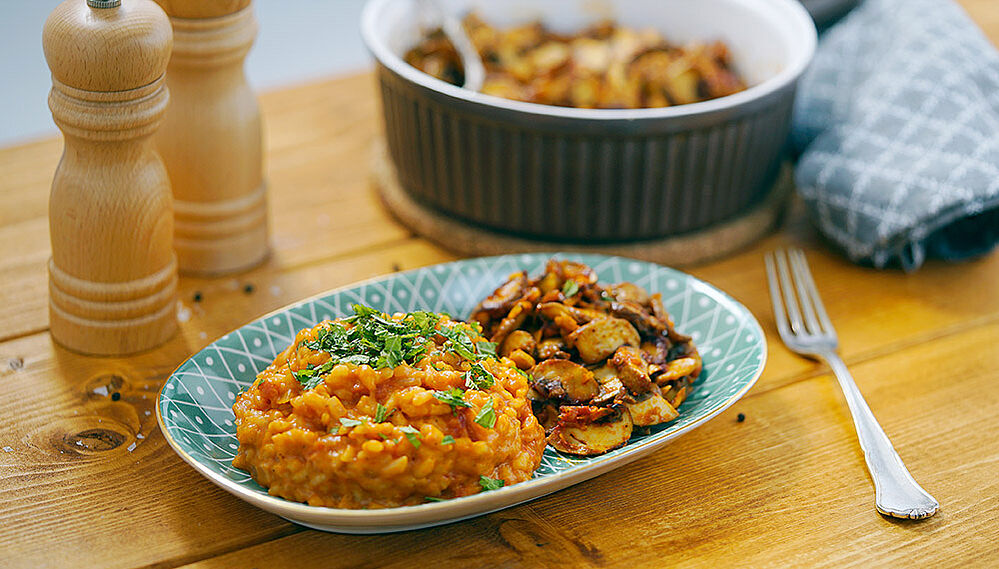
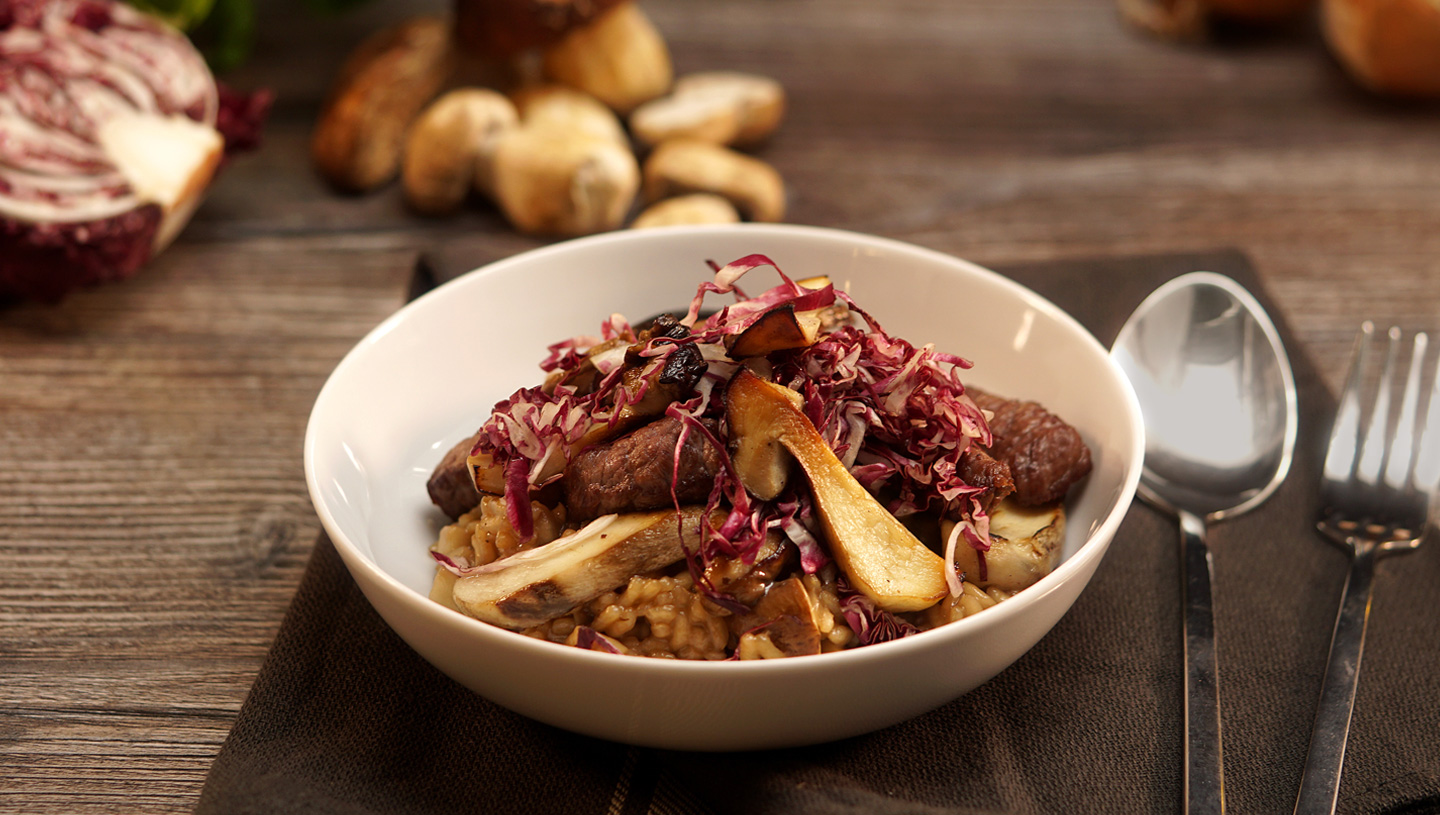
Additional ingredients give the risotto a special flavor, such as the addition of beef marrow bones in risotto alla milanese. In Italy, sage leaves fried until crispy in butter are also often sprinkled over risotto, resulting in a dish that’s as simple as it is delicious. Other ingredients color the rice—squid gives it a spectacular black hue, and tomatoes a bright tomato-red color.
How do you make risotto creamy?
This dish is easy to make—if you can stay calm and patient. Focus entirely on the risotto and don’t try to cook anything else at the same time. Cooking risotto is a very meditative process—don’t let anything disturb your peace of mind during the 15 to 20 minutes it takes. Gently stirring prevents the risotto from sticking to the bottom of the pot. At the same time, it ensures that the starch is released from the rice grains, giving the risotto a lovely creamy texture. A perfectly cooked risotto will reward you for your effort.
Risotto Milanese – the classic dish
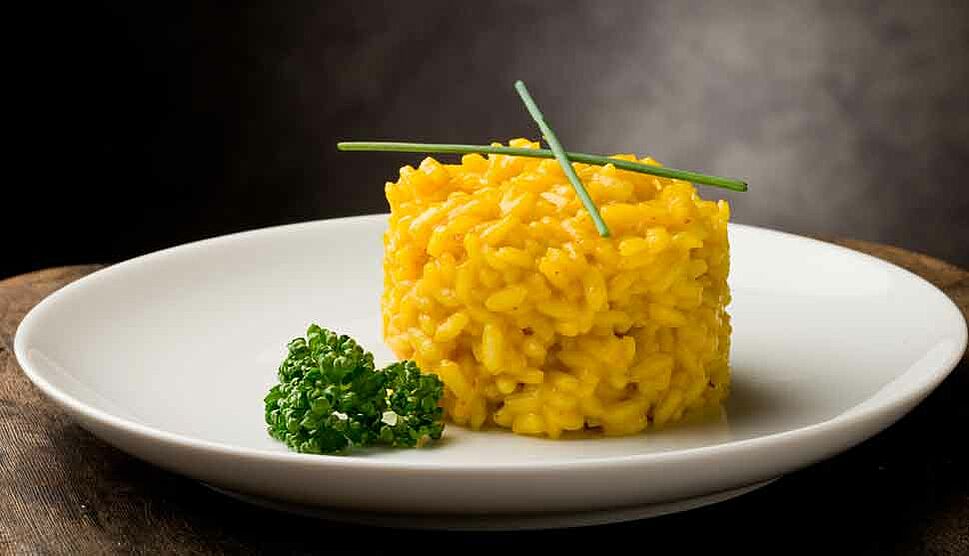
The saffron-yellow Risotto Milanese is arguably the best-known risotto dish. It gets its yellow color from the use of real saffron and its unique flavor from onions sautéed in beef marrow.
How Milanese risotto got its unmistakable color
In the Middle Ages, people were in the mood for pranks—at least one apprentice in the glassmaking trade was. In his line of work at the time, it was customary to color window glass for churches and places of worship with saffron. This gave the glass a shimmering hue and made it a real eye-catcher. If the story is true, the apprentice mixed a portion of glass dye into his master’s risotto. What was actually intended as a little jab pleased the master so much that from then on, he always mixed saffron into his risotto. And so, in no time at all, a new dish spread
Saffron in Risotto and Alternative Spices
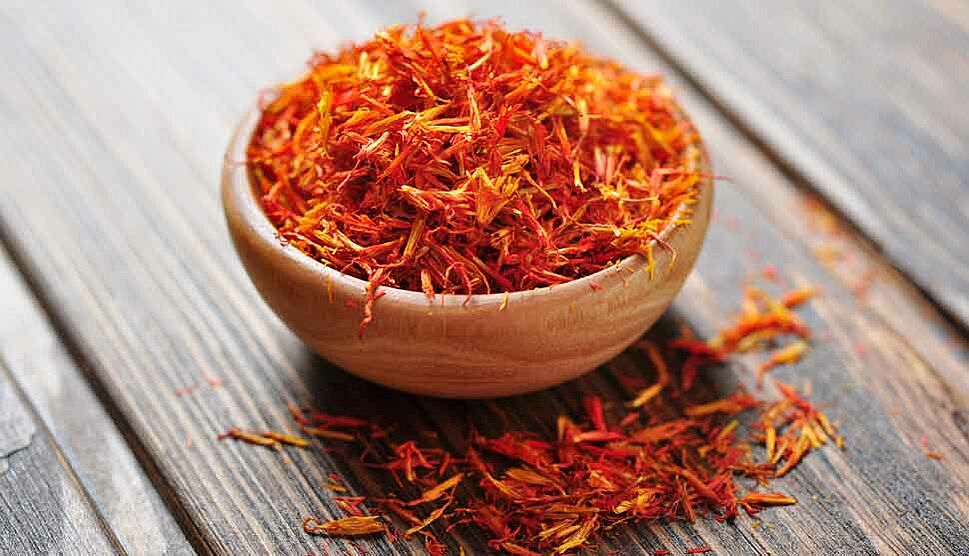
For an authentic Milanese risotto, use about one gram of saffron threads. To do this, soak the saffron threads in about 4 tablespoons of hot broth—under no circumstances should you sauté them with the onions. If you don’t have saffron on hand, turmeric is also a good option for giving the rice a yellow color. However, it also adds its own distinct flavor to the dish. You should therefore use turmeric sparingly.
Saffron is an extremely expensive spice. This is because the stigmas of a specific crocus plant are harvested by hand and then dried. It is primarily grown in Iran and Spain. Saffron is sold by the gram, either in threads or ground. Always soak saffron before adding it to a dish, as the spice is water-soluble. You then use the reddish-colored water for cooking—and voilà, the dish takes on a vibrant yellow color.
Parmesan in Risotto
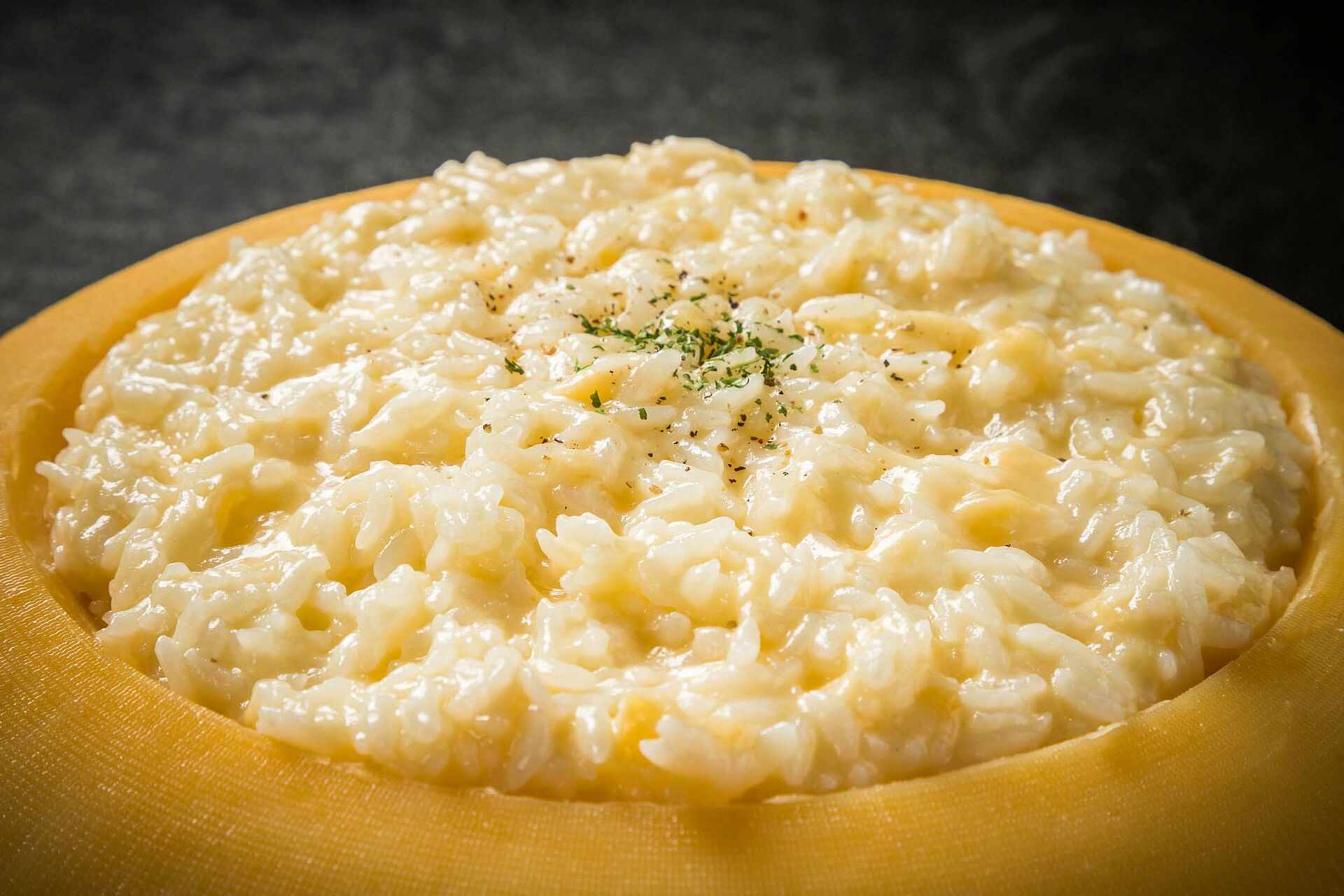
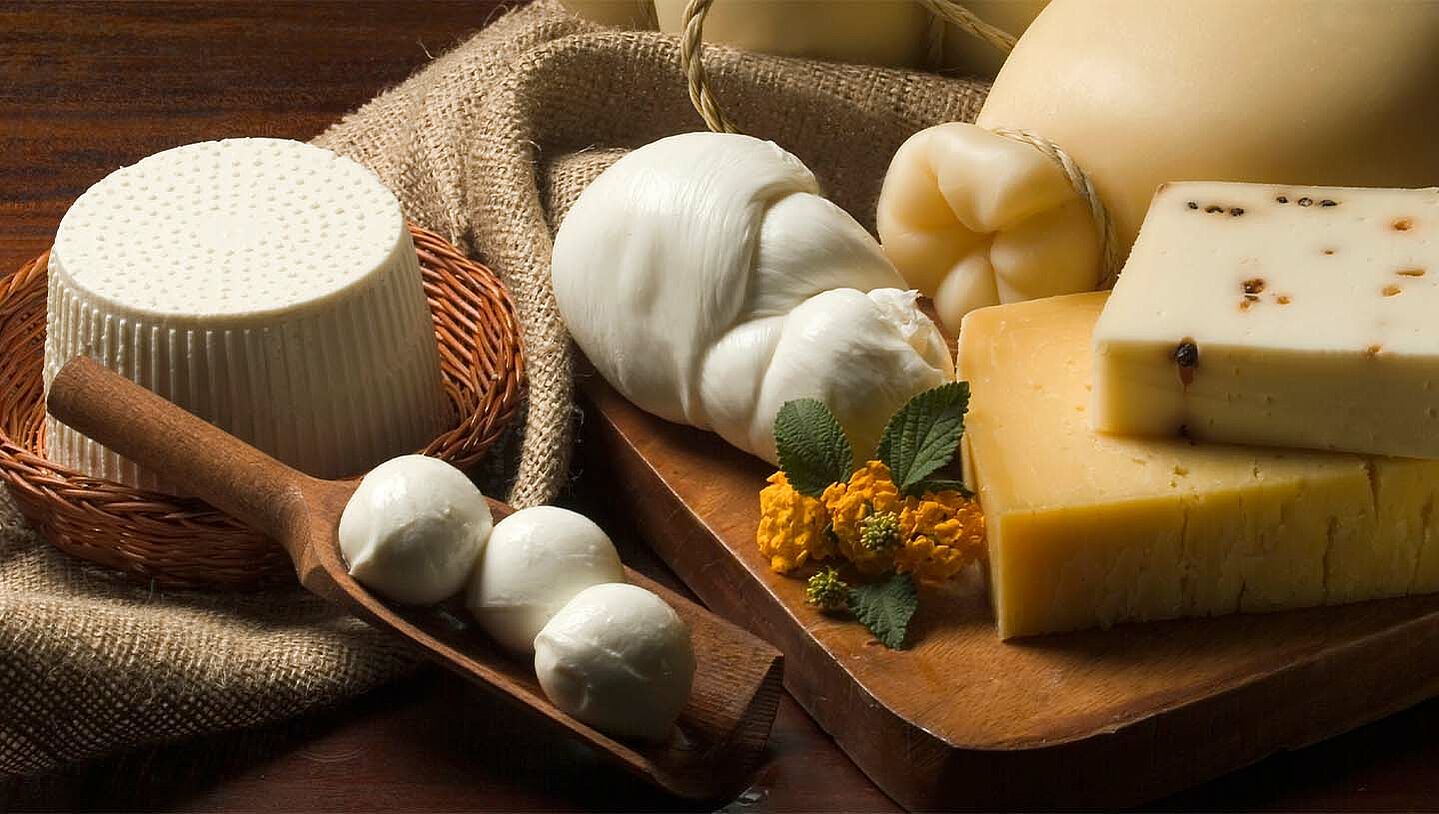
The cheese binds the rice dish together, makes it wonderfully creamy, and adds a savory finish to the flavor. When serving, you can sprinkle or shave a little Parmesan over the risotto. Some recipes also call for other types of cheese, which then add a different flavor note to the dish.
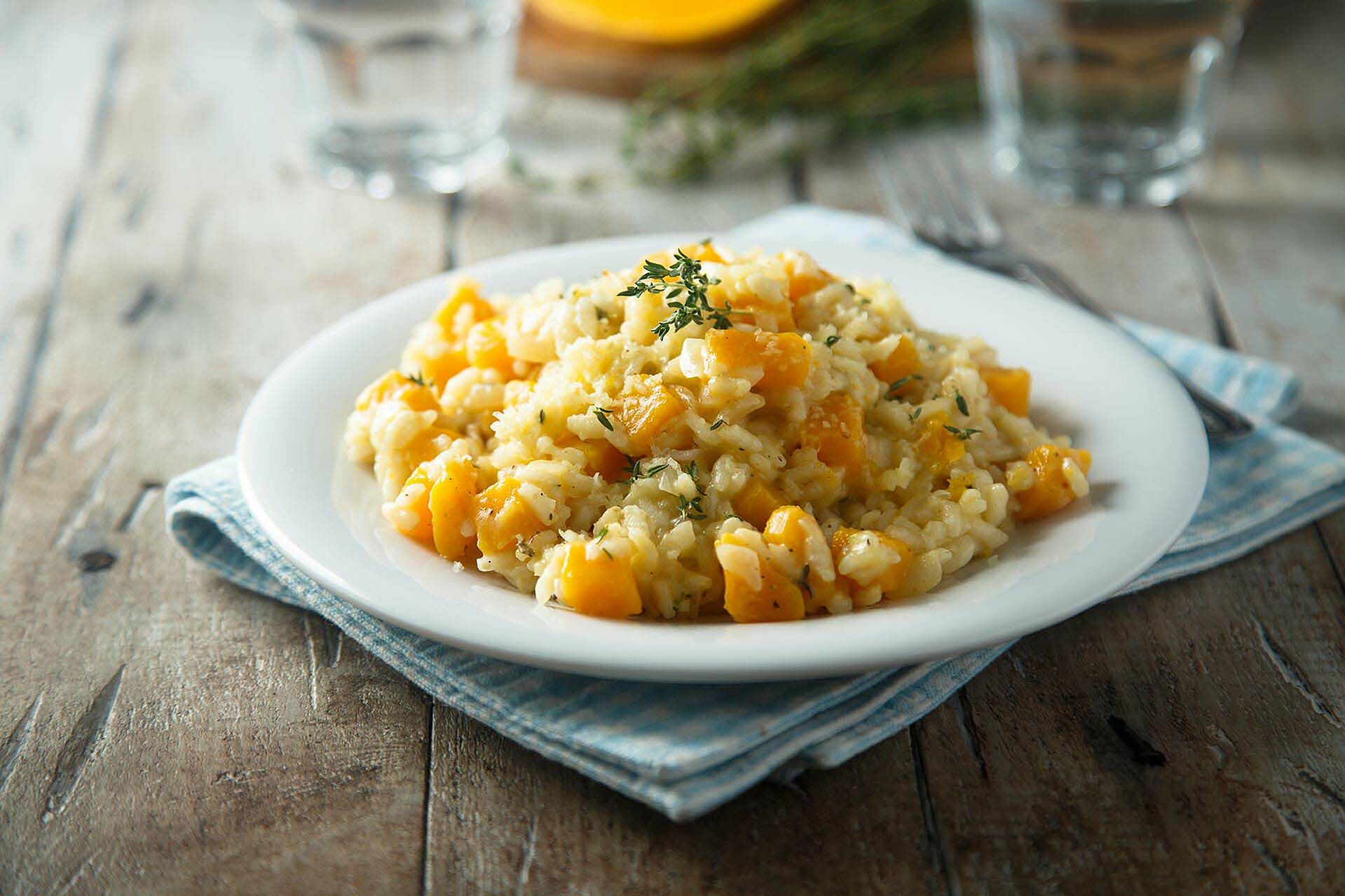
Just like with pasta, there are no limits to your creativity when making risotto, and you can prepare it exactly as you like. With seasonal ingredients like pumpkin, fresh truffles, or classic recipes such as lime, champagne, or saffron risotto, you’re sure to find a dish you’ll love. Made with authentic risotto rice and a little patience while stirring, this Italian classic becomes a delightful and varied treat. Buon appetito!