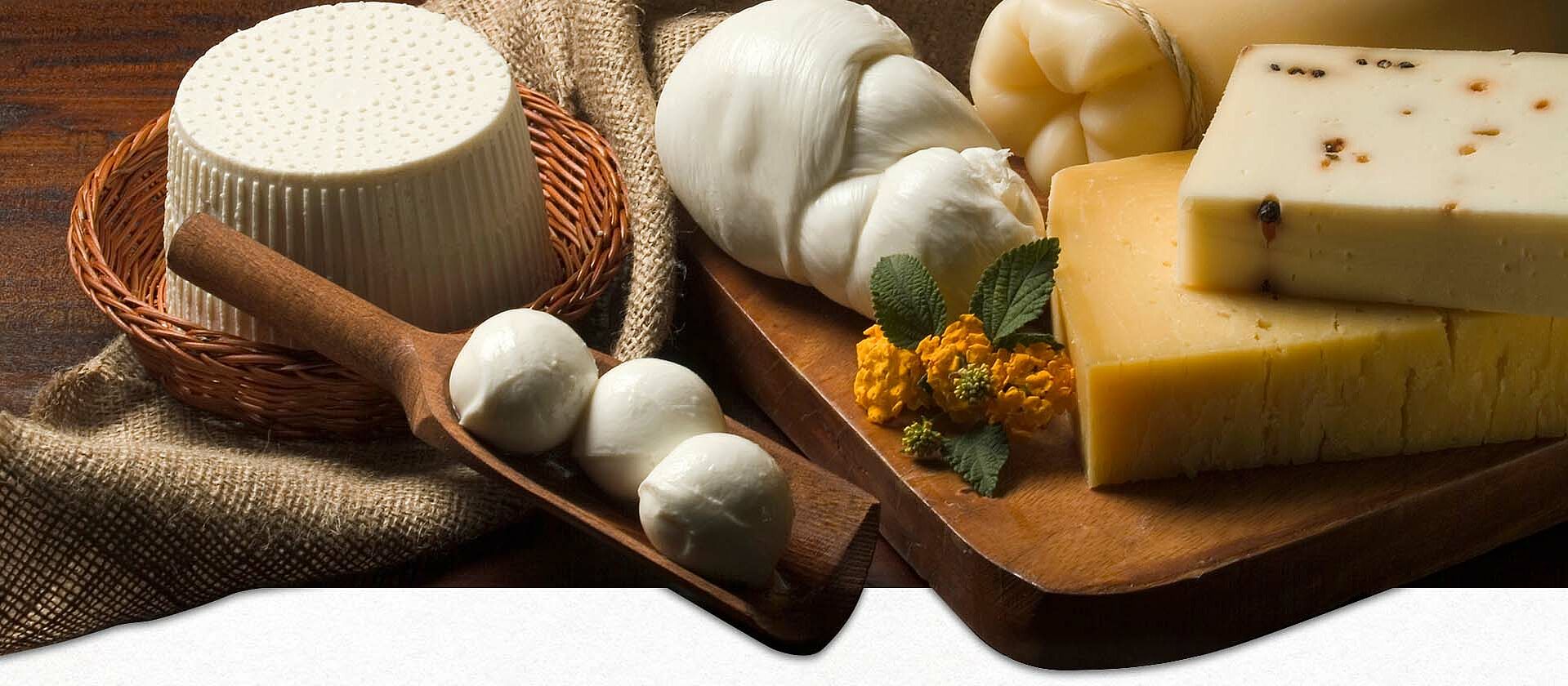
In Italy, agricultural production and regional cuisine are closely intertwined. Milk production from sheep, goats, cows, and even water buffalo has given rise to a wide variety of cheeses. In this culinary secret, we’ll tell you everything about “formaggio”—the Italian word for cheese—and introduce you to 9 Italian cheeses.
WHAT INTERESTS YOU IN PARTICULAR?
The Variety of Italian Cheeses
The most popular Italian cheeses


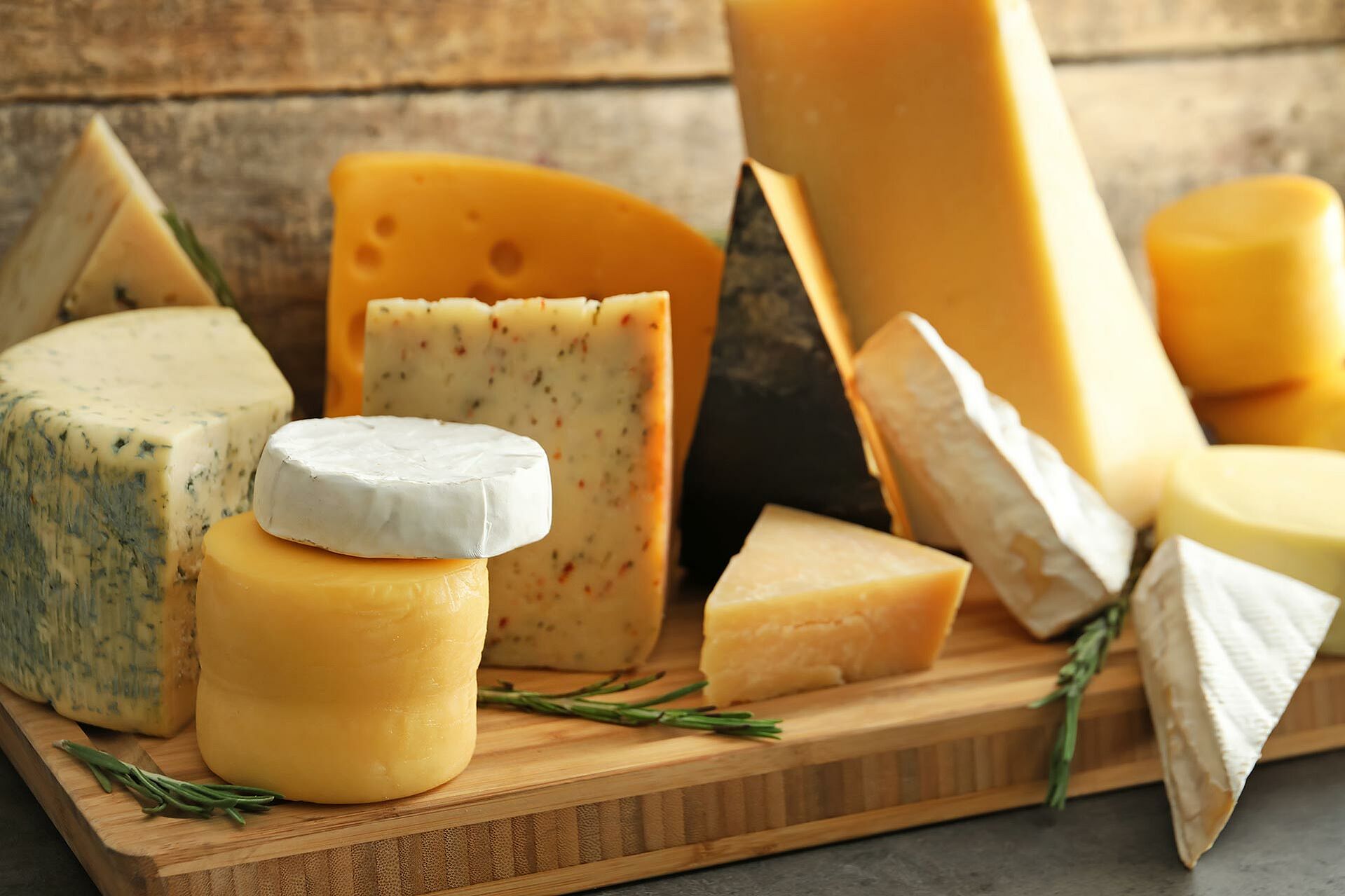
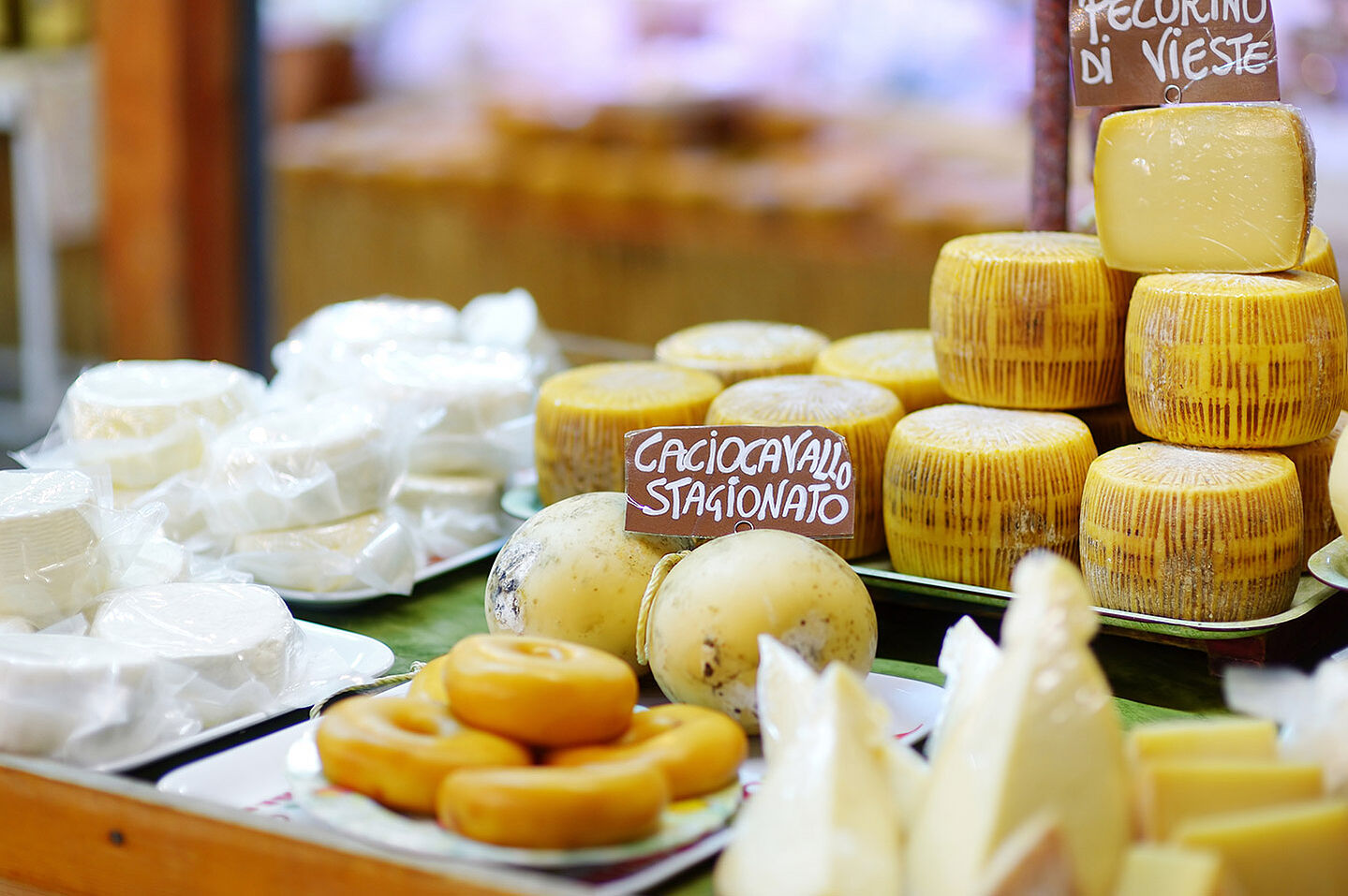
Italy has a wide variety of cheeses
Today, Italy is considered, along with France, to be the country with arguably the most varieties of cheese. Soft cheese, hard cheese, blue cheese, or cream cheese—there are currently over 400 varieties of Italian cheese, 30 of which have received the coveted DOP certification. The abbreviation stands for “Denominazione d’Origine Protetta,” the Italian seal for products with a protected designation of origin. Many types of cheese have also made their way into German supermarkets—since Parmesan, mozzarella, and mascarpone are also very popular here.
Parmesan
One of the first Italian cheeses to find its way into German kitchens is Parmesan—or “Parmigiano Reggiano,” as it’s called in Italian. After all, an authentic Italian pasta dish is always topped with a little freshly grated Parmesan.
Parmesan has been produced for more than 900 years and soon became popular beyond the borders of its region of origin, Parma. As early as 1344, Giovanni Boccaccio—presumably in Florence, 200 kilometers from Parma—wrote in his *Decameron* about “grated Parmesan cheese with macaroni and ravioli.” By the 16th century at the latest, Parmesan was being exported throughout Europe. Because other cheese makers were also trying to imitate this aromatic cheese, the Duke of Parma granted a protected designation of origin in 1612, specifying “Parma” as the region from which the cheese originated.
Parmesan is a hard cheese, known in Italian as “grana,” which has a very long aging period of up to three years. This aging process results in a high dry matter content, making it particularly easy to grate—and giving it a strong, intense flavor. Sometimes small white spots form on the cut surface of Parmesan. These are known as “tyrosine crystals”: They are a sign of quality and indicate the long aging period of the Parmesan. This is because the protein contained in the cheese breaks down during aging, causing the white spots to form.
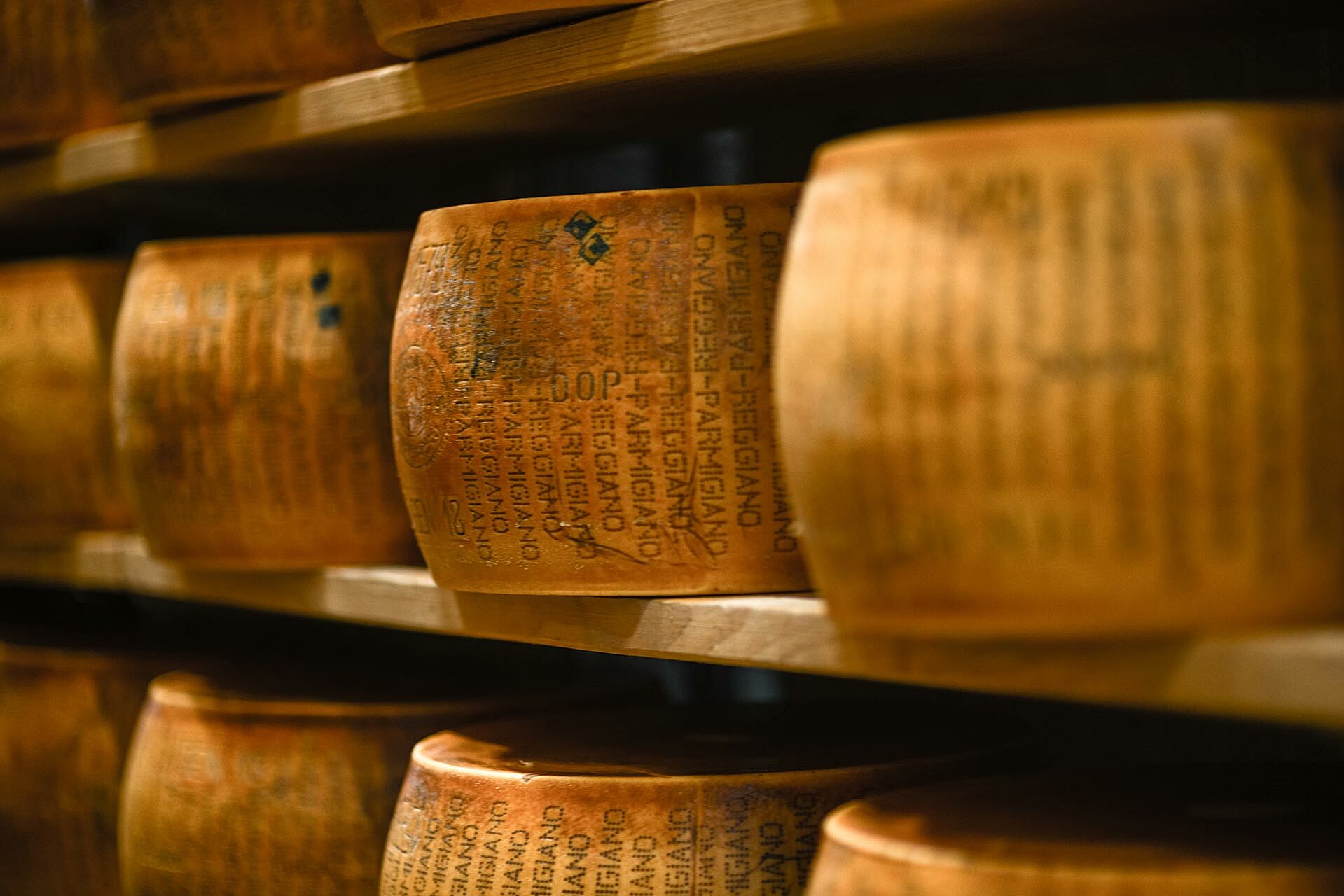
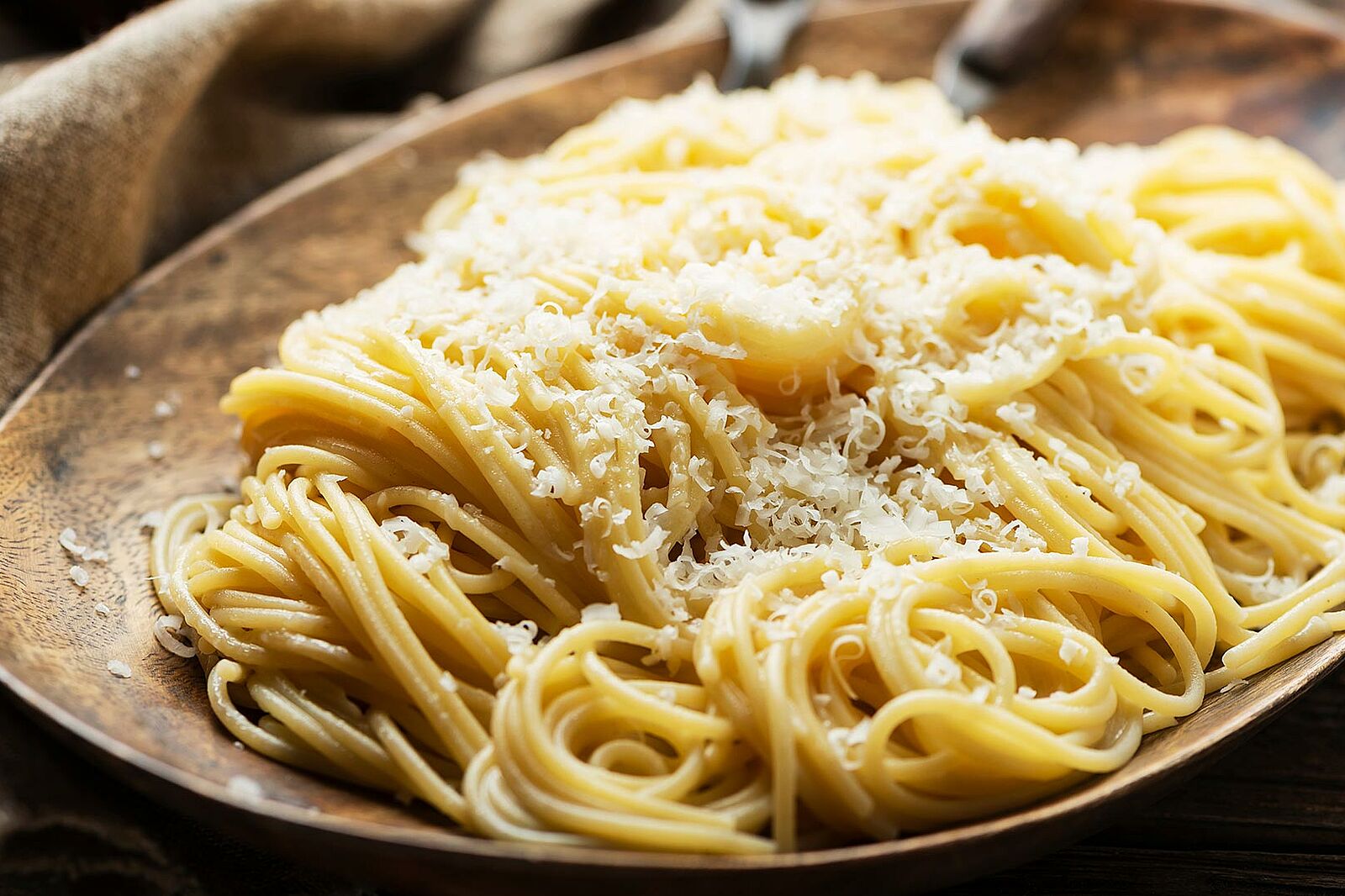
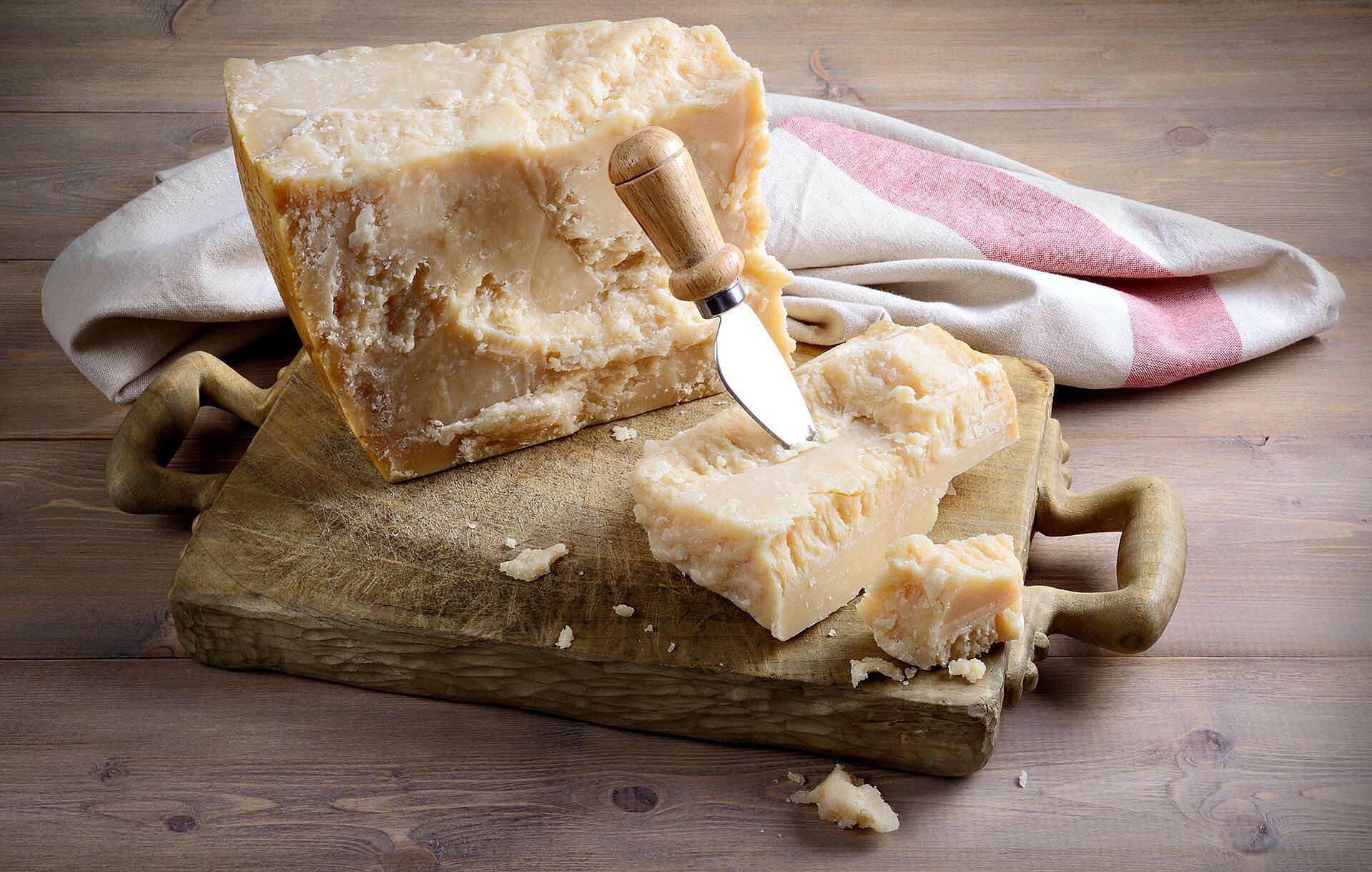
Grana – Hard cheese for grating
Another well-known Italian cheese is the hard cheese Grana Padano and the tangy Pecorino, which pairs exceptionally well with braised eggplant, for example. Grana Padano is a similarly crumbly hard cheese, but it has a different flavor.
Italian hard cheeses are characterized by their long aging period and firm texture. They are used, for example, as grated cheese or to enhance the flavor of homemade pesto.
Relatively unknown in this country: Italian hard cheese
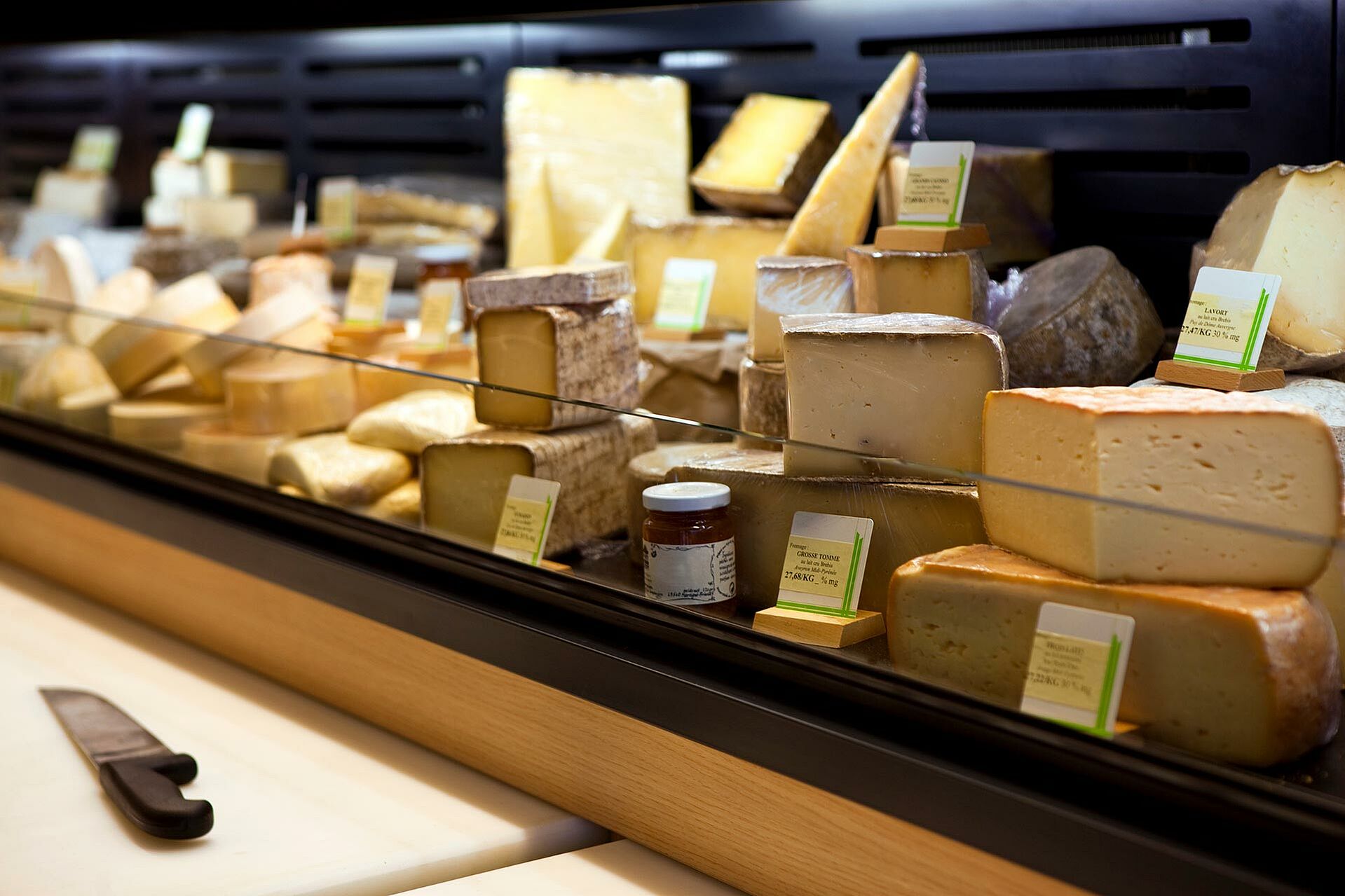
There are also sliced cheeses in Italy, such as the mild Bel Paese (“beautiful country”), which is comparable to a German butter cheese. Although it is known in this country, it is not as widely available as Italian hard, soft, and fresh cheeses.
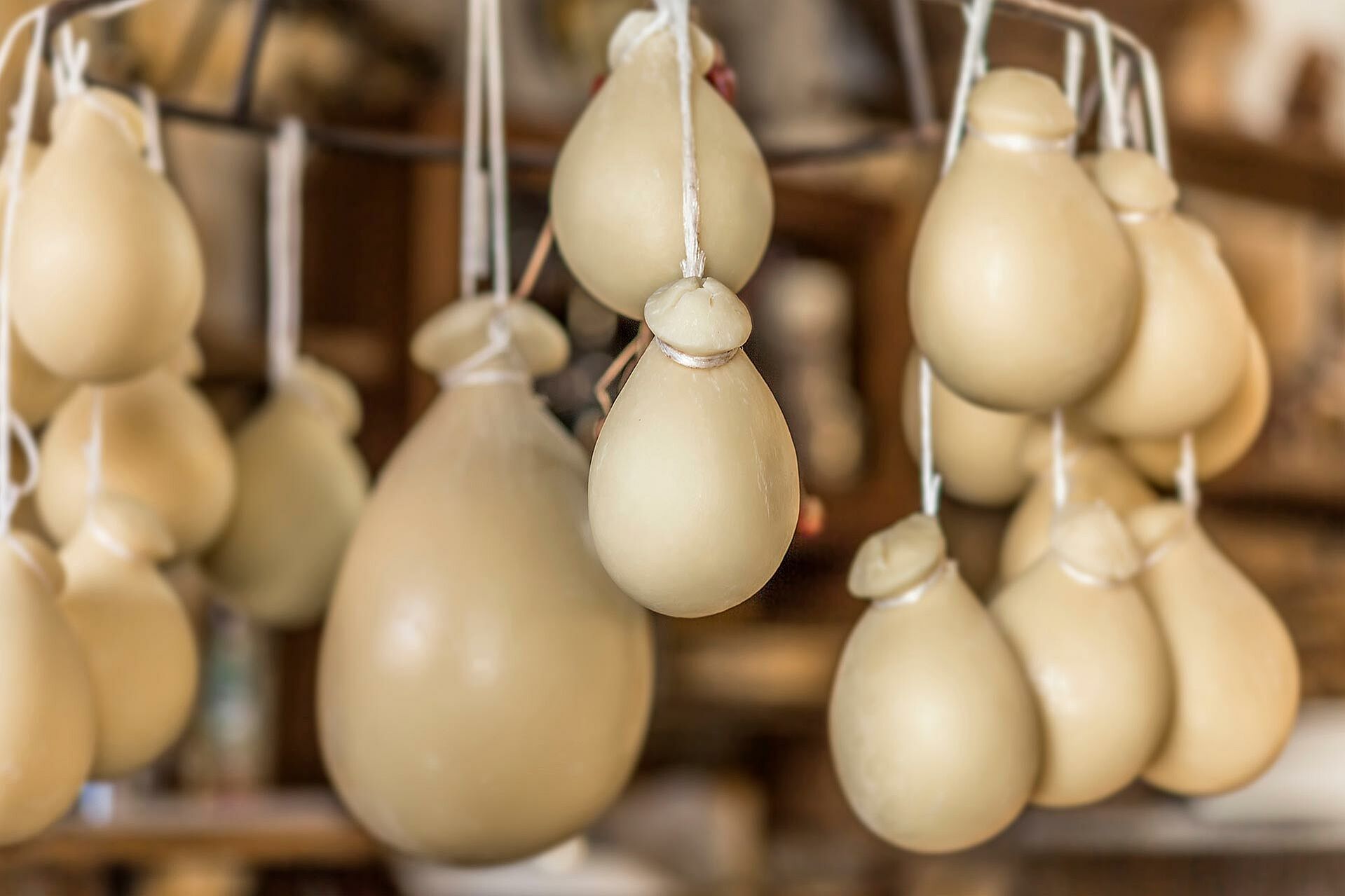
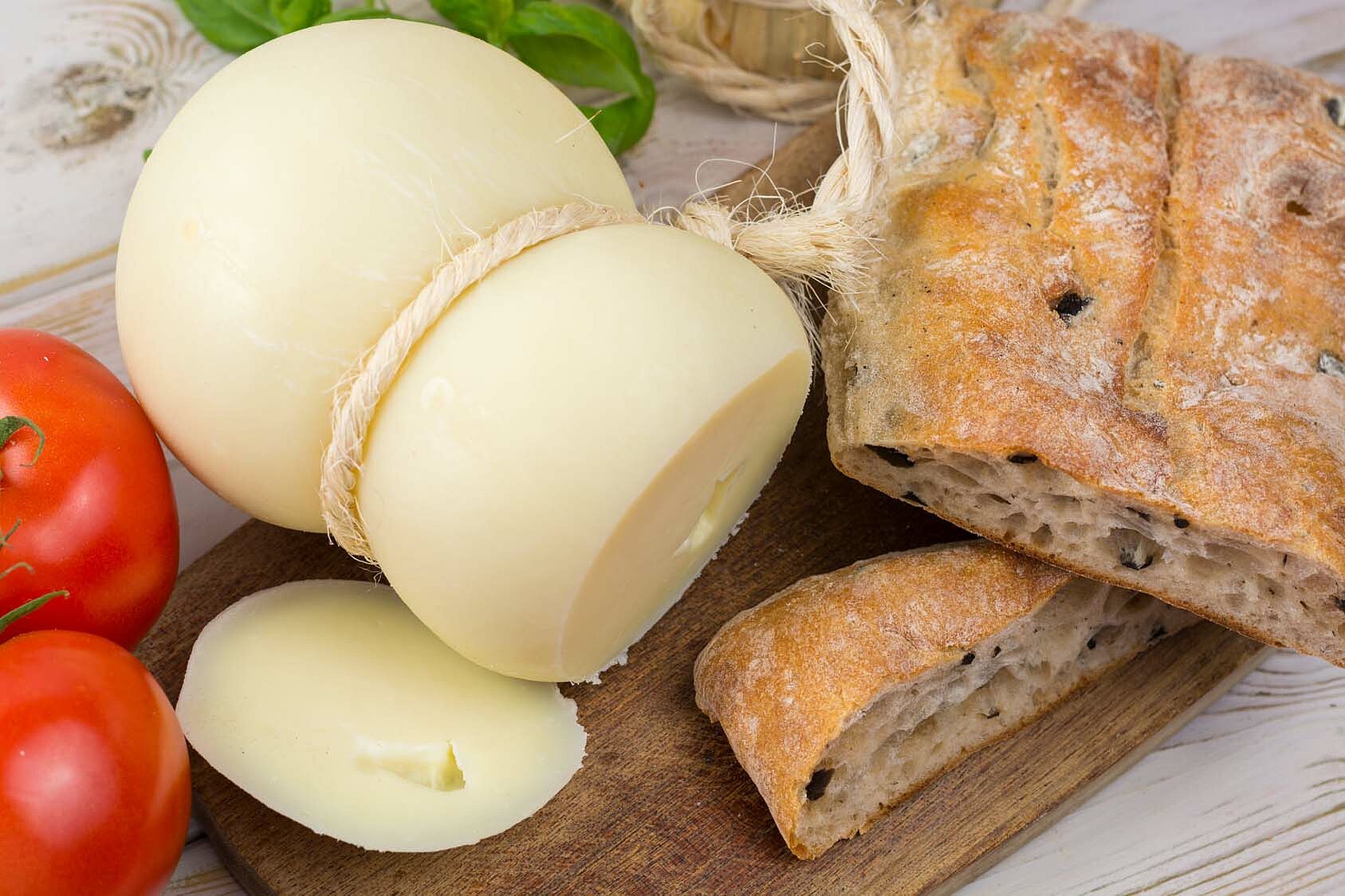
Provolone
This mild cheese is ideal for gratinating vegetable dishes, which is why the savory, aromatic Provolone is becoming increasingly popular. It is usually sold as a round, oval, or pear-shaped cheese tied with string. It is coated with a smooth, yellow paraffin layer. Provolone contains calf rennet—enzymes from a calf’s stomach—which are traditionally used in cheese production. For “Tipo piccante,” however, rennet from sheep or goats is used. Provolone is also available in a smoked variety.
Mild and fresh: Mozzarella and Burrata
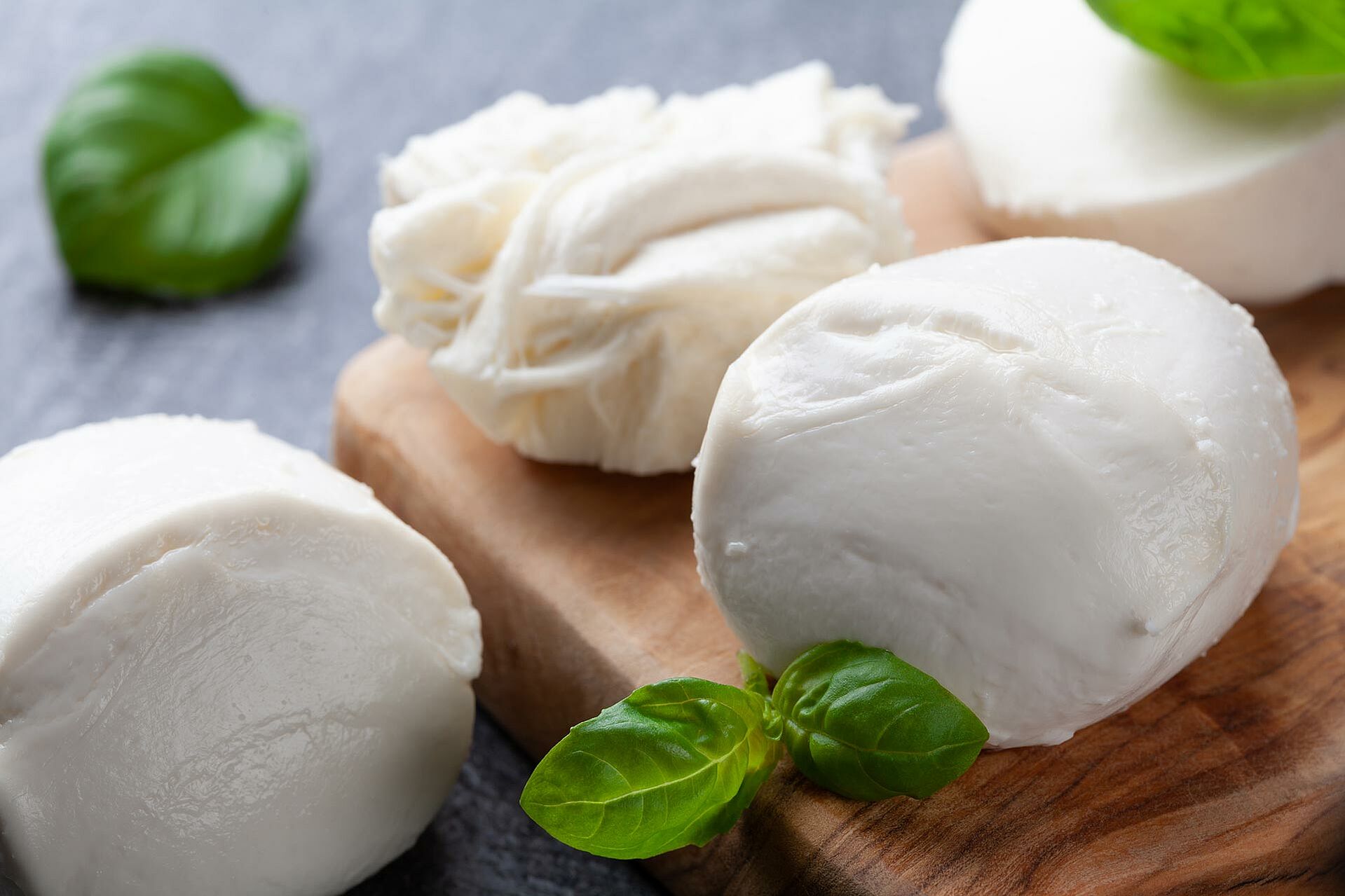
With a ripening period of just one to three days, mozzarella is almost considered a fresh cheese. It is produced using a special manufacturing process called “Formaggio a pasta filata.” In this process, the curd is broken up, acidified, and stretched into long strands. Formaggio a pasta filata therefore translates to “cheese made from spun dough.”
Mozzarella is made from cow’s or water buffalo milk—and is now produced in many regions around the world. The buffalo milk variety has a richer flavor and a more pronounced filata texture. Mozzarella is ideal for gratin dishes because it melts beautifully and has a mild, slightly salty flavor of its own.
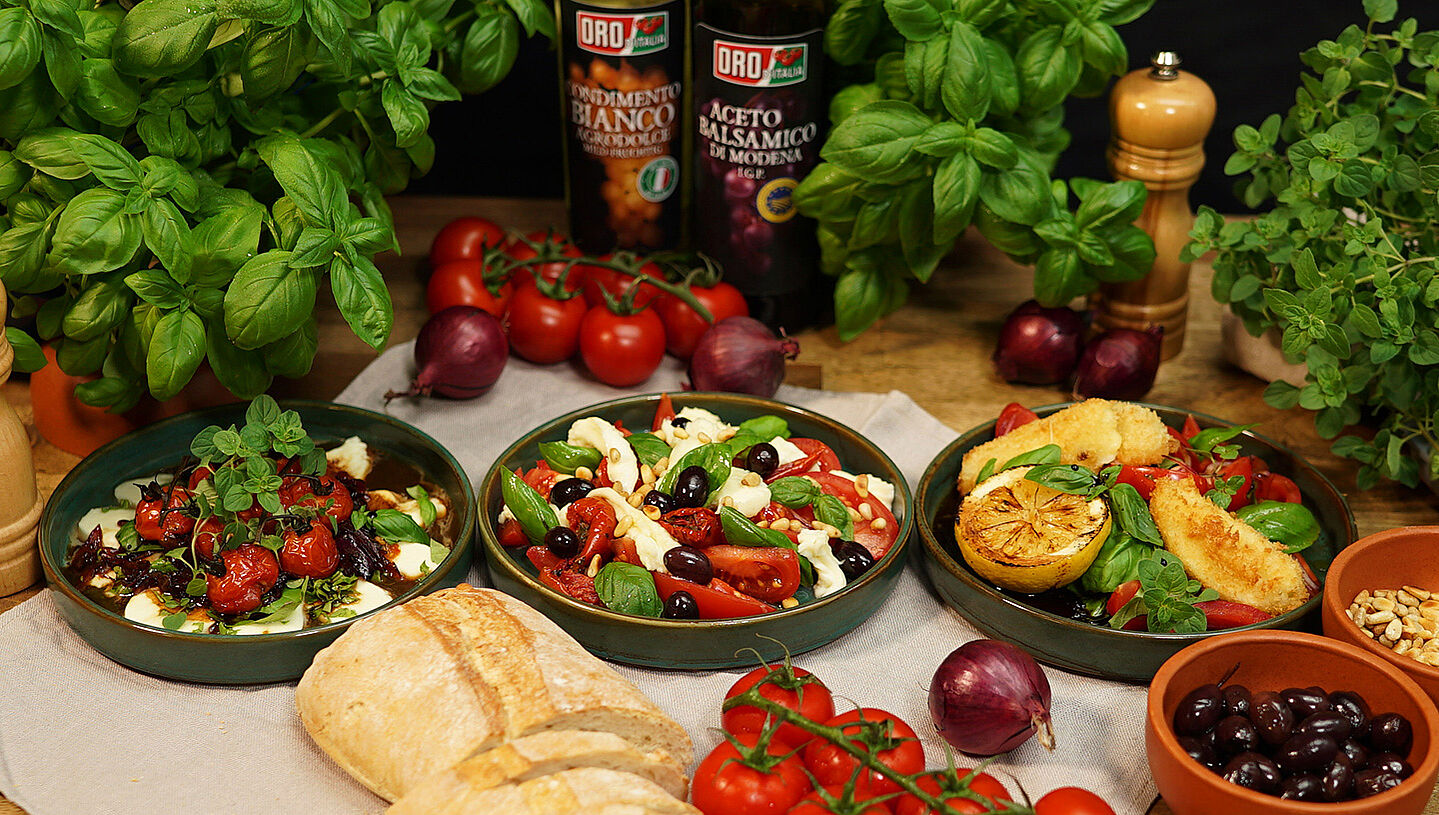
But mozzarella isn’t just popular for gratin dishes. It’s also a must-have for the Italian classic Insalata Caprese. In our recipe, we’ll show you three delicious variations of this classic dish.
Burrata is a special type of mozzarella produced in the Apulia region. Burrata consists entirely of the spun curd. Unlike mozzarella, burrata has a firm exterior and is filled with stracciatella cream. Stracciatella cream, by the way, is simply a mixture of cream and cream cheese.

Italian cream cheese
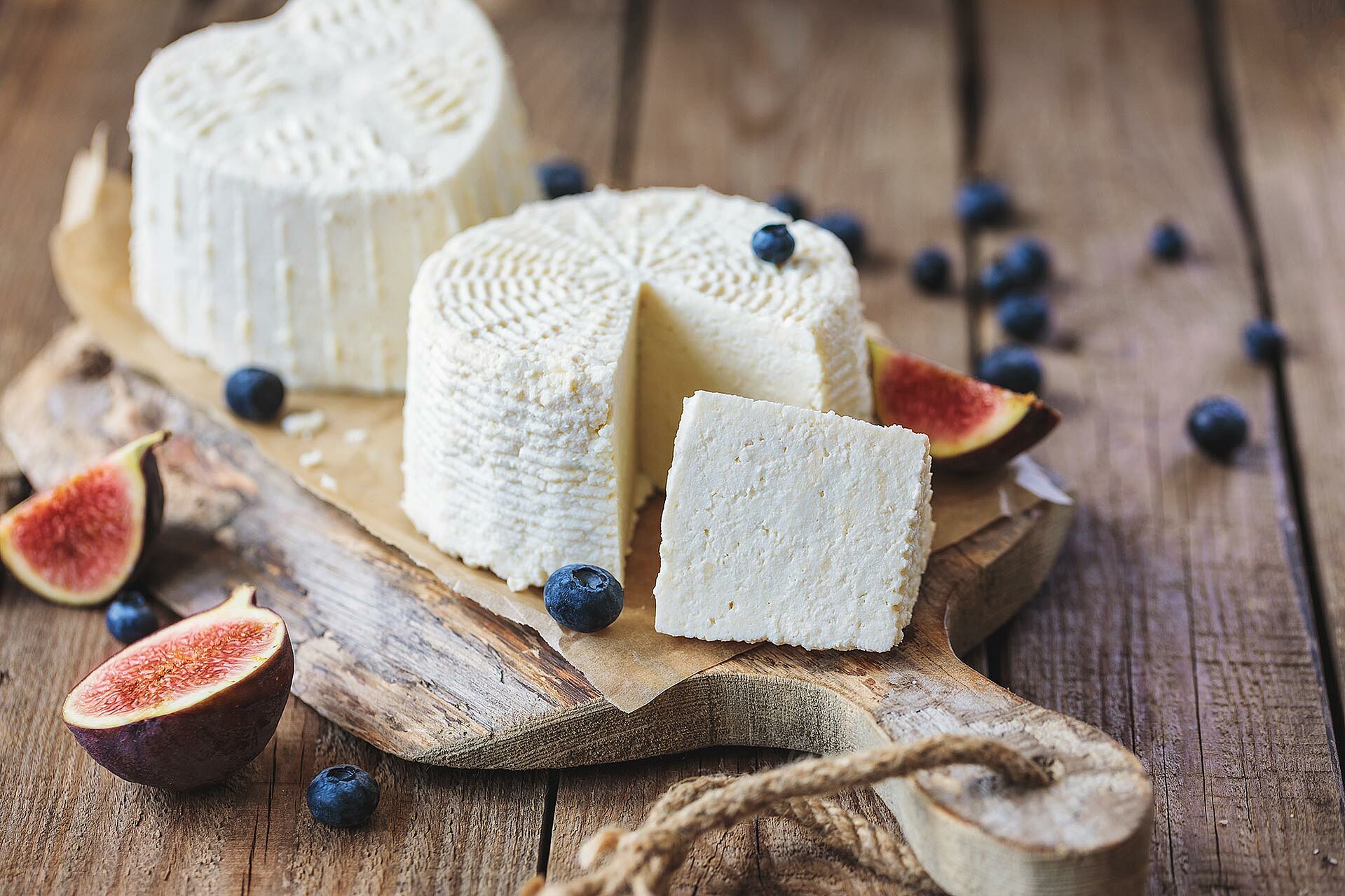
Mascarpone and the slightly sweet ricotta, two types of Italian cream cheese, are typically used in the preparation of Italian desserts and pasta fillings. Italian mascarpone is especially essential for the delicious tiramisu. In Italy, cream cheese is not eaten as a spread on bread, as is customary in Germany.
Scamorza
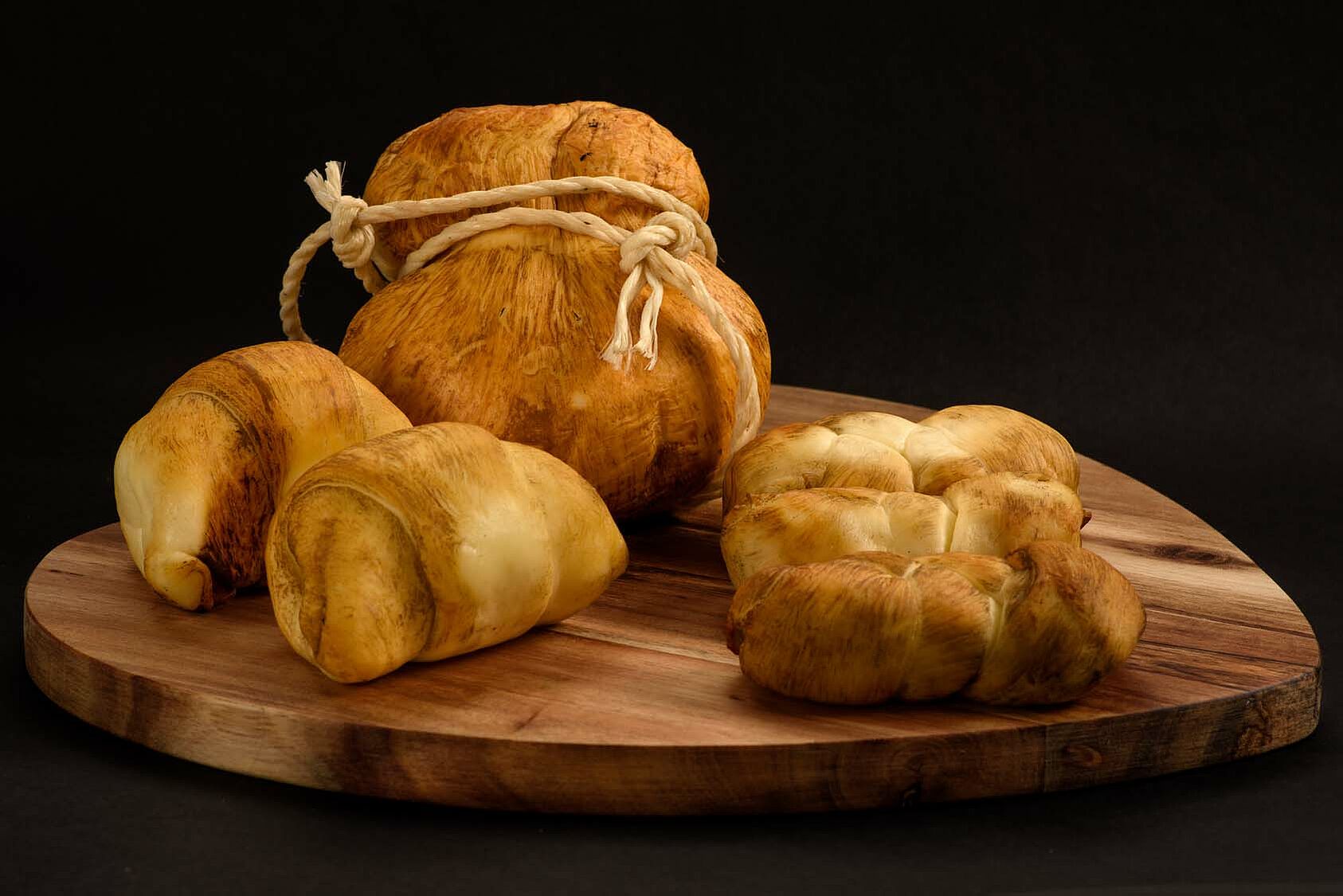
Scamorza, which captivates with its appetizing shape and color, is also a filata cheese. For aging, however, it is often braided into a plait or shaped into its characteristic pear shape, and is frequently smoked as well. It is usually sold in a two-pack tied with string. Scamorza has a dark yellow to brown rind, but the cheese itself is light in color. It’s great for gratin dishes, but can also be grilled.
Gorgonzola
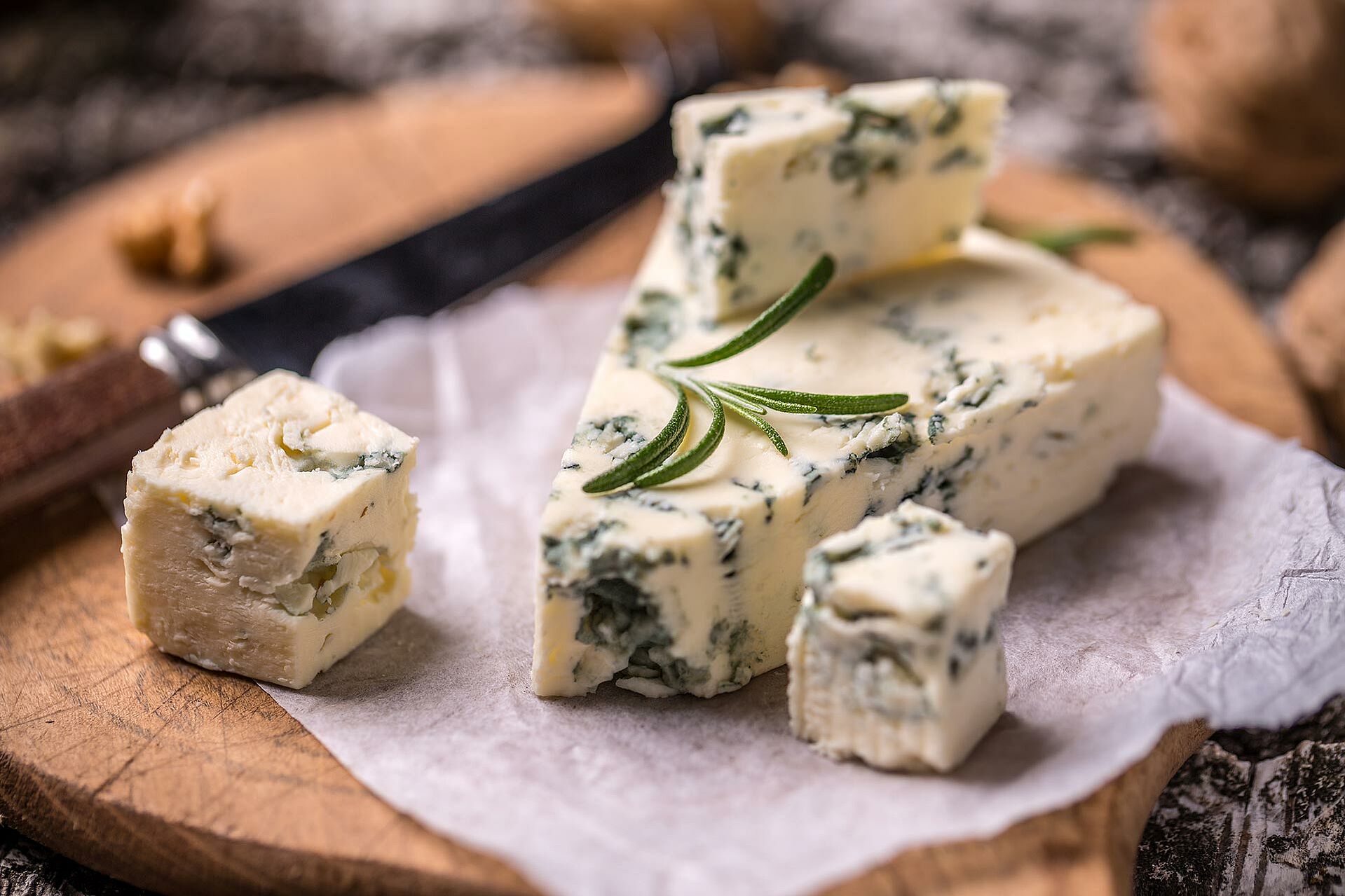
One particularly flavorful Italian cheese specialty is worth mentioning: the extremely popular Gorgonzola, which has many fans thanks to its delicate green mold—whether on pizza, in pasta sauce, or as a finishing touch to a dinner served with crusty bread and fruit. The taste of Gorgonzola is usually much milder than its smell. This cheese also has a DOP designation—and has had it since 1955. Only cheese from specified areas of origin around the town of Gorgonzola in Lombardy may bear the name “Gorgonzola.”

This Is How Cheese Is Eaten in Italy
Cheese is extremely popular in Italy and is often featured in every course of a meal. It starts with the appetizer: What we often simply call “tomato and mozzarella” here is known in Italy as “Insalata Caprese”—mozzarella and tomatoes with fresh basil leaves and a little olive oil.
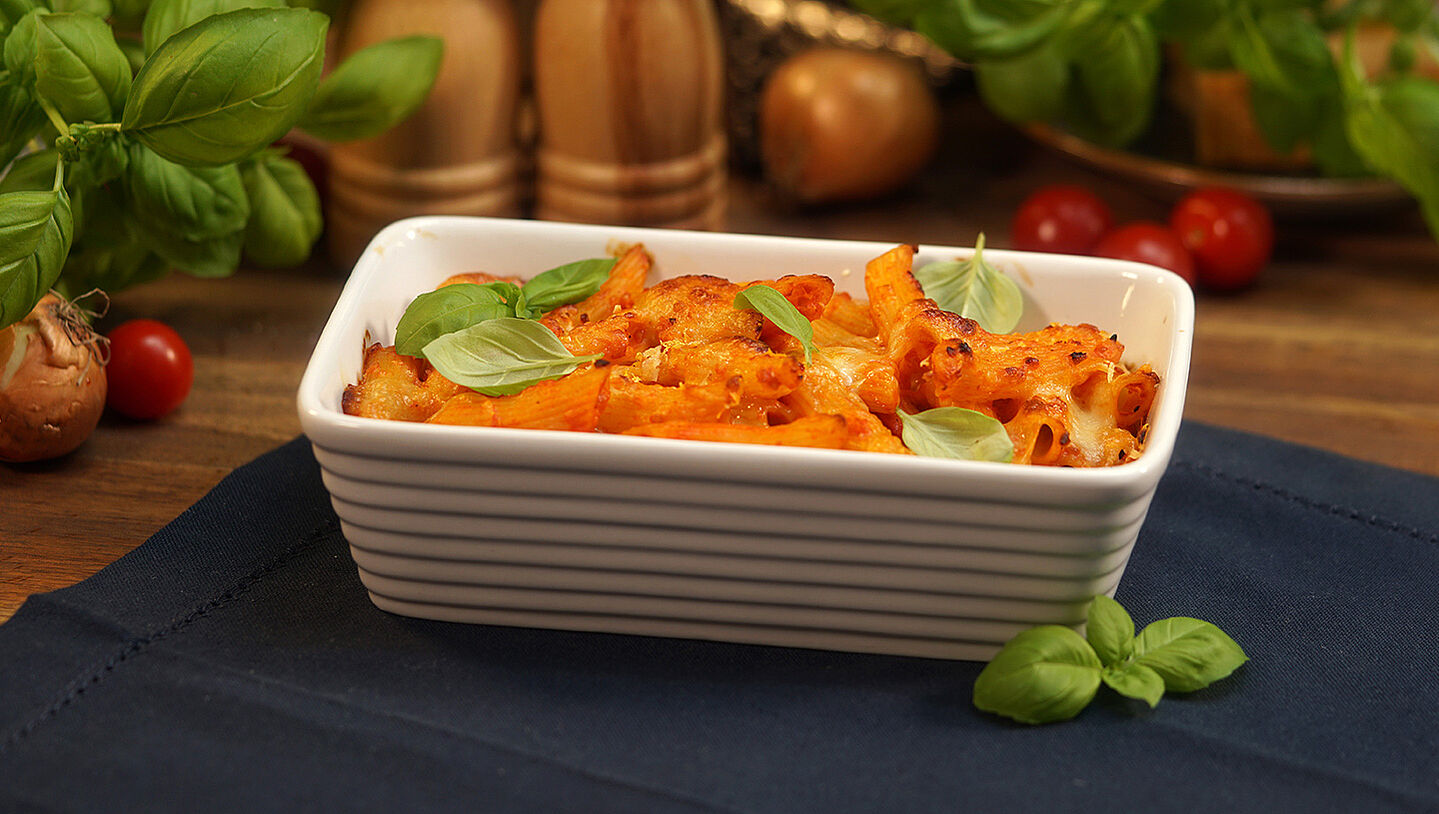
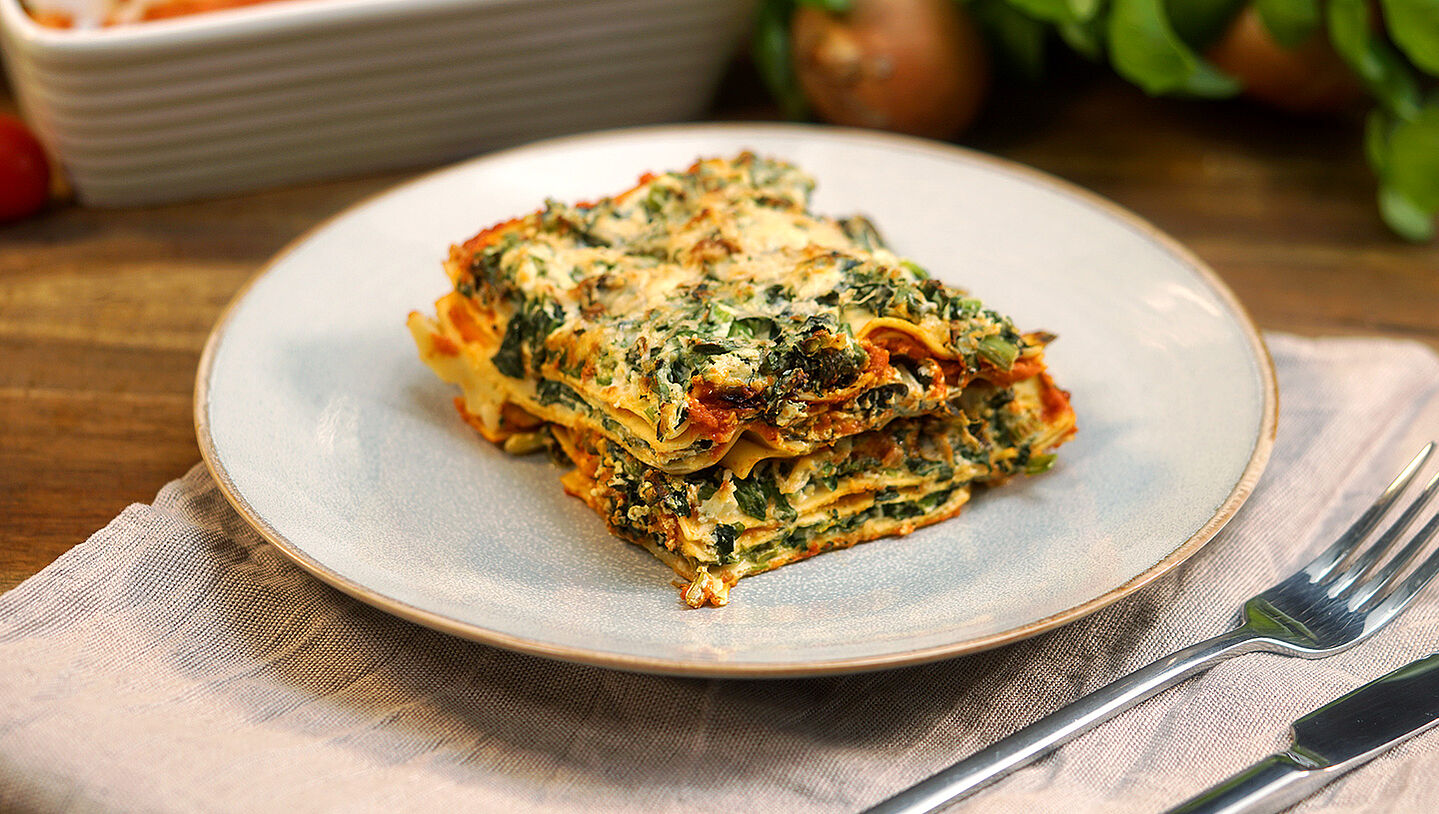
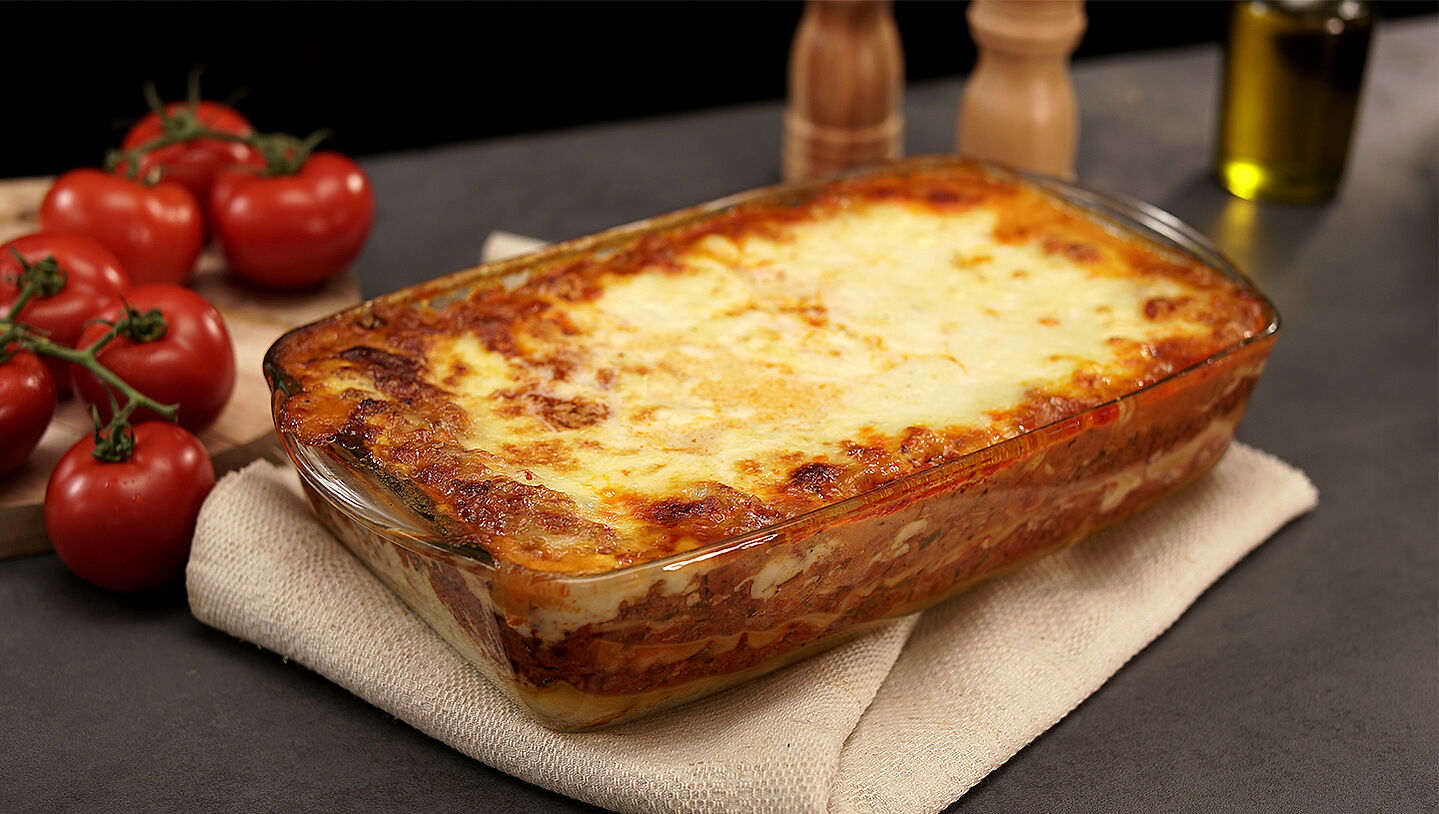
For the first course of the main dishes, the primi piatti, Italians like to sprinkle Parmesan or Pecorino over pasta and risotto, and it’s also used for gratinating in delicious pasta al forno dishes, such as lasagna classica.
For dessert, Italians like to serve cheese, especially well-aged, full-flavored varieties like Parmesan or aged Pecorino. This is accompanied by fresh fruit: figs, grapes, or peaches.
Which Italian cheese is best for gratin?
Many different types of Italian cheese are suitable for baking (al forno) Italian dishes. For your pizza, you can use mozzarella, Parmesan, or Pecorino. Mozzarella, in particular, creates those lovely stringy cheese strands, whereas this isn't the case with Parmesan or Pecorino.

Tips for Storing Cheese
You should store cheese in the refrigerator, wrapped in special cheese paper, in a container, or under a cheese dome. Cheese keeps quite a long time when refrigerated, but you should take it out of the refrigerator half an hour before eating so it can develop its full flavor. If you plan to use it in a recipe, however, this isn’t necessary.
Hard cheese keeps in the refrigerator even longer than most soft cheeses. You can wrap it in a kitchen towel. The cheese will then continue to dry out and become harder. Place it as high up in the refrigerator as possible, since that’s where it’s driest. This way, you can store it for months.
Mozzarella is best stored in brine, just as it’s sold. Even vacuum-sealed mozzarella from the refrigerated section is stored in brine. So leave it in the packaging until you’re ready to eat it. However, the cheese should be eaten as fresh as possible, because the ripening process continues in the brine and the mozzarella gradually becomes firmer. By the way: Fresh mozzarella has a creamy center.