Every Italian dessert is a culinary highlight
In Italy, dessert is called either “dolce” or “dessert” and is an integral part of Italian meals. Some Italian desserts have long since become an indispensable part of our culture—both on the menus of many restaurants and in home kitchens. Tiramisu, in particular, is a classic at any party and a dessert that hardly anyone can resist. Recipes for Italian desserts are usually intended for a large number of guests—if not an entire extended family. That’s because Italians love to cook for their loved ones, and the main evening meal is usually enjoyed with the whole family. Even if it sometimes runs relatively late by our standards, the children are always there too. It’s a cozy way to end the day, filled with lively conversation and good company. That’s why these recipes are perfect if you’re planning a meal with family or friends.

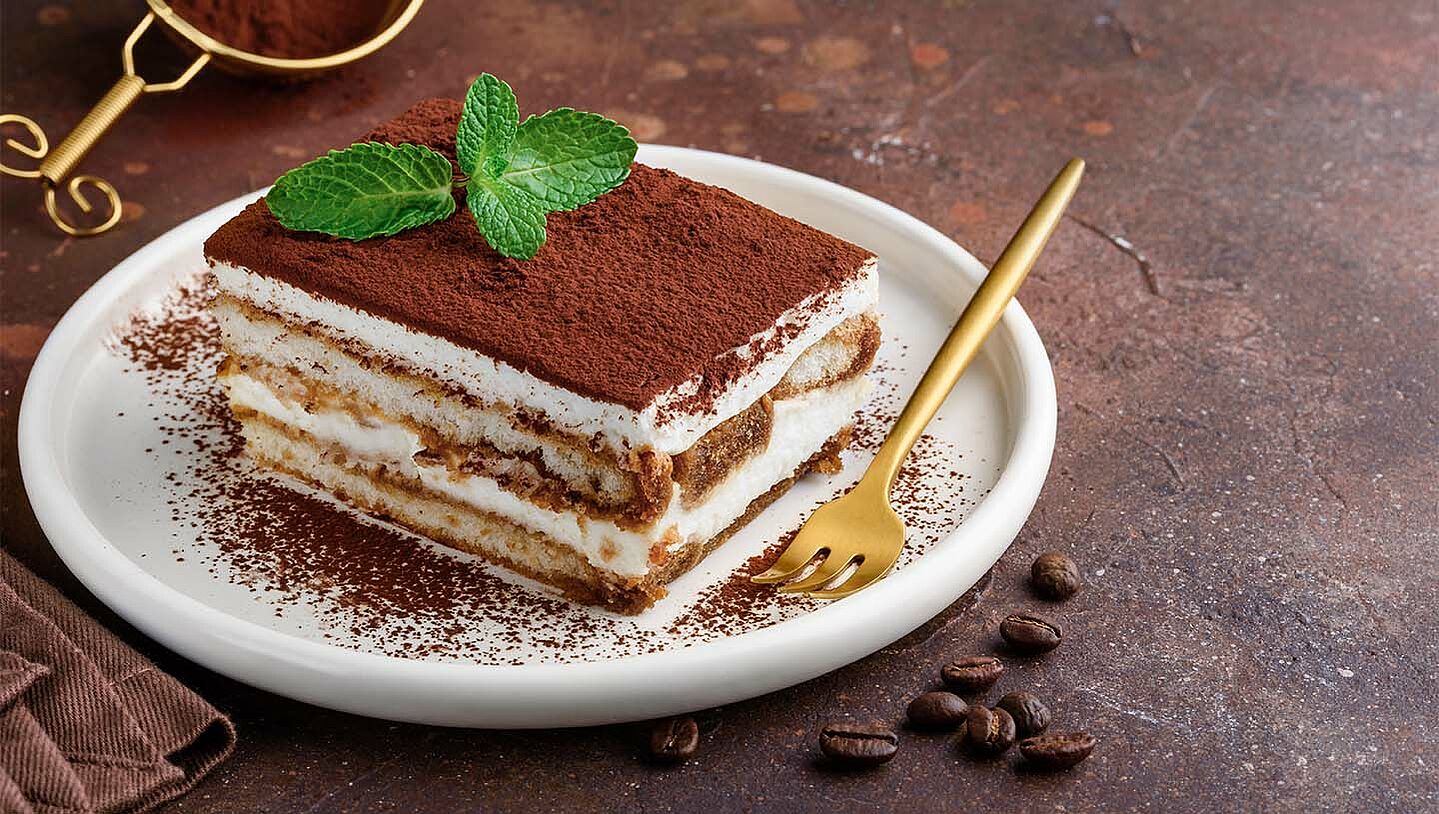
Tiramisu—the classic
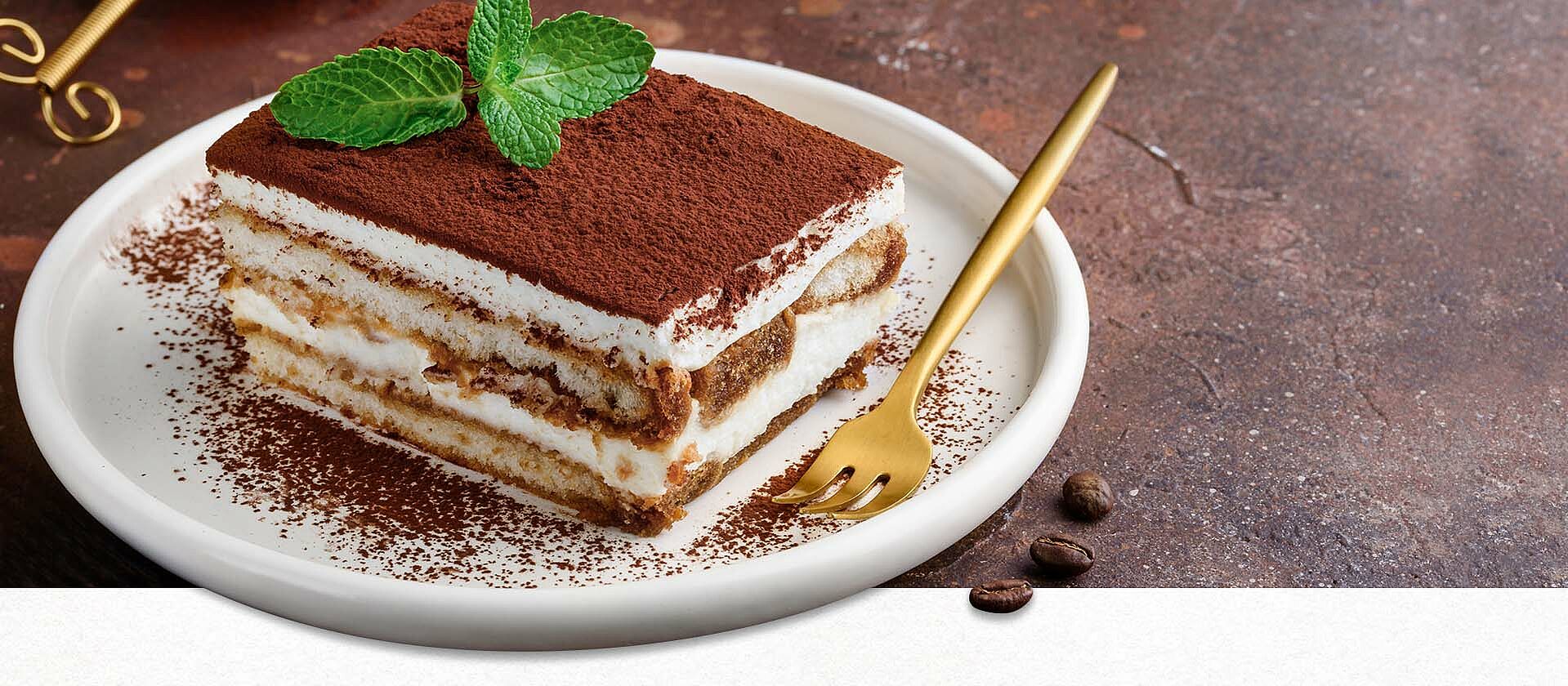
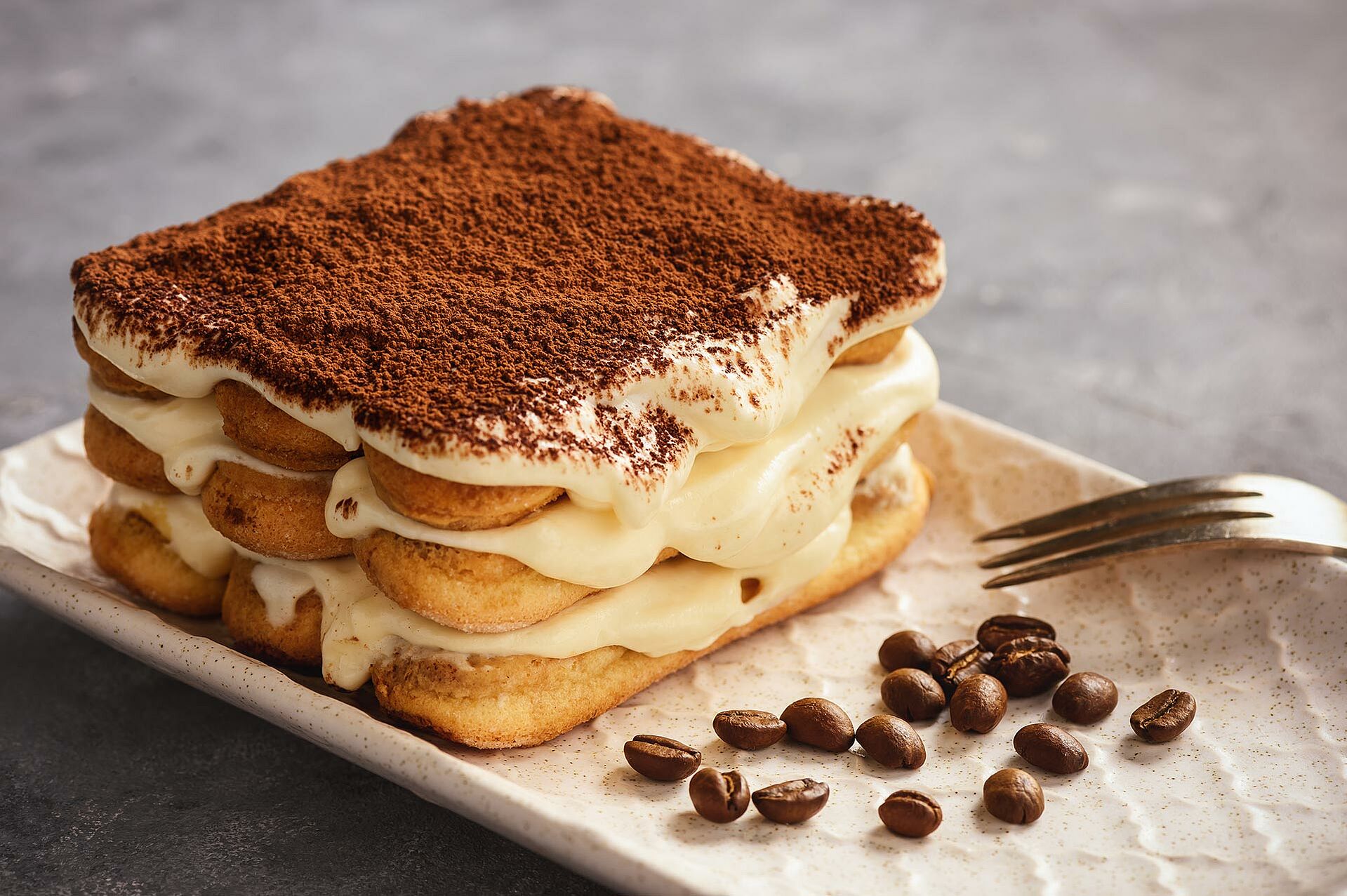
The delicious combination of ladyfingers with strong espresso, fresh mascarpone cream, and a hint of aromatic cocoa is simply too good. A dolce that could easily pass for a small cake. The secret lies in the combination of ingredients, but it’s very easy to make. By the way: In Italian, tiramisu is spelled with an accent: Tiramisù.
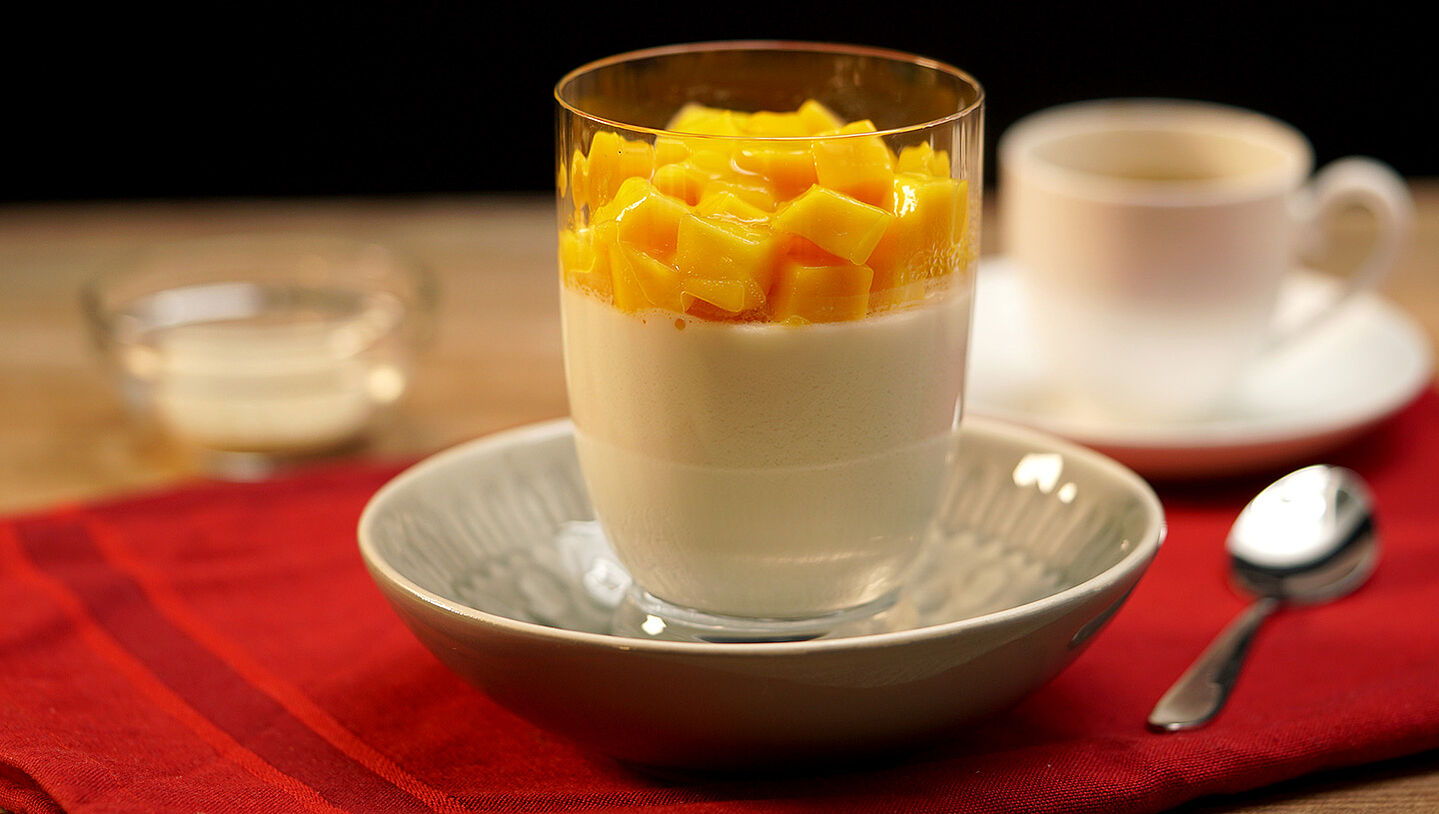
Panna Cotta – a delicate Italian cream dessert
In German, “panna cotta” literally means “cooked cream.” Traditionally, the cream is heated with sugar and spices until it is heavily reduced. Because this method takes time and a bit of practice, the traditional recipe is often made with gelatin today. The mixture is then poured into small molds and chilled in the refrigerator for a while. Next, the panna cotta is turned out onto a plate and can then be garnished with fruit sauce and fresh fruit. A few fresh mint leaves round out the treat. Molto delicioso!

Amarena Cherries – Summer in a Jar
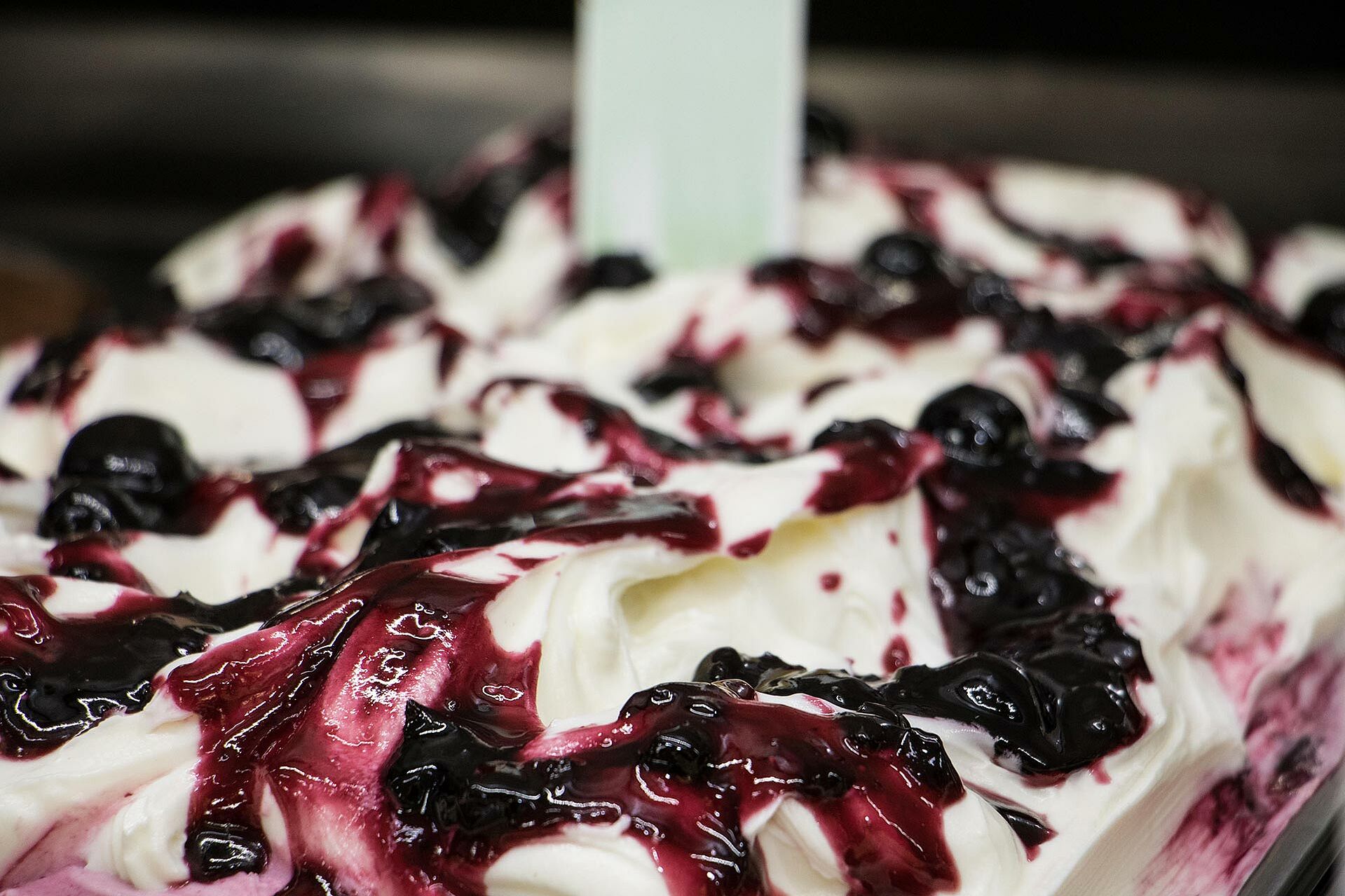
We use the term “Amarena cherries” to refer to Italian sour cherries preserved in syrup—because the cherry variety is called “amarena.” The syrup in which the fruit is preserved typically consists of cherry juice, sugar, and a little citric acid, as well as spices such as vanilla or almond flavoring. You can find preserved Amarena cherries in well-stocked supermarkets. However, they’re also wonderful to make yourself. Each cherry then brings back memories of summer. Amarena cherries aren’t really a dessert on their own: they’re usually not served by themselves, but as a topping for ice cream or pudding.
Gelato, sorbet, and semifreddo – ice-cold desserts
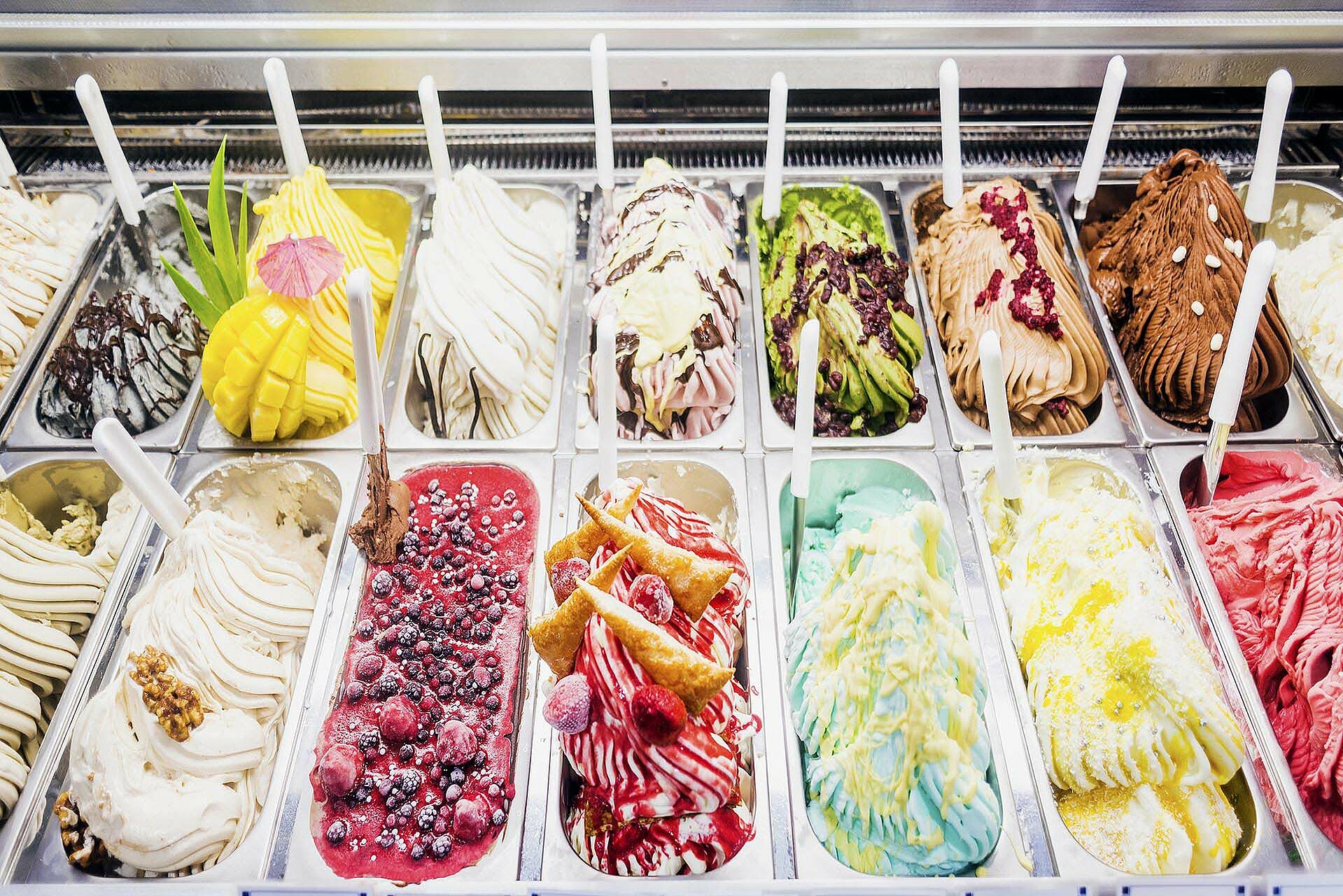
Italian ice cream is legendary and, of course, just as popular in Italy as it is here. As far back as ancient times, ice cream and sorbets were made in the Mediterranean region—using glacial snow. In 1775, Filippo Baldini published the first book on ice cream making in Naples, titled “De’ sorbetti.”
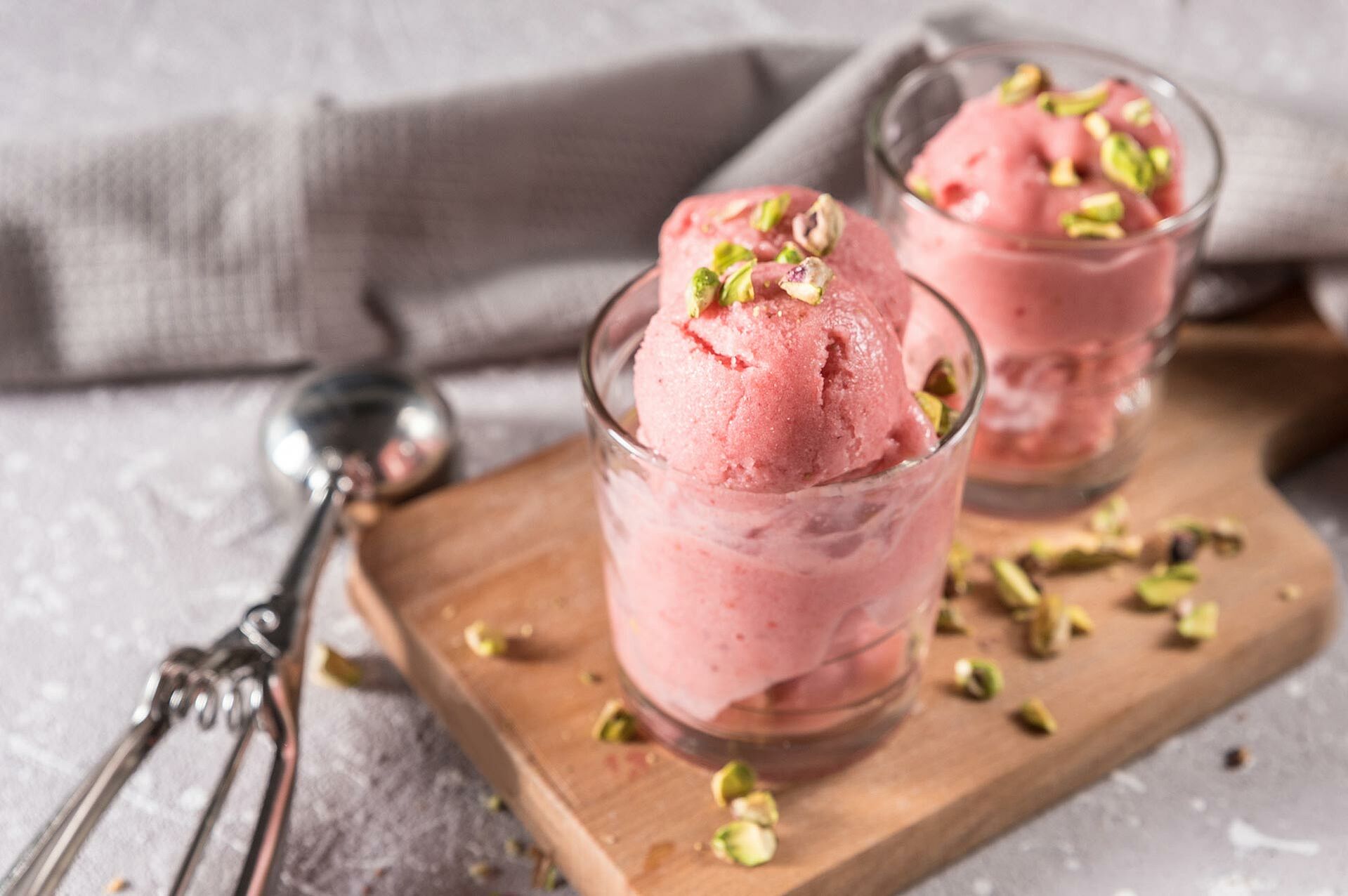
Italian cuisine distinguishes between gelato (ice cream), semifreddo (parfait), and sorbetto (sorbet). These frozen treats are made from fruit, chocolate, or nuts, cream, and sugar.

Zabaione – a delicate dream of foam
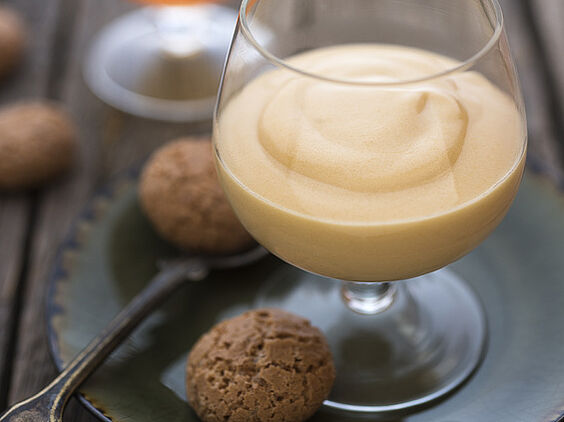
Zabaione, also known as zabaglione, is an Italian wine-based whipped cream. To prepare it, first beat the egg yolks and sugar together. Next, Marsala, a Sicilian fortified wine, is added, and the mixture is whisked over a hot water bath until frothy. This results in a delicate and wonderfully aromatic cream, which is usually served in large glasses.
Cassata alla siciliana – a Sicilian specialty with candied fruit
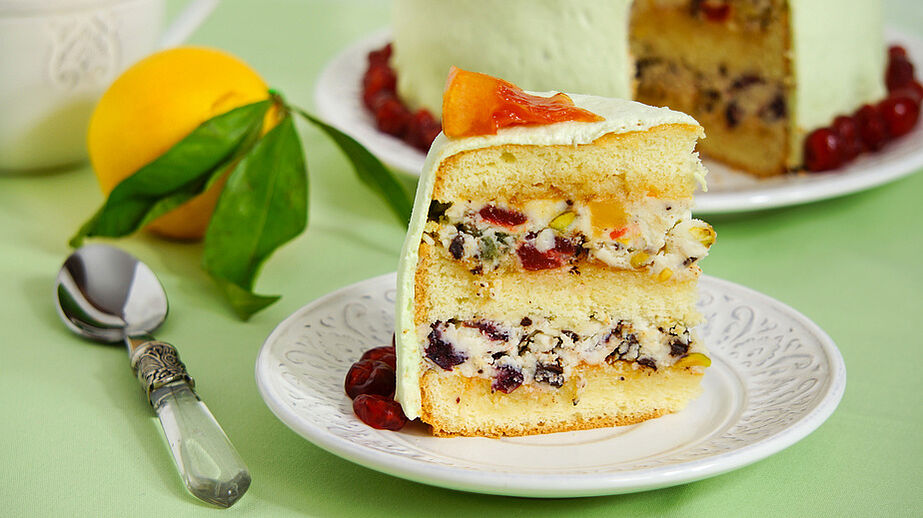
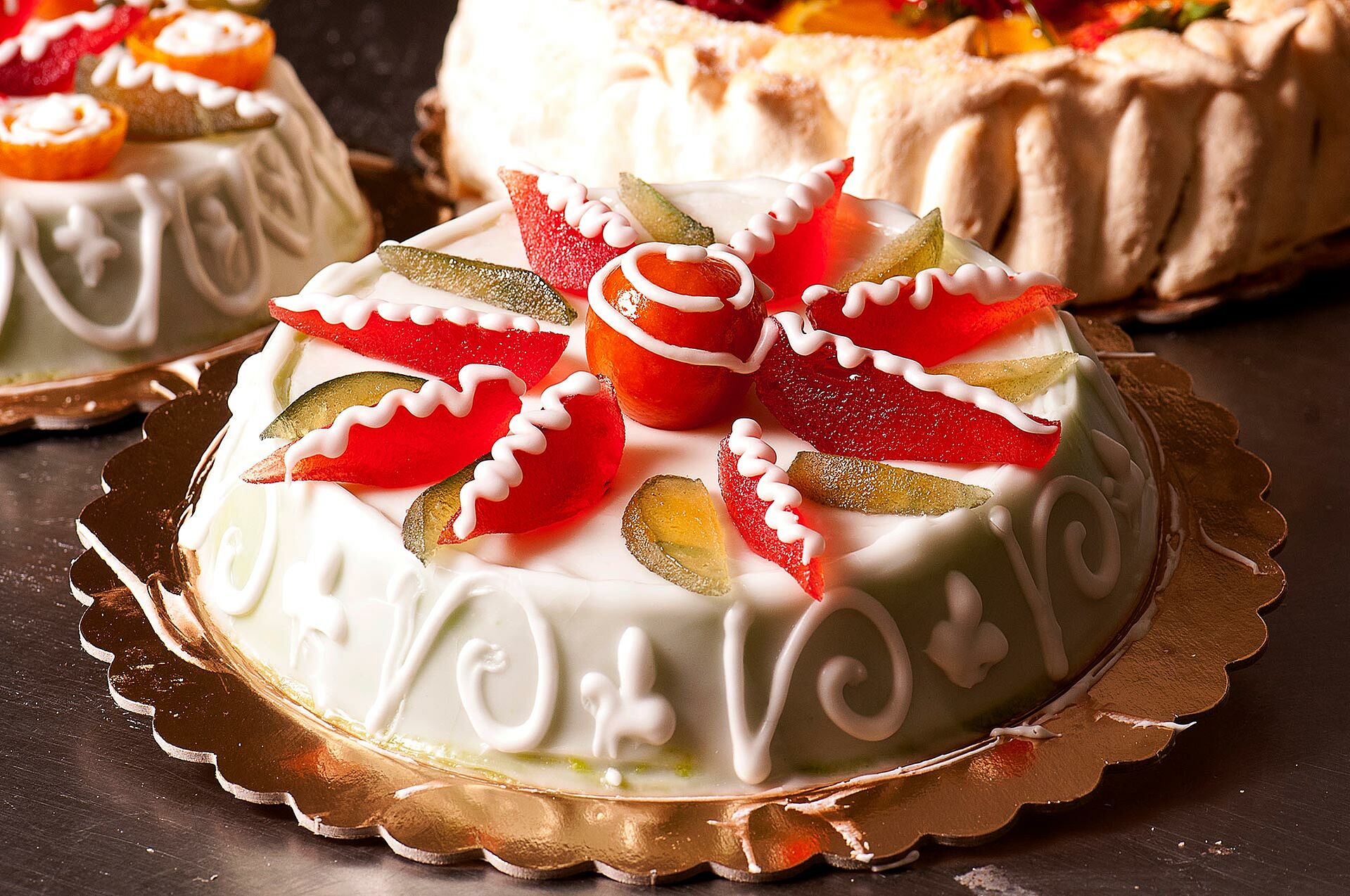
Cassata is a Sicilian layered cake that was originally served on holidays. First, a special Italian sponge cake (called pan di spagna) and ricotta cream are layered alternately in a mold. Depending on the recipe, the cream may also contain pistachios or candied fruit. The cassata is then chilled thoroughly, turned out onto a plate, and finally coated with a sugar or chocolate glaze—and decorated with colorful candied fruit.
Italian Desserts with Cream
Many Italian desserts contain cream or cream cheese, such as mascarpone. This makes them very rich—a small piece is often enough for dessert. If there are any leftovers, you should therefore refrigerate the desserts well. Since amaretto or other liqueurs are often added to enhance the flavor, it’s also a good idea to refrigerate Italian desserts for a few hours or overnight before serving. This allows the flavor to permeate the entire dessert, making it simply irresistible.
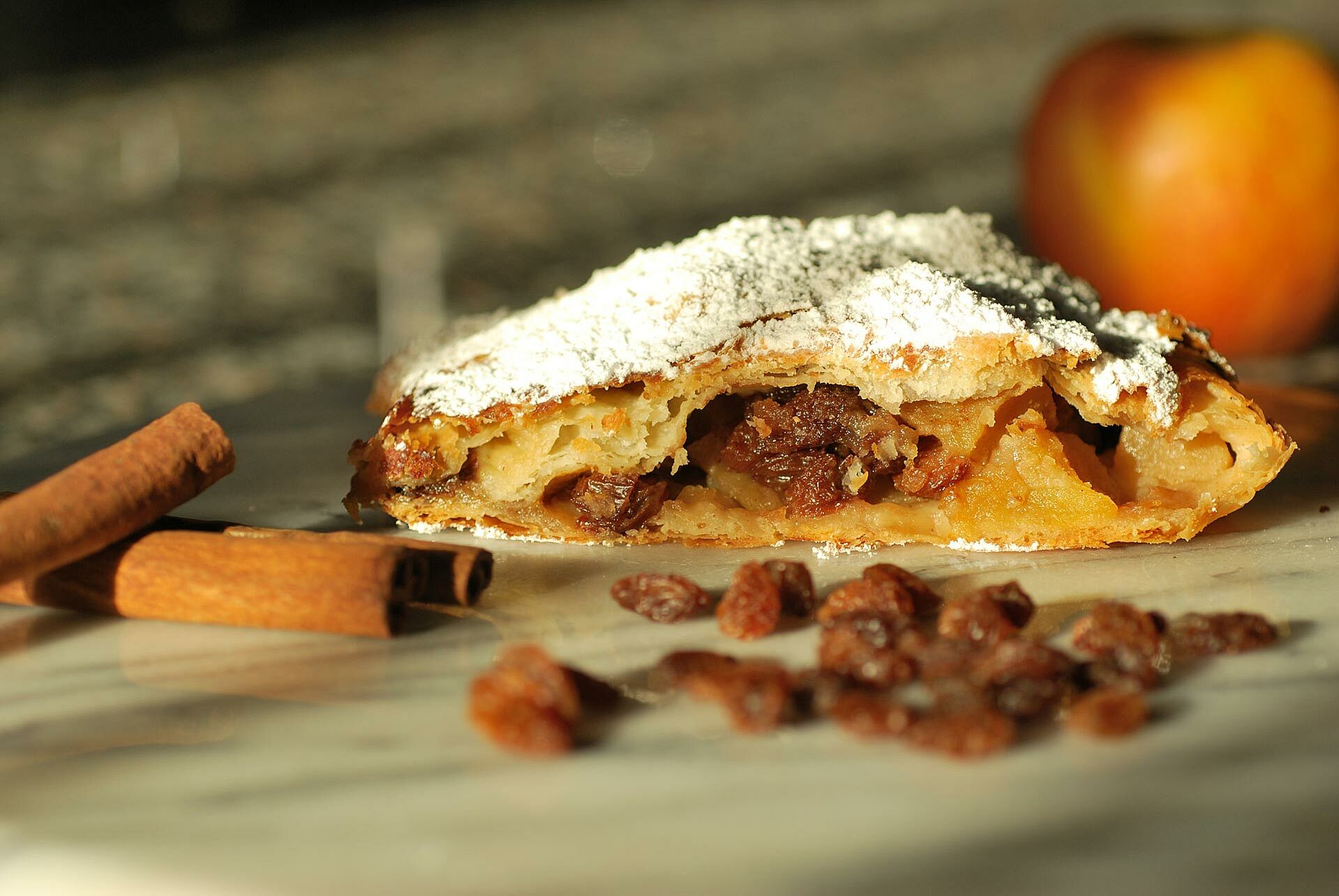
Italian cuisine has retained many regional characteristics to this day. If you enjoy vacationing in South Tyrol, be sure to try the Trentino specialty, *strudel di mele* (apple strudel), for dessert. Here, you can really sense the influence of Austria on Italian cuisine.
If you’d rather serve a fresh, vitamin-rich dessert, Italian cuisine has something to offer as well. Simply prepare a “Macedonia”—that’s what they call a fruit salad in Italy. Just put together a colorful mix of ripe fruits that you enjoy and that are currently in season. In Italy, people like to drizzle orange syrup—flavored with spices such as cloves—over the salad. But a fruit platter with mixed fruits is also a popular choice for dessert.
By the way: Dessert is eaten after the main course and before coffee.