


The Origins of Antipasti in the Urban Area of Ancient Rome
The exact origins of antipasti as a dish are unknown. However, even the upper classes in ancient Rome served small appetizers before the main course. This tradition has existed throughout the Mediterranean region since ancient times. It is striking that the ingredients for antipasti come from various regions. There is a geographical reason for this. Unlike the Atlantic and the Pacific, the Mediterranean has been relatively safe to navigate since at least 500 B.C. This is primarily because all the countries bordering the Mediterranean could be reached via the relatively well-developed coastal shipping networks of the ancient civilizations. Combined with the comparatively “calm nature” of the Mediterranean, this made for a lively exchange of goods between the Romans, Greeks, Phoenicians, Saracens, and Egyptians. Antipasti are thus an early example of the enrichment of local culinary culture with “exotic” influences. Among the early, pre-Christian antipasti in Rome were, for example, lentils imported from Egypt.
Antipasti platters embody the diversity of Italian cuisine
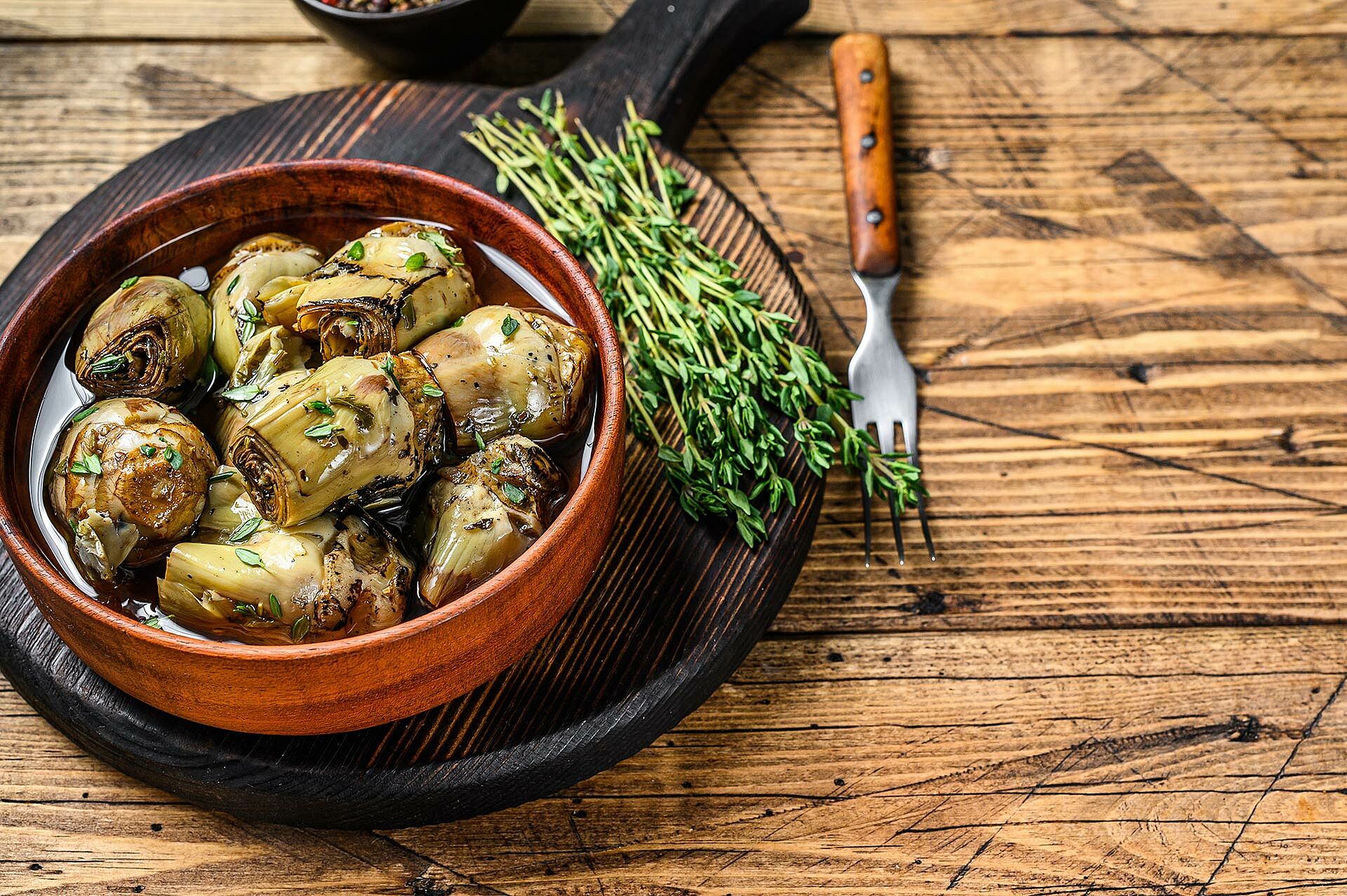
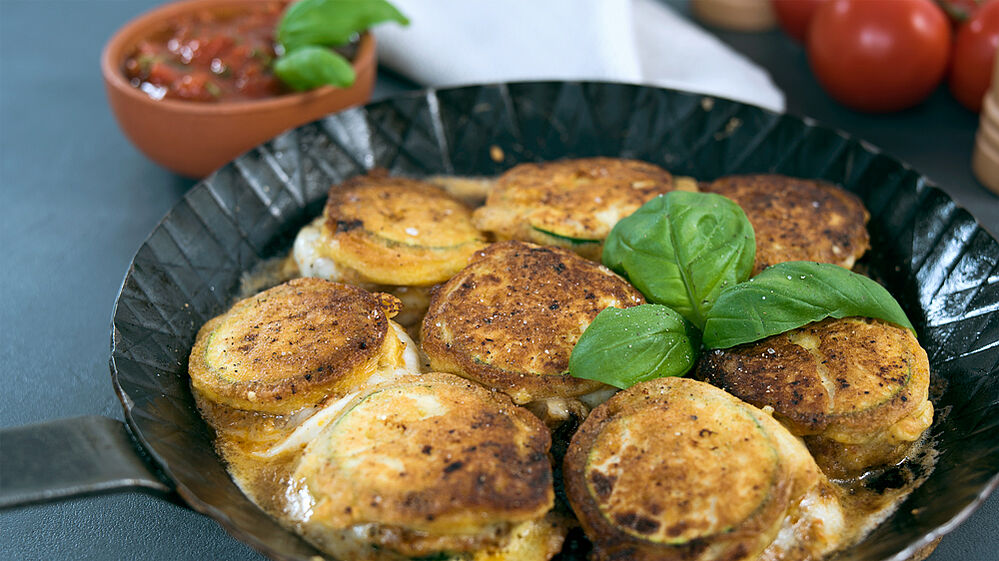
The various historical influences on Italian cuisine have given rise to a wide variety of small appetizers. Typical throughout Italy are *fiori di zucca*—fried zucchini flowers—and *mozzarelline fritte*—fried mozzarella. Essentially, all forms of refined vegetables—“Verdure in Pinzimonio” or “Cazzimperio”—can be served as antipasti. Stuffed and marinated artichokes, eggplant rolls, zucchini, mushrooms, olives, bell peppers, and tomatoes are particularly popular. Nevertheless, there are significant regional differences. Many Italian regional cuisines maintain their own distinct identities and take pride in setting themselves apart from the rest of the country.

Ligurian Antipasti
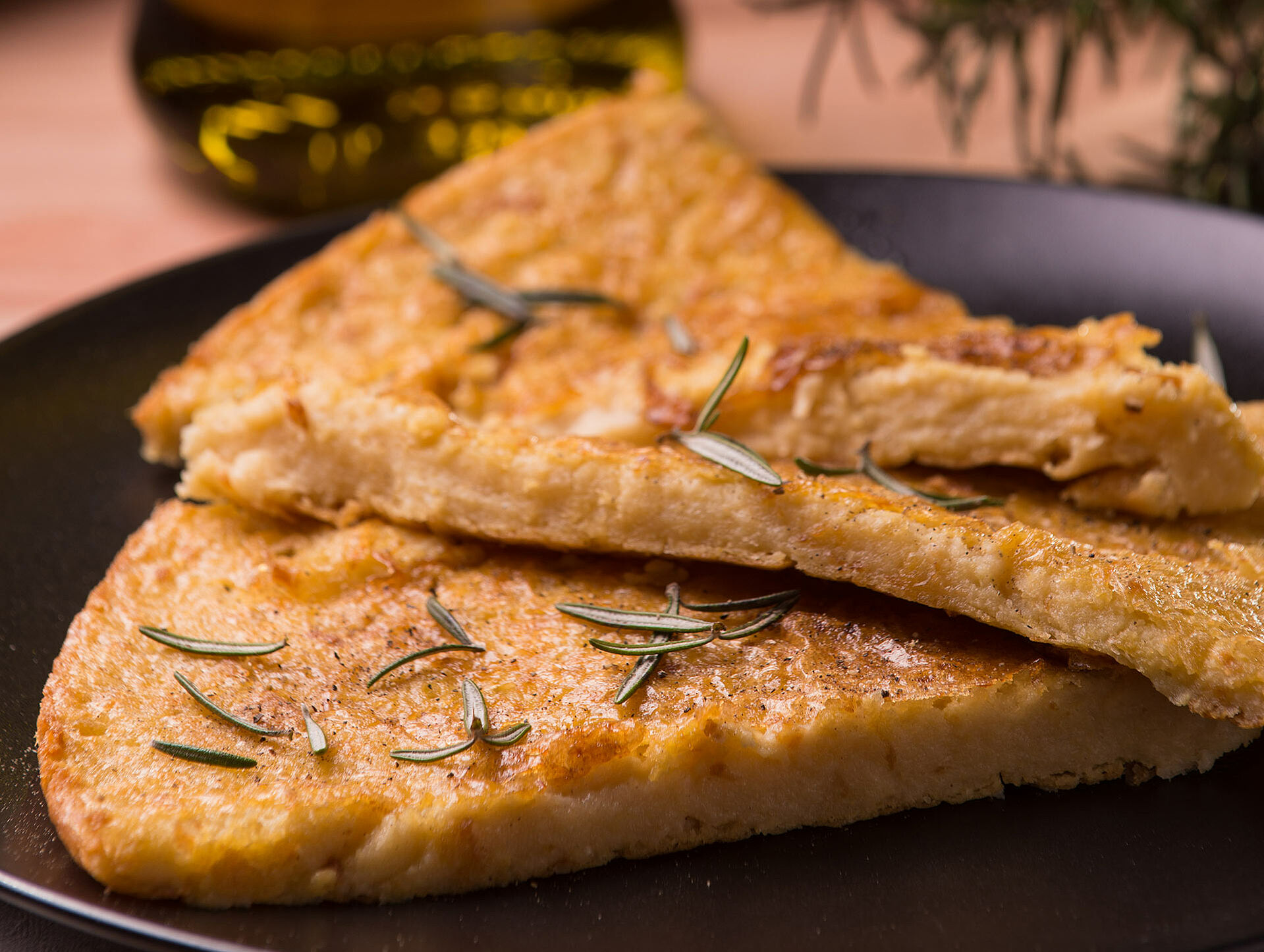
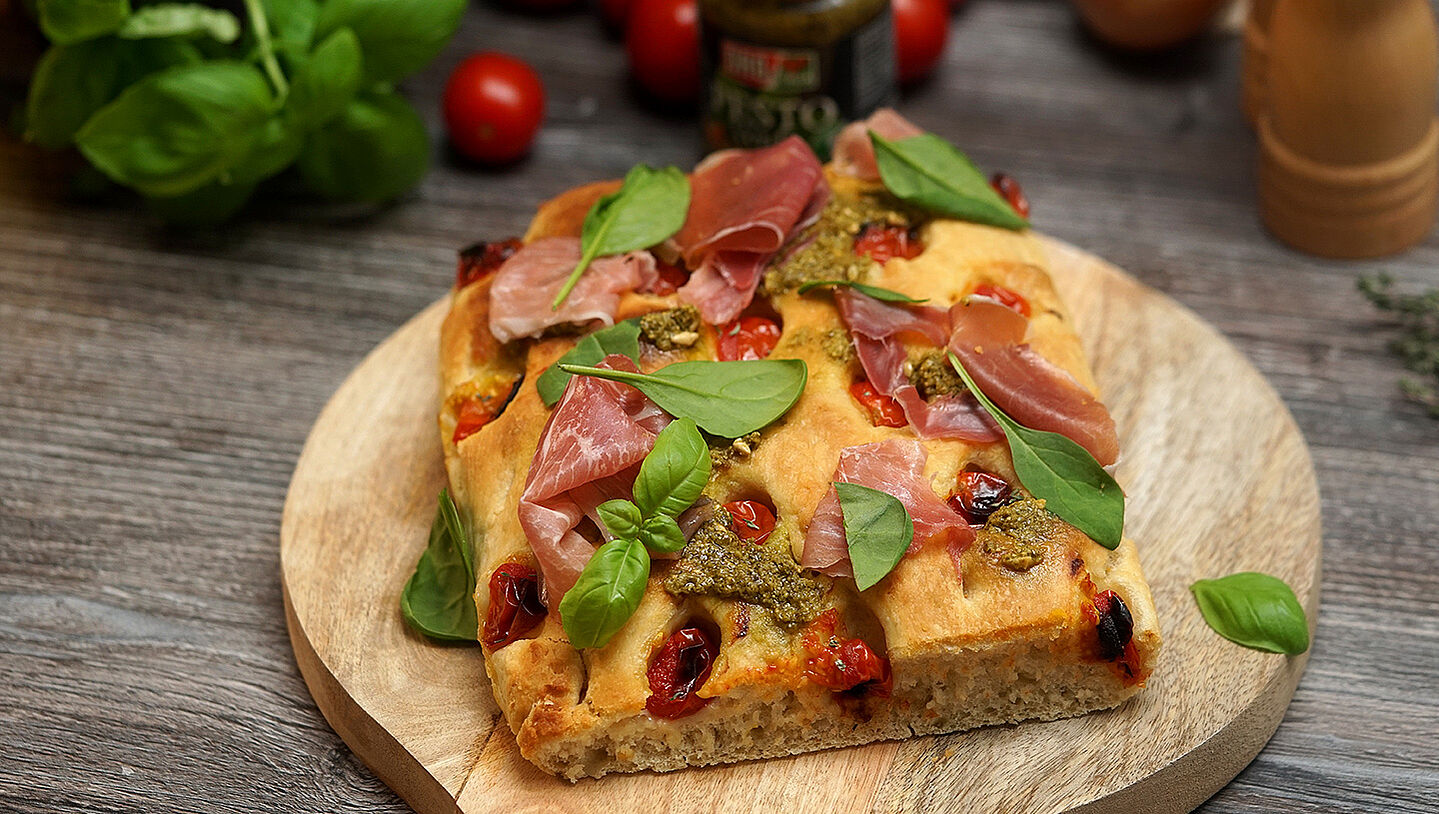
Due to its proximity to the Mediterranean and France, there are similarities between Ligurian cuisine and French hors d’œuvres. However, focaccia—a type of yeast flatbread—is authentically Italian, and in this case, authentically Ligurian. The Ligurians bake it in various styles. The best-known varieties are “focaccia alle olive,” made with olives in the dough, and “focaccia alle cipolle,” made with onions in the dough. Ligurian appetizers are often baked: the farinata. This hearty chickpea pancake is often served as an antipasto with a dip.
Various antipasto variations featuring pine nuts and eggs also often originate in Liguria. The classic green pesto, “Pesto Genovese,” also comes from Genoa in Liguria. Although pesto itself is not a classic antipasto, it is often served with focaccia.
Tuscan Antipasti
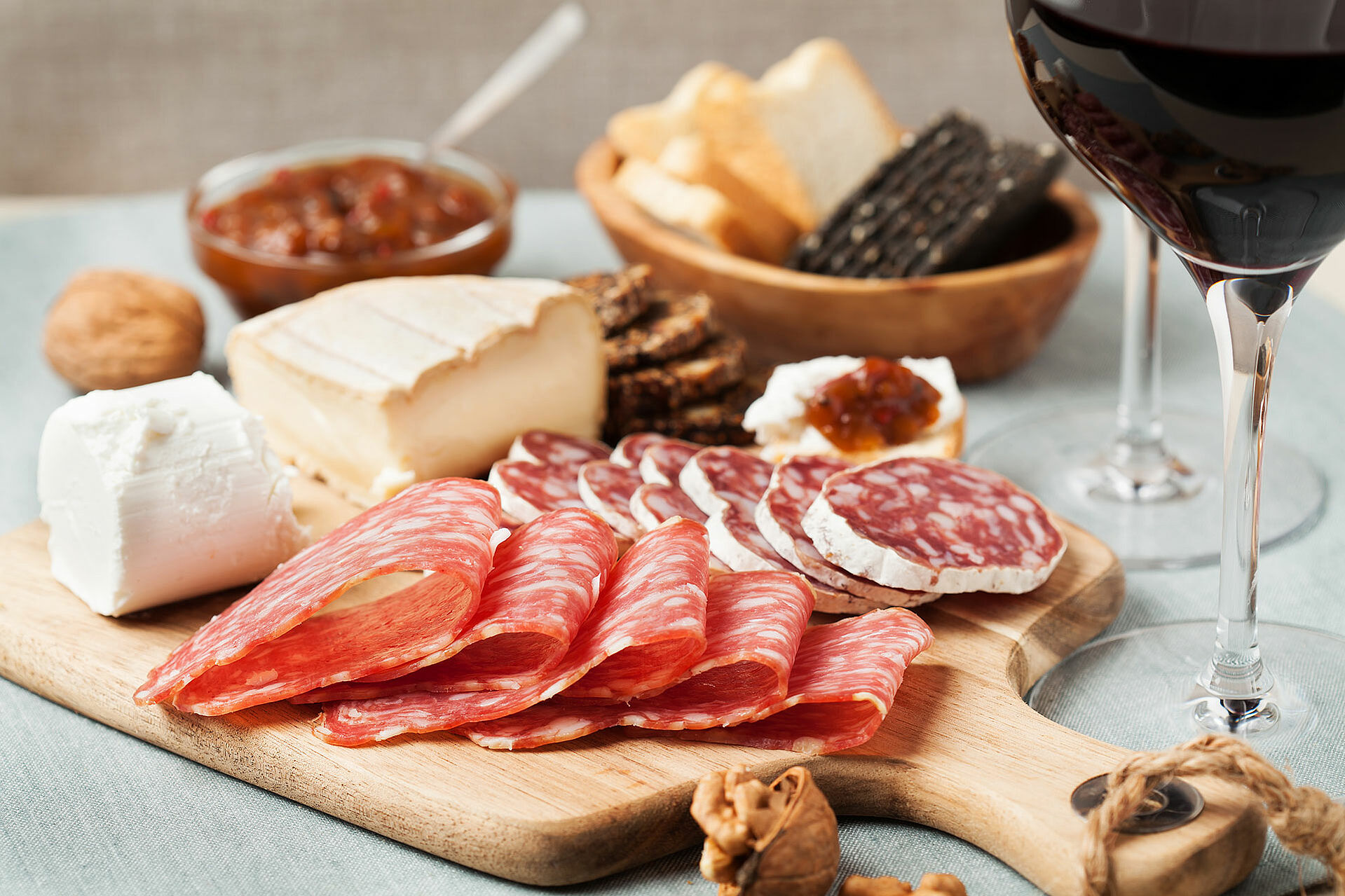
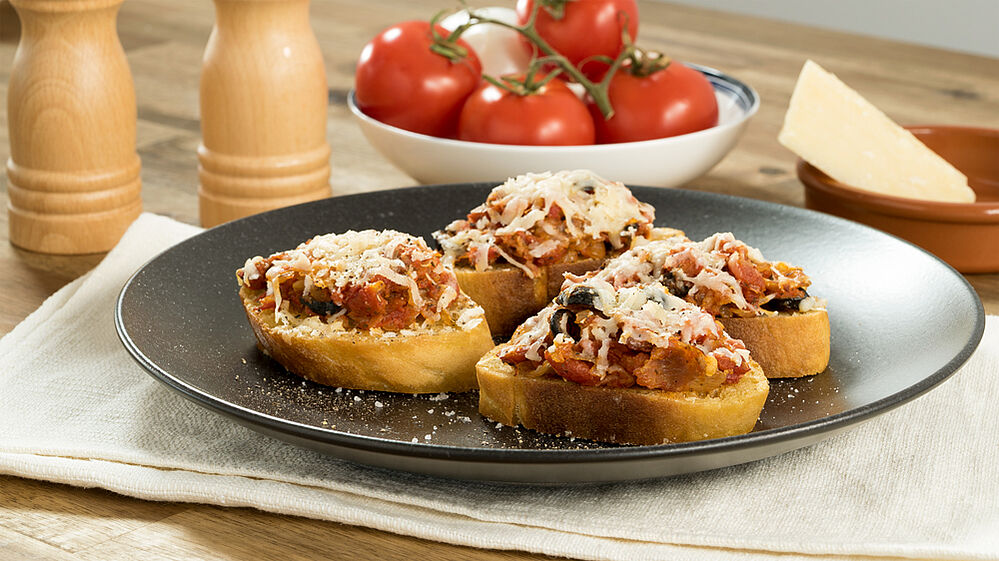
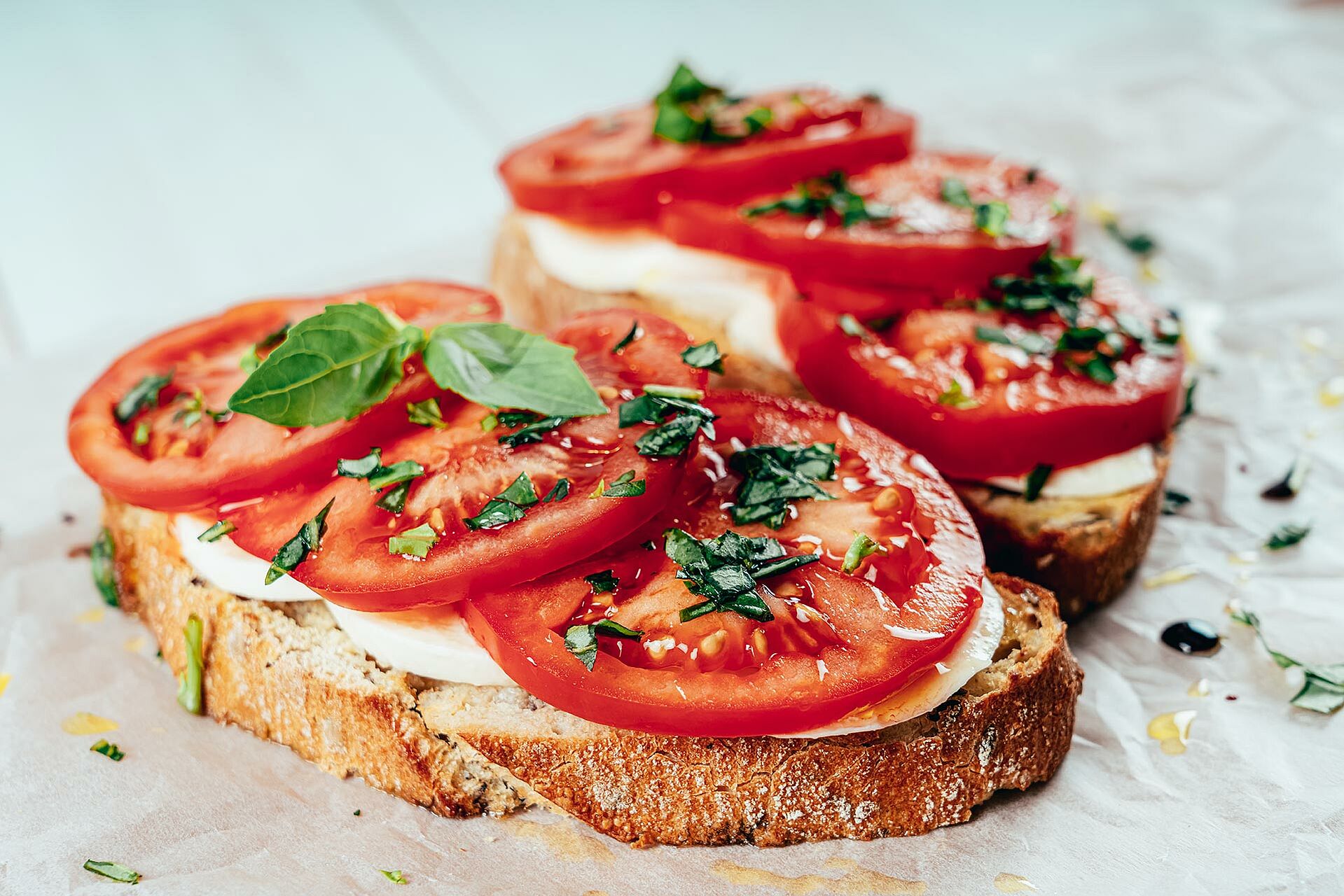
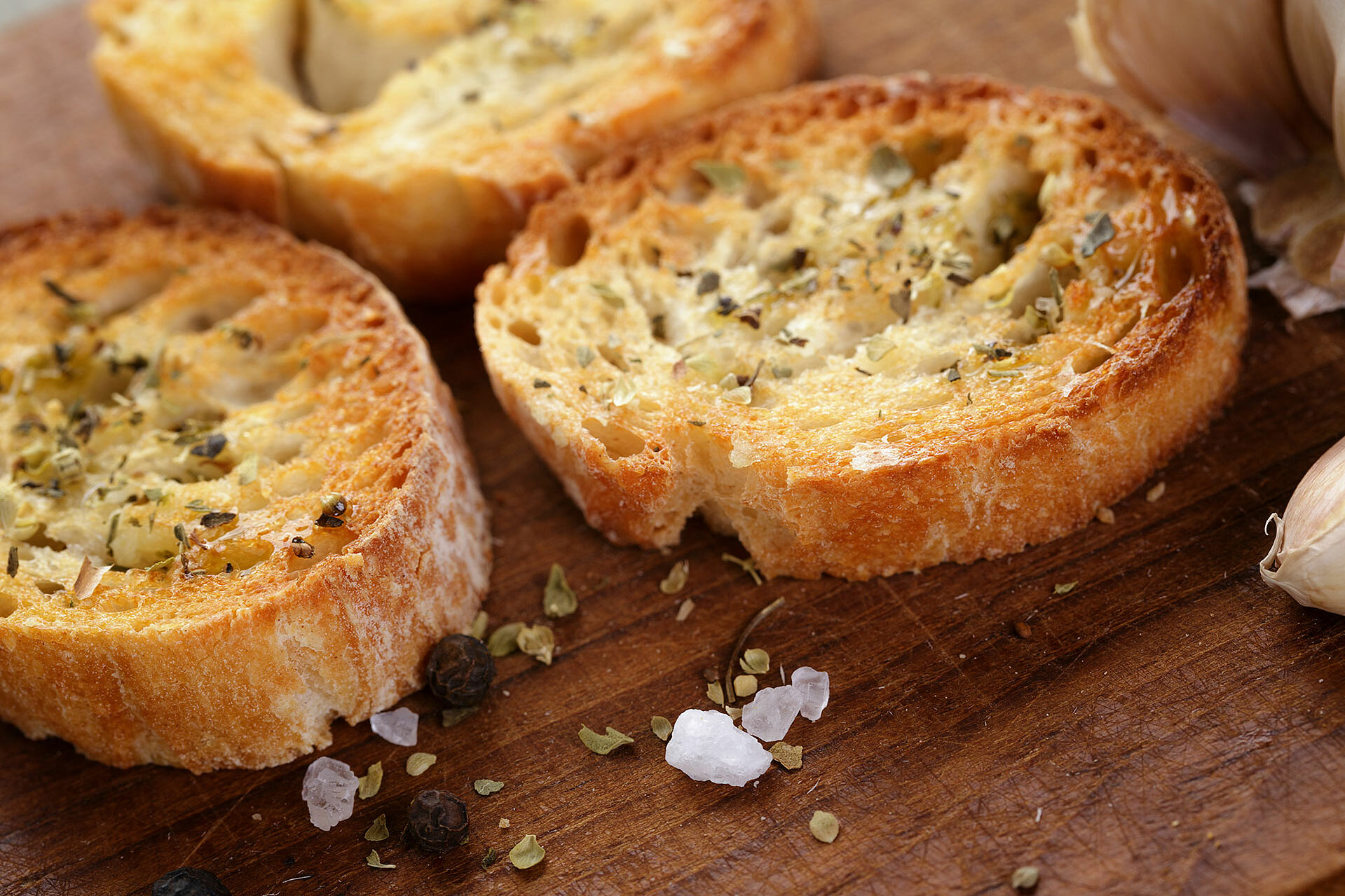
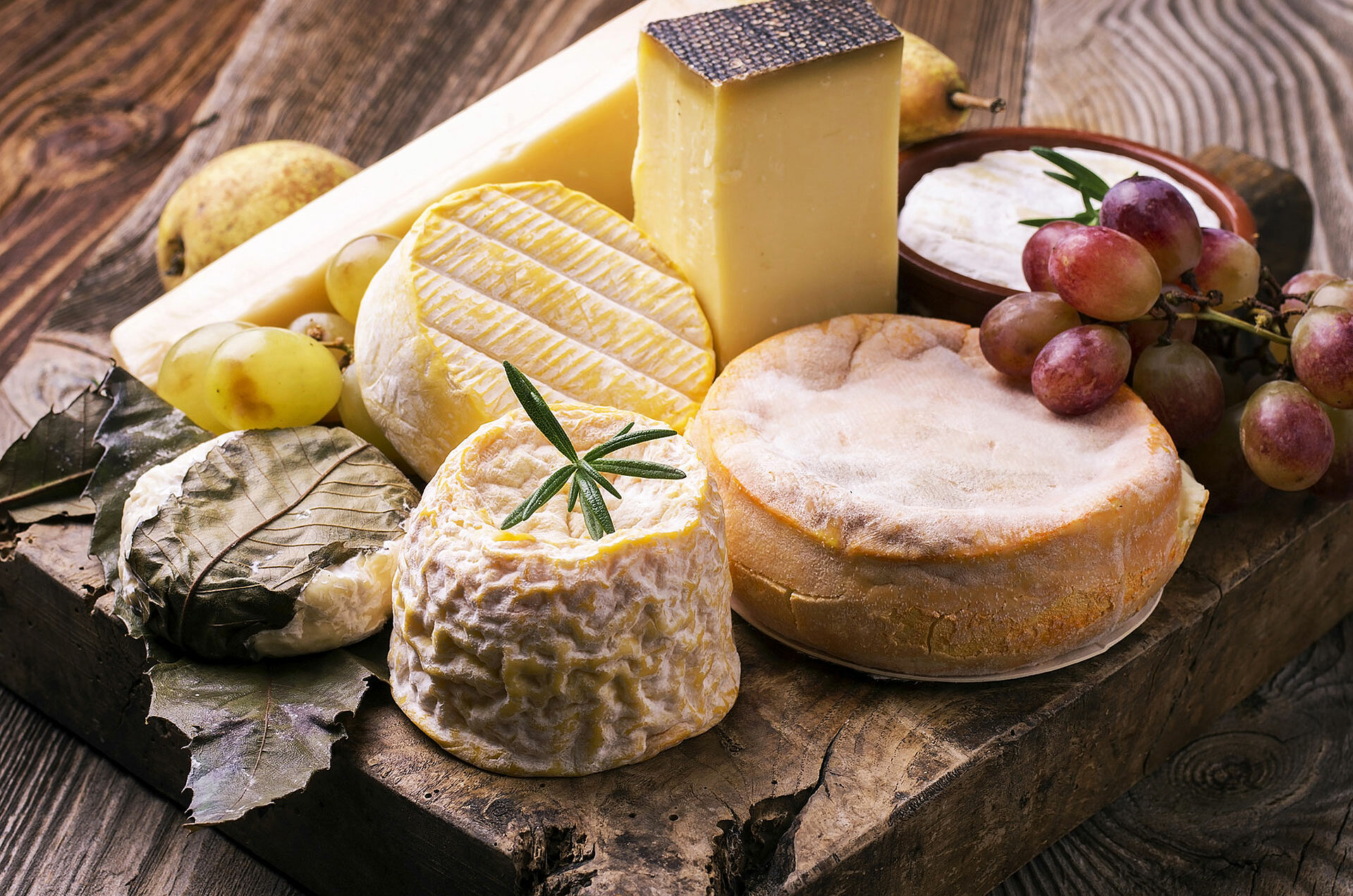
A specialty from Tuscany is Pecorino, a high-quality hard cheese made from sheep’s milk. It is a classic component of Italian cheese and antipasti platters. Tuscan antipasti are also often served with crostini, a toasted, light-colored bread. It is the foundation—if not the historical origin—of bruschetta. Although the exact origin of bruschetta is a matter of debate even in Italy, Tuscany, along with Campania, is the leading contender.
Sicilian Antipasti
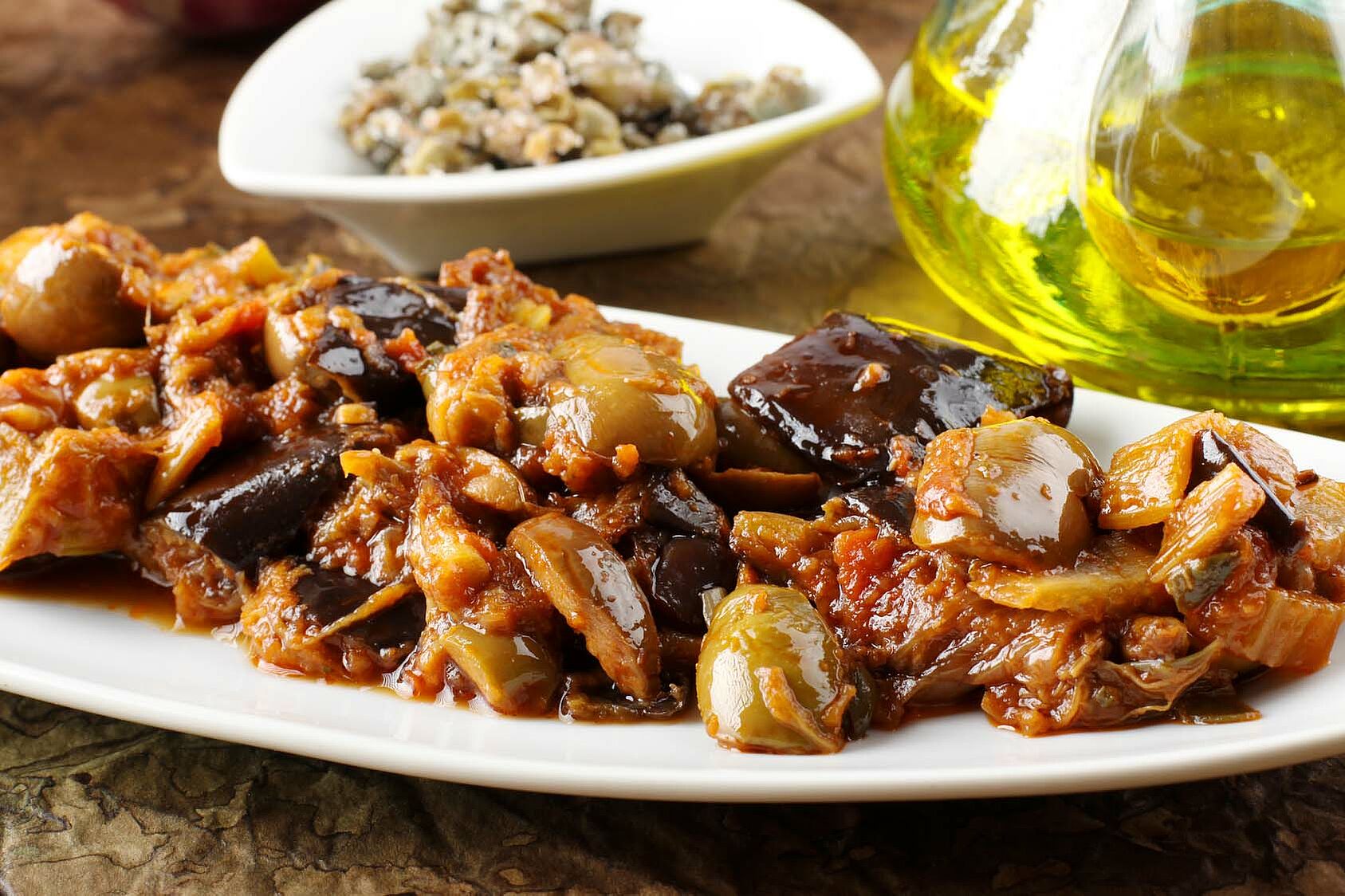
More than any other part of Italy, Sicily is synonymous with fishing and seafood. A typical Sicilian antipasto is therefore sfincione, a smaller version of pizza topped with anchovies and without the usual mozzarella—something that would be unthinkable on the mainland. Sicilians have a great fondness for fried foods. Pieces of fish, especially tuna, calamari, and other seafood, as well as rice balls, are fried and can be found on every antipasto platter. Eggplant is even more popular in Sicily than on the mainland. This is reflected in a Sicilian appetizer variation of the French ratatouille: caponata, which is eaten cold or warm from small bowls.
Friulian Antipasti
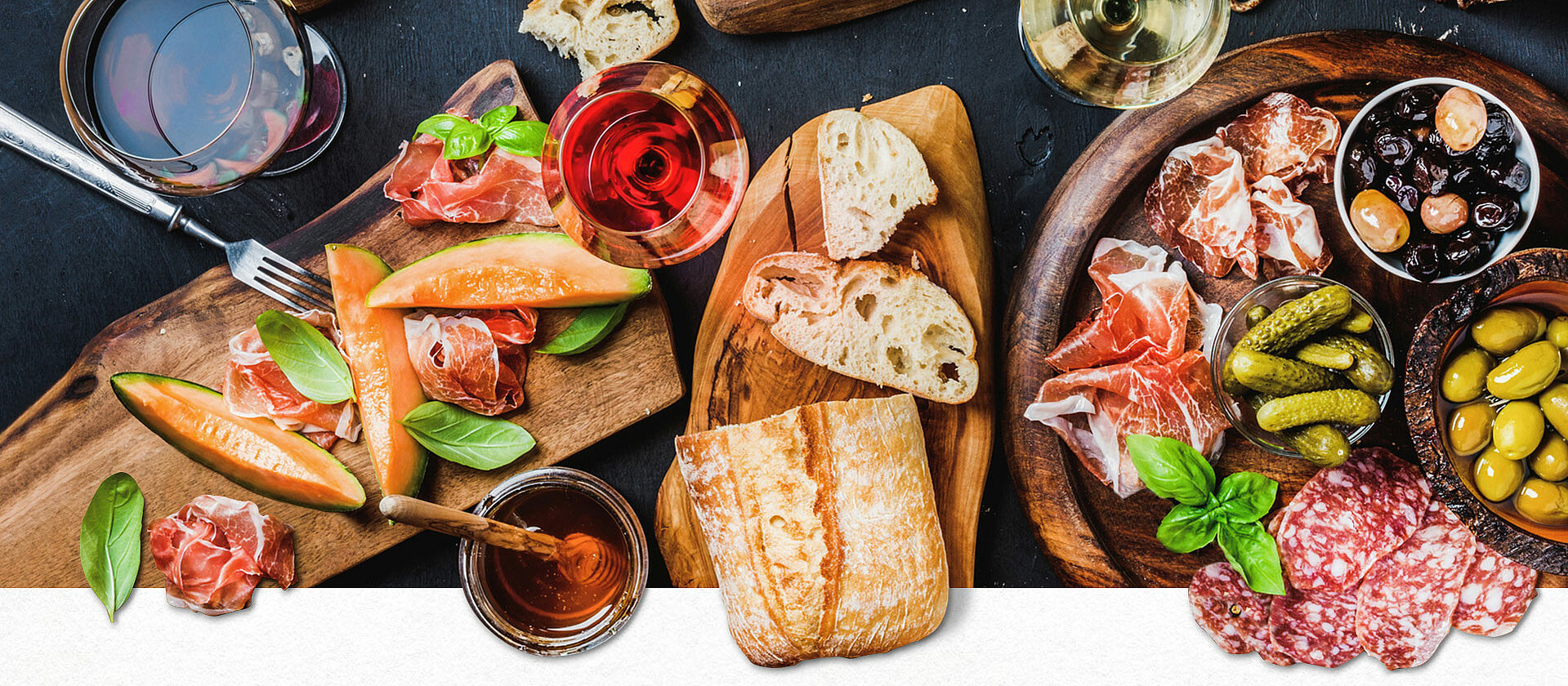
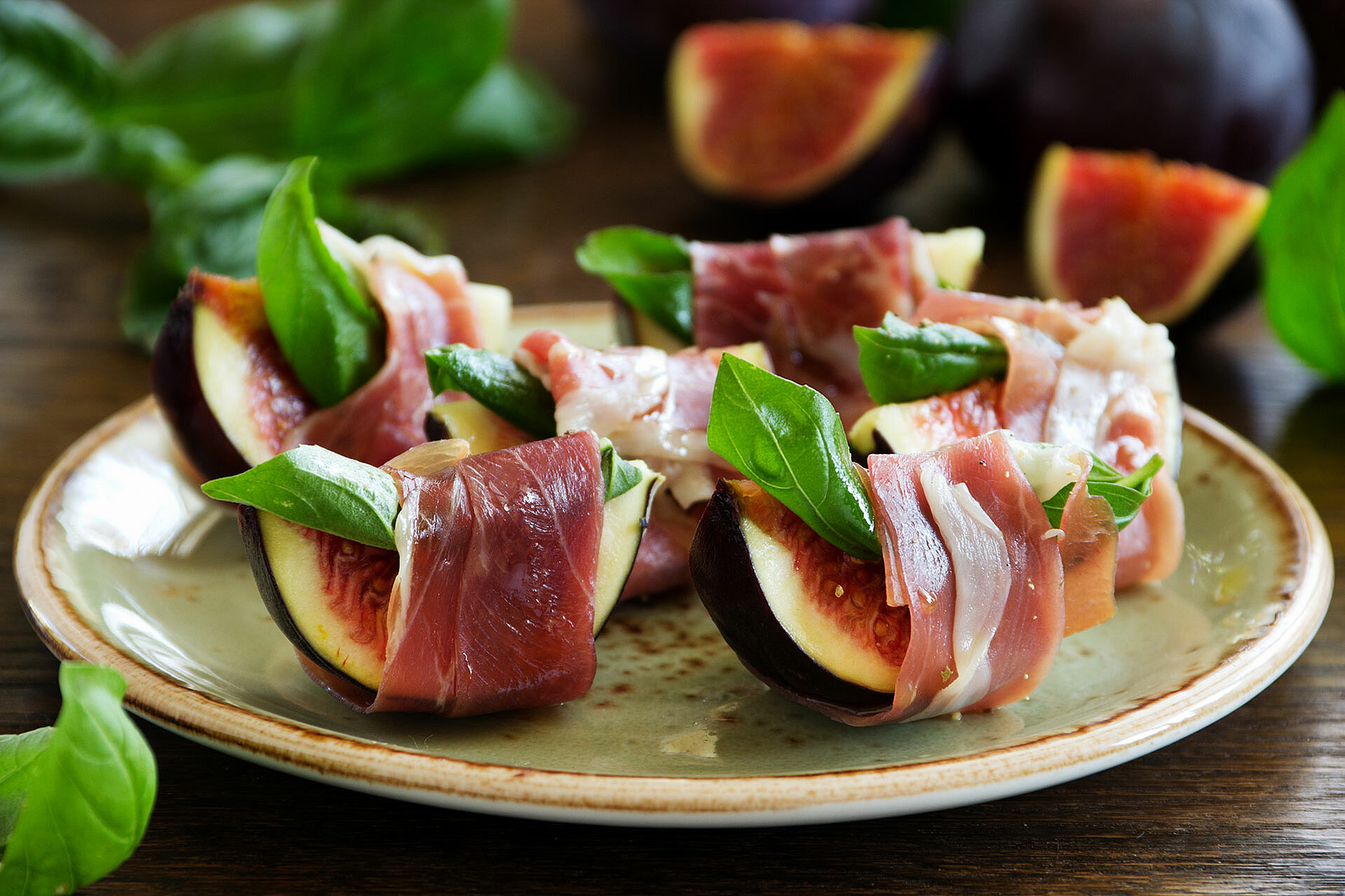
Italian appetizers from Friuli, in the northeastern corner of Italy, are often simple and relatively hearty. Here, small bowls of polenta (cornmeal) or frico—small cheese-and-potato pancakes—are served as antipasti. For centuries, Friuli has prided itself on being the region with the best pork belly. Persut di Sant Denêl—or San Daniele ham—is known worldwide. Italians eat it primarily as an appetizer with figs.

Even outside the context of a full Italian meal, antipasti are a delight: as a snack, for a night in front of the TV, for guests, or as an accompaniment to a good wine. We have the perfect recipe for the quintessential antipasti classic (and a surprise in the preparation).
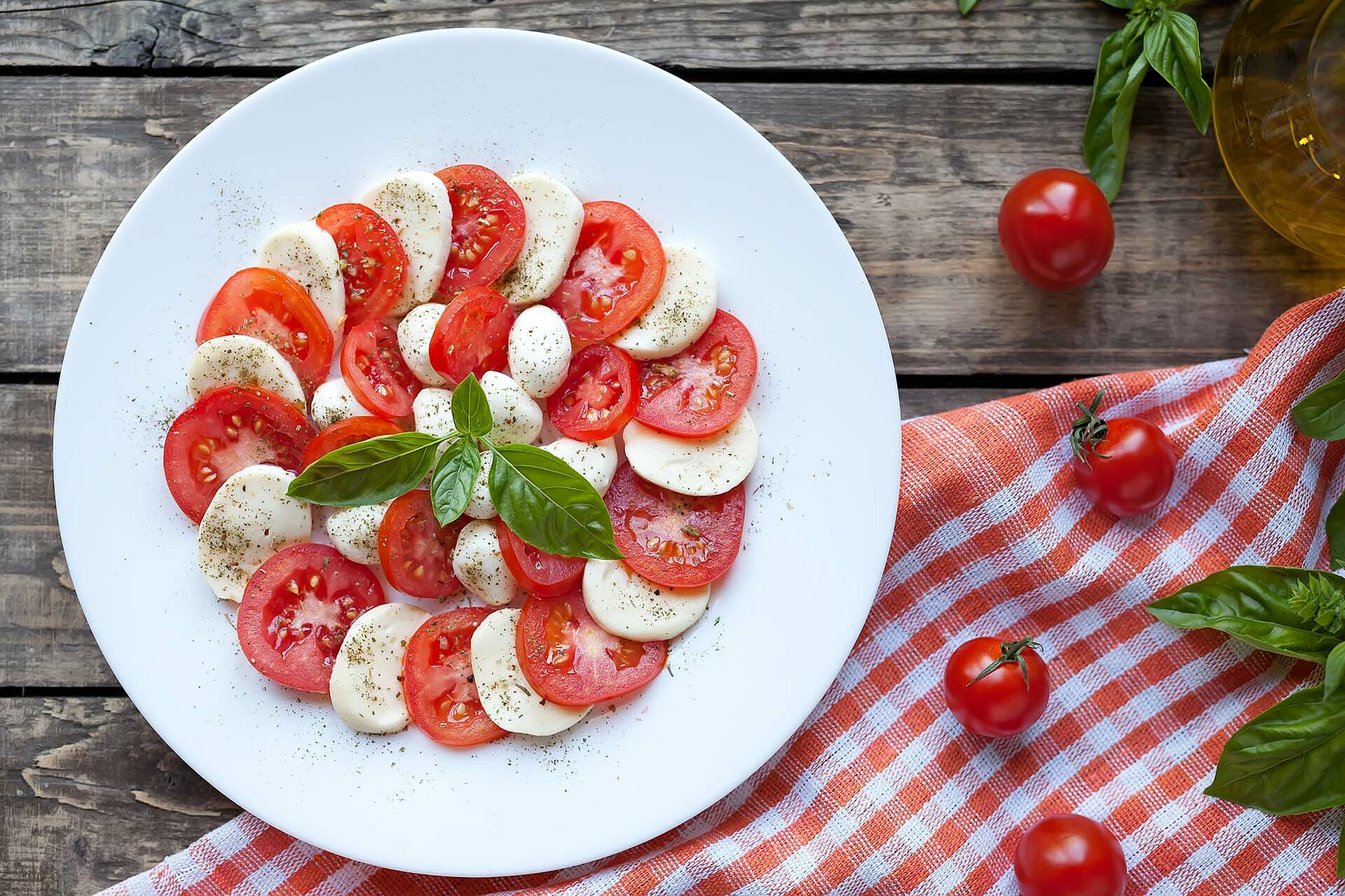
This appetizer, sometimes simply called “Caprese,” is considered an Italian national dish. Its colors mirror those of the Italian flag, the Tricolore. Caprese is a salad made with fresh tomatoes, mozzarella, basil, and olive oil.
Insalata Caprese Is This Easy
To prepare this dish, the tomatoes and mozzarella are sliced and topped with fresh basil leaves. The Italian then drizzles olive oil over them and adds salt. In many traditional Italian restaurants, there’s also a variation featuring a whole buffalo mozzarella—in one piece—on the plate. In this case, the diner “picks” the cheese off piece by piece with a fork.
Key to making it yourself: aromatic, fruity tomatoes, cold-pressed, high-quality olive oil, and a rich mozzarella. The authentic Italian Caprese features buffalo mozzarella and—unlike how it’s often served here—no balsamic vinegar.
Discover our three delicious variations of Insalata Caprese now.