Cold-pressed, fruity, extra virgin:
The Olive Oil Primer
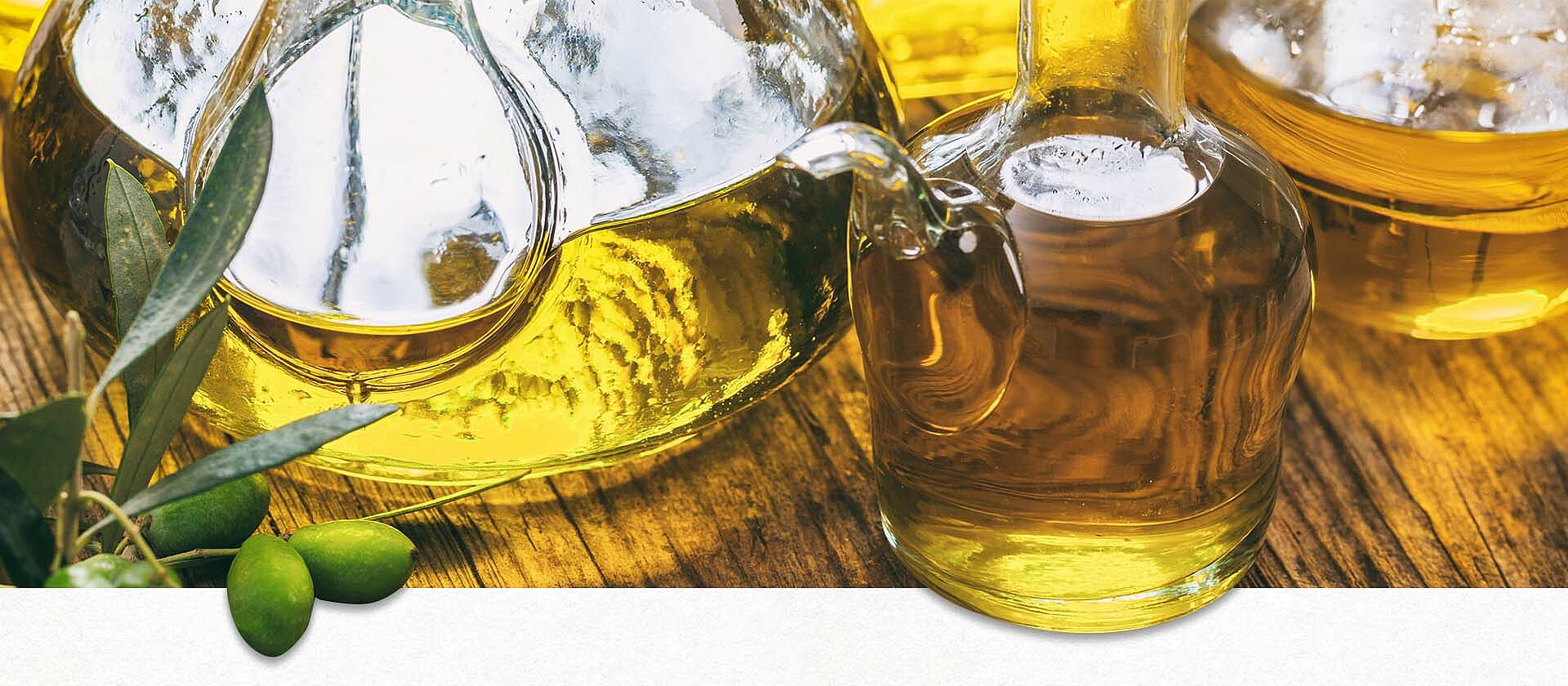
Cooking Italian food without olive oil? Impossible! But not all olive oils are created equal. We’ll reveal the secrets behind the subtle differences.
Olive oil is a staple in many Italian dishes—and in Mediterranean cuisine in general—used for cooking and frying, as well as in sauces and salad dressings. Per capita consumption of olive oil in Mediterranean countries is correspondingly high. In Italy, for example, it’s over 10 liters per person per year, and in Greece it’s as high as 15. By comparison, each German consumes about half a liter of olive oil per year. Olive oil is prized for its variety of flavors.
The Flavors of Olive Oil
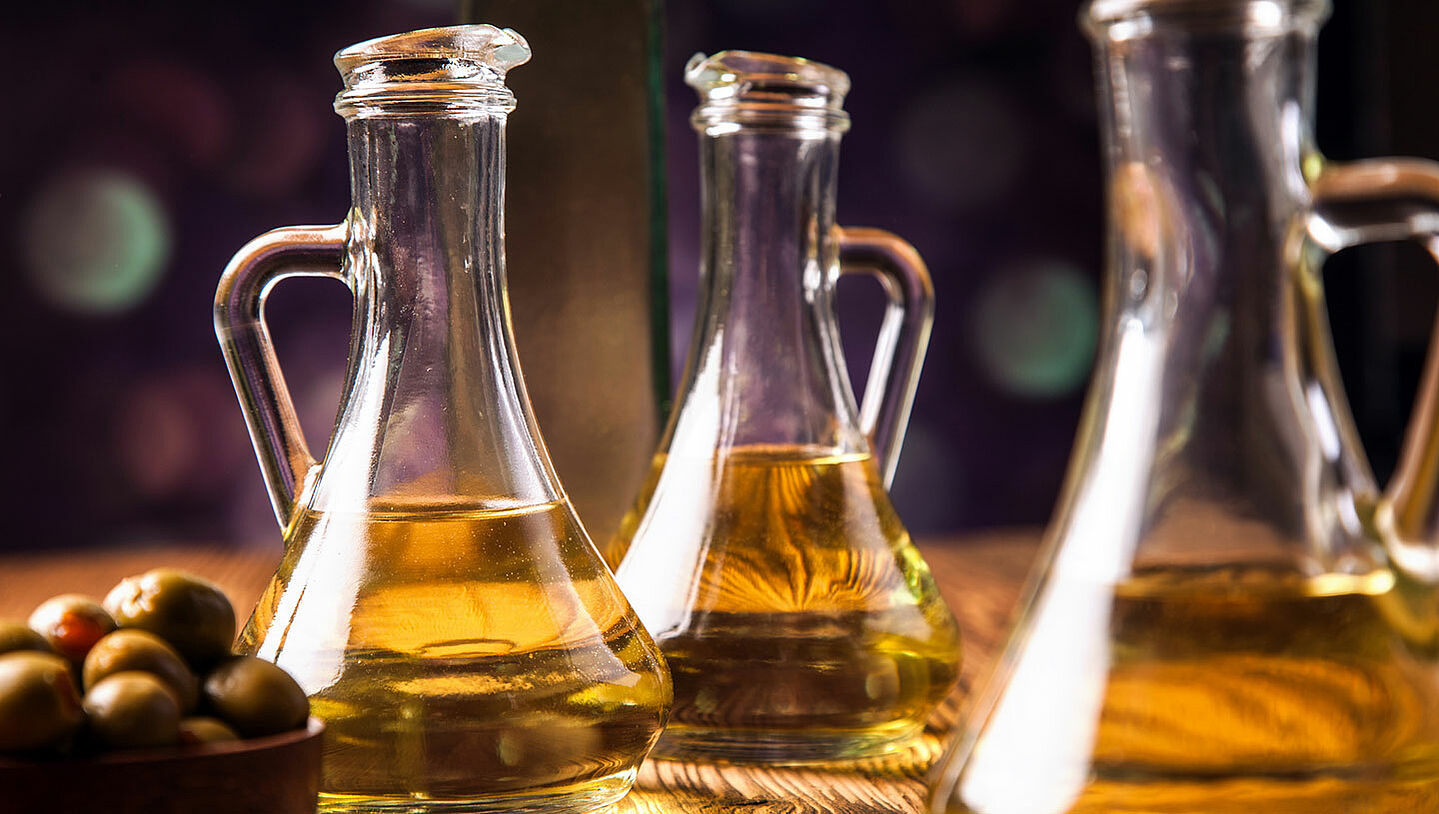
Olive oil can have different flavors. Generally, there are four distinct flavor profiles: light, mild, semi-fruity, and fruity.
Light olive oil has a delicate aroma and a subtle olive flavor. A mild olive oil has a buttery flavor, whereas in semi-fruity olive oil, the olive flavor is much more pronounced. Fruity or peppery olive oil refers to an oil with a very strong olive flavor.
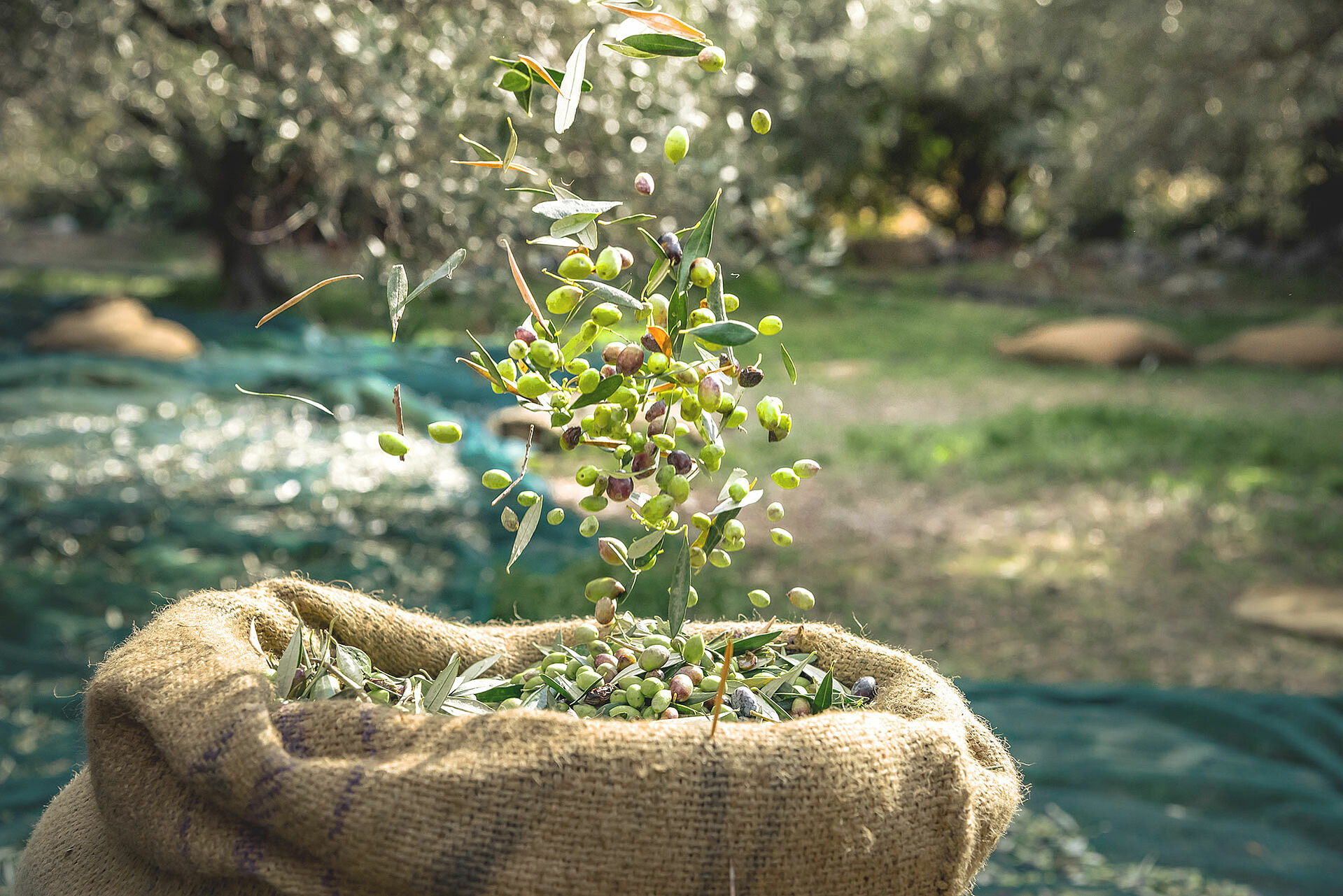
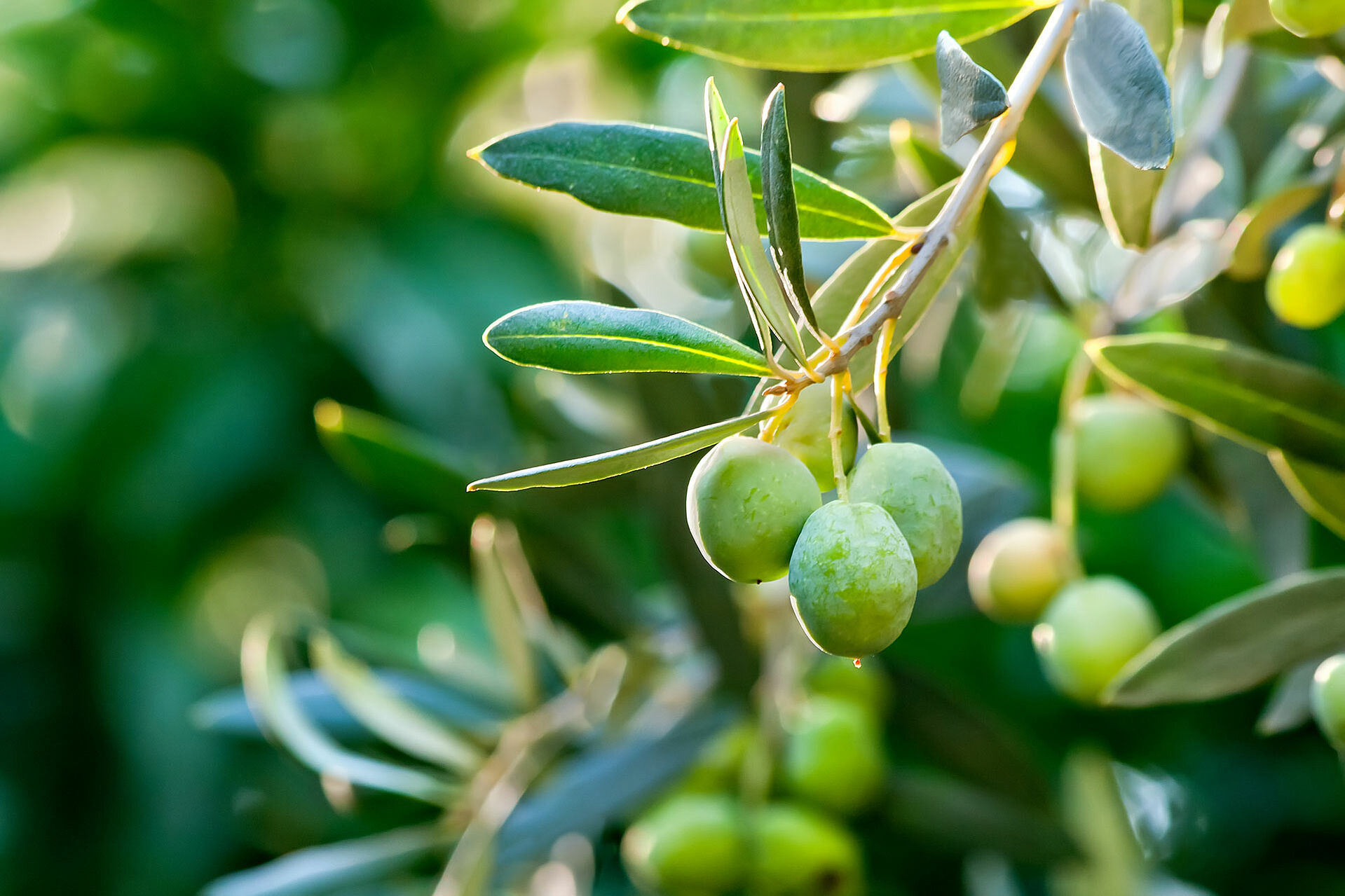
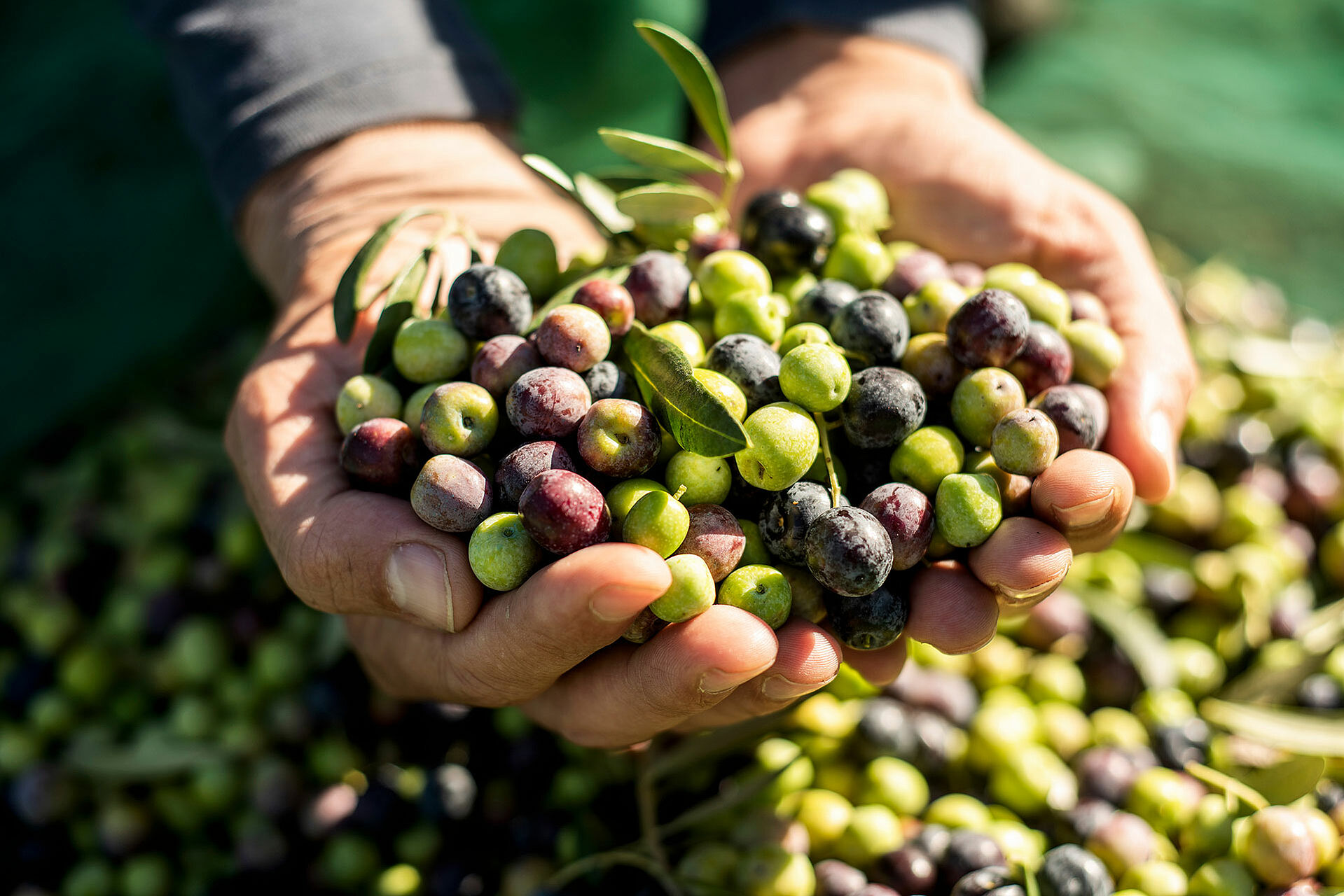
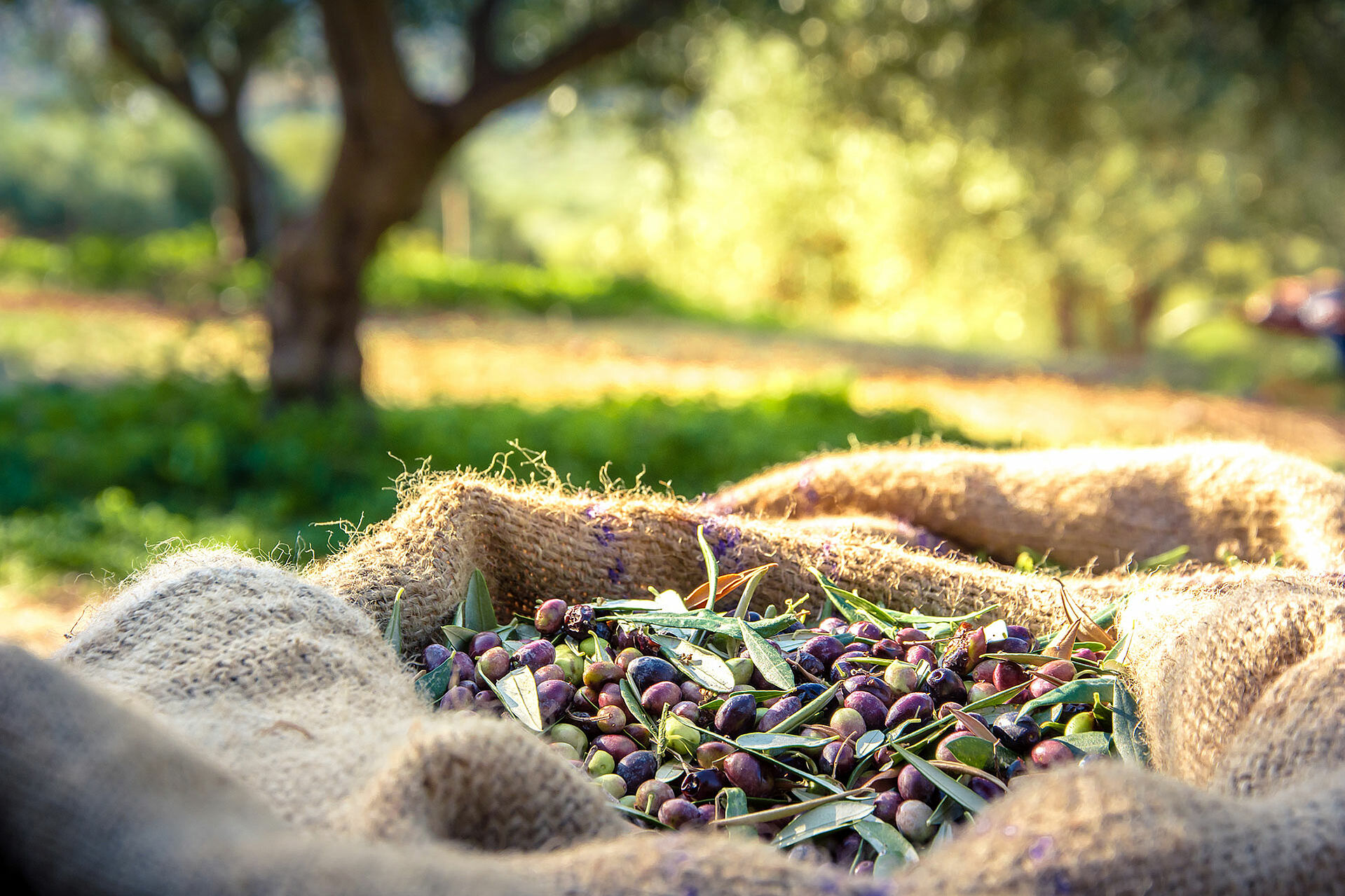
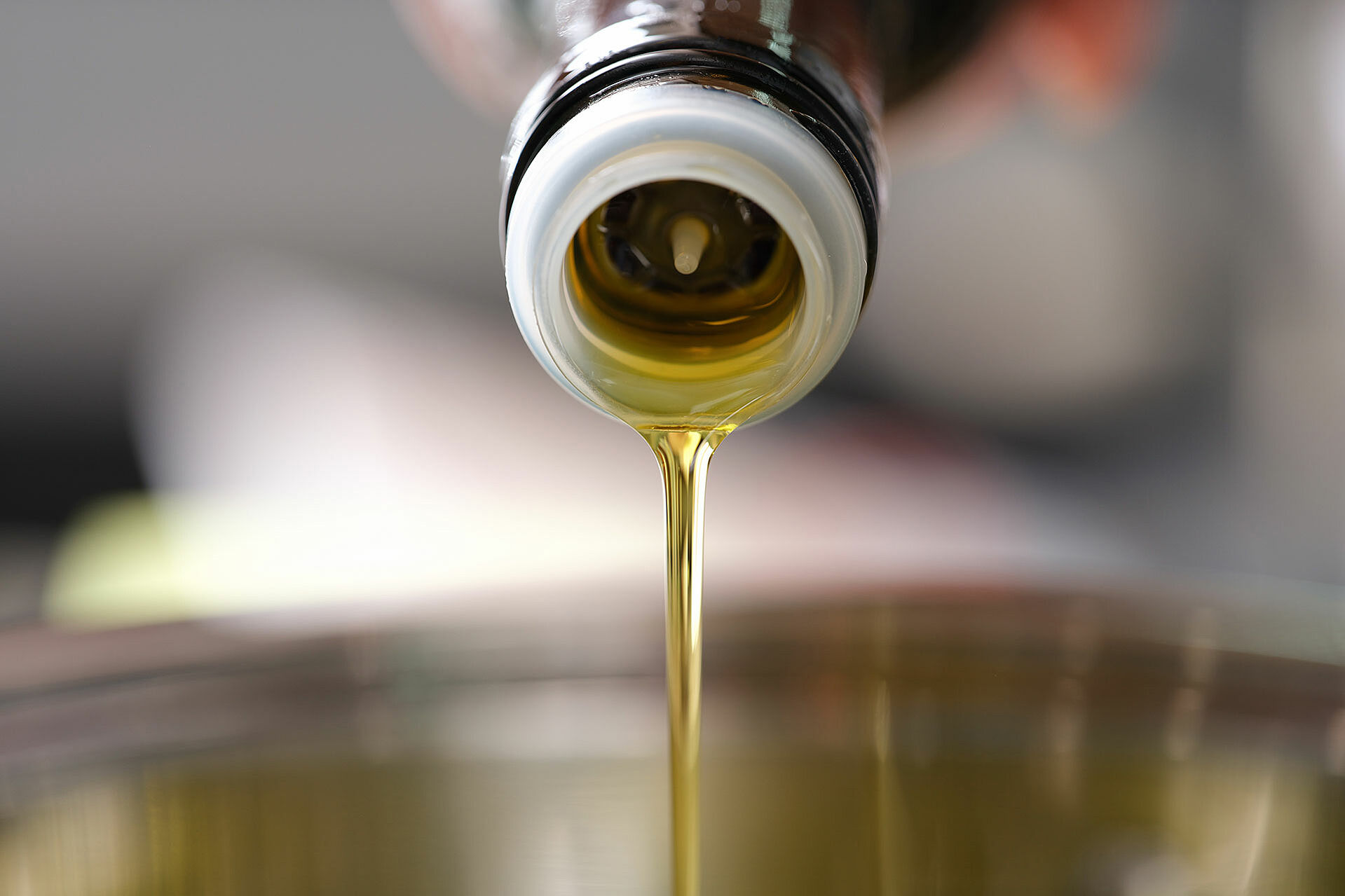
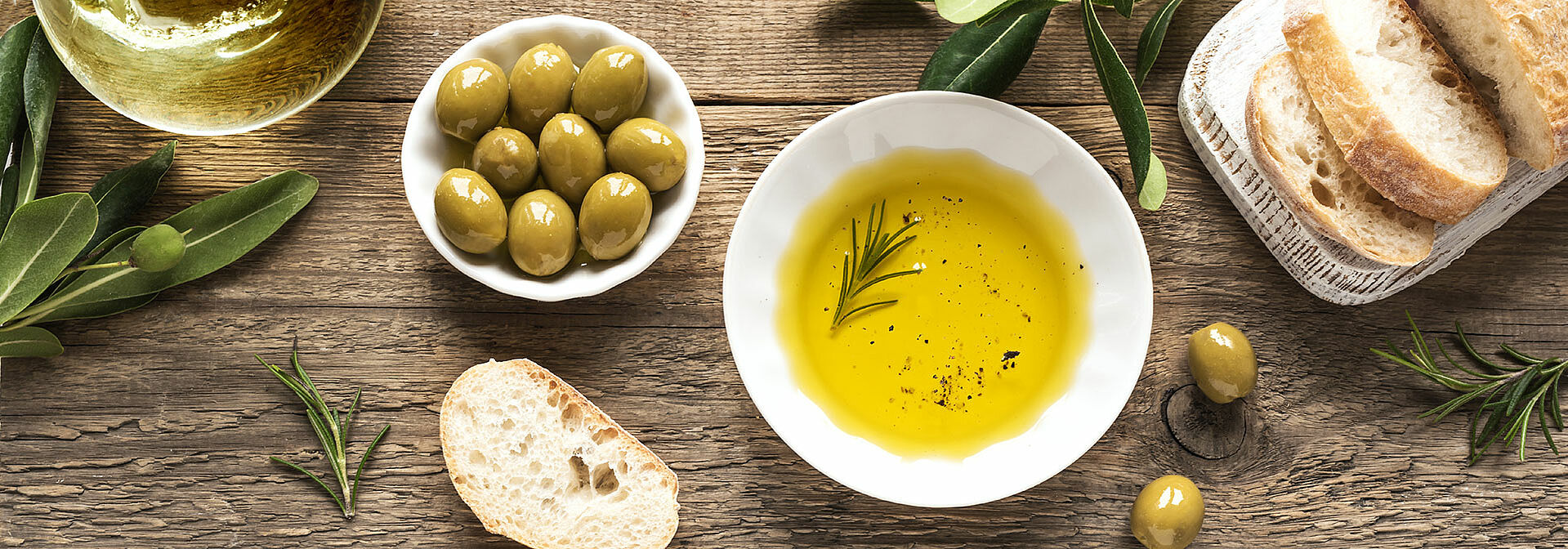
By the way, greenish olive oil is made from green olives, while yellowish olive oil is made from black olives. Olive oil is a natural product. Therefore, its taste and aroma vary depending on the olive variety and growing region.
That's how you can tell the quality of the olive oil
Olive oil is classified into different quality grades—depending on the production process and the content of unsaturated and free fatty acids. As a rule of thumb, the higher the free fatty acid content, the lower the quality of the olive oil. A distinction is also made between cold-pressed and refined olive oil.
The term “cold-pressed” means that the olives may be pressed at a maximum temperature of 27 °C. If the temperature is higher, the flavor and quality suffer. In the case of refined olive oil, the olives are pressed at higher temperatures, and the oil is extracted from the fruit using a solvent. While this yields more oil, the added substances must later be chemically removed—that is, refined. This destroys many vitamins and comes at the expense of flavor.

The Difference Between Extra Virgin, Virgin, and Olive Oil
Extra virgin olive oil (German: Natives Olivenöl extra):
The highest quality grade of olive oil. It is always obtained from the first pressing of the olives, is unprocessed, has a very fruity flavor, and contains no more than 0.8% free fatty acids.
Virgin olive oil:
This olive oil usually comes from the second or third pressing, is generally slightly less fruity, and may contain up to 2% free fatty acids.
Olio d’oliva (English: olive oil):
This is a simple, refined olive oil. Virgin olive oil is added to improve the flavor.
Olio di sansa d’oliva (English: olive pomace oil):
This refined oil is usually extracted from olive pomace residues using solvents. Olive pomace refers to the solid components (press cake) left over after pressing juice or oil. Olive pomace oil is usually sold in the country of origin and is not exported.
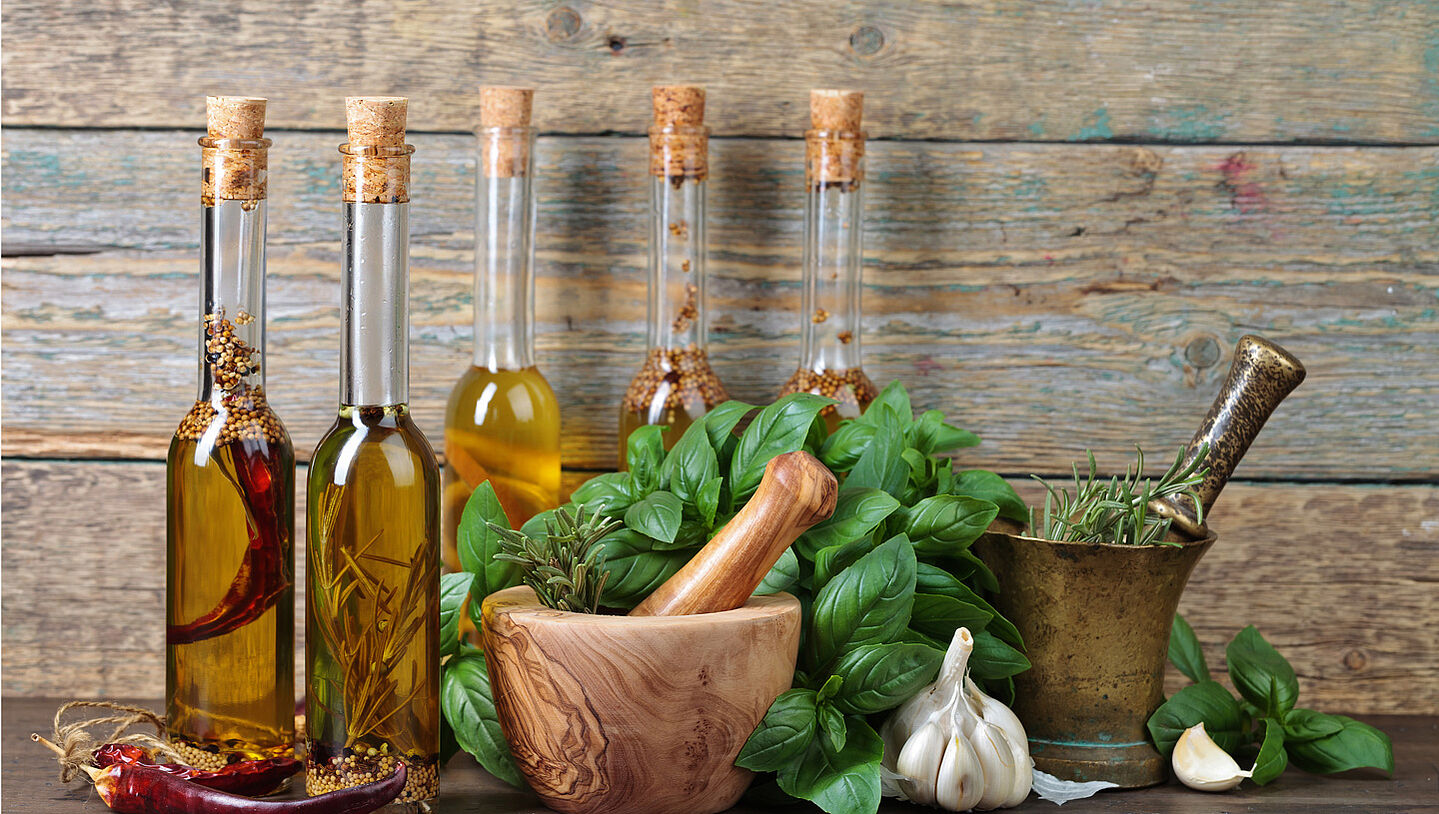
In Germany, “extra virgin” olive oil is the most common type. Still, it’s worth comparing different brands, because these olive oils vary greatly in taste and quality. And very often (unfortunately), the contents don’t match what’s listed on the label. Tests show this time and again. One thing is clear: a good “extra virgin” olive oil doesn’t have to be prohibitively expensive. But a good olive oil is made from good olives and a great deal of craftsmanship. That comes at a price. But that price is absolutely worth it in terms of flavor. The harvest year is an indicator of quality, as many olive oil connoisseurs recommend choosing oil that’s as fresh as possible. However, listing the harvest year on the label is optional. A high-quality olive oil also usually has a sharp taste on the palate (not in the throat) when you taste it straight. In your search for a good olive oil, you should simply try different oils—and find your favorite that way.
By the way: With Italian olive oils, you can identify the harvest year by the term “raccolta” (harvest) followed by the year.
Which olive oil is the best?
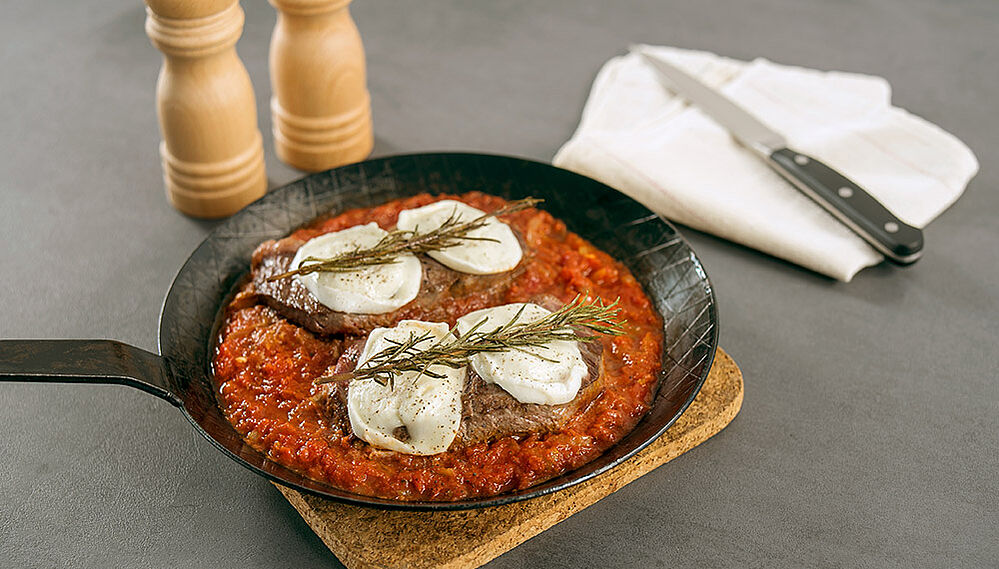
Olive oil is best suited for Mediterranean recipes—especially Italian ones. In the past, for cost reasons, people often used basic olive oils for frying or cooking and high-quality olive oils for salads. That view is outdated. If you value great flavor and high quality, you should always use “extra virgin” olive oil. You can even use it to sear meat, at least at temperatures up to 180 °C. Perfect for a bistecca con pomodoro.