The Classic Italian Dessert: Tiramisu
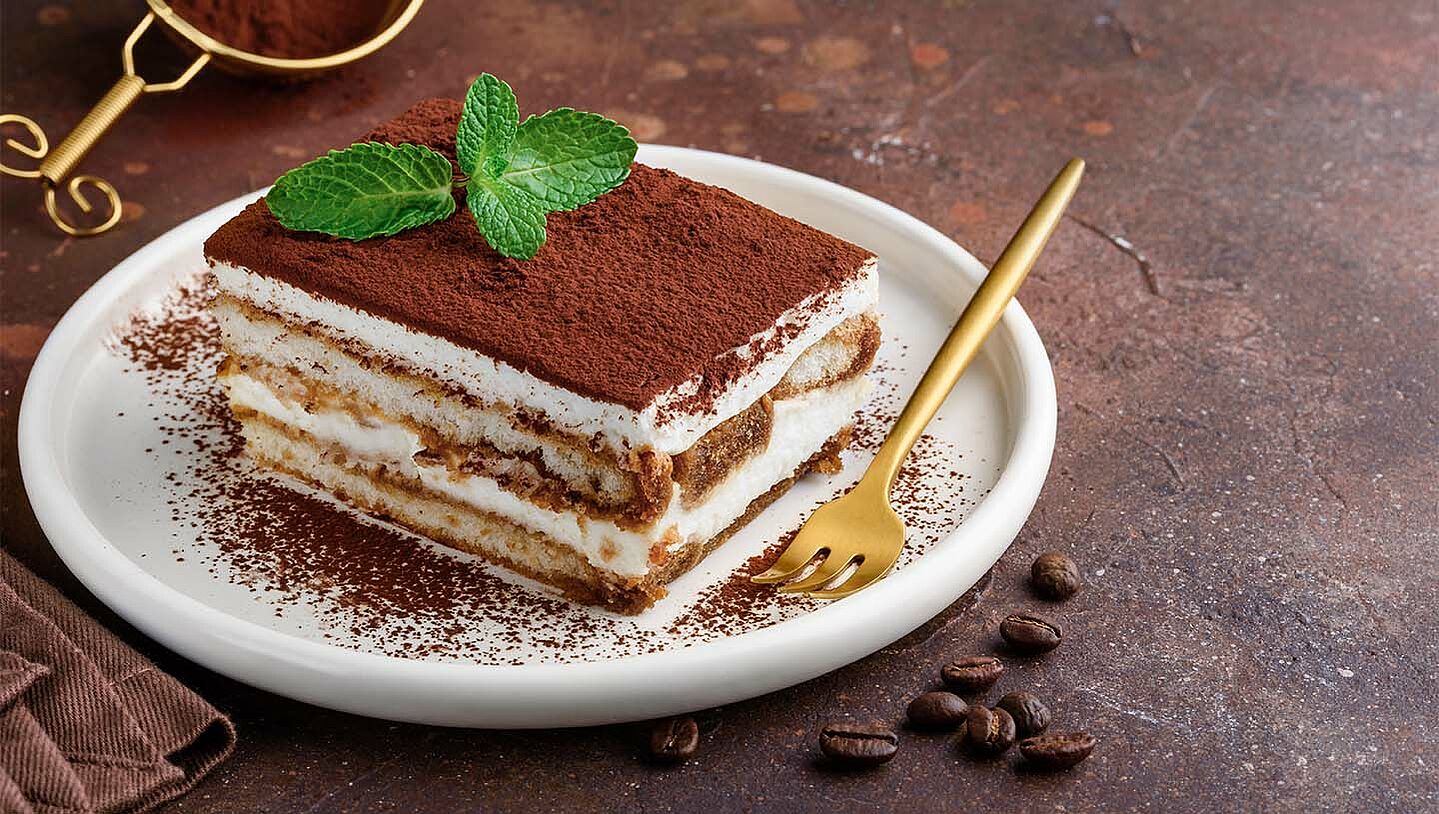
Homemade tiramisu with creamy mascarpone, espresso, and aromatic, slightly bitter cocoa
Homemade tiramisu (Italian spelling: Tiramisù) is a classic Italian dessert that almost no one can resist. That’s because the combination of ingredients is simply delicious: creamy mascarpone meets strong espresso, sweet ladyfingers, and aromatic, slightly bitter cocoa. And if you like, you can add a little Amaretto, an Italian almond liqueur with a subtle marzipan flavor. Or a splash of Marsala, a fortified wine from the Sicilian port city of Marsala. The result is always stunning—even though the name actually means the exact opposite: “Tira mi su” translates to “Pull me up.”
According to legend, the dessert was first served in 1939 at Trattoria Al Vetturino (“The Coachman”) in the northern Italian town of Pieris (in the province of Gorizia). A guest is said to have exclaimed there in the 1940s after a meal: “Ottimo, c’ha tirato su” (“Excellent, that really perked me up”). That’s how the famous dessert got its name.
Ingredients
500 g mascarpone
4 eggs
80 g sugar
Cocoa
40 ml Amaretto liqueur (alternatively: Marsala)
3 cups of espresso
250 g ladyfingers
Step 1 : The Preparation
Brew three cups of espresso or very strong coffee and let it cool. If you want to use Amaretto or Marsala, mix it well into the coffee. Carefully crack the eggs, separate the yolks from the whites, and set them aside for now.
Sponge fingers are typically used for tiramisu. However, if you prefer, you can also bake a sponge cake base and use that instead.
Step 2 : The Mascarpone Cream
To make the mascarpone cream, beat the egg yolks with the sugar until creamy. This works best with a mixer or in a food processor. Make sure the sugar dissolves completely. Then stir the mascarpone into the sugar-egg mixture.

Tip
For a light and fluffy tiramisu, beat the egg whites until stiff.
If you’d like to use the egg whites as well, you can beat them until stiff and fold them into the mascarpone cream. While this isn’t part of the original tiramisu recipe, it makes the dessert wonderfully light and fluffy.
Here’s how to check if the beaten egg whites are ready: Make a cut in the mixture with a kitchen knife. If the cut remains visible after you remove the knife, they’re ready.
Step 3 : A variation on the mascarpone cream without eggs
Want to skip the raw egg in your tiramisu altogether? Of course you can—it just tastes a little different. Here’s how to make the tiramisu cream without an egg: Start by whisking the lemon juice with the sugar for about a minute, until the sugar has dissolved. Then add the mascarpone, milk, and Amaretto, and stir until the mixture is nice and creamy. Use the egg-free mascarpone cream just like the original mascarpone cream and continue with the recipe.
Step 4 : Preparing the Soil
Line a baking dish with the ladyfingers (or the sponge cake base) so that they cover the entire bottom. Using a tablespoon, pour the coffee (with or without liqueur, whichever you prefer) evenly over the ladyfingers. They should absorb the coffee, but under no circumstances should they be swimming in it.
Step 5 : Layering the tiramisu
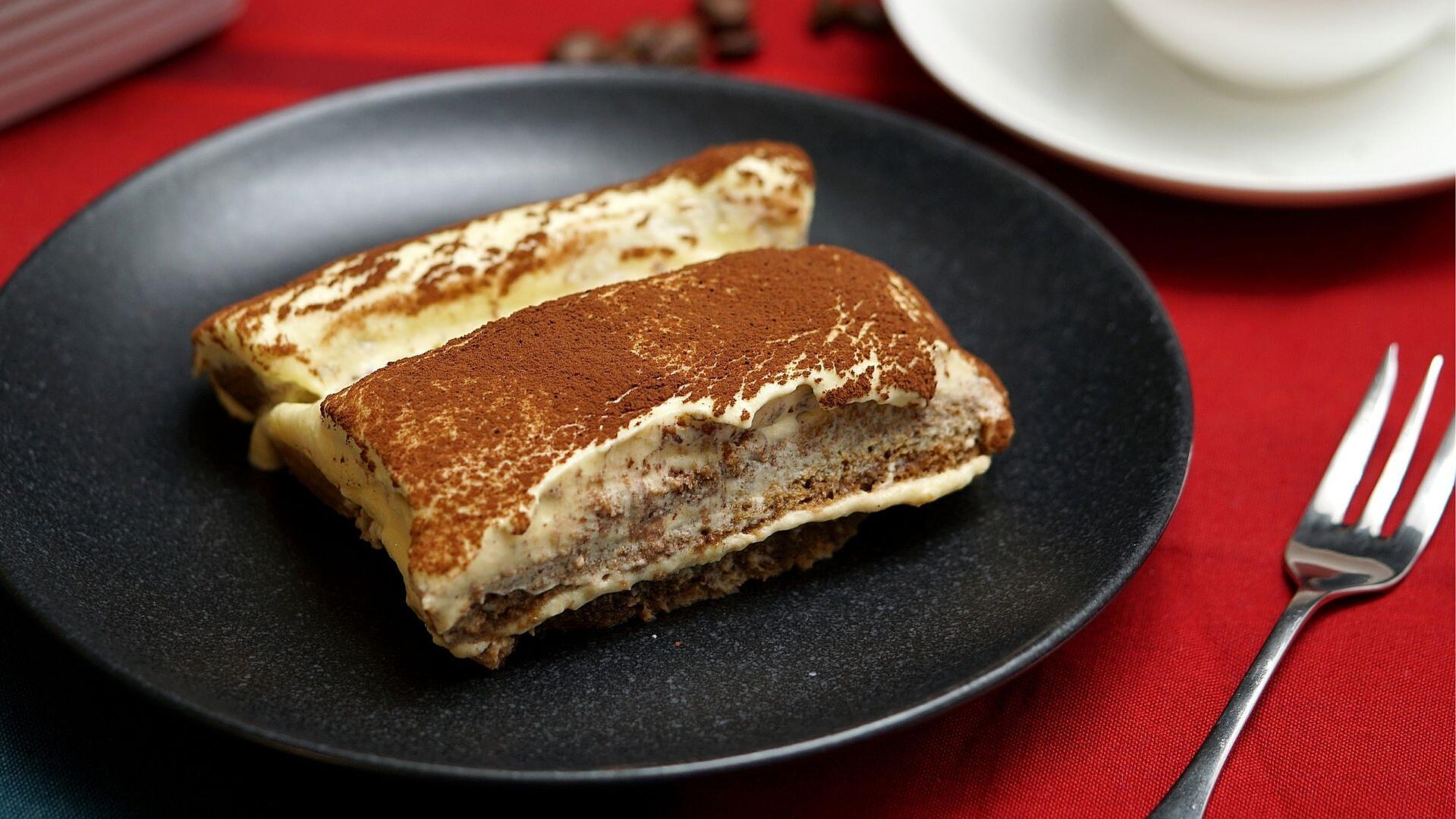
Now spread the mascarpone cream over the soaked ladyfingers. Next, add another layer of ladyfingers and drizzle them with the coffee-liqueur mixture. Then add another layer of mascarpone cream. Finally, sift the cocoa powder evenly over the tiramisu.
Cover the tiramisu tightly with aluminum foil and refrigerate it for a few hours or overnight. This allows the dessert to soak in the flavors and develop its full aroma.
Tip
Cocoa Powder for Tiramisu
Be sure to use pure cocoa powder for your tiramisu. It’s suitable for baking as well as for making hot chocolate. This cocoa powder contains no added sugar or other ingredients and has a wonderfully bitter flavor that contrasts nicely with the sweet mascarpone cream.
Step 6 : The Finale
To serve, cut the tiramisu into pieces while it’s still in the pan and carefully place one piece at a time—using a spatula, for example—onto a dessert plate. Buon appetito!