Pasta in Italian Cuisine
Everything you need to know about the right pasta flour, delicious sauces—and everything else that goes into making the perfect Italian pasta
Along with pizza, pasta is one of the best-known and most popular Italian dishes. One reason: pasta dishes are incredibly versatile. We’ll tell you what makes for good pasta, what kinds of sauces and cooking methods there are, and how you can easily make a pasta dish just like in Italy. Dive into the delicious world of Italian pasta dishes.
Deliciously al dente pasta with a tasty sauce is a staple of the classic Italian meal and belongs on every Italian menu. In Italy, pasta is usually eaten as the first main course, known as the primo piatto. Exception: In the popular Italian dish Piccata alla Milanese, the cutlet is traditionally served on top of spaghetti.
WHAT INTERESTS YOU THE MOST?
Ingredients for authentic Italian pasta
Is Italian pasta made with or without eggs?
The Variety of Italian Pasta Types
Pasta sauces turn Italian pasta into a true specialty
Deliciously stuffed Italian pasta
What to Do with Leftover Pasta
Italian Pasta: Its origins likely lie in China
The origins of this delicious pasta are lost in the mists of time. In China, noodle dishes were known as early as the Han Dynasty (206 B.C. to 220 A.D.). Pasta was also known in ancient Greece. It is likely that pasta was brought to Italy by the Greeks. From there, Italian pasta dishes began their worldwide conquest no later than the last century.
These are the ingredients for authentic Italian pasta
Italian pasta is traditionally made with just a few ingredients. Special pasta flour—called semola in Italian—water, olive oil, and sea salt are all it takes to create such a wide variety of pasta.
Semola is produced by grinding durum wheat into a coarse grain. It is significantly coarser than the wheat flours used for baking bread and cakes. Its texture falls somewhere between the flour we typically use and soft wheat semolina. Semola works perfectly for making pasta dough and gives the noodles that desired bite.
If your supermarket doesn’t carry semolina, it’s worth checking out the flour section of your nearest organic grocery store. The selection there is usually larger, and semolina is typically available. Pasta and spätzle flour are also suitable alternatives.
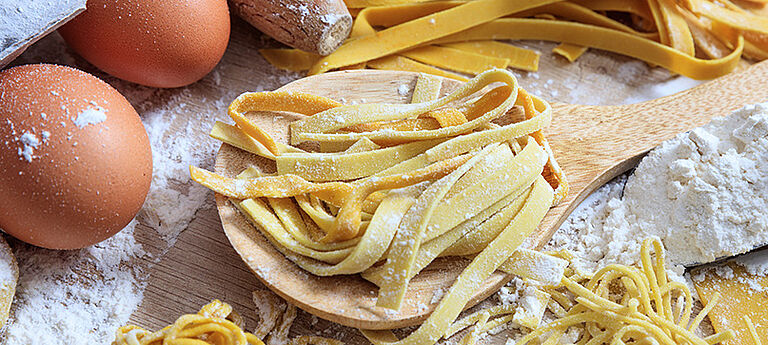
Very important: Be sure to use pasta flour! Pasta made with Type 405 flour turns out mushy. Ingredients like semolina and olive oil are essential; other than that, you don't need anything else.
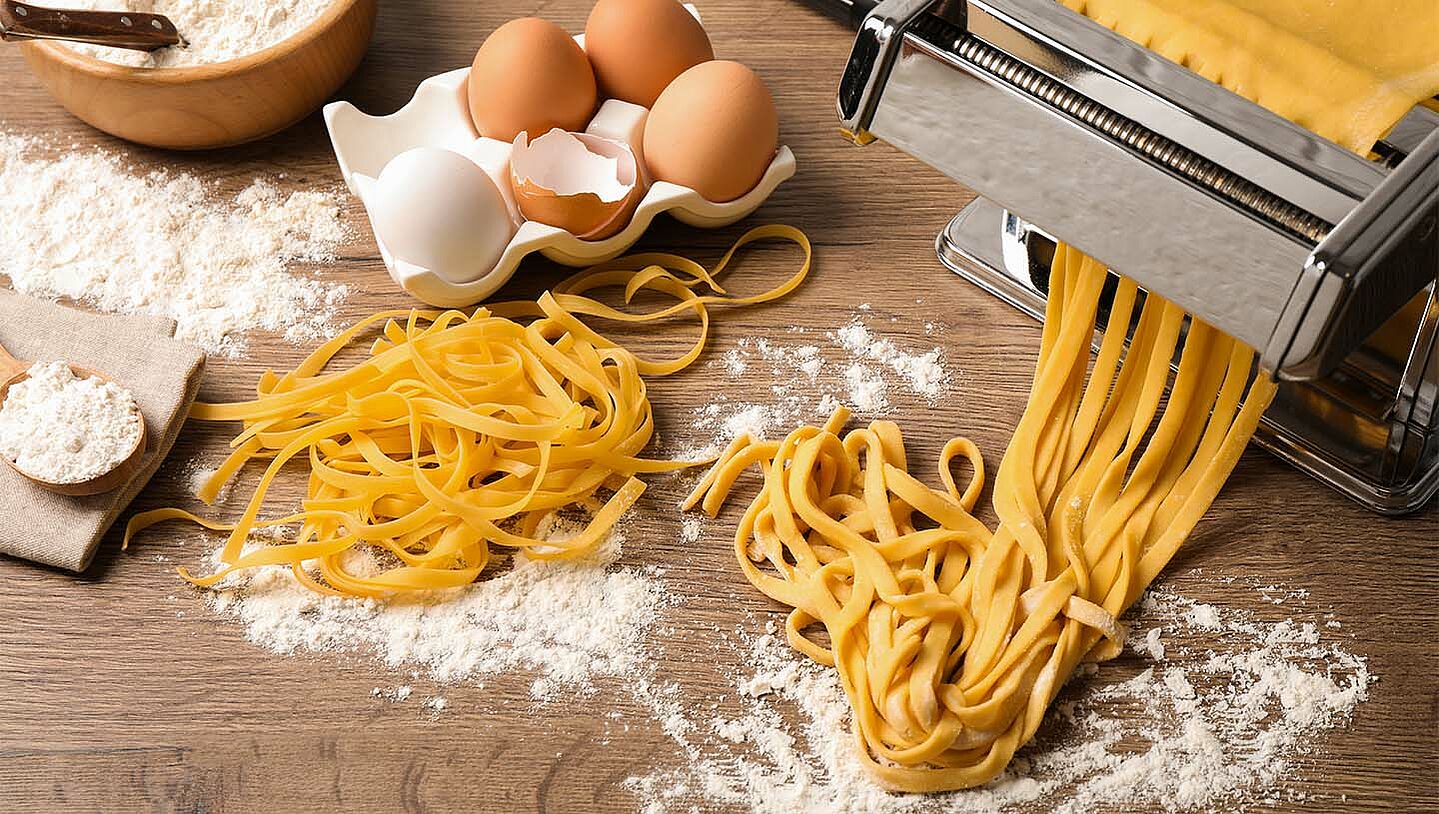
Is Italian pasta made with or without eggs?
Egg pasta in Italy? Yes, in Italy there is pasta made with and without eggs. So-called pasta secca (dry pasta) is made without eggs, while pasta fresca contains eggs. This gives it a slightly different flavor and a more intense color. Pasta secca is often made with Type 00 soft wheat flour and is available in stores as “farina.”
The Variety of Italian Pasta
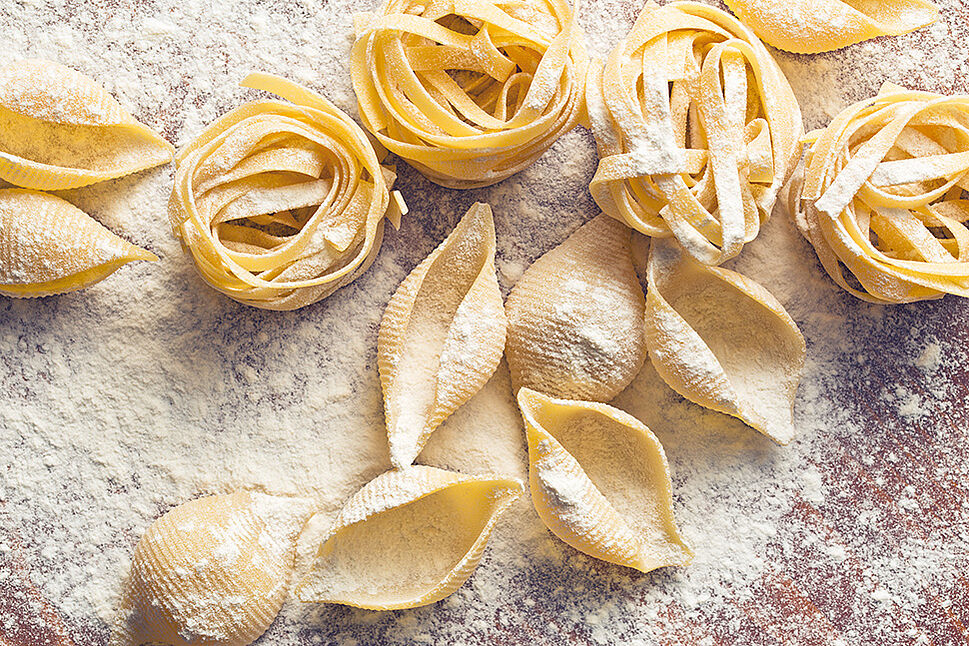
Italian pasta comes in a huge variety of shapes. Whether it’s sheets for lasagna al forno, long strands of pasta for spaghetti, small shells, twisted spirelli, fusilli, or rigatoni—the dough can be shaped into any form using a pasta machine or by hand. To do this, the pasta dough is pressed through a special pasta machine.
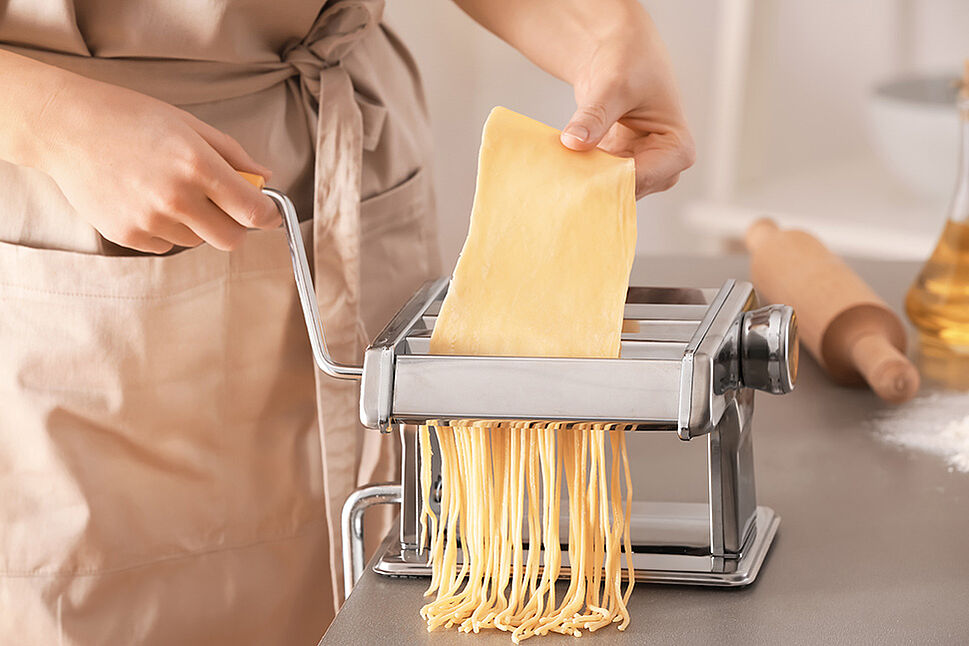
Pasta machines come in two types: In one, the dough is rolled between two rollers into sheets of pasta that, once cooked, can be used for lasagna or rolled into cannelloni. These pasta sheets can then be cut into spaghetti or wider ribbon-style pasta.
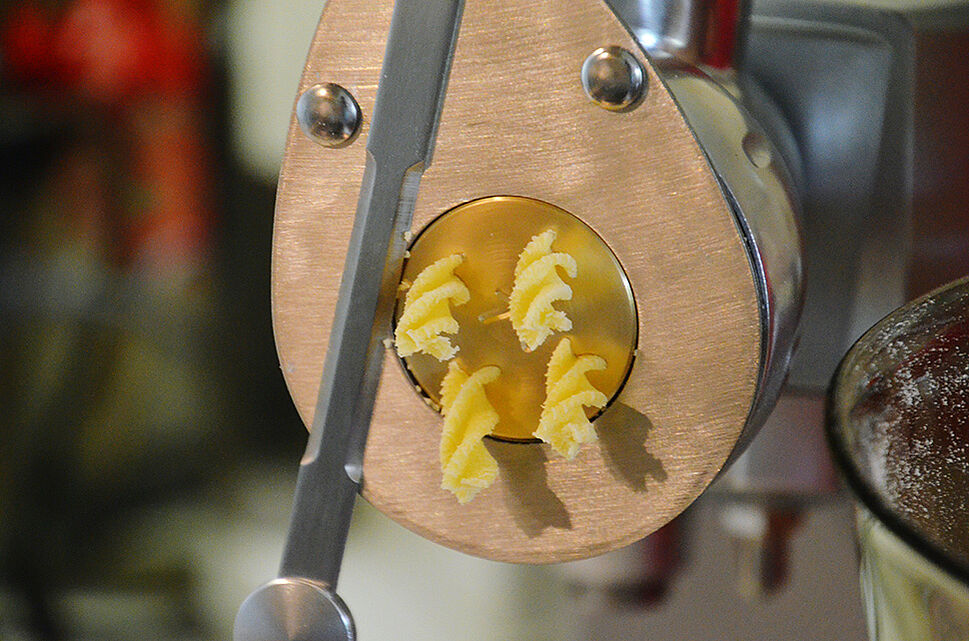
There are also pasta machines with shaping discs that can be used to make twisted pasta shapes. To do this, the dough is pressed through the shaping disc.
Italian farfalle are shaped like little butterflies. They’re quick to make, too: Roll out the pasta dough thinly with a rolling pin and cut the dough into strips using a small pasta wheel. This gives them a ridged edge. Then cut the strips into pieces about two fingers wide and pinch them together in the middle—and your farfalle are ready to be cooked in plenty of boiling, salted water. Of course, you can also dry the farfalle and use them later.
Pasta sauces turn Italian pasta into a real specialty
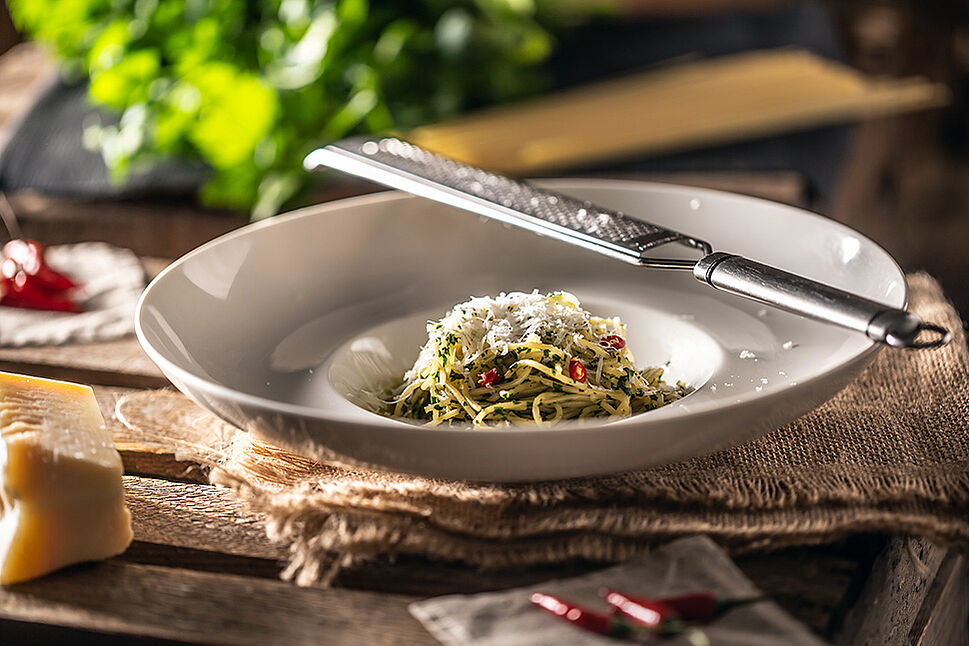
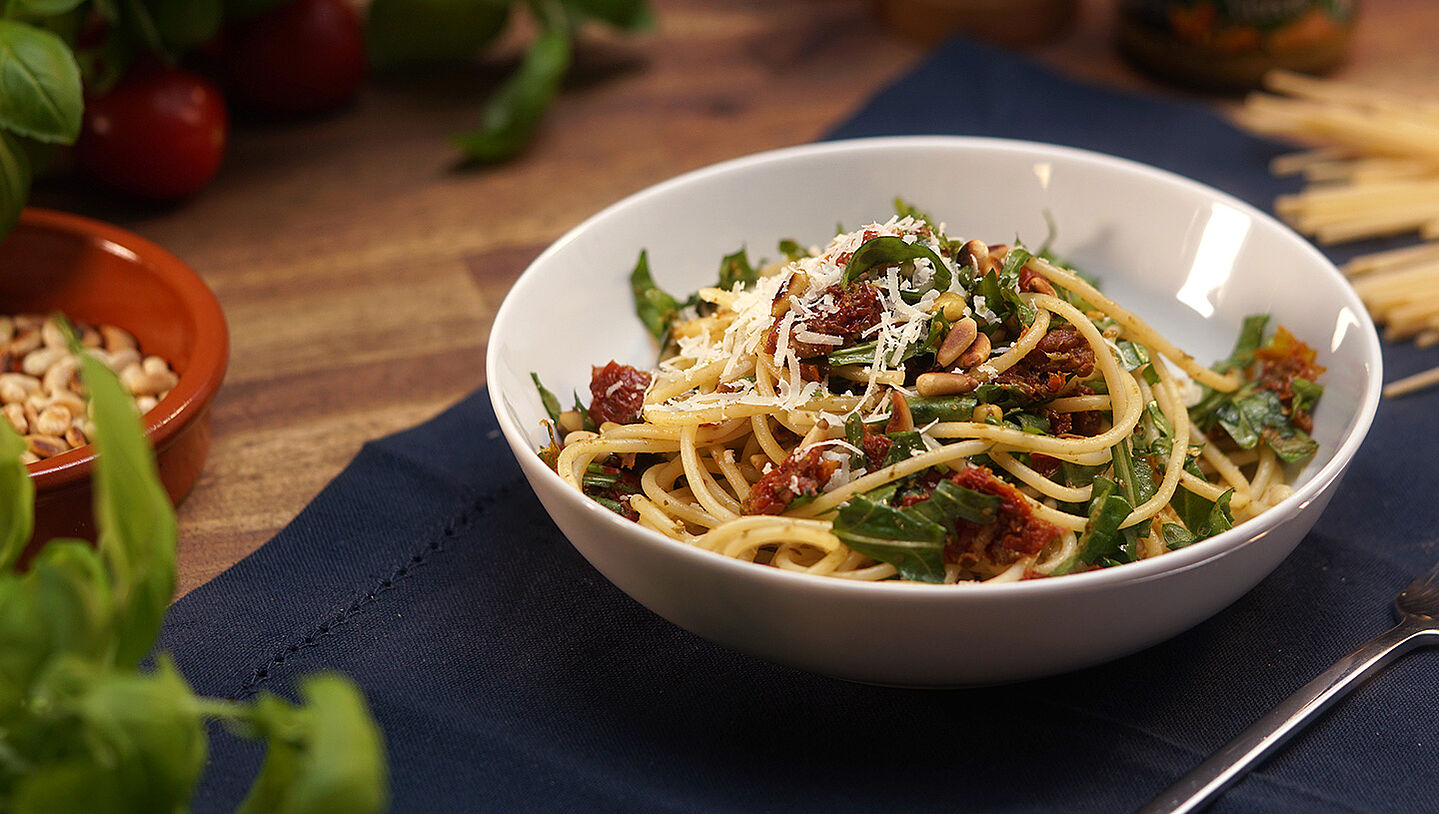
Pasta without sauce? That’s only half the enjoyment, and even a simple dish like spaghetti aglio e olio—spaghetti with garlic and oil—relies on just a few select ingredients. They give the cooked pasta a hearty, delicious flavor.
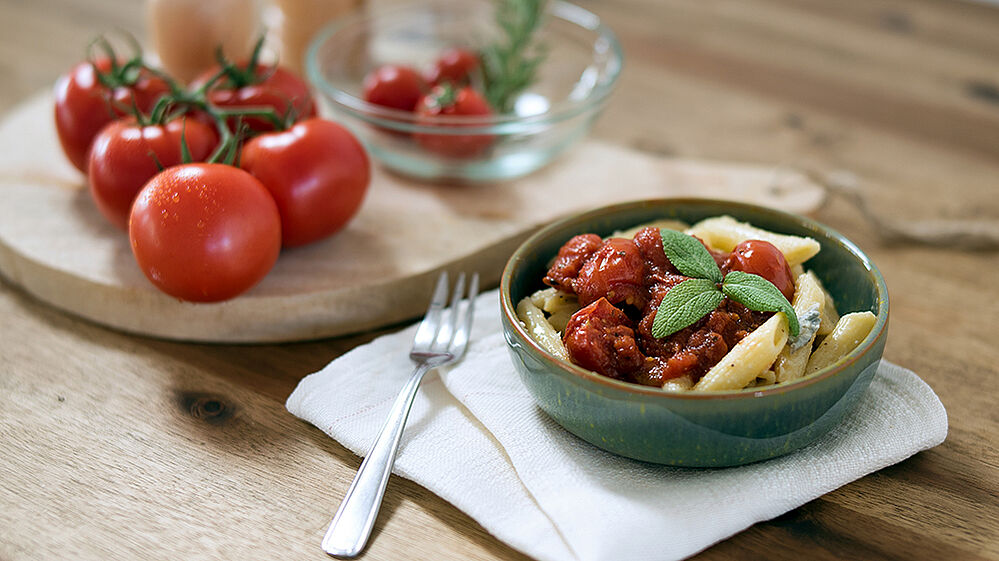
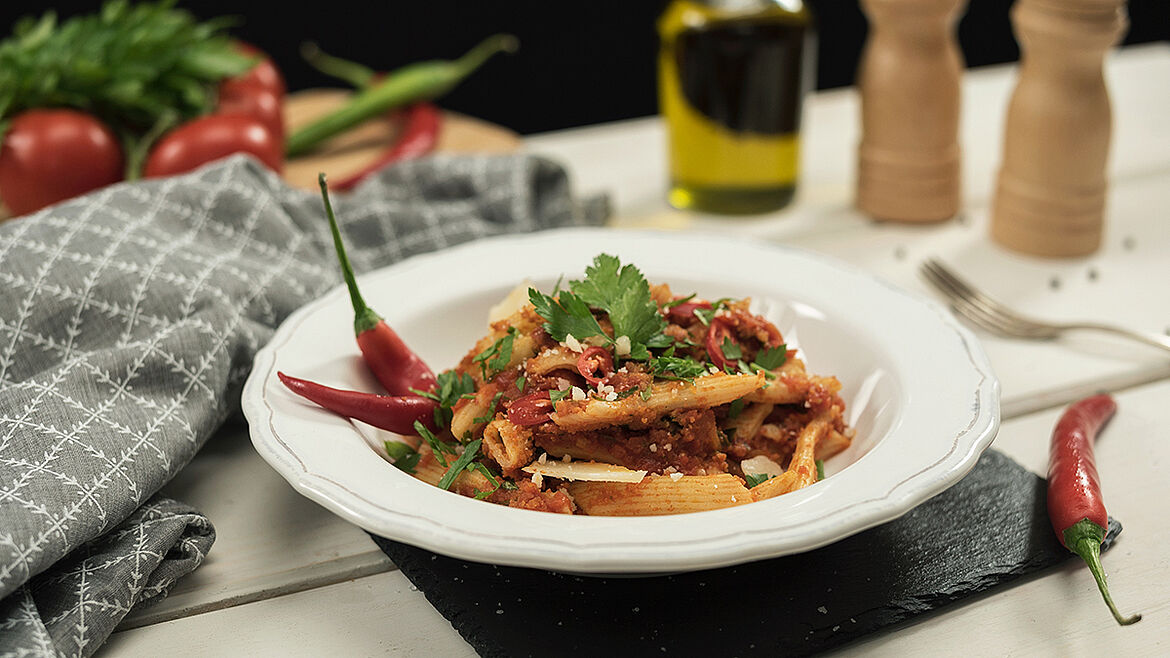
Even if it’s nothing more than olive oil, salt, and garlic—you won’t find pasta without sauce in Italy; it’s an absolute must.
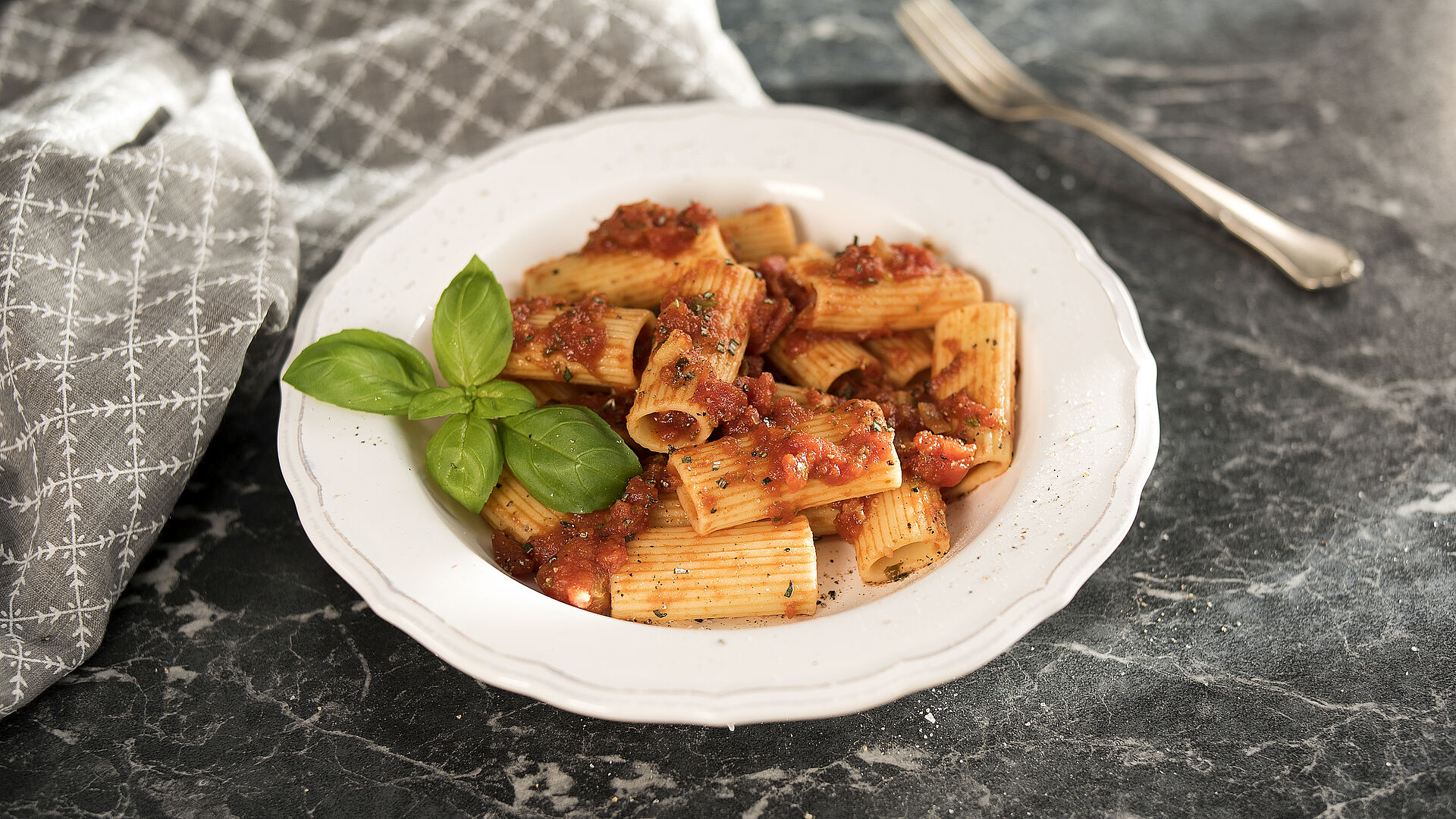
The sauce is also the reason for the variety of pasta shapes: the pasta is meant to hold as much sauce as possible, or rather, the sauce is meant to cling to the pasta. That’s why the various shapes of Italian pasta are served with plenty of hot pasta sauce, such as the classic ragù alla bolognese or a carbonara with egg and ham. Why not try a new pasta sauce with your favorite pasta?
Delicious Stuffed Italian Pasta
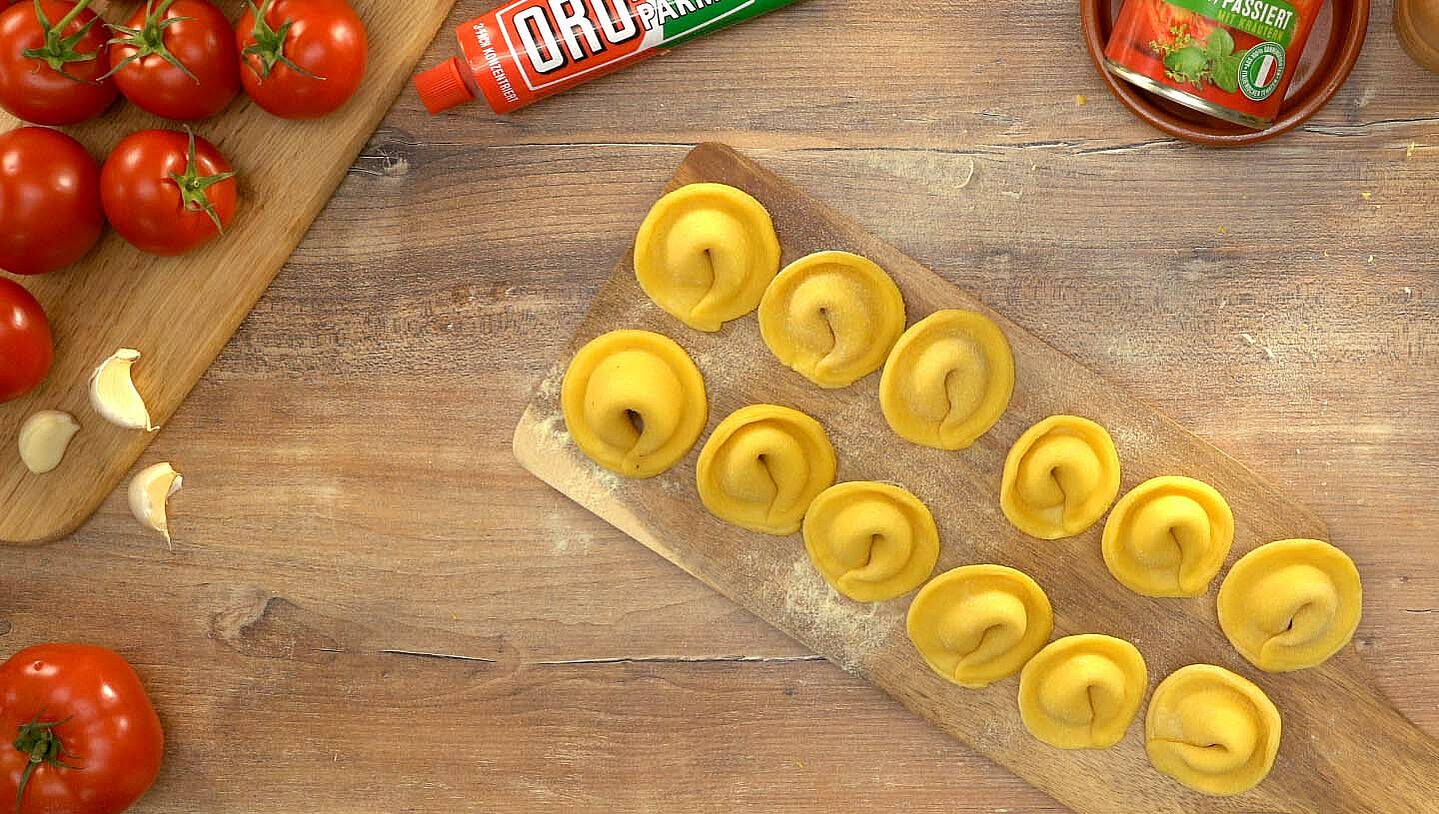
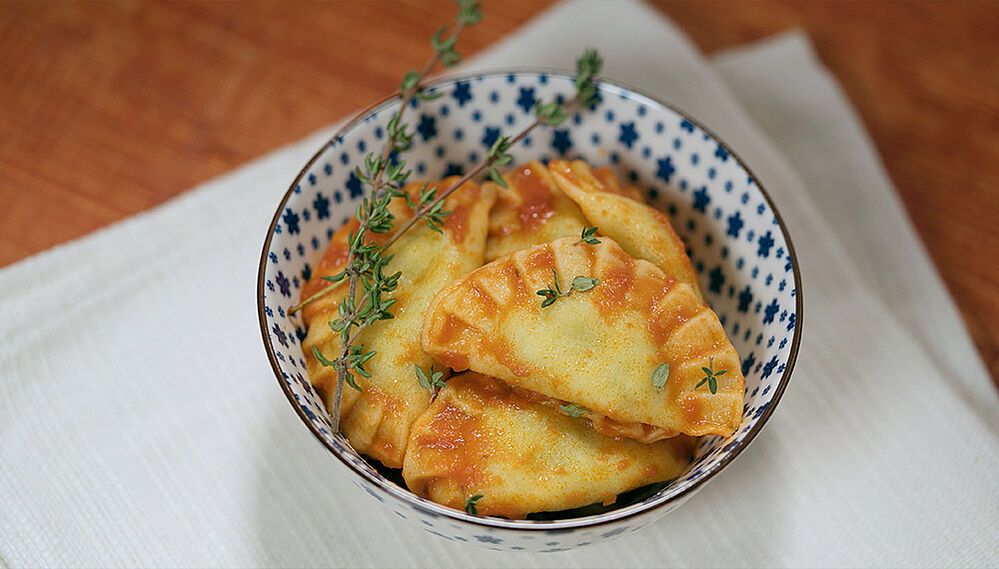
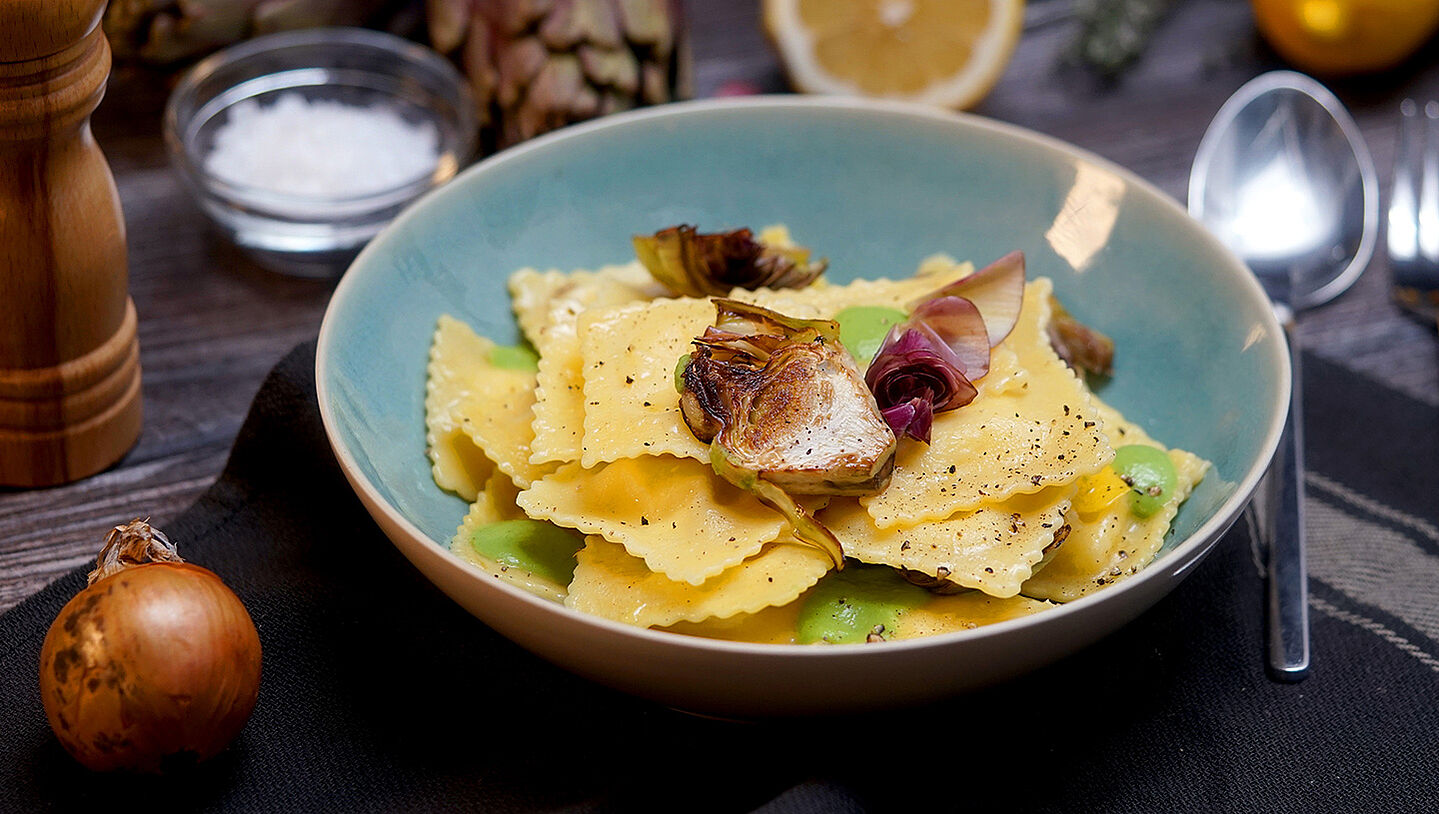
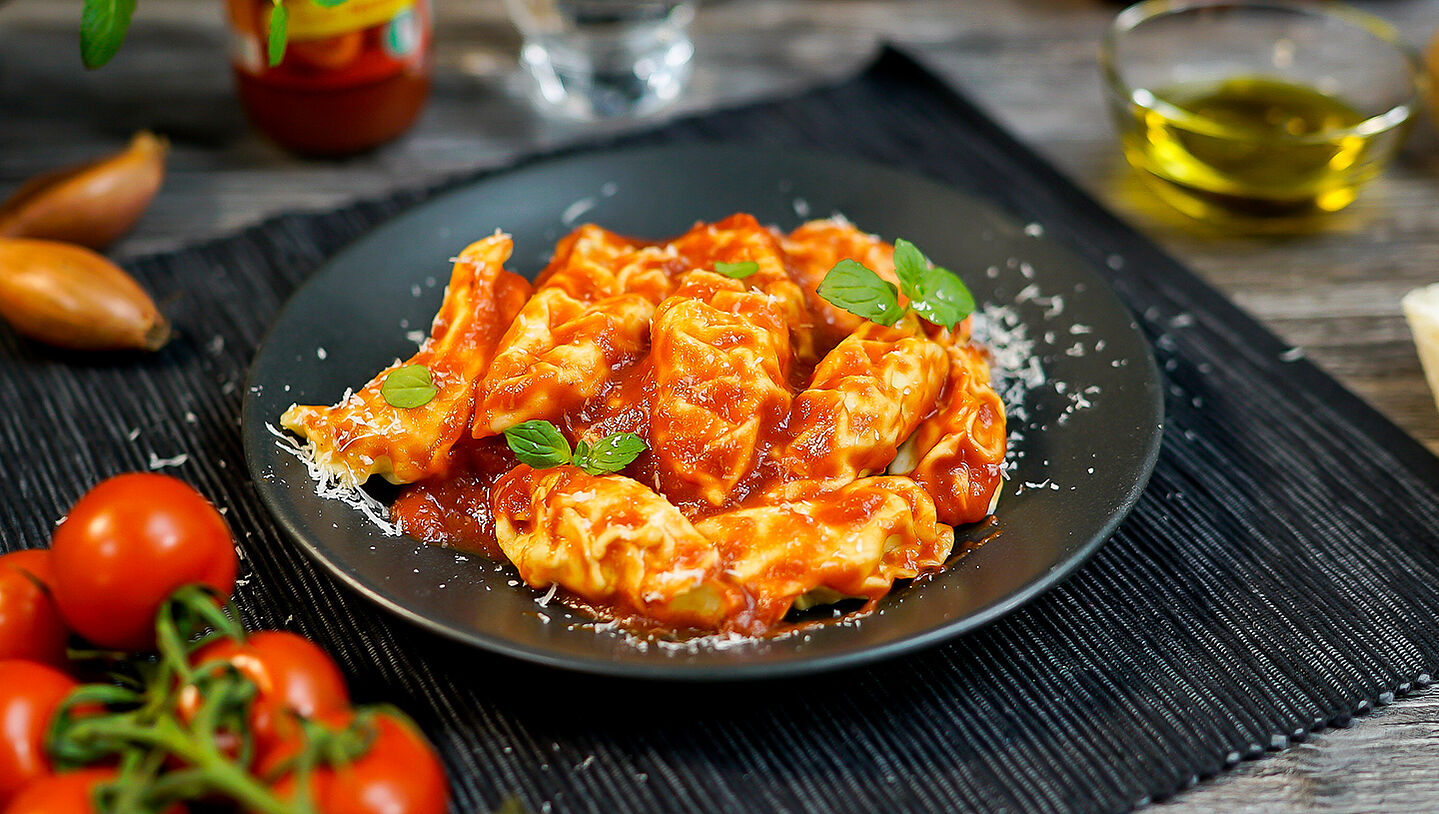
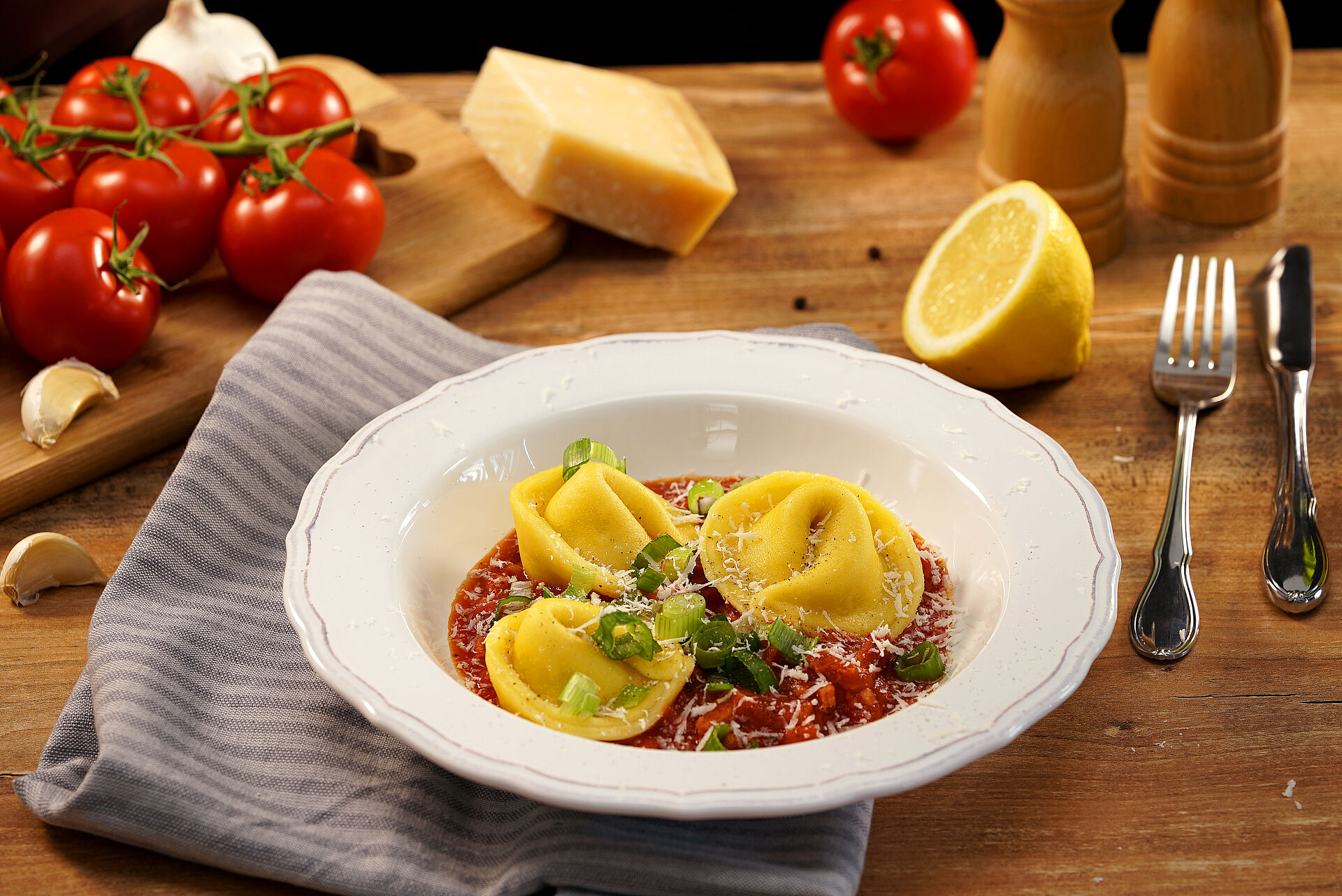
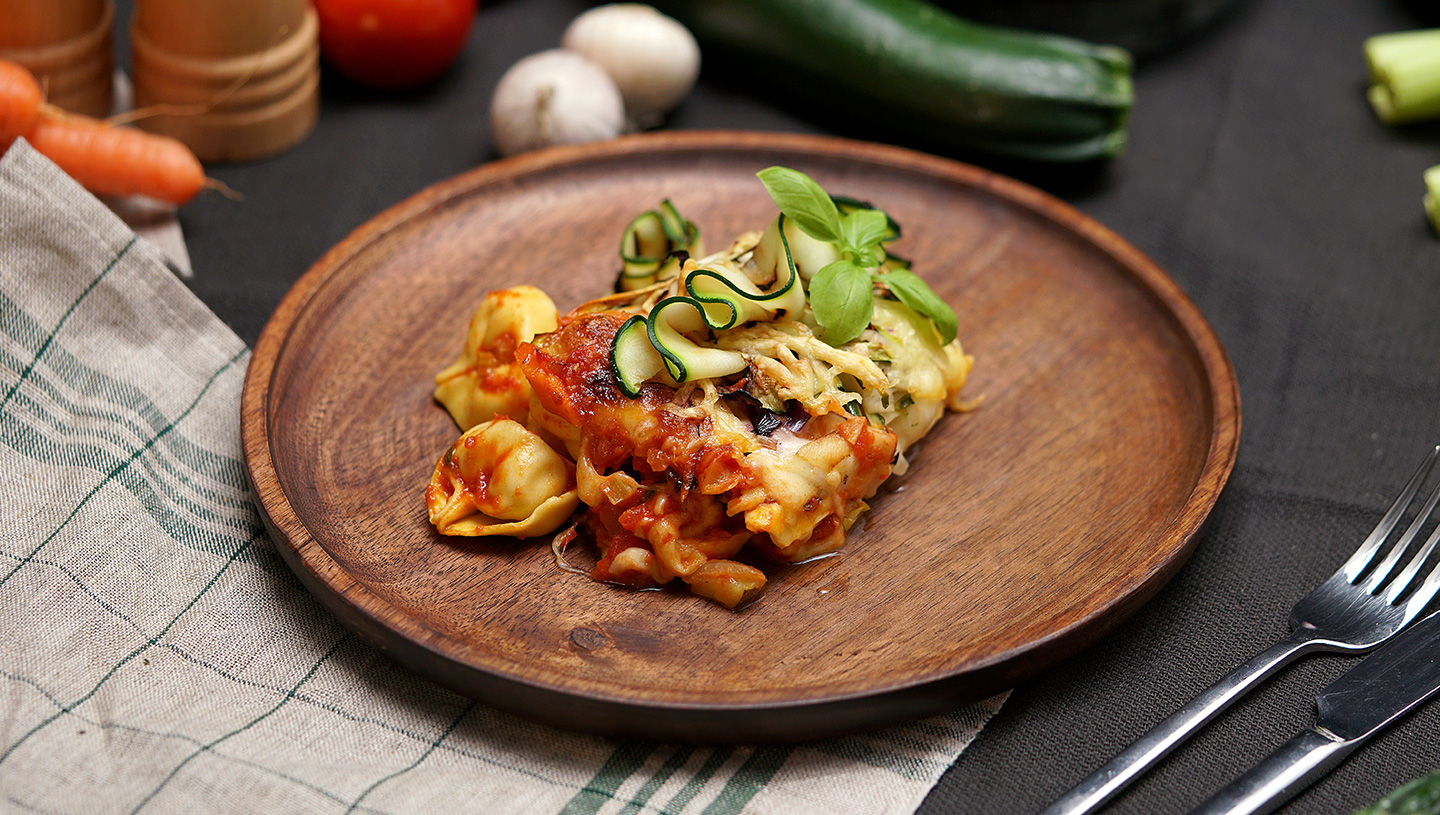
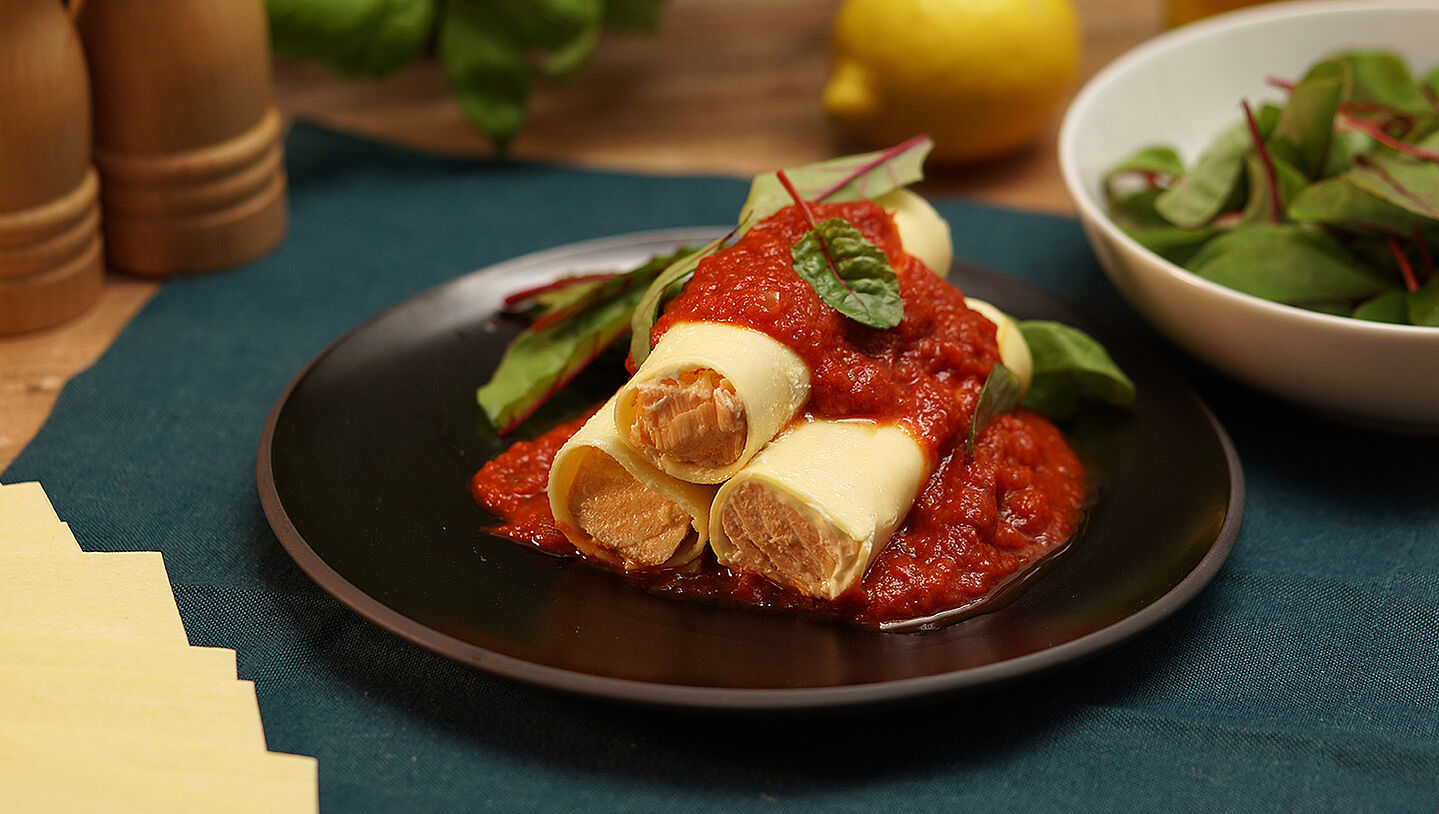
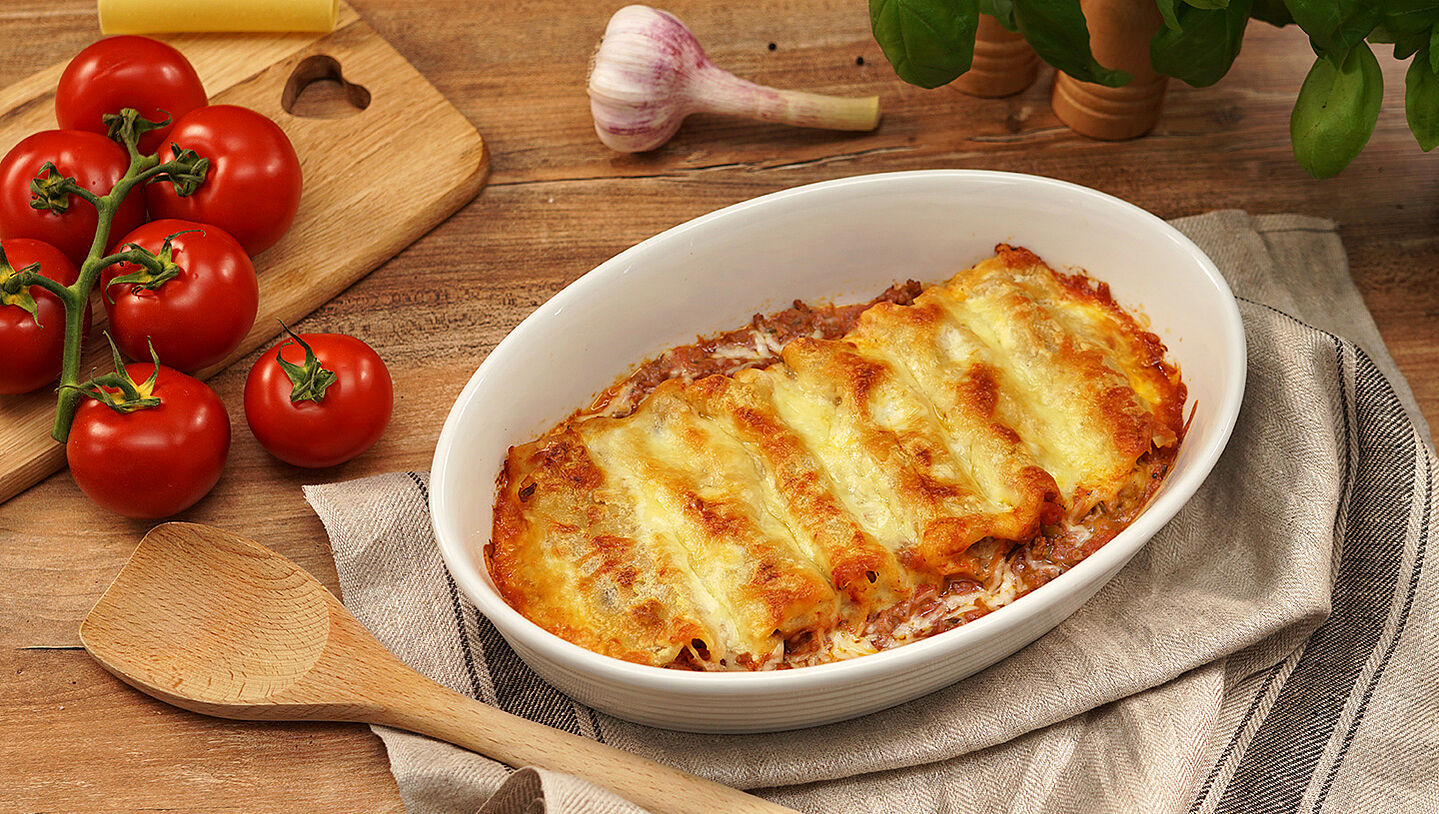
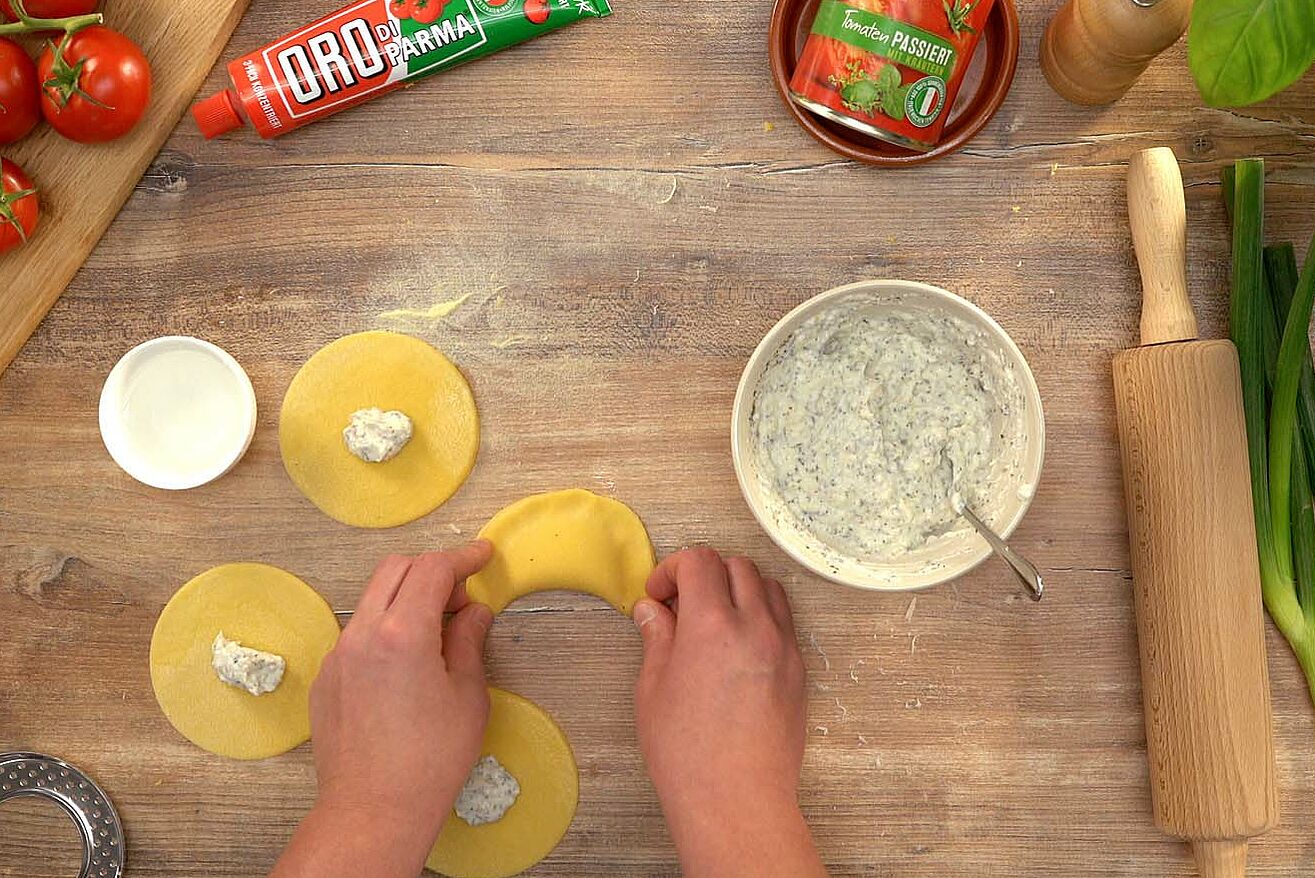
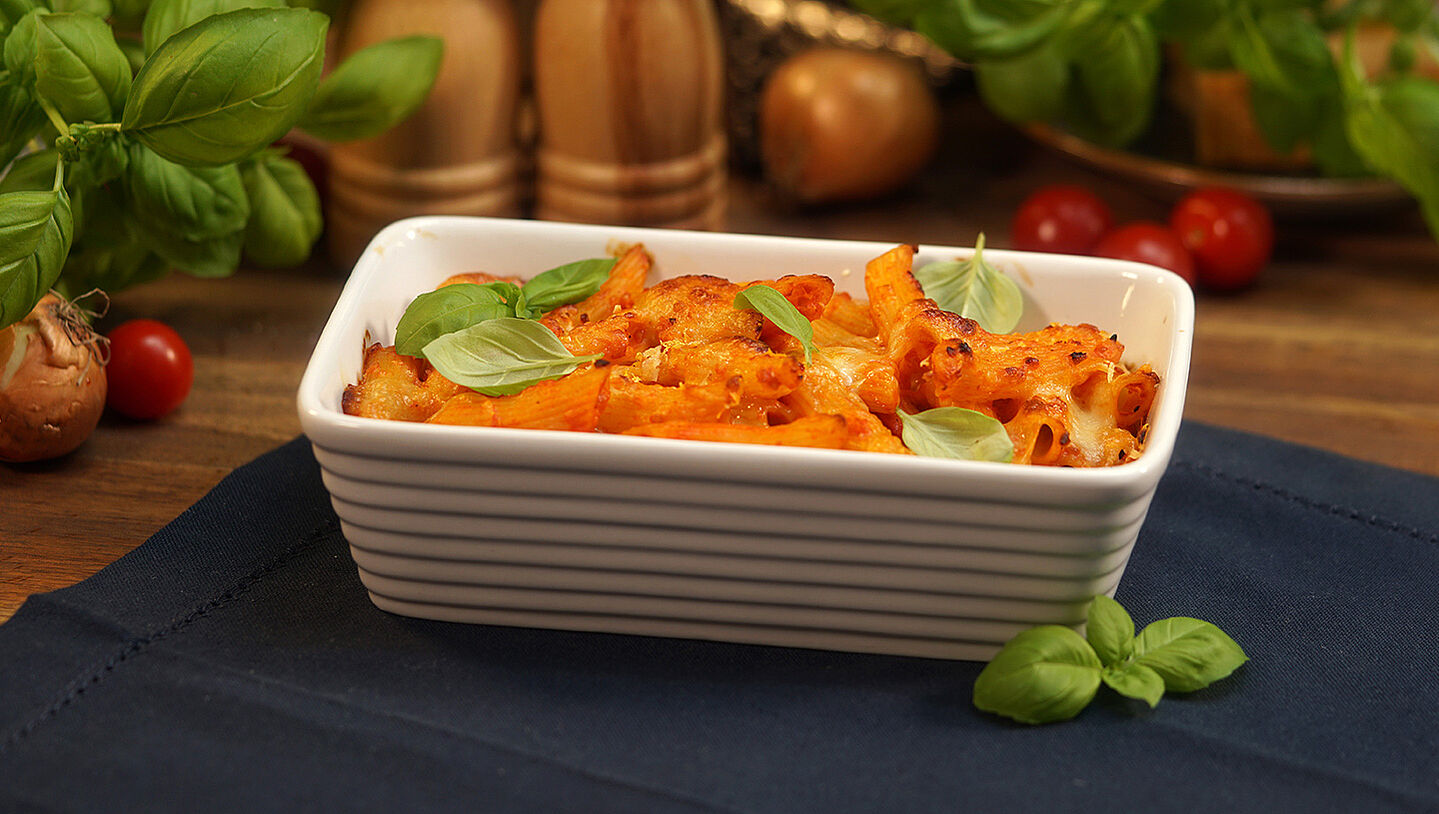
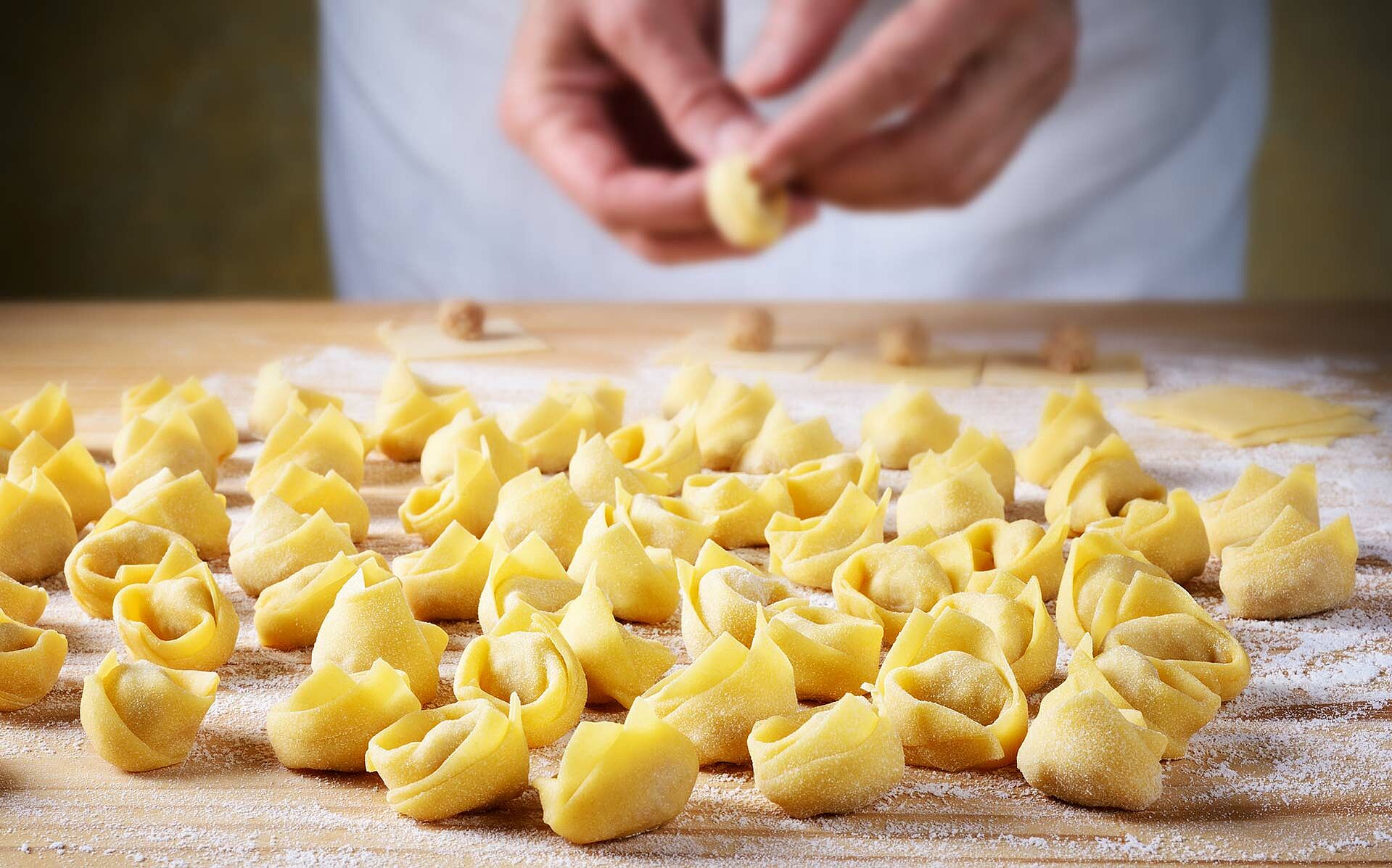
Stuffed pasta is popular in Italy and beyond its borders: whether filled with meat, fish, or vegetables and grated cheese—they’re all unique and delicious varieties of pasta. In ravioli, tortellini, and agnolotti, the pasta dough encloses the filling. The edges of the filled pasta are pressed together so tightly that they can then be cooked in boiling water without coming apart. This pasta is usually served with a tomato sauce, which you can easily make yourself. There are also larger stuffed pasta varieties, such as cannelloni, which are baked in a casserole dish with sauce in the oven (al forno).
Be sure to browse our recipes for great ideas on stuffed pasta!
With our simple basic recipe for durum wheat pasta, you can easily make your own pasta just like in Italy. For an egg-based pasta recipe, why not try agnolotti stuffed with ground beef?
Using a food processor makes kneading the dough especially quick and easy. Don’t have one? You can make pasta dough just as well in a bowl using your own strength and a wooden spoon.
After kneading, let the dough rest in a cool place for at least an hour before continuing.
To shape the pasta, you can use a rolling pin. Roll out the dough thinly and cut the sheets into strips. It’s easier with a pasta machine. A simple model with a hand crank is sufficient; you only need a motor if you want to make large quantities of pasta.
Take a piece of chilled dough, run it through the rollers first to create a sheet. The shape doesn’t have to be uniform. As soon as you’re holding the sheet in your hand, run it through the grid roller for ribbon pasta or spaghetti.
There are also pasta machines available for home use that press the dough through a shaping disc, as described above. This way, you can make your own spirelli or fusilli. These pasta machines are also available in manual or motorized versions.
It's that easy to dry fresh pasta
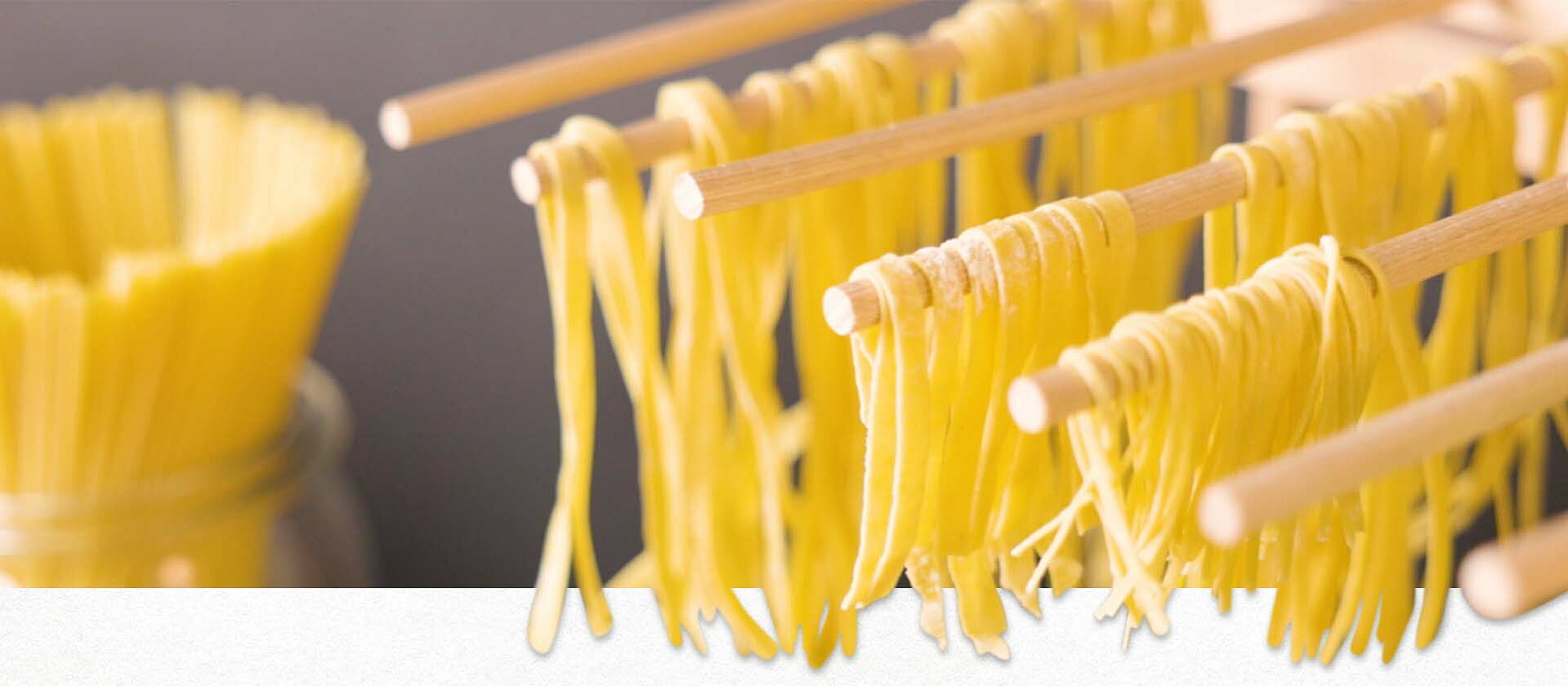
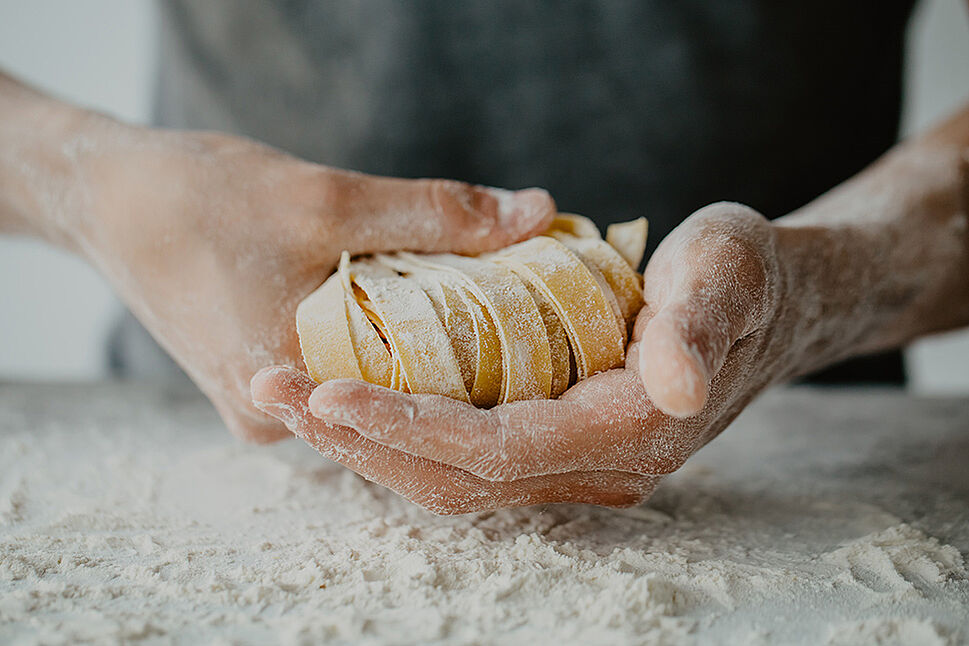
Fresh pasta keeps well in the refrigerator if you wrap it in plastic wrap and use it within a few days. If you’re making pasta to stock up, it’s a good idea to dry it first. The easiest places to do this are the back of a wipeable chair, a broomstick, or a special pasta rack. You can also roll pasta like spaghetti or tagliatelle into small nests so it dries in individual portions. Store it in a tin can afterward. That way, you’ll always have a small supply on hand and can whip up a delicious pasta dish in no time. Because pasta can be different every day—but always irresistibly delicious!
Check out our recipe collection for authentic Italian cooking. Under the “Al forno” section, you’ll find more great inspiration. Have fun cooking!