Fresh from the Oven: Lasagne al forno
Lasagna – The Origins and Preparation of This Classic Italian Baked Dish
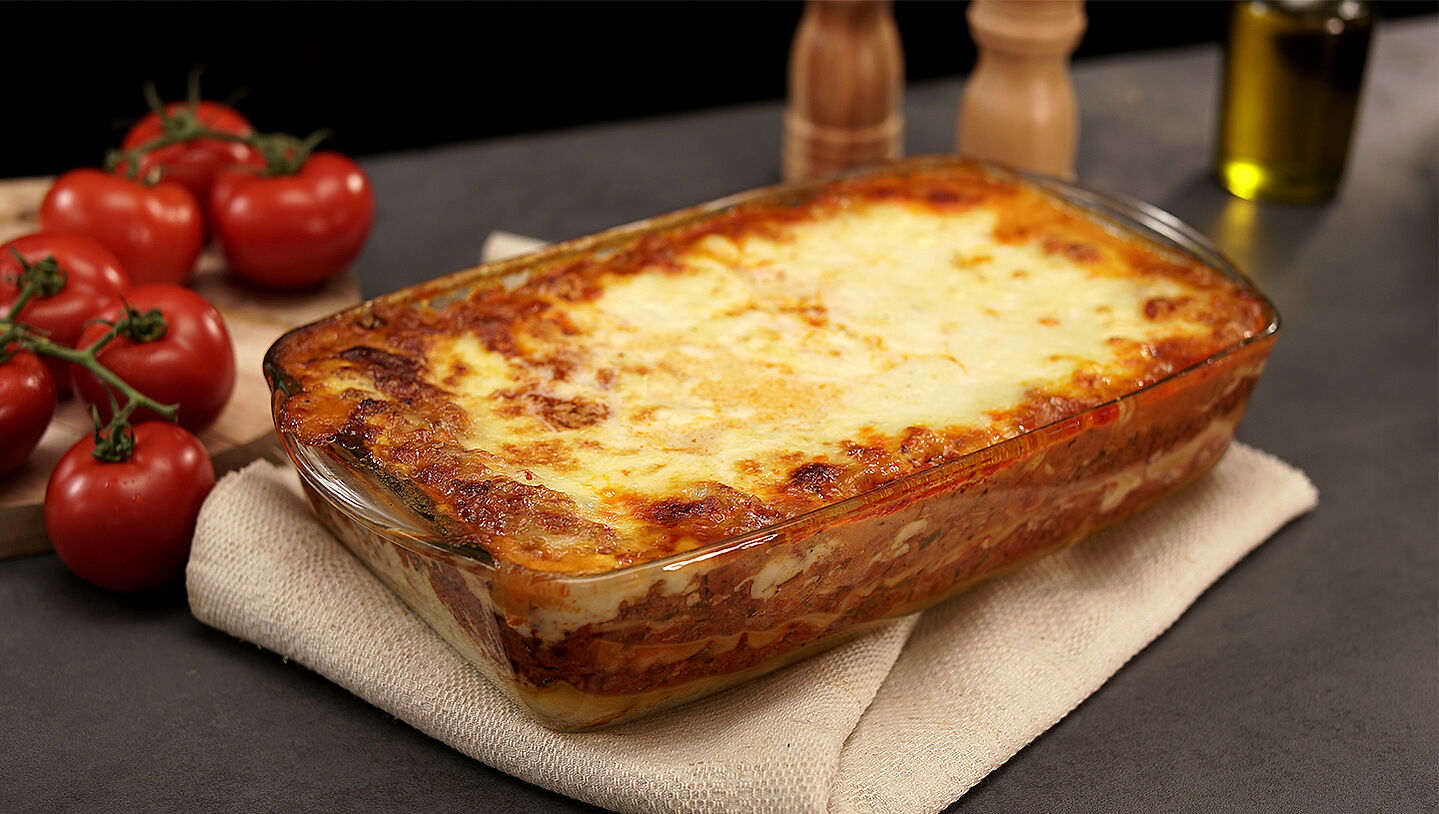
Lasagne al forno—the very word immediately brings to mind bubbling sauce and hot, perfectly browned cheese. A blend of aromatic scents—tomatoes, ragù alla bolognese, and melted cheese—accompanies this delicious baked pasta dish fresh from the oven. No wonder Italian lasagna is known and loved around the world. The ingredients are perfectly balanced and guarantee a culinary experience—one that’s usually extremely satisfying.
Lasagna – The Classic Baked Dish and Its Origins
Lasagna—we immediately associate it with Italy. And the dish is never missing from the menus of Italian restaurants. But the history of lasagna goes back so far that it cannot be determined with absolute certainty where this delicious casserole originated.
Layers of pasta sheets alternating with various vegetable fillings—this combination is already mentioned in ancient sources from the Mediterranean region. But a type of lasagna dish is also mentioned in England as early as the Middle Ages: In the 14th century, the chefs at the court of King Richard II compiled a collection of recipes known as the “Forme of Cury.” This text also describes “loseyns”: layered pasta sheets topped with cheese.
The fact is: The well-known ragù variation with tomatoes could not have been prepared in Europe until around 1500, because that’s when the tomato was first brought from the Americas to the Old World by Christopher Columbus. This dish has its origins in Emilia-Romagna, a region in Italy!

These are the ingredients for a classic Italian lasagna
A classic Italian lasagna al forno consists of several ingredients that are layered one on top of the other in a baking dish and baked in the oven with cheese: lasagna noodles, sauce for the filling (usually ragù alla bolognese), and béchamel sauce.
Lasagna noodles –
fresh or dried
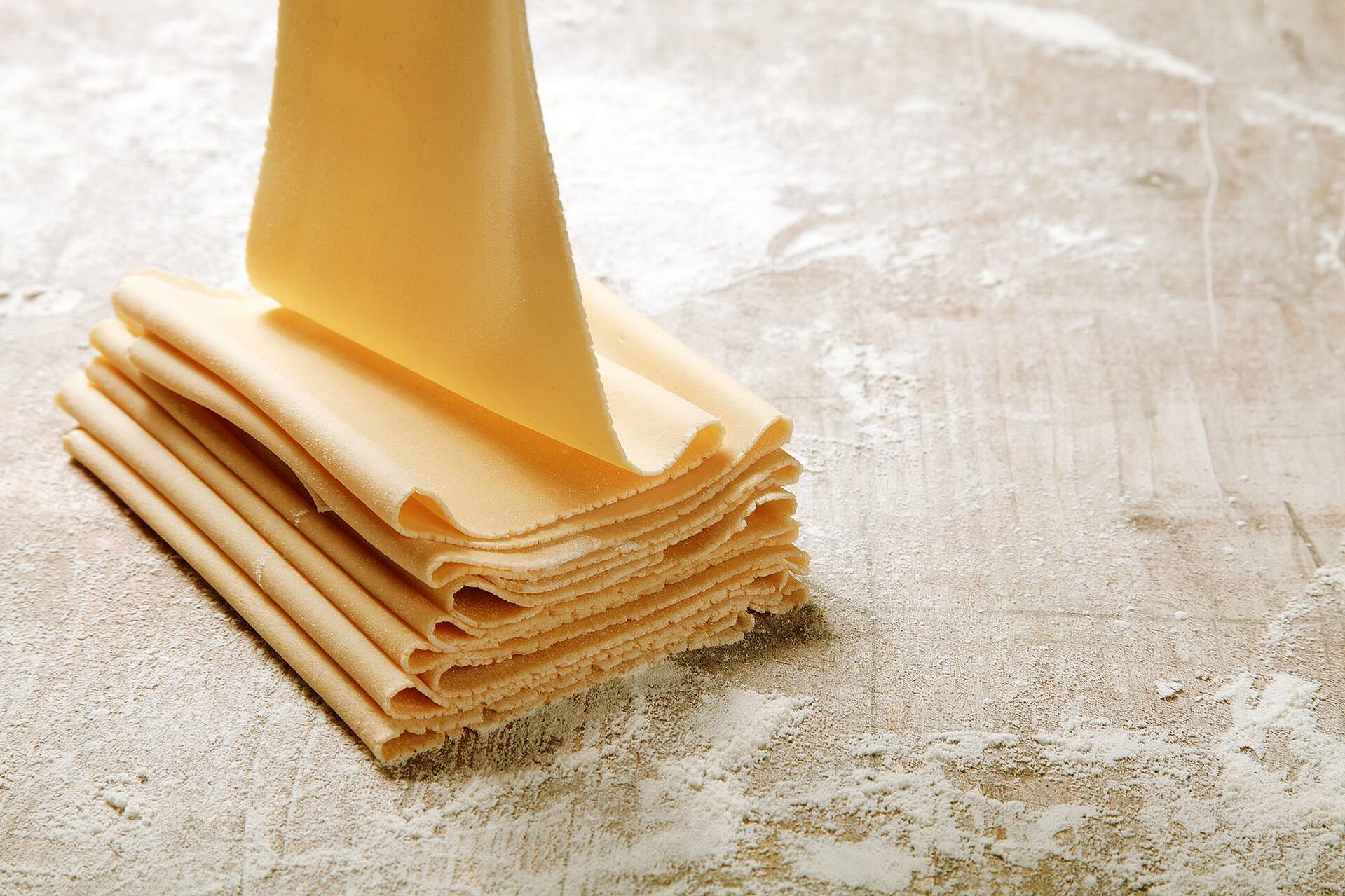
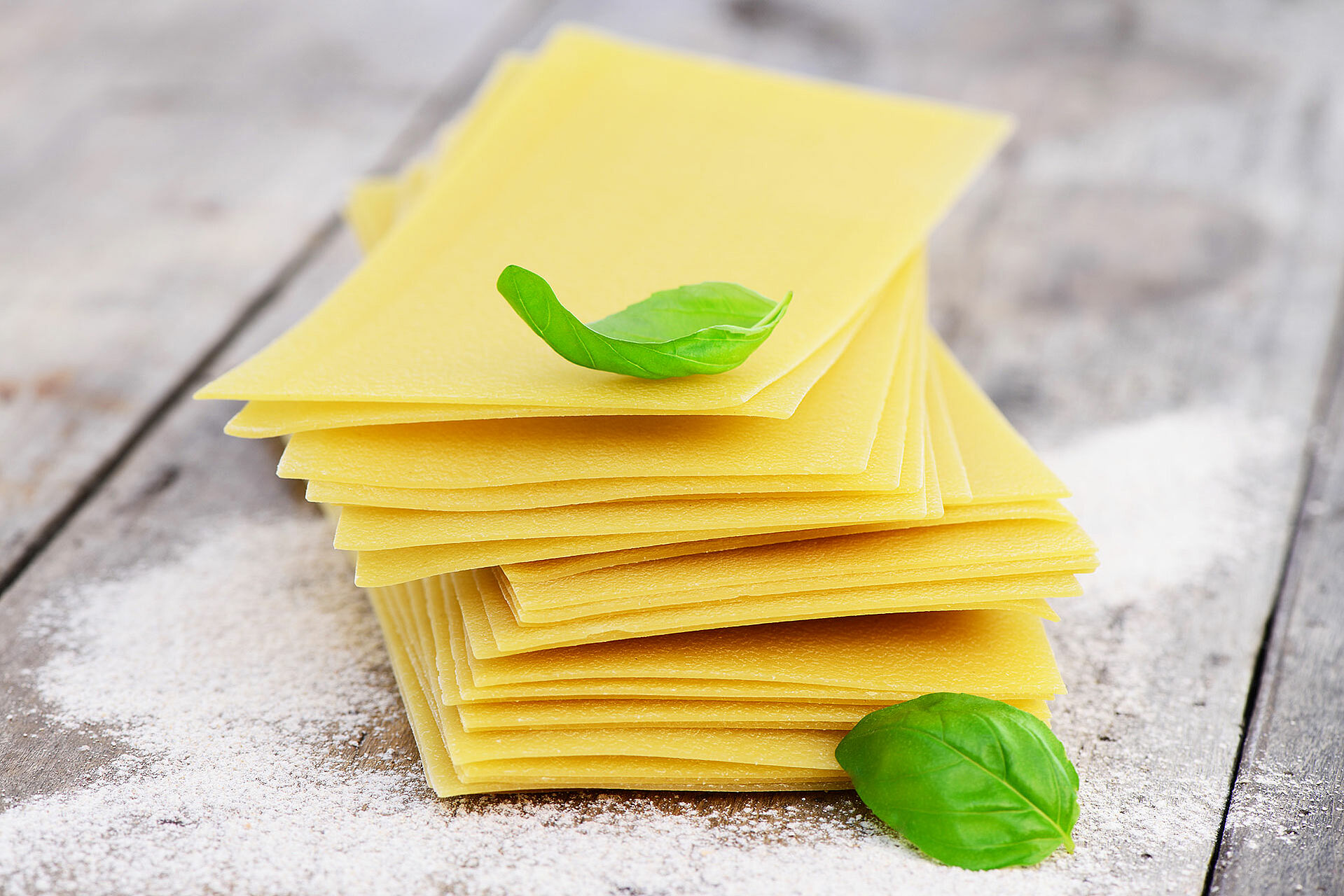
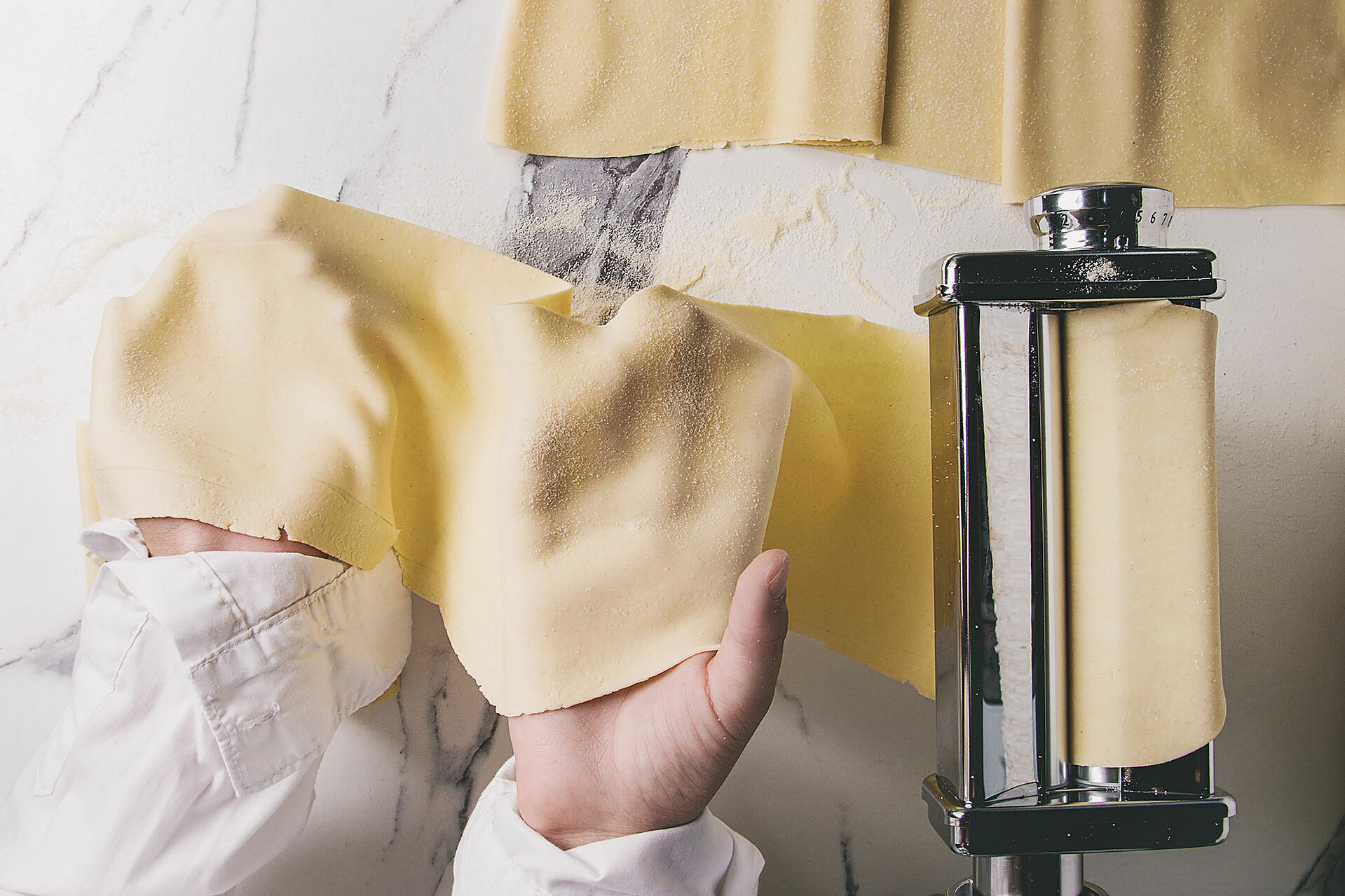
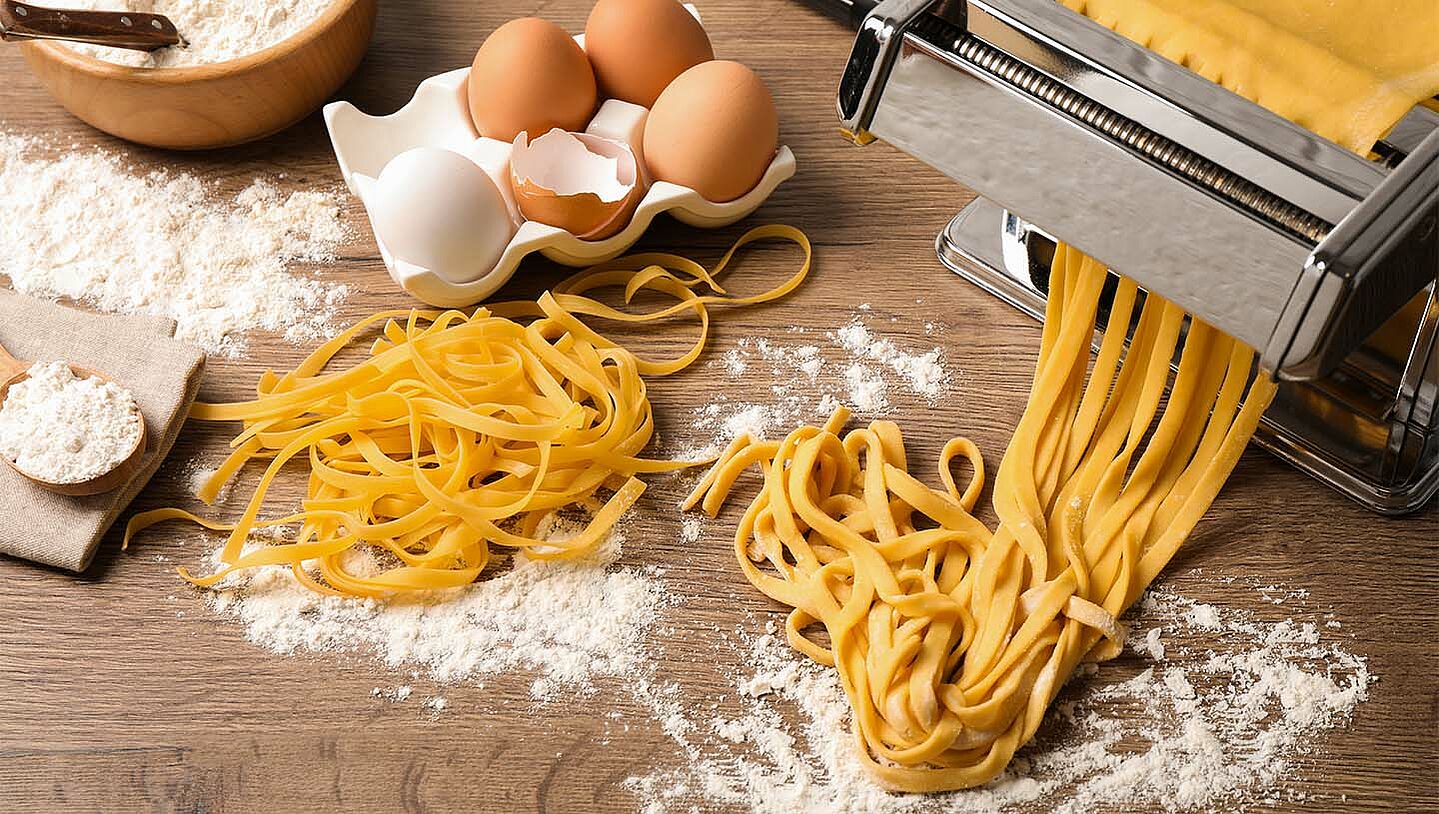
Lasagna noodles are made from thinly rolled pasta dough. You can buy them dried or fresh. The sheets are usually about 10 x 17 cm in size—but they’re also available in other sizes. Some varieties need to be pre-cooked, while others are ready to use. But you can also easily make lasagna pasta yourself. To do this, prepare a pasta dough using this recipe. With a pasta machine, you can roll out the dough to the desired thickness in no time at all. With homemade pasta, the shape doesn’t matter, and the sheets don’t have to be perfectly rectangular. Using a rolling pin takes a little longer and requires some patience, but it works just as well. Hang the pasta sheets up to dry until you’re ready to layer them in the dish. Start layering with the pasta. Lightly grease the baking dish with a little butter or olive oil so the pasta doesn’t stick or burn.
The meat filling: Bolognese ragù, sausage, or meat
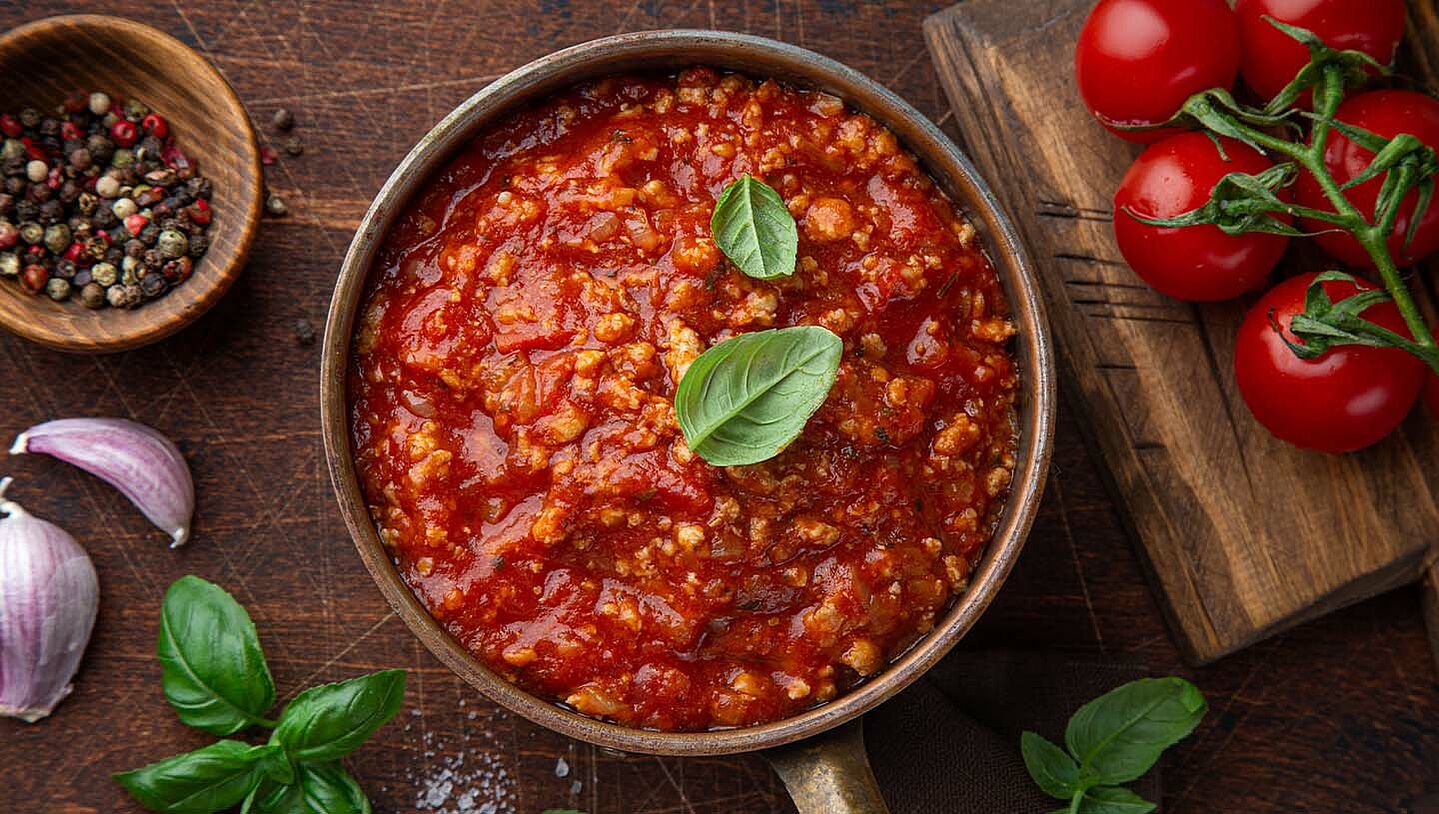
The first layer on top of the pasta is often ragù alla bolognese. But other sauces are popular as well. Ham or sausage—such as salsiccia, which is seasoned with fennel, cilantro, and garlic—are popular in Campania, the region around Naples.
Spread the ragù evenly over the pasta. Don’t forget the edges—they’ll get dry and hard if they aren’t covered with sauce.
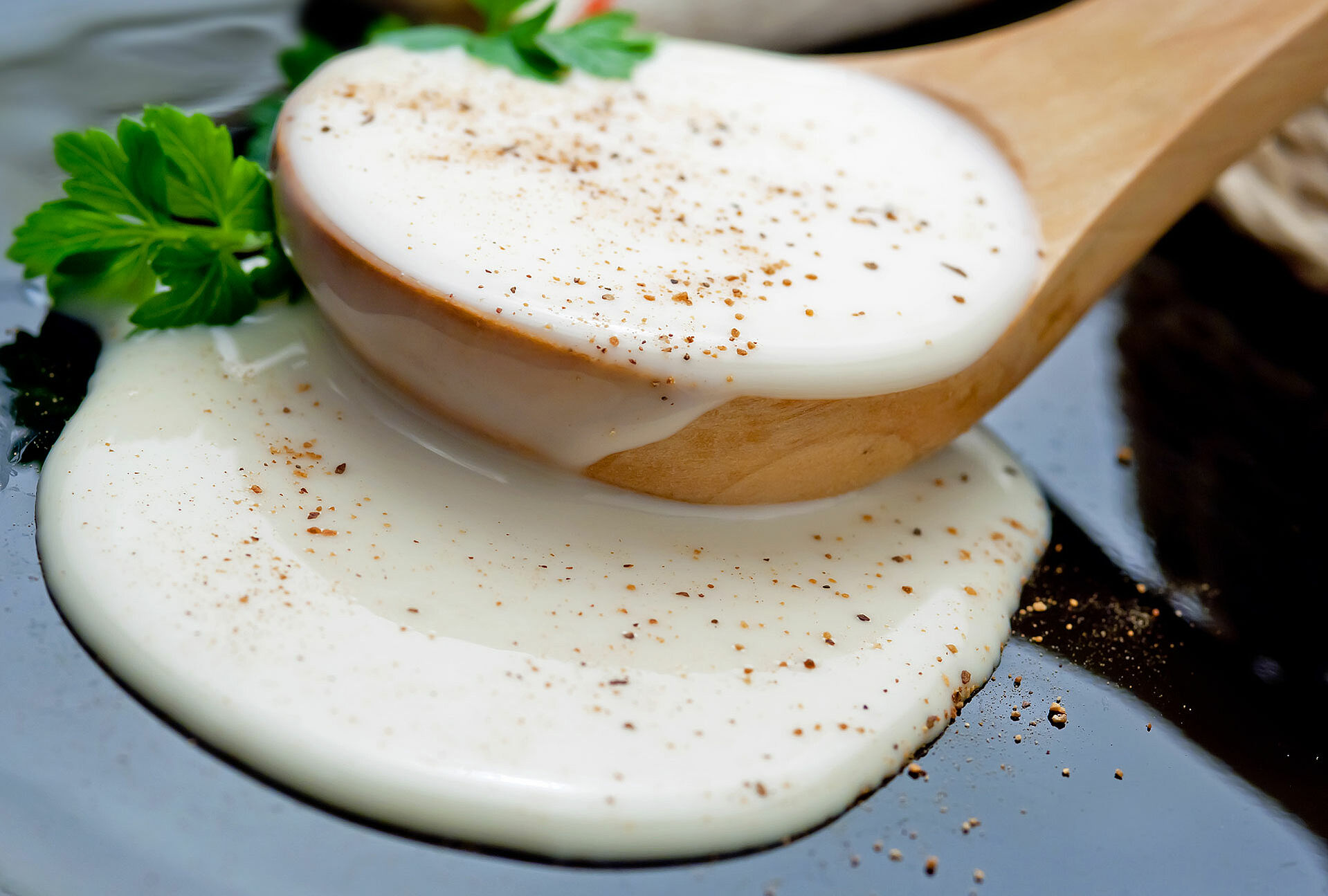
The béchamel sauce gives the lasagna a creamy flavor
The ragù is followed by a light béchamel sauce. This is a sauce made from butter, flour, and milk. First, make a roux and gradually add enough milk while stirring until you achieve the desired consistency. Season the béchamel sauce with nutmeg, pepper, and salt. Spread the sauce evenly over the ragù. Now continue layering in the same order: pasta, ragù, béchamel.


What kind of dish is lasagna baked in?
You can use any baking dish you like to make lasagna. Rectangular dishes have the advantage that pre-made lasagna sheets can be layered more precisely to fit the dish. With other pans, simply break the thin sheets to fit the desired shape. If you’re making the pasta for your lasagna from scratch, it’s easy anyway to shape the fresh pasta dough to fit the dish.
How long should the lasagna stay in the oven?
Bake the lasagna in the oven for about 30 minutes if you're using dried lasagna sheets. If you're using homemade lasagna noodles, the dish is ready to come out of the oven after just 15–20 minutes. You’ll know the lasagna is done when the sauce is bubbling nicely and the cheese is golden brown. Check on it every now and then—you don’t want the cheese to burn.
The perfect temperature for baking lasagna is between 180 and 190 °C. Whether you use convection or top and bottom heat depends on your oven and your preferences.
Recipes - Regional Variations on Lasagna
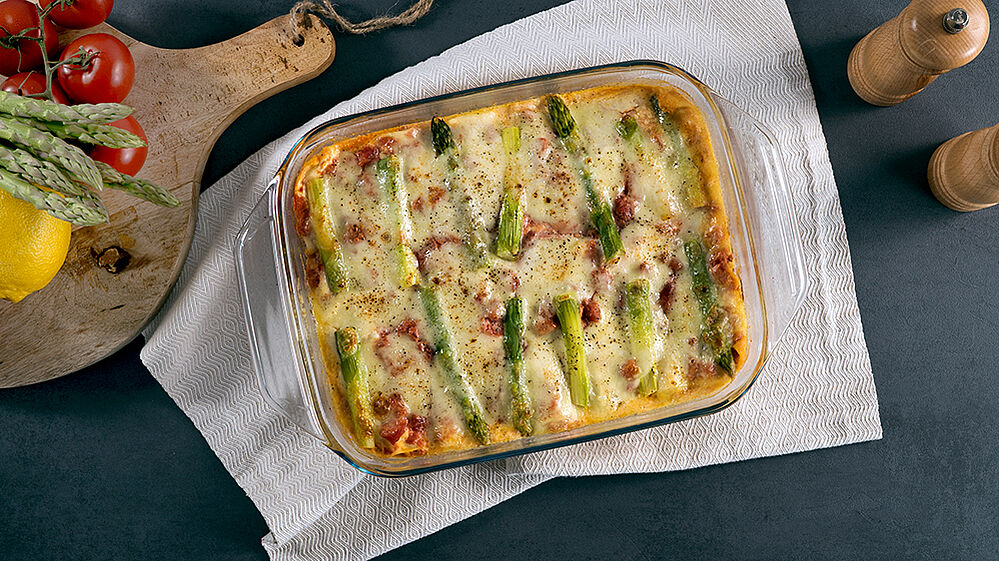
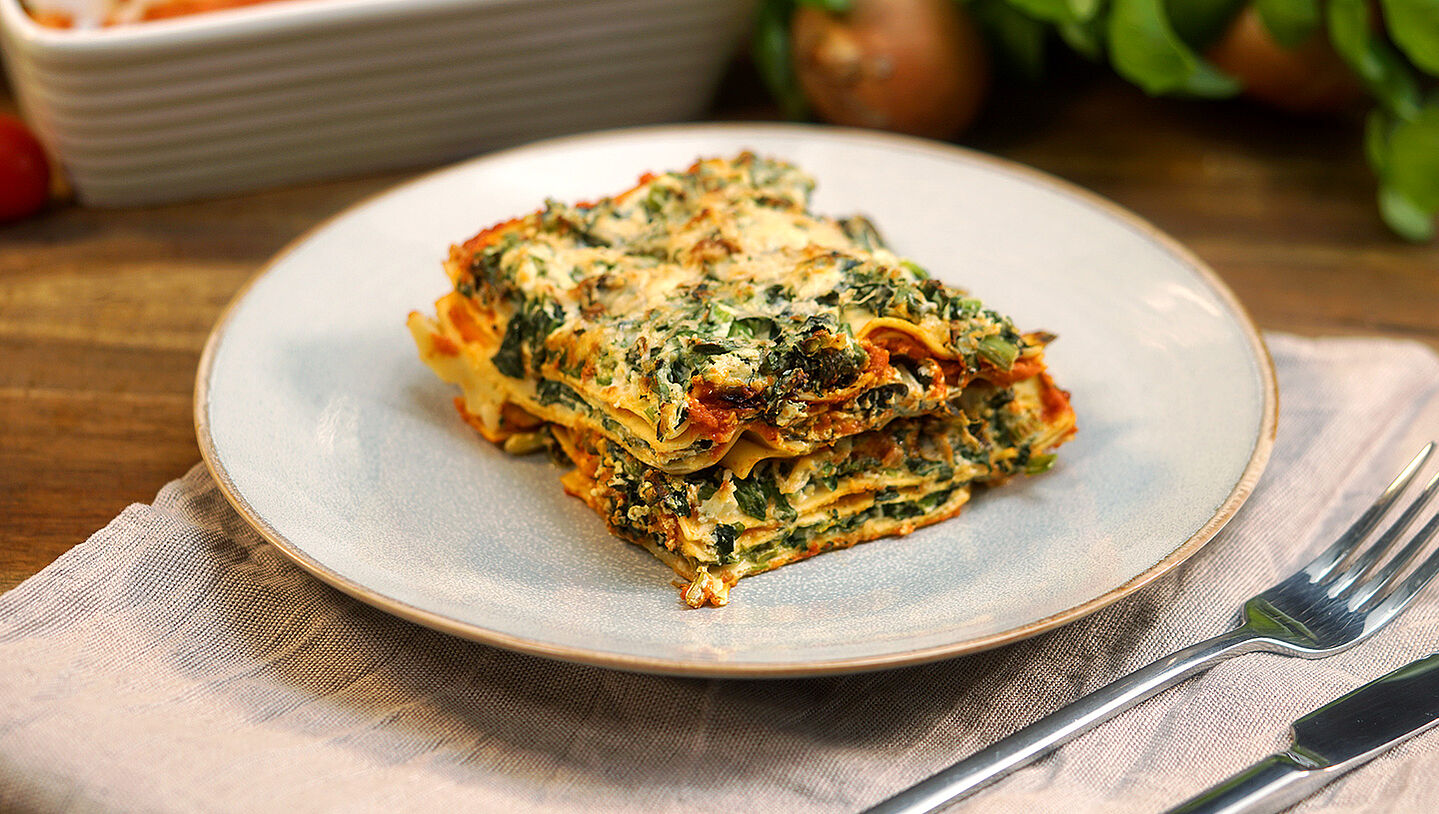
Lasagna can be made with many different fillings. Different regions of Italy have their own variations on lasagna. In Sicily, for example, hard-boiled eggs and meatballs are often added to the filling; in Veneto, red radicchio is widely used instead of ragù; and in central Italy, mushrooms are a popular addition to the sauce. Vegetarians often use a vegetable sauce, such as one with bell peppers or eggplant. Vegetarian lasagna with spinach and sheep’s or goat’s cheese is also very popular and easy to make. Whether you use béchamel sauce is up to you. So the lasagna recipe is very easy to adapt. What all recipes have in common is that the lasagna is baked in the oven—al forno, as they say in Italian. Is your mouth watering yet? Then get started right away. Click here for delicious Italian lasagna recipes: