The Myth of Bolognese
Here, we’ll tell you why spaghetti Bolognese isn’t Italian, why Bolognese sauce is called “ragù,” what ingredients go into it—and what an Italian silk merchant has to do with it
Don’t be surprised if, while in Italy, you order spaghetti Bolognese at a trattoria and the “cameriere” (waiter) just rolls his eyes or shakes his head: The most famous Italian pasta dish with tomato and meat sauce is available all over the world—just not in Italy. There’s a simple explanation for this. In this culinary secret, we’ll tell you what the classic Bolognese is all about.
WHAT YOU'LL LEARN IN THIS KITCHEN SECRET:
The Origins and History of Bolognese
The Difference Between Spaghetti and Tagliatelle with Bolognese Sauce
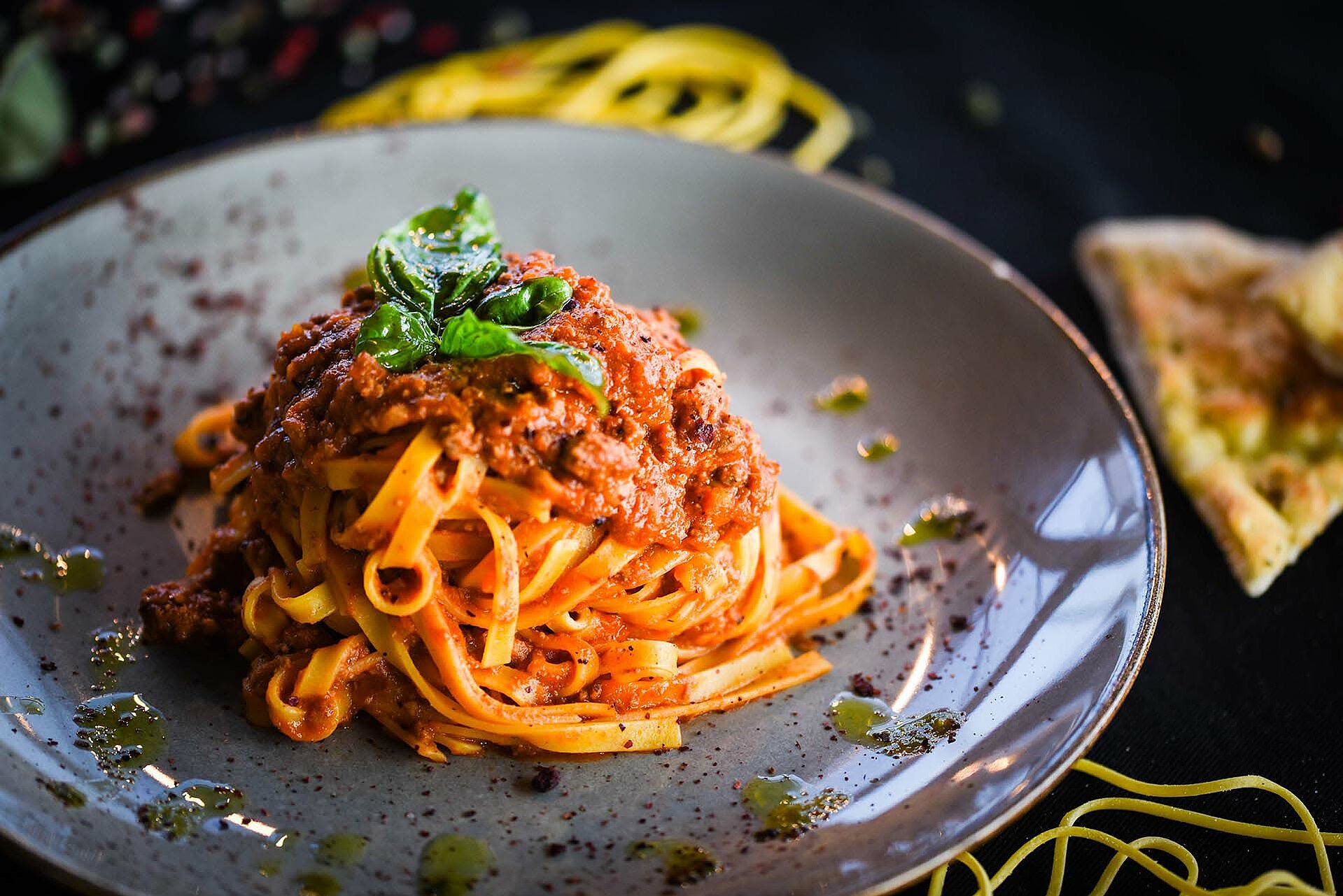
Not Bolognese sauce, but ragù alla bolognese
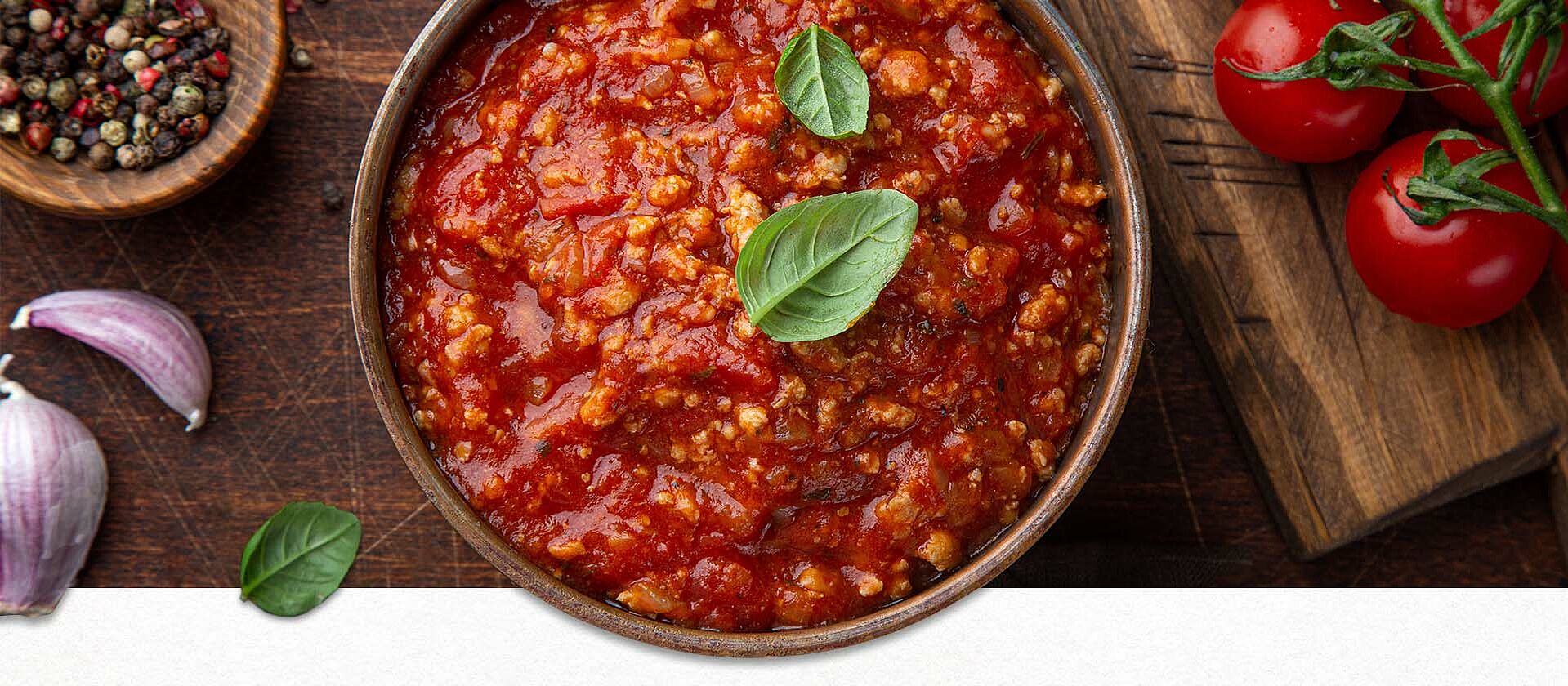
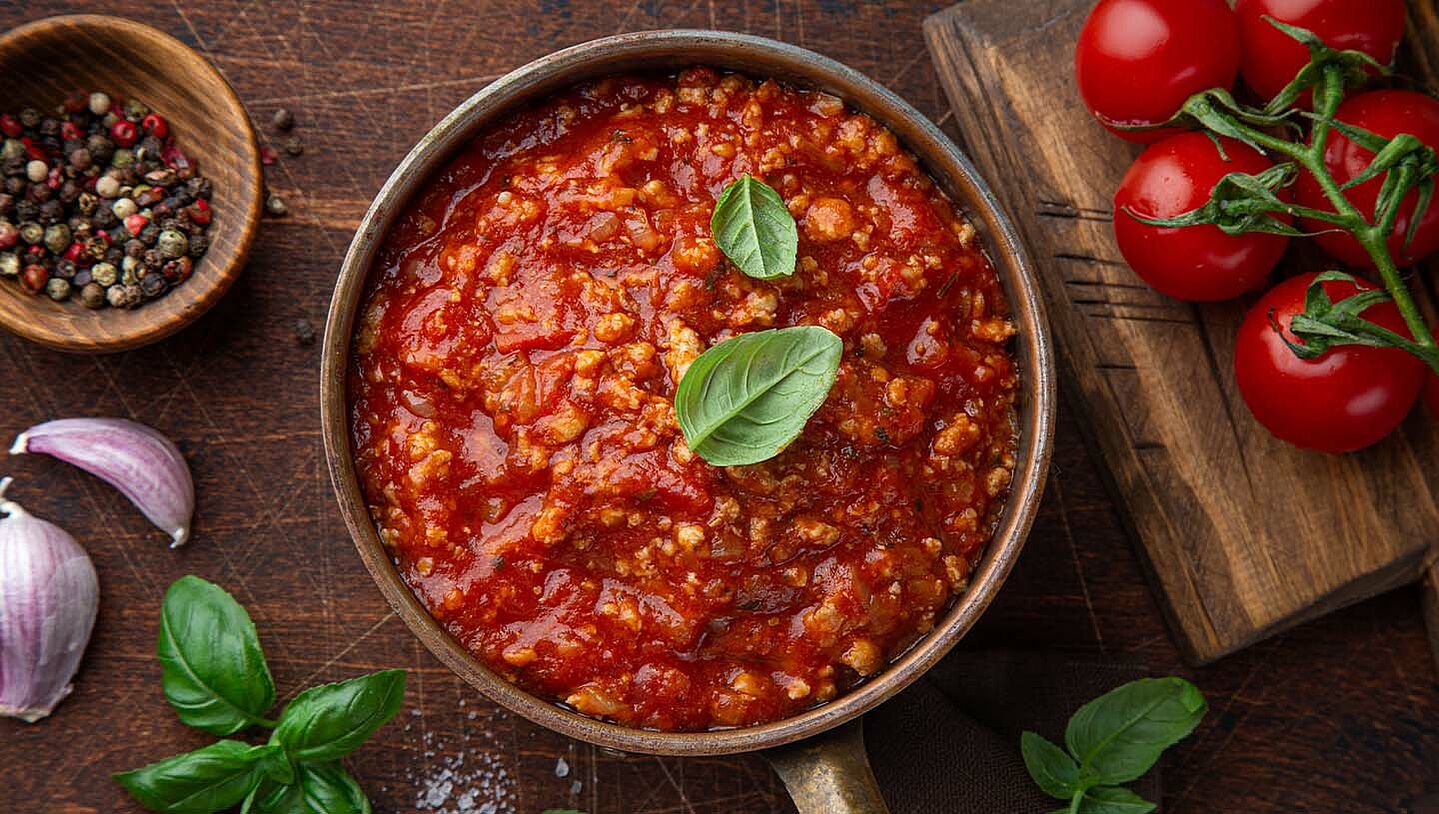
In Italy, the sauce isn’t called “sauce Bolognese,” but rather “ragù alla bolognese.” The term is derived from the French word “ragoût” and refers to braised meat, fish, or vegetable dishes in a savory sauce.
“Bolognese” refers to the dish’s origins in Bologna. In the capital of the Emilia-Romagna region, “ragoût” became “ragù” during the Renaissance. The first ragù recipes also date back to this period—even the oldest surviving recipe for pasta with ragù comes from Imola, near Bologna. This is where ragù alla bolognese originated. And the original recipe is also preserved here at the Chamber of Commerce.
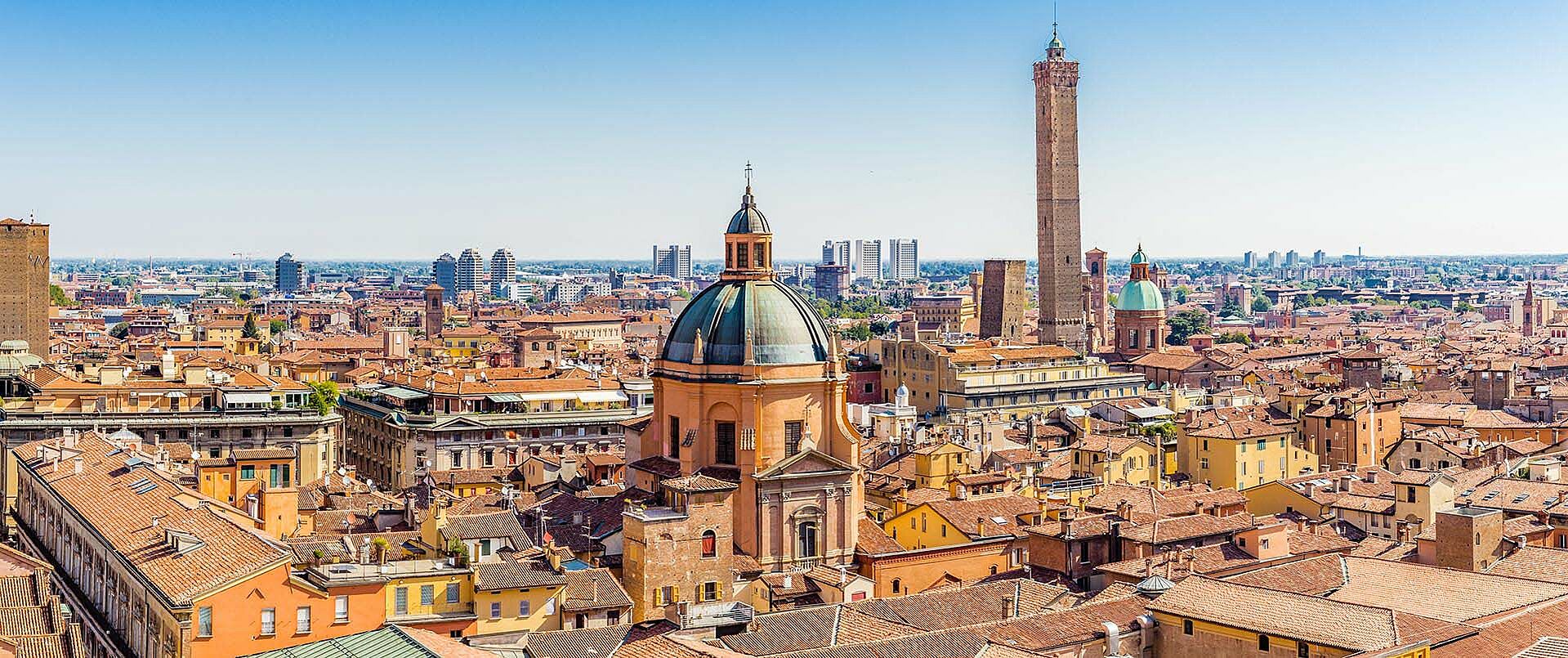
Recipe Number 87: “Maccheroni alla bolognese”
The name as we know it today first appeared in 1891. At that time, the Florentine silk merchant and passionate gourmet Pellegrino Artusi published a cookbook titled “La scienza in cucina e l’arte di mangiar bene” (The Science of Cooking and the Art of Eating Well). In addition to nearly 800 recipes from many Italian regions, this work also includes a recipe for ragù that meets today’s standards: Recipe Number 87 is called “Maccheroni alla bolognese.” At that time, the ingredients included not only beef but also dried meat (“carne secca”). Artusi also recommended dried mushrooms, truffles, and goose liver to enhance the flavor.
The Original Recipe for Ragù alla Bolognese
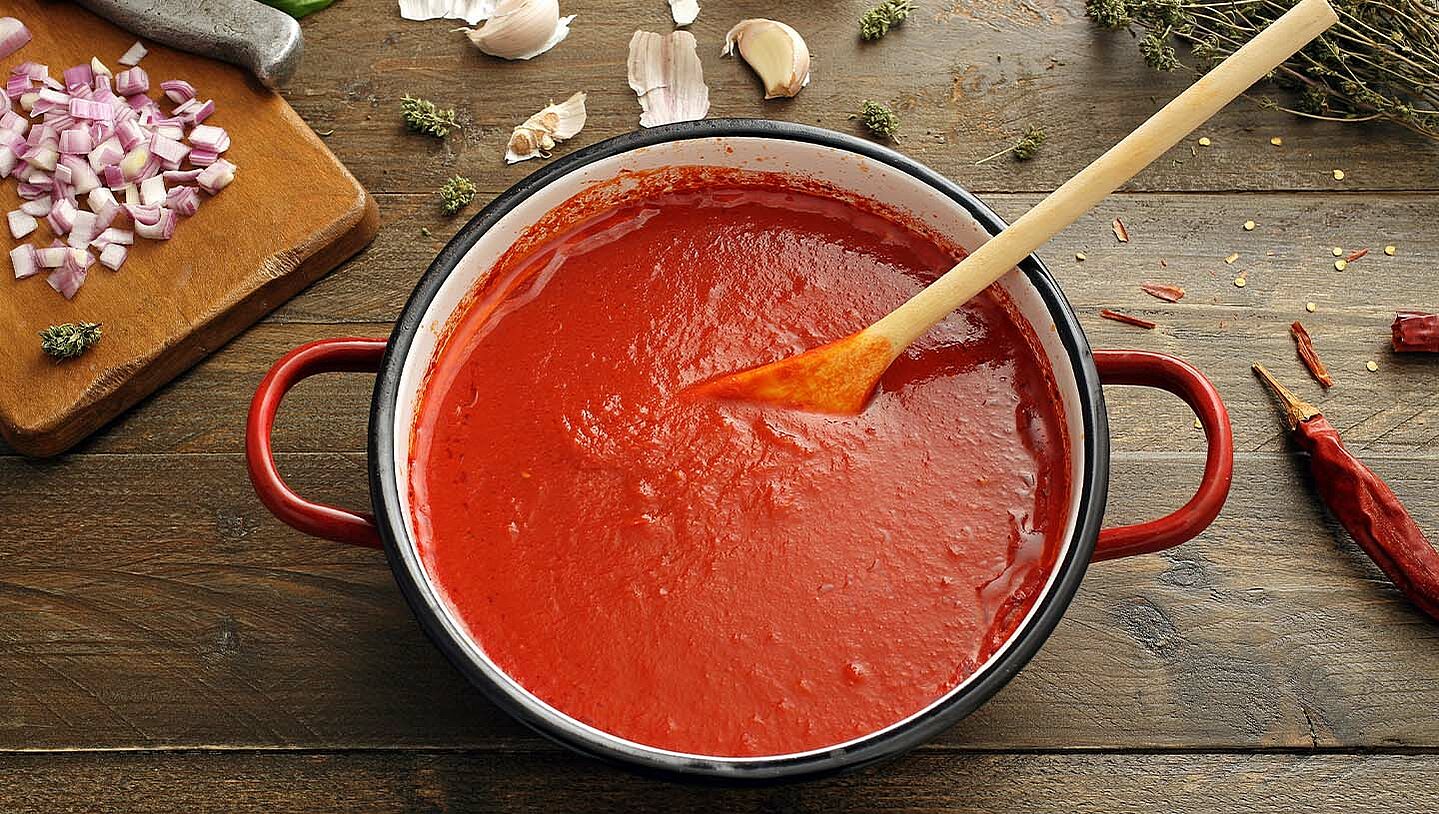
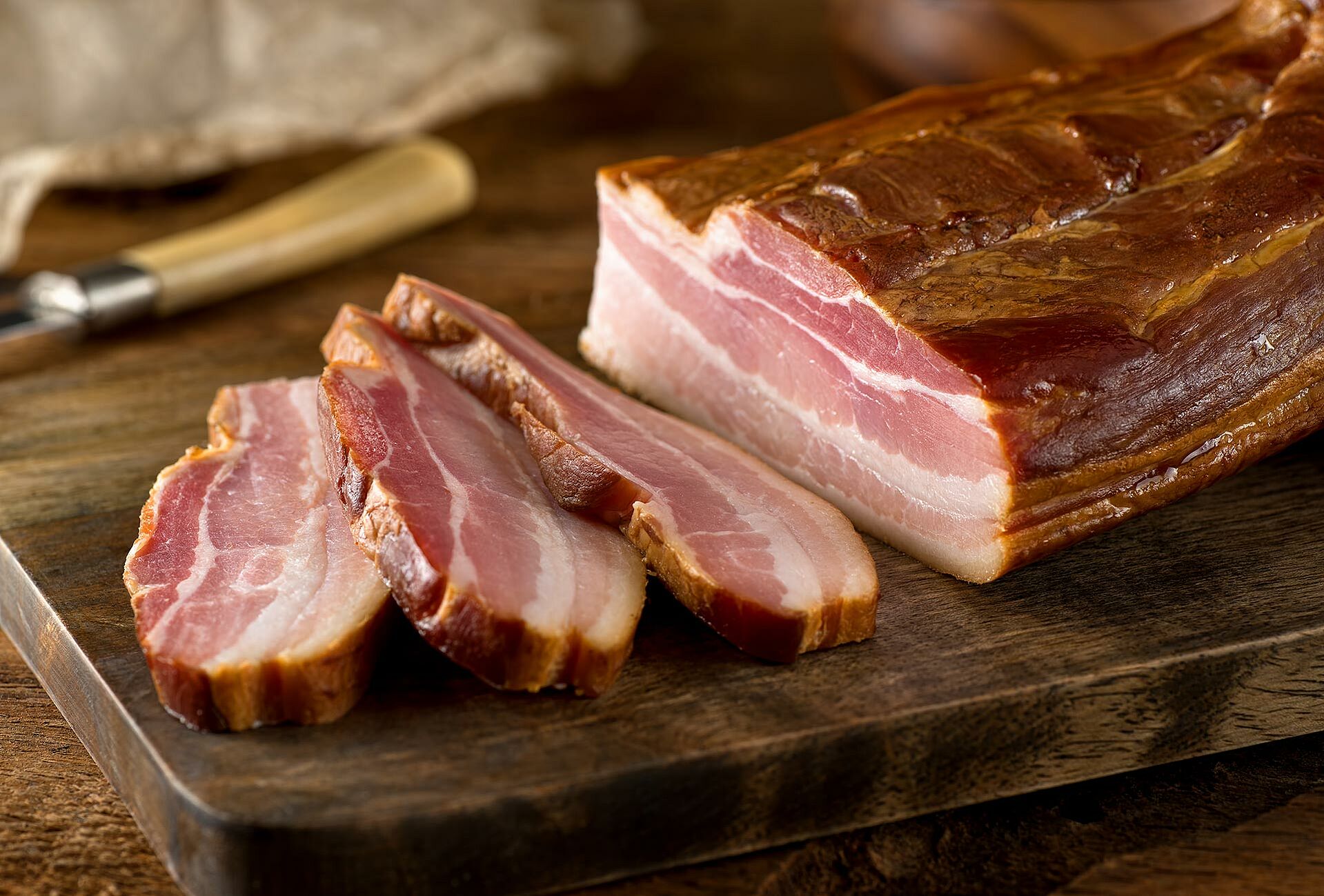
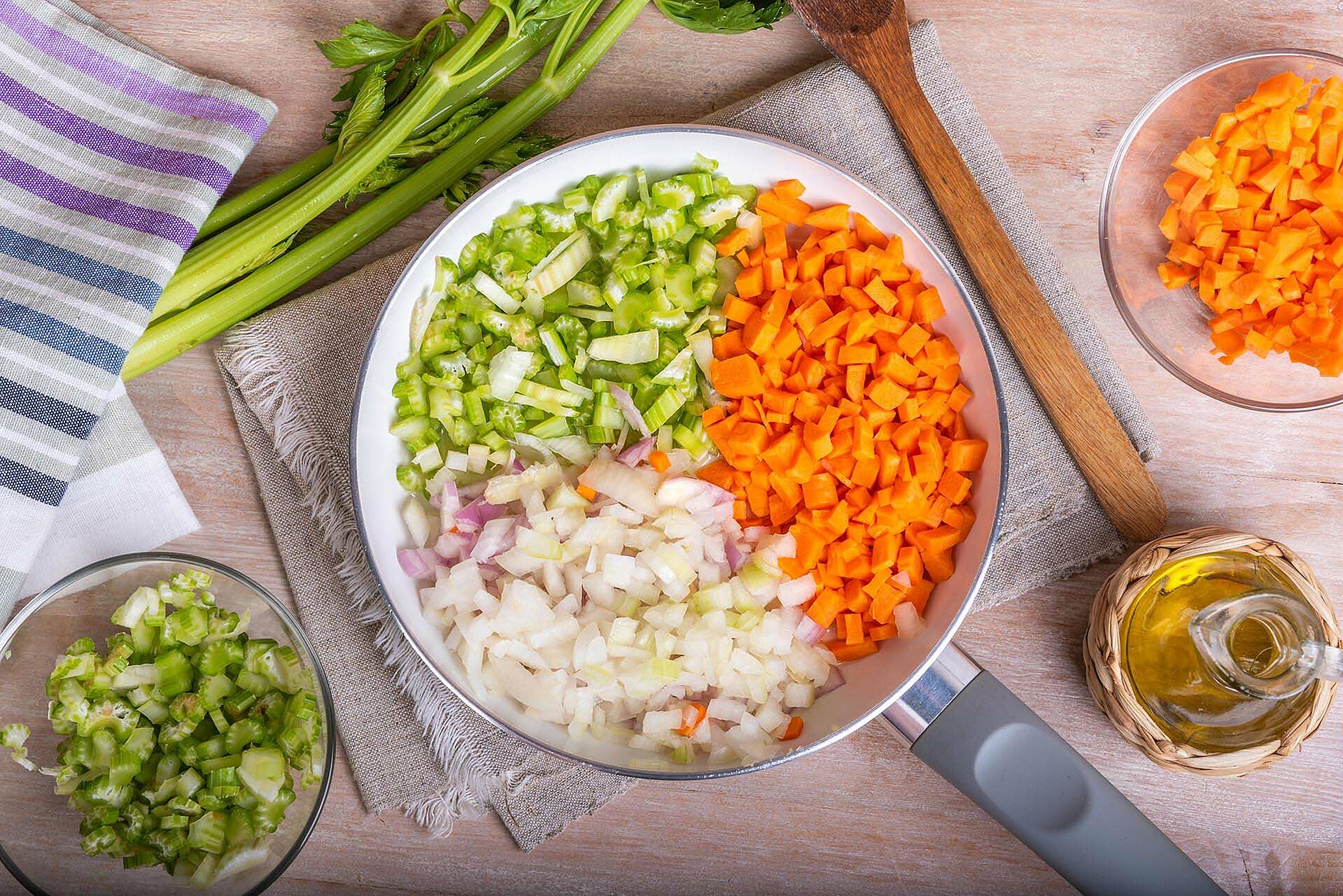
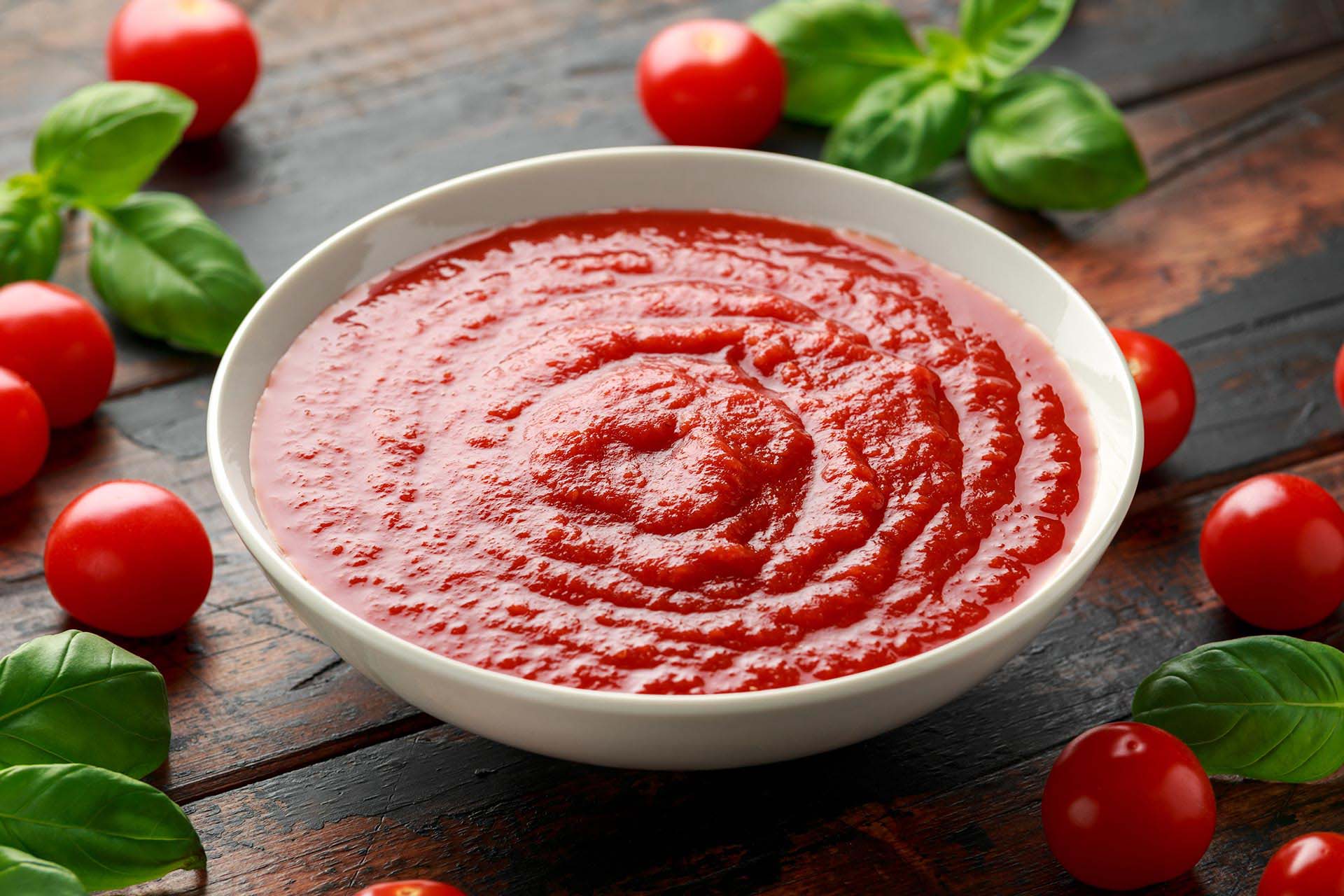
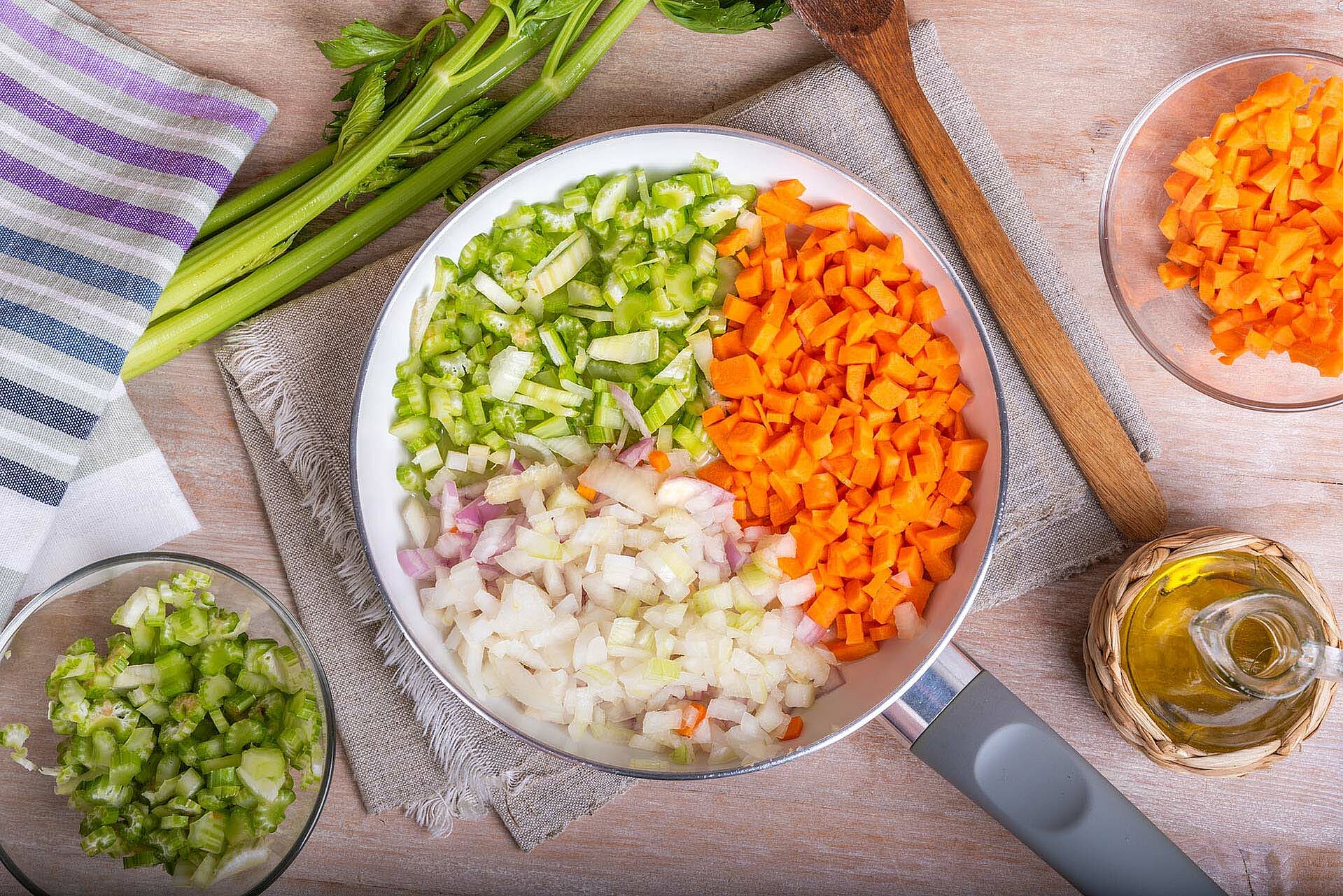
Today, there are countless variations of ragù alla bolognese throughout Italy. Every family has its own recipe—and, of course, Mom’s is always the best. The Accademia Italiana della Cucina probably had no objection to that. However, the Academy of Italian Culinary Arts wasn’t particularly fond of variations that included ketchup, nuts, or zucchini. That’s why, in October 1982, it submitted an original recipe for ragù alla bolognese to the Bologna Chamber of Commerce. The recipe specifies the ingredients and preparation method in detail: coarsely ground beef, pancetta (pork belly), carrots, celery stalks, onions, tomatoes, dry white wine, whole milk, vegetable broth, olive oil or butter, salt, and pepper (optionally, a dash of cream). Characteristic of the preparation are the long simmering time and the variety of cooking techniques used: the ingredients are sautéed, browned, steamed, and braised.

And why not spaghetti Bolognese?
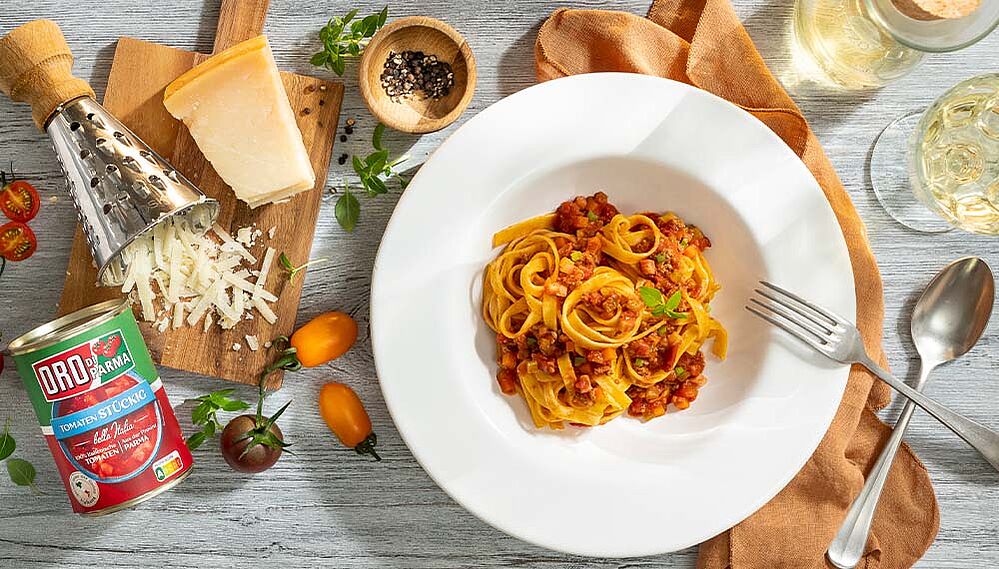
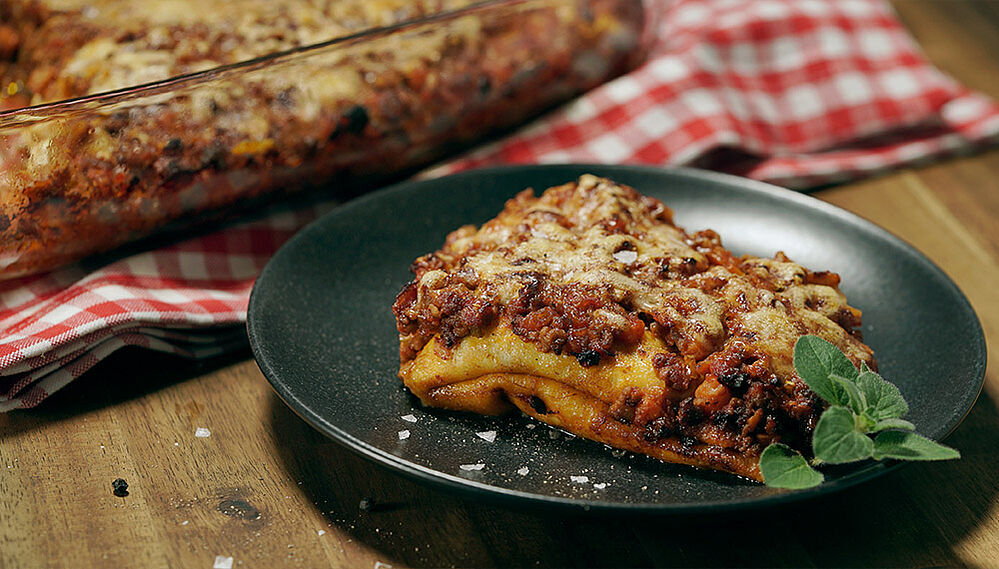
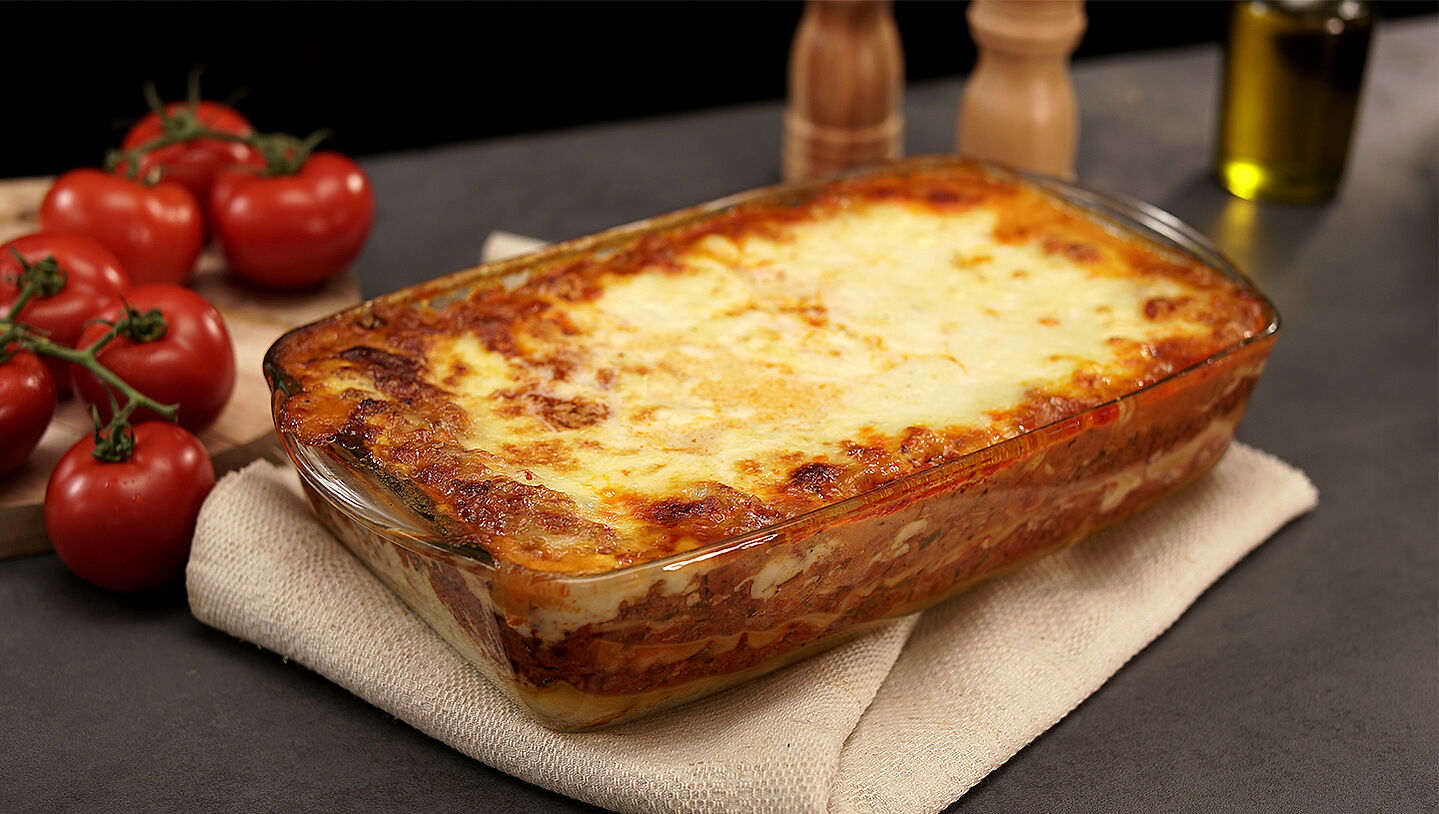
Here’s a traditional recipe for tagliatelle with ragù alla bolognese. There’s a simple reason why this ragù isn’t served with spaghetti in Italy: Bolognese sauce doesn’t cling very well to the smooth, thin spaghetti. The result: When you twirl the pasta onto your fork, the sauce stays on the plate. That’s why in Italy, ragù alla bolognese is served with short or wide pasta—like tagliatelle. In addition, ragù is also used with béchamel sauce for lasagna—or simply rolled into thin crepes.