Why, actually—and what's in it?
Literally translated, “sugo” simply means “sauce.” However, sugo isn’t just any sauce as we know it. The Italian word for that is “salsa.” Sugo is a special type of sauce found throughout Italy. The classic tomato sugo (sugo di pomodoro) is the basis for almost every type of sugo. There are many variations, as every region and family has its own sugo recipe. Here, we’ll show you what makes an Italian sugo special.
What is Sugo?
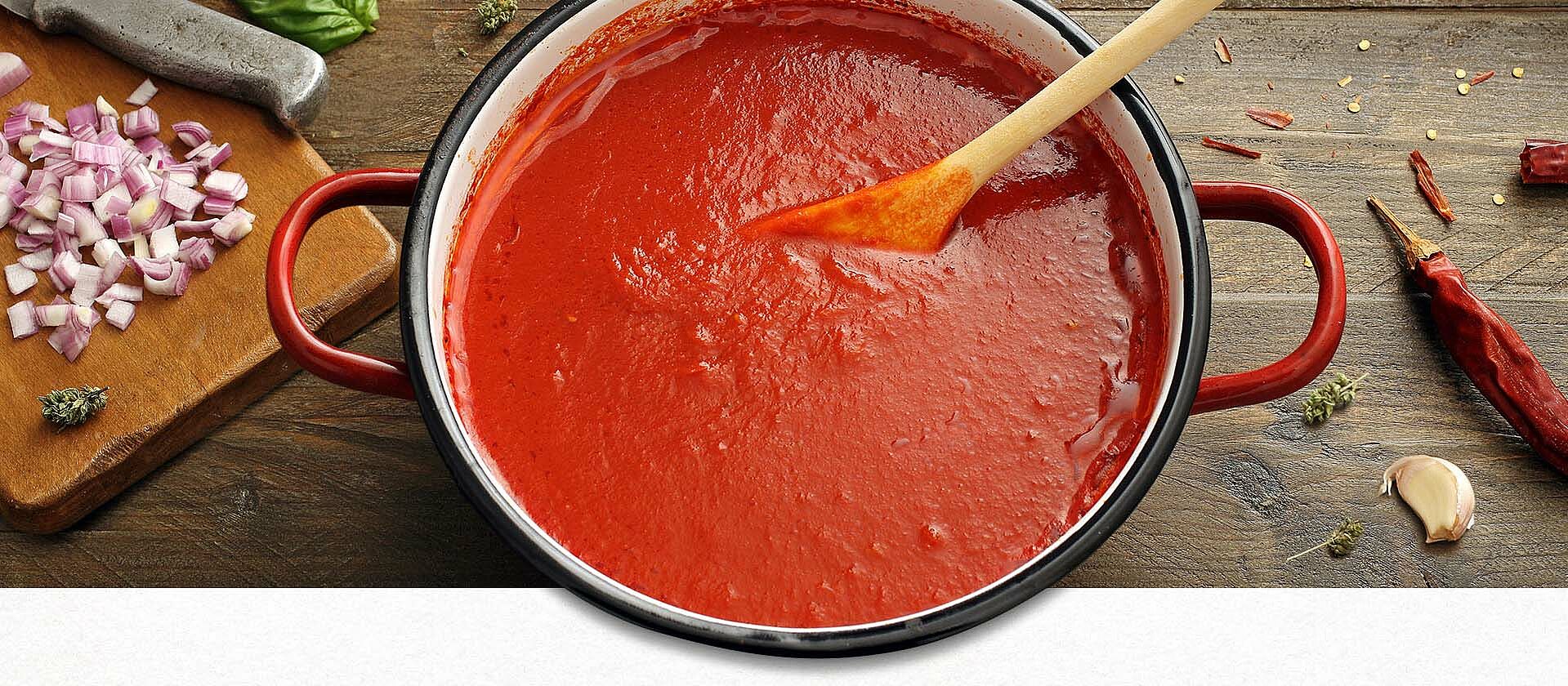
Sugo is a particularly thick sauce. One characteristic of tomato sugo is its consistency: Sugo is thinner than pesto and “thicker” than regular tomato sauce. A real sugo is exceptionally creamy. Sugo pairs especially well with pasta dishes because the sauce clings very well to the noodles.
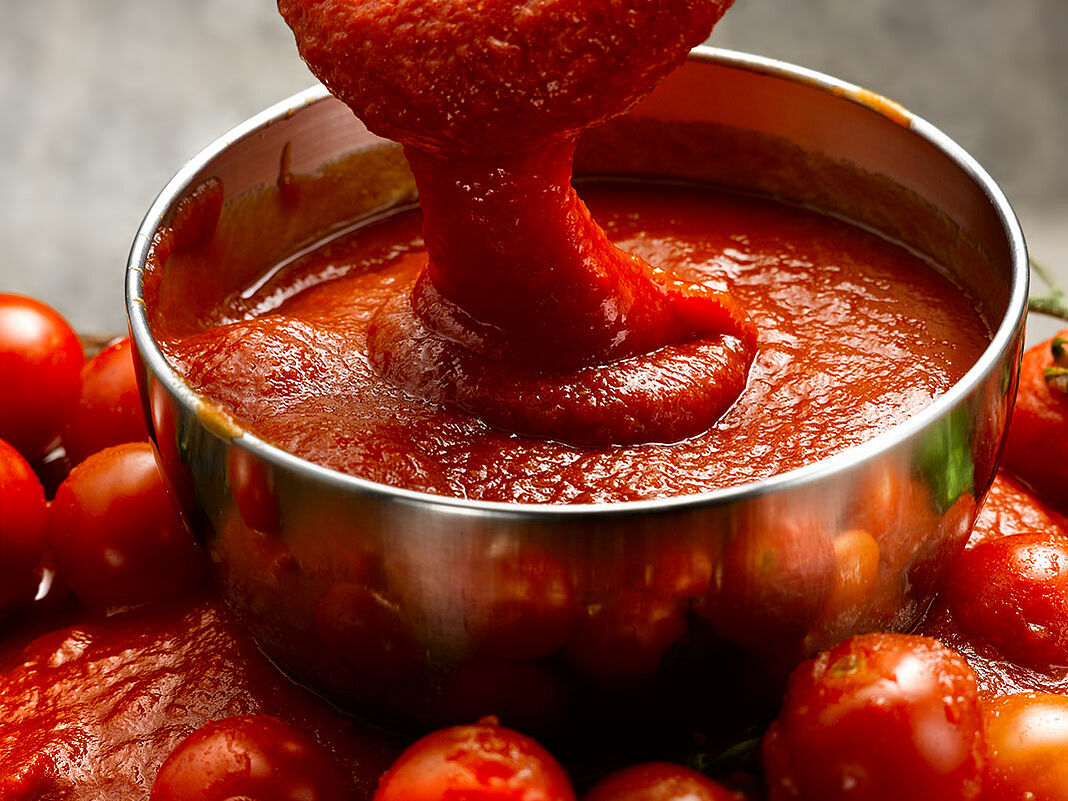
These are the ingredients for a sugo
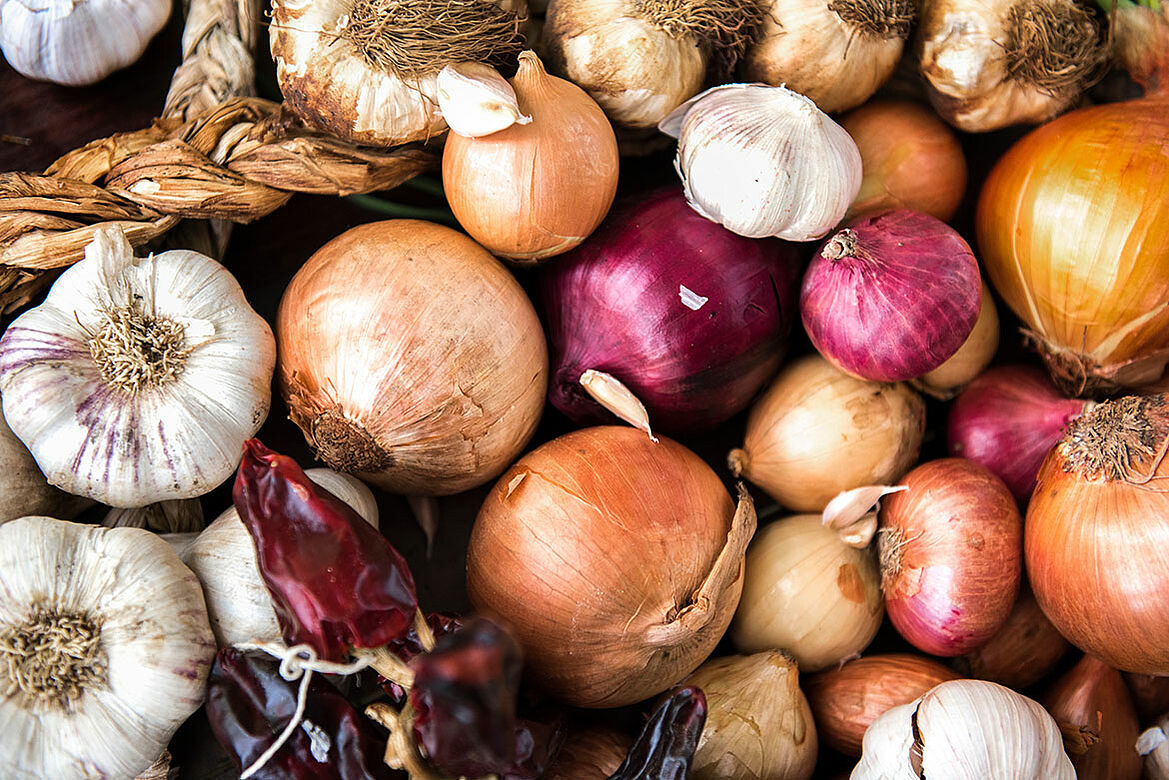
The main ingredients in a traditional sugo are tomatoes, tomato paste, onions, salt, and garlic. This forms the fruity base for many variations—for example, a sugo with herbs.

A sugo takes time
The secret to a good sugo is time: It has to cook or simmer for a long time until it’s ready—unlike salsa, it takes hours. This softens the cell walls of the onions and tomatoes until they almost dissolve. Over time, the individual ingredients transform into a fruity, creamy sauce. That’s sugo for you. For this reason, sugo is also used as a cooking sauce in Italy: with the right amount, you can cook meat, fish, or vegetables right in it.



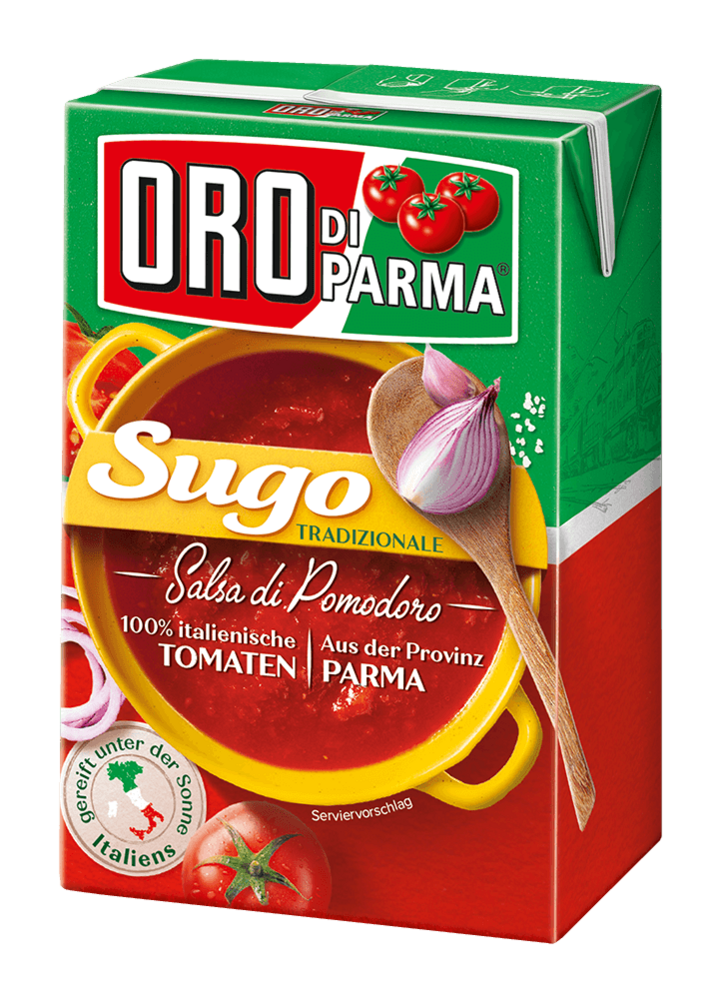
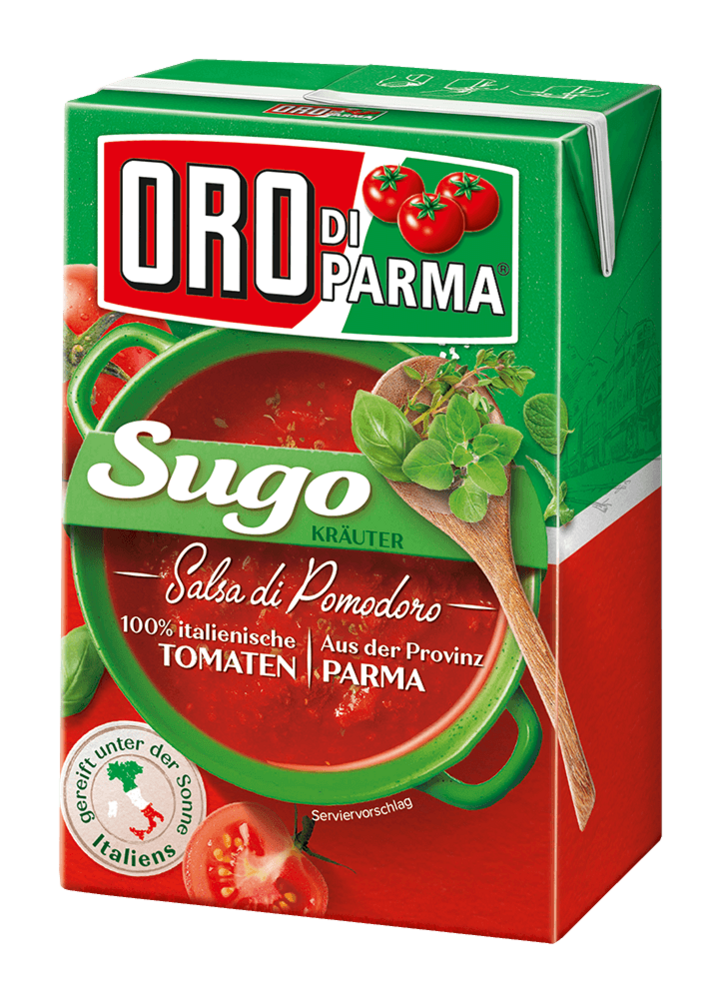
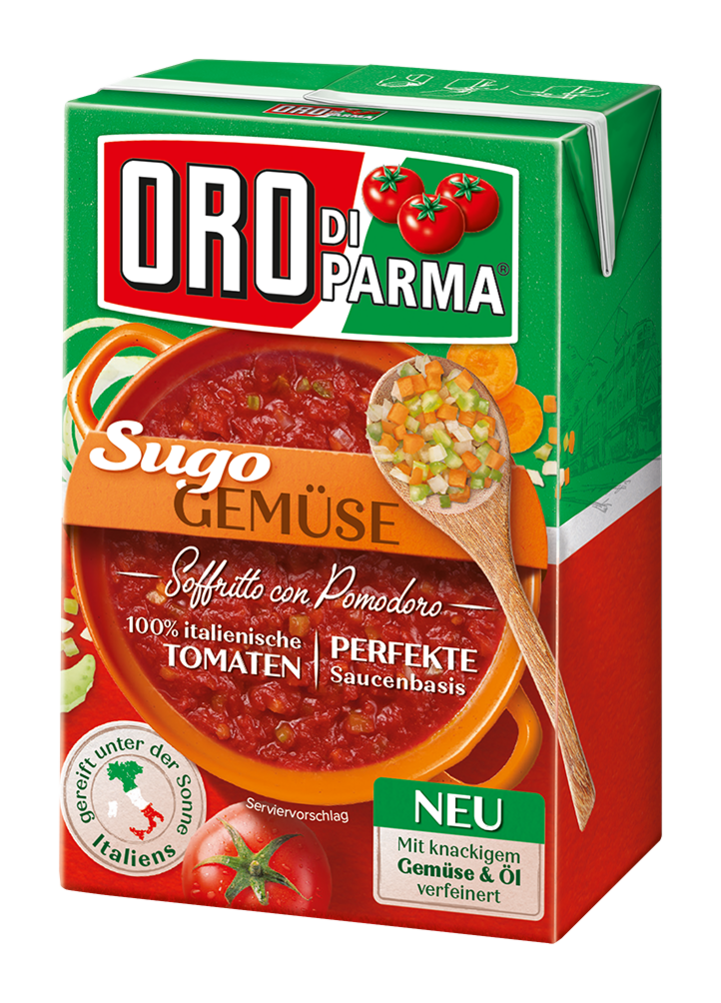

Sugo is versatile
You can simply reheat pre-cooked sugo and add it to your pasta, fish, or meat dishes. That’s a real (and very tasty) advantage when you’re short on time to cook. But sugo is also a delicious base for enhancing other sauces or making them creamier. Throughout Italy, tomato sugo is also used as a simple pizza sauce—mainly because of its consistency. Here, we’ll show you how to make your own pizza dough.

Make Your Own Sugo
Step 1
First, finely chop the onions and press the garlic. Then wash the tomatoes and cut them into large chunks.
Step 2
Heat the olive oil in a pot and sauté the chopped onions and garlic. Once the onions and garlic are translucent, add the ORO di Parma tomato paste and stir. Now add the coarsely chopped tomatoes and the sugar to the pot and let your sugo simmer for about 10 minutes.
Step 3
Next, add 400 ml of water to your tomato sauce and add the whole peeled tomatoes to the pot. Let your sugo simmer on the stove with the lid off for about 1 ½ hours—this is the only way to bring out the full flavor.
If you’d like to enhance your sugo with Italian herbs, we recommend stirring the herbs into the sugo 5 minutes before the end of the cooking time.
Ingredients
- 1 ½ kg ripe tomatoes
- 1 can of ORO di Parma whole peeled tomatoes
- 1 tsp ORO di Parma tomato paste (3x concentrated)
- 2 garlic cloves
- 2 onions
- 1 tsp sugar
- 400 ml water
- Salt
- Pepper
- Italian herbs to taste