Pane e panini – Italian Bread
Here you’ll learn why bread is so popular in Italy and how you can bake authentic Italian bread using our ciabatta recipe.
Tomatoes, olive oil, and wine are staples of Italian cuisine. But bread also plays a major role in every meal in Italy—and there are many regional bread specialties. In this article, we’ll tell you, among other things, which flour you should use for different types of Italian bread and what kinds of Italian baked goods are available.
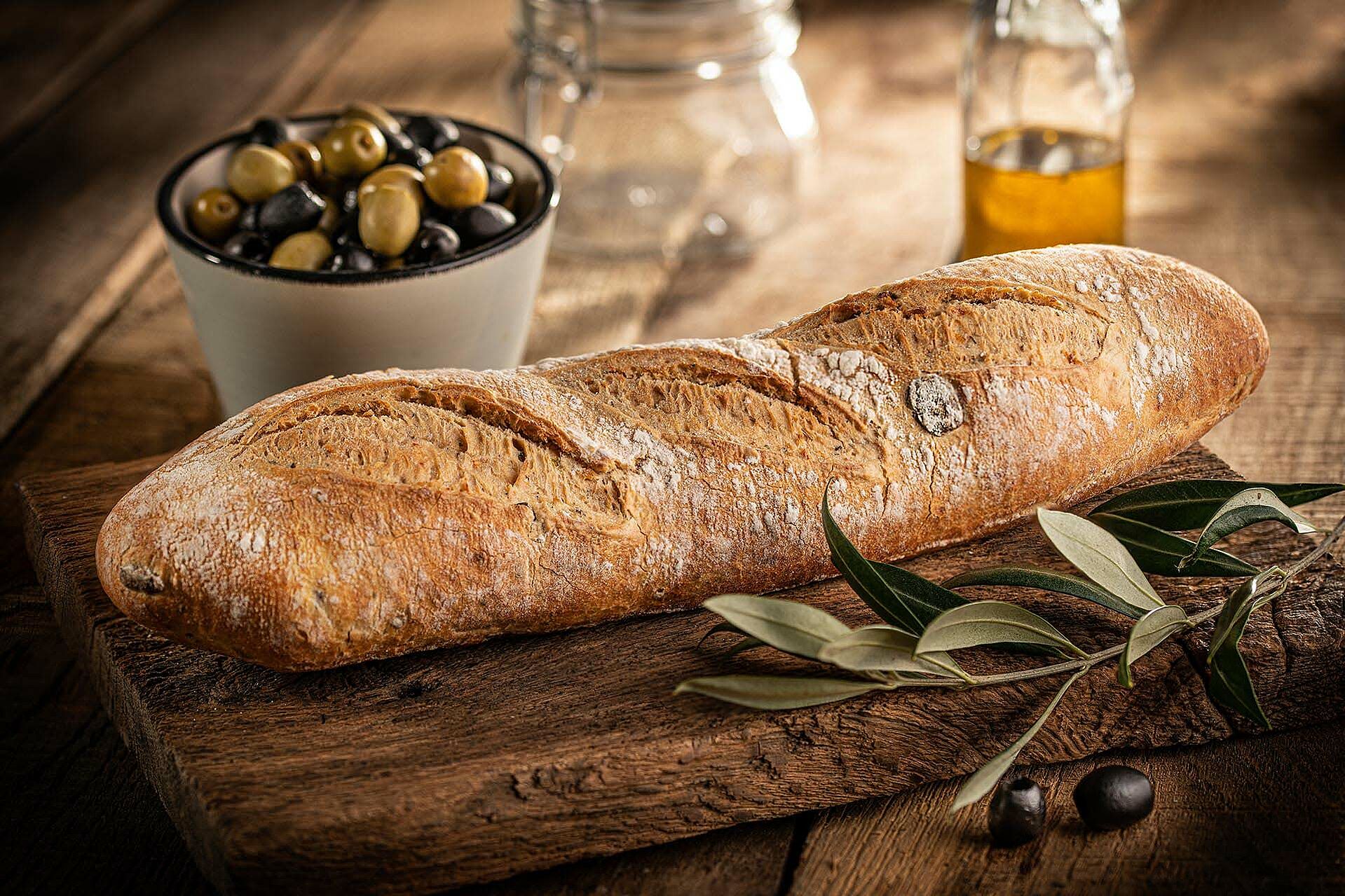
The Tradition of Bread in Italy
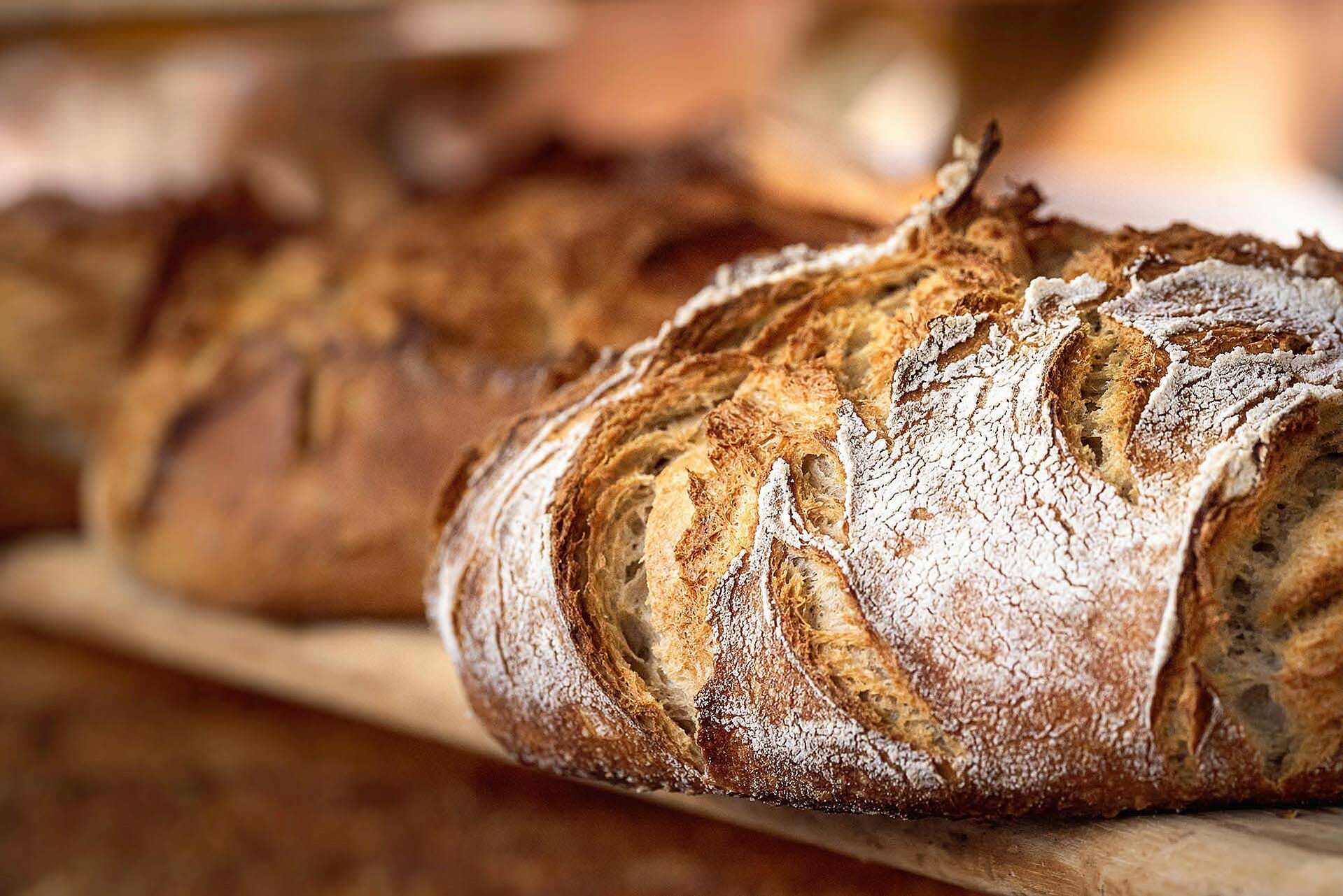
The Italian bread tradition dates back to the Romans.
Bread is called “pane” in Italian, and rolls are “panini.” The Romans were already master bakers, as can still be seen today in the well-known phrase “bread and circuses” (panem et circenses). As a rule, freshly baked bread is served with every meal in Italy—to fill you up and because it tastes good, so you can soak up the delicious sauce.
What kind of flour is used to make Italian bread?
Wheat and rye flours are baked—and only lightly browned
In Italy, bread has long been made from more than just wheat flour; rye and mixed-grain breads, as well as milk-based doughs, are also popular. High-fiber whole-grain breads (pane integrale) are becoming increasingly popular, which is certainly linked to a growing awareness of healthy eating.
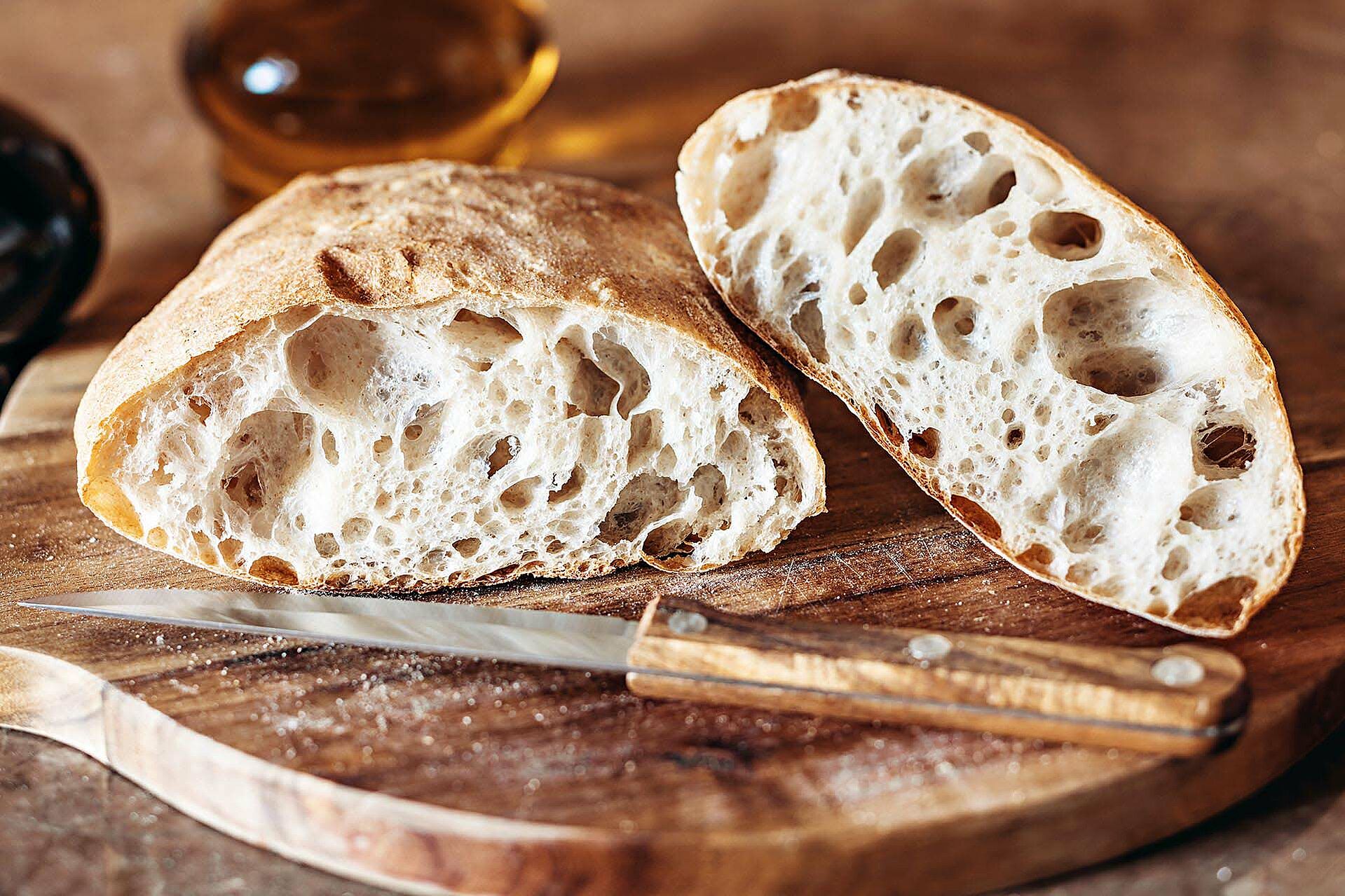
These breads are usually much less browned than is customary in Germany. Since bread is typically eaten as part of a meal, Italians prefer a neutral-tasting and slightly softer crust. Especially in the hotter regions of southern Italy, this type of bread stays fresh all day long and doesn’t become hard or dry too quickly. As is so often the case, the region and the specific characteristics of its cuisine are closely intertwined.

Why do people actually eat bread in Italy?
In Italy, bread is eaten as an antipasto or a snack.
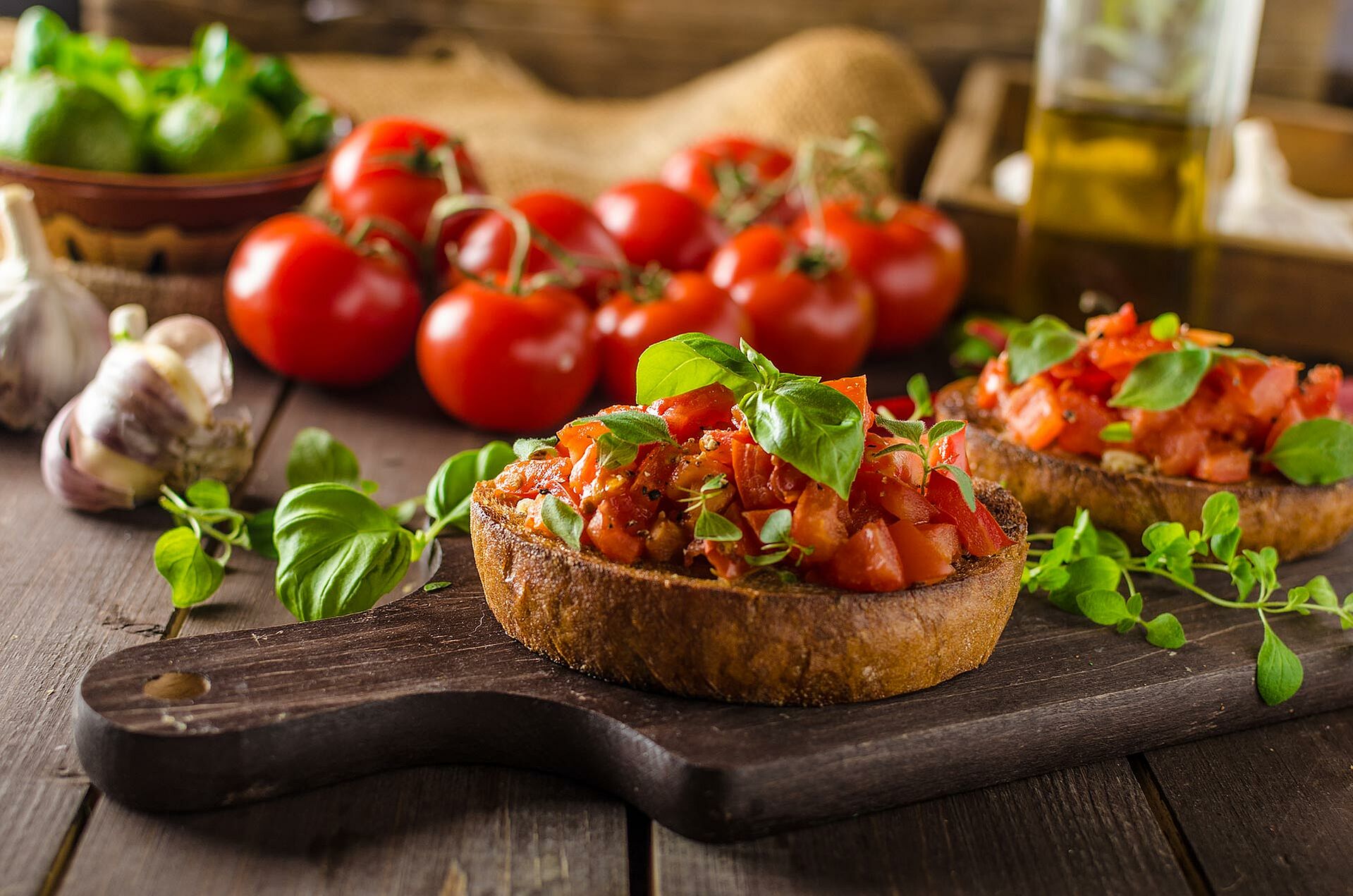
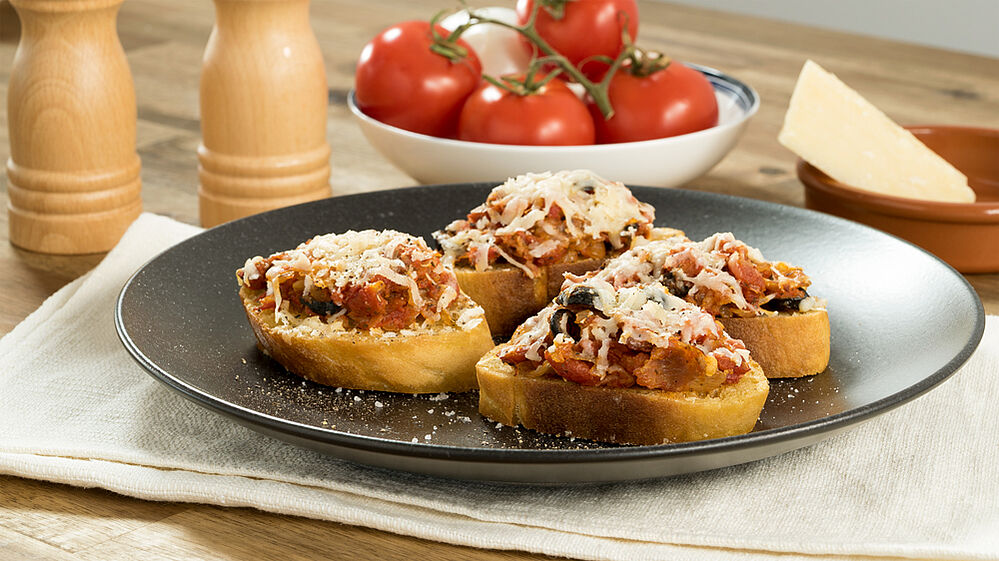
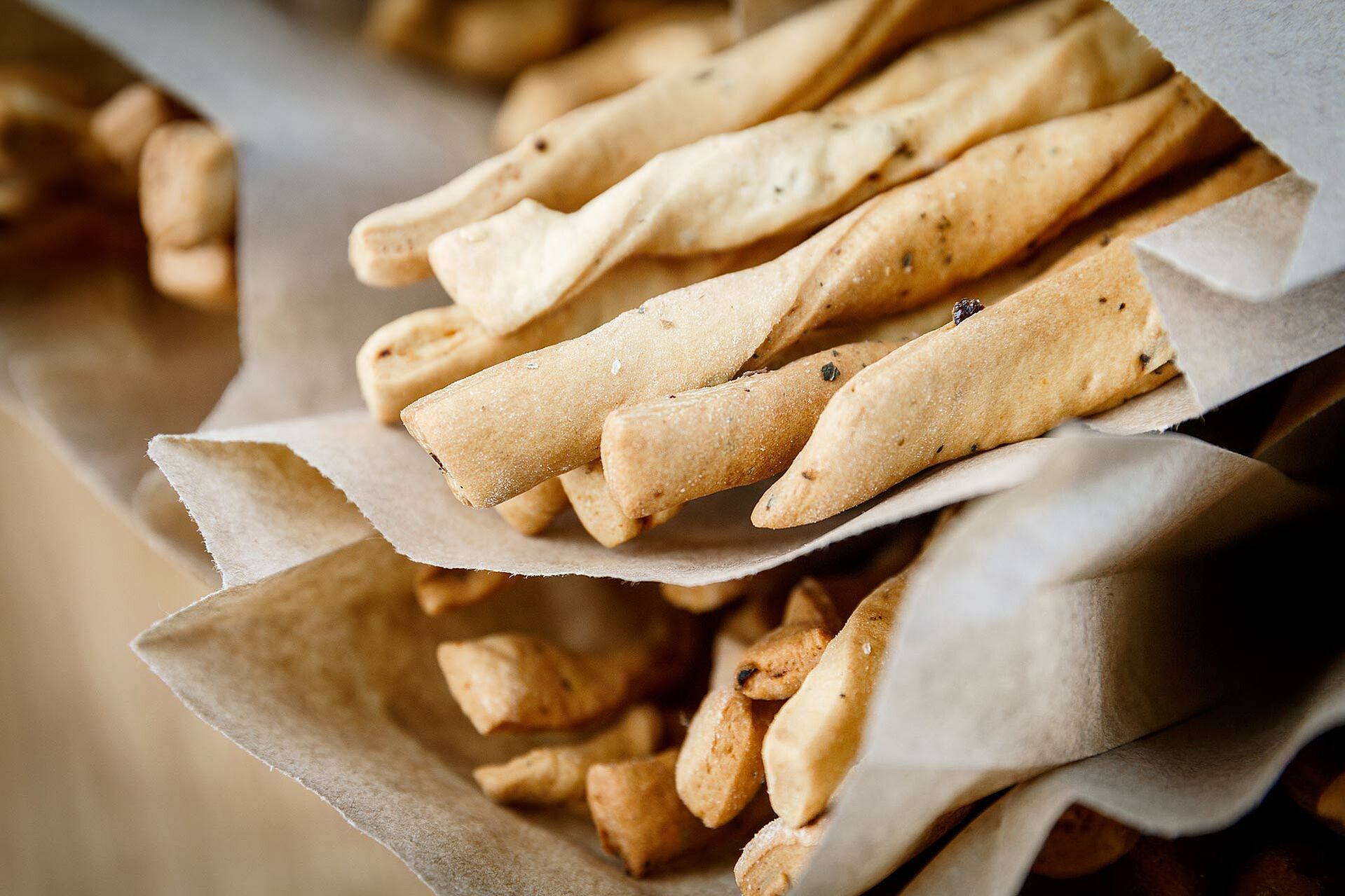
Bread is also served in Italy as a classic appetizer, or antipasto: as bruschetta with olive oil and garlic, with tomatoes as in Tuscany, or with ham as in Abruzzo. And crispy grissini—small baked yeast dough sticks served as appetizers—are popular throughout Italy.
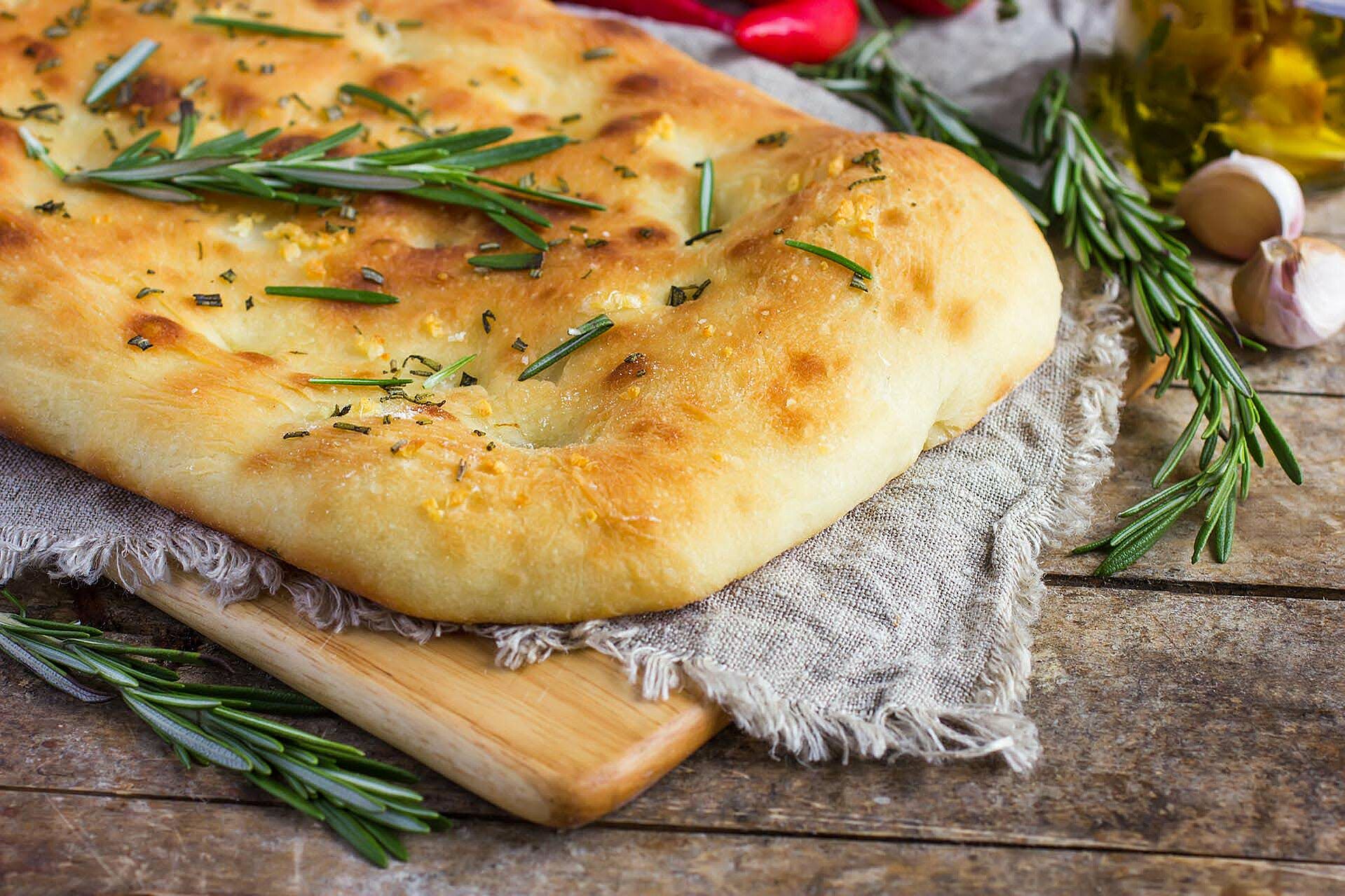
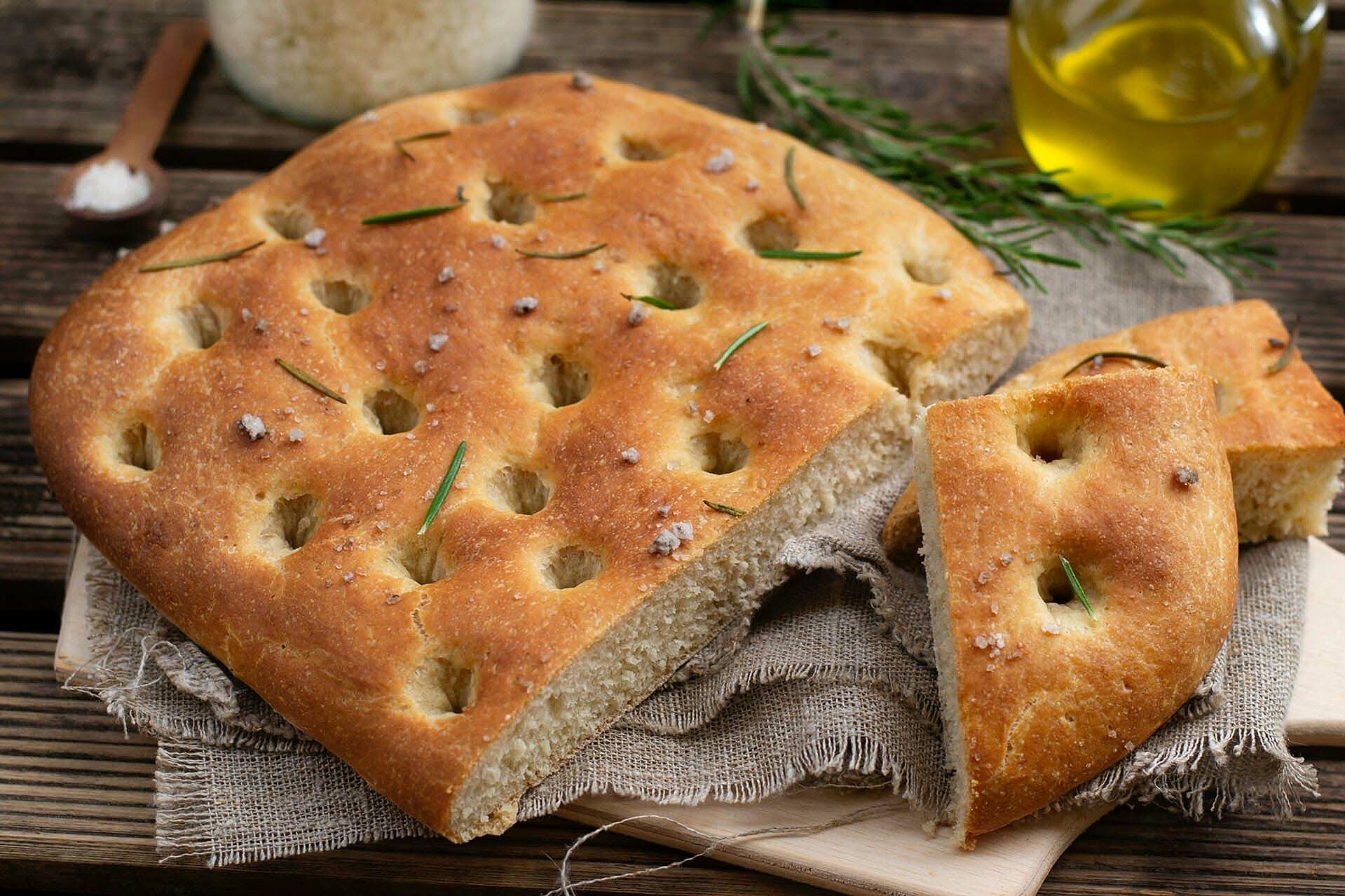
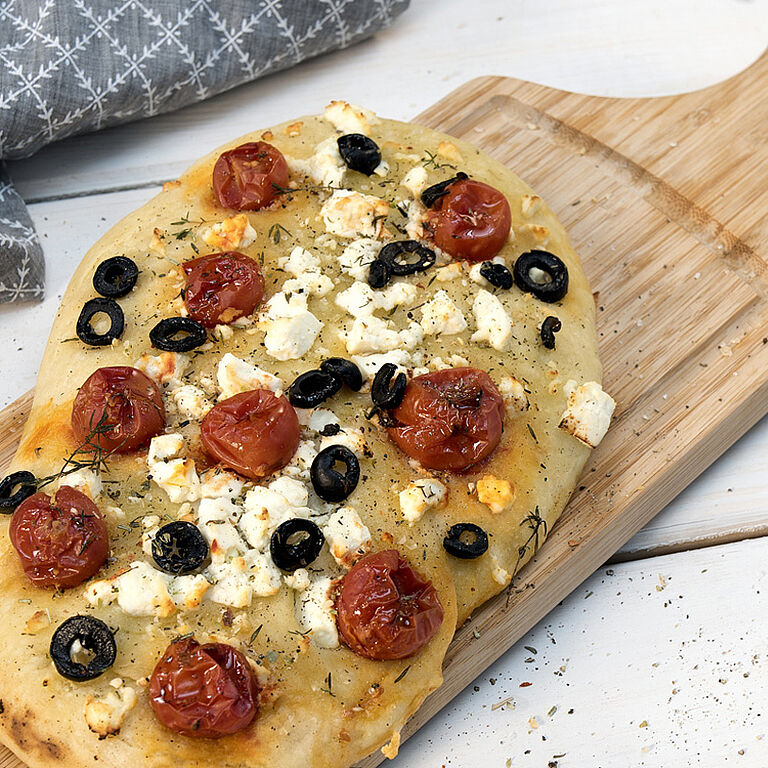
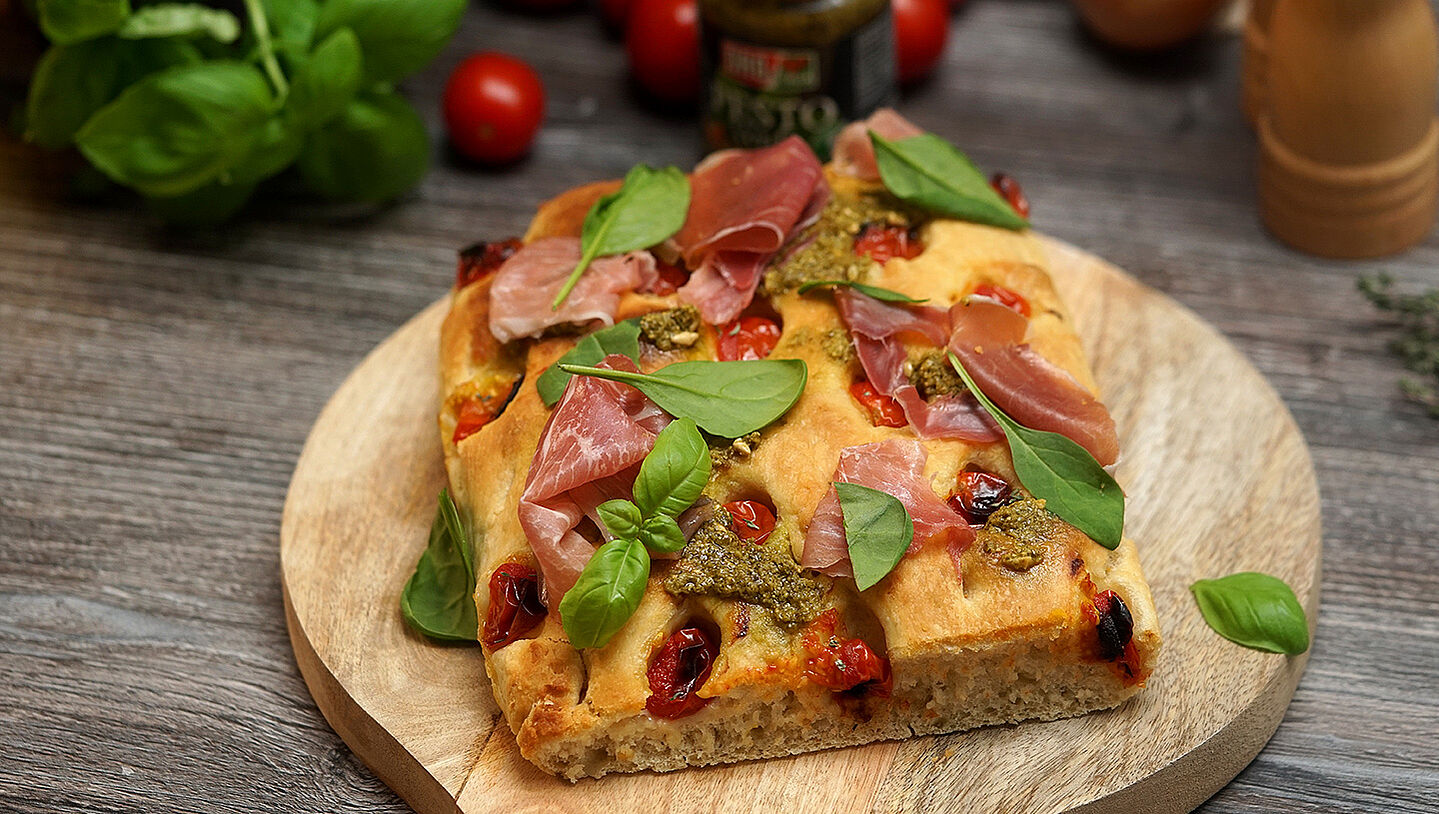
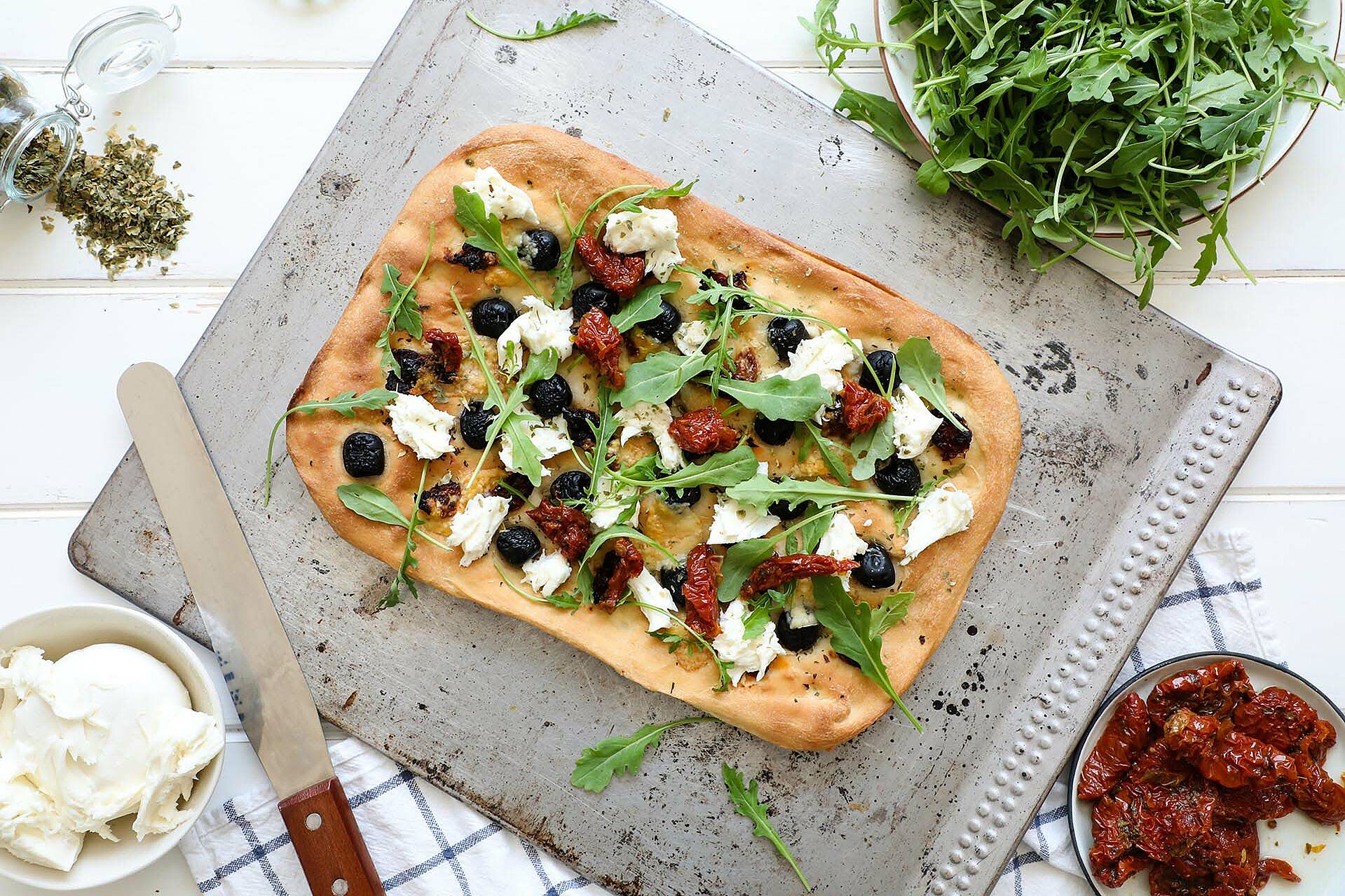
Another staple of Italian cuisine is the well-known focaccia, a yeast-leavened bread baked on a baking sheet and flavored with olives, tomatoes, or garlic oil. It is not served as a side dish but is part of breakfast and is sometimes baked with honey or nuts. Italians enjoy eating focaccia topped with tomatoes, ham, and lettuce as a light snack. The small triangular sandwiches from the Turin area—known as tramezzini—are made in a very similar way. They are made with soft white bread without the crust.
What kinds of specialty breads are there in Italy?
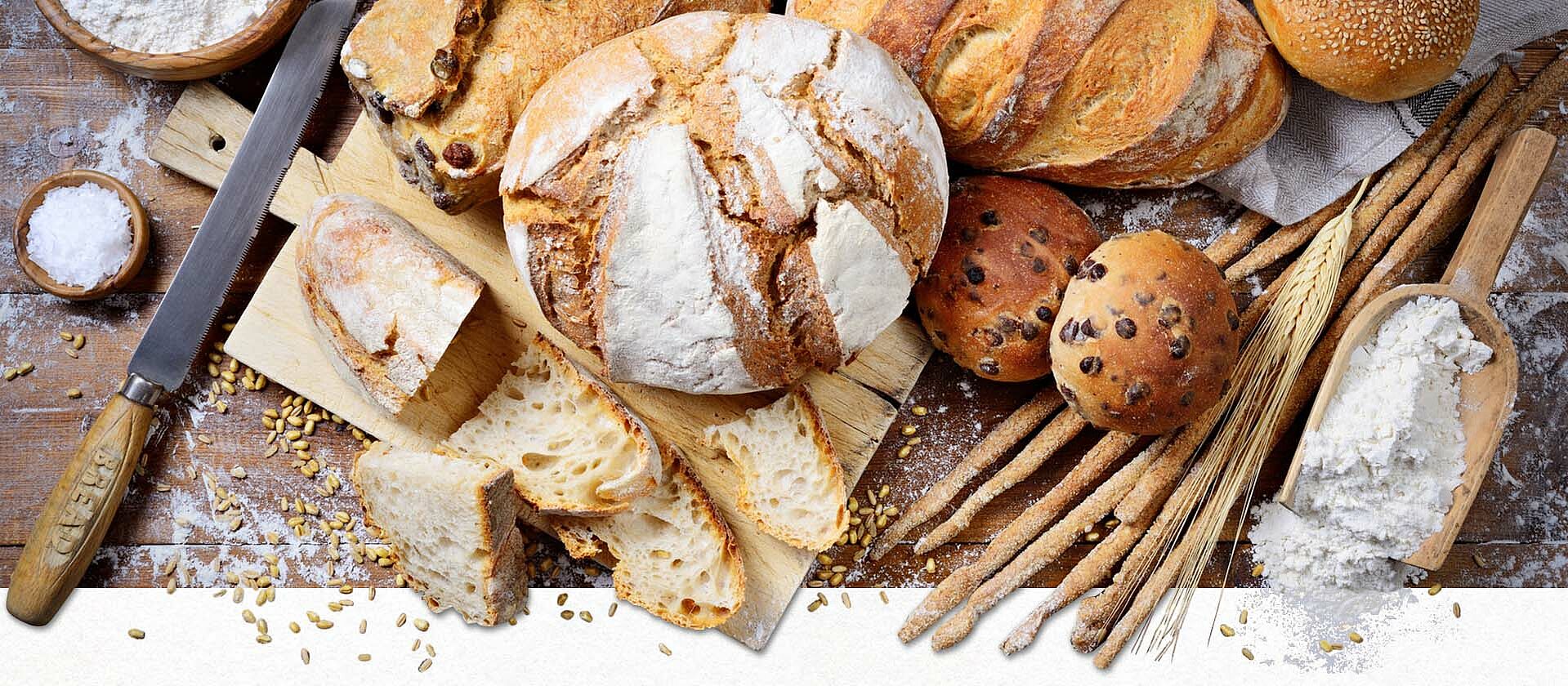
Here is a selection of Italian bread specialties, which can vary greatly depending on the region:

Bruschetta
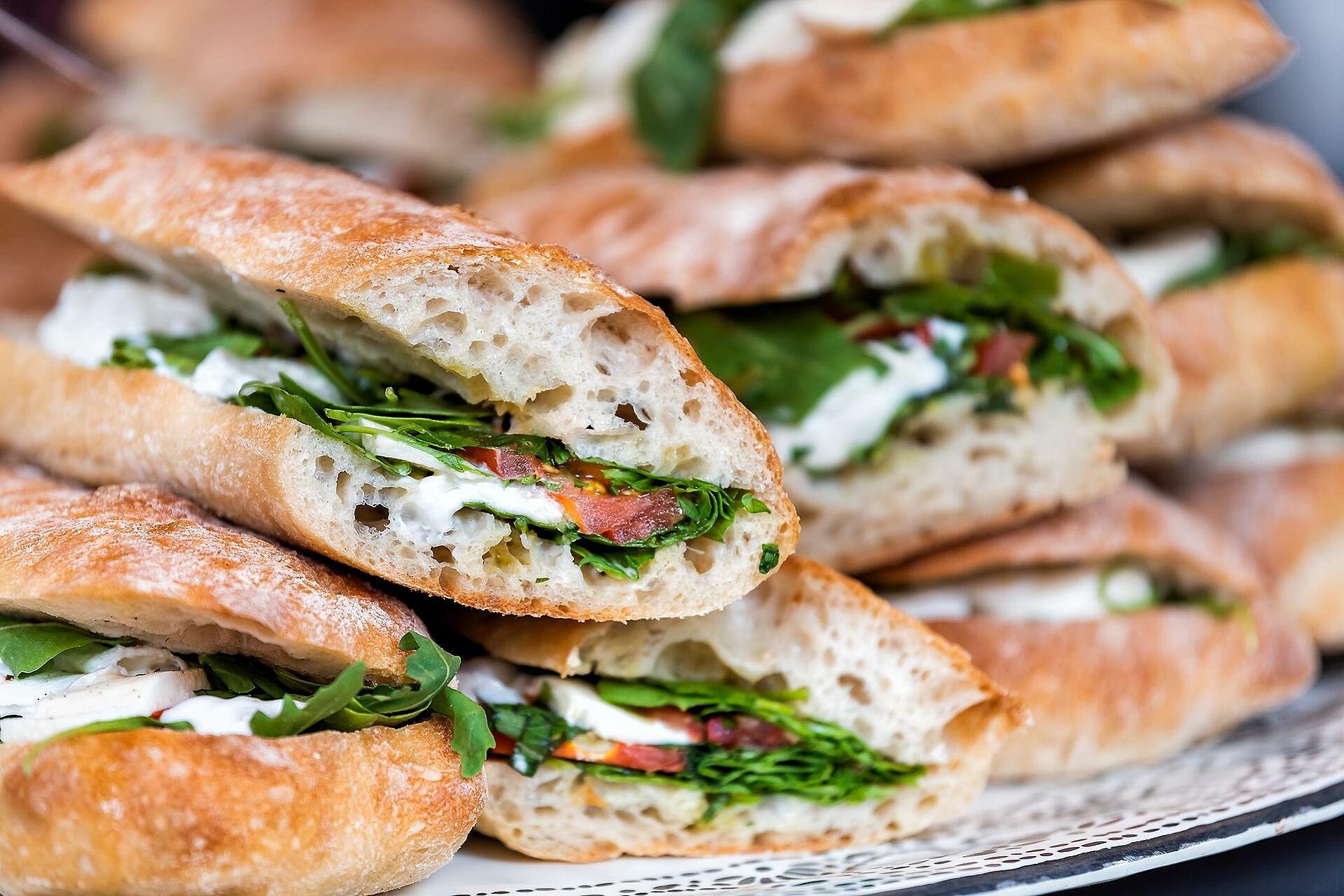
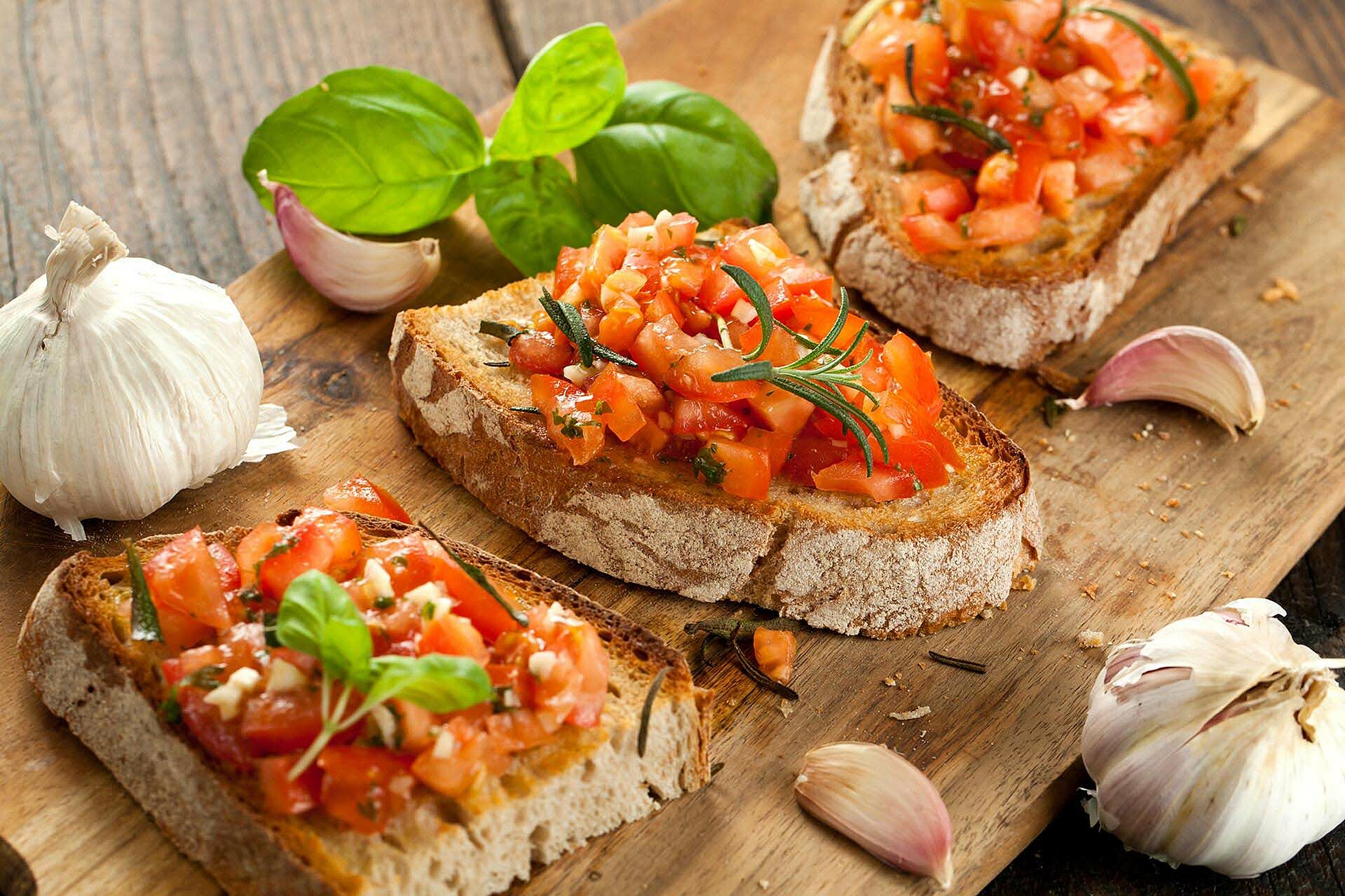
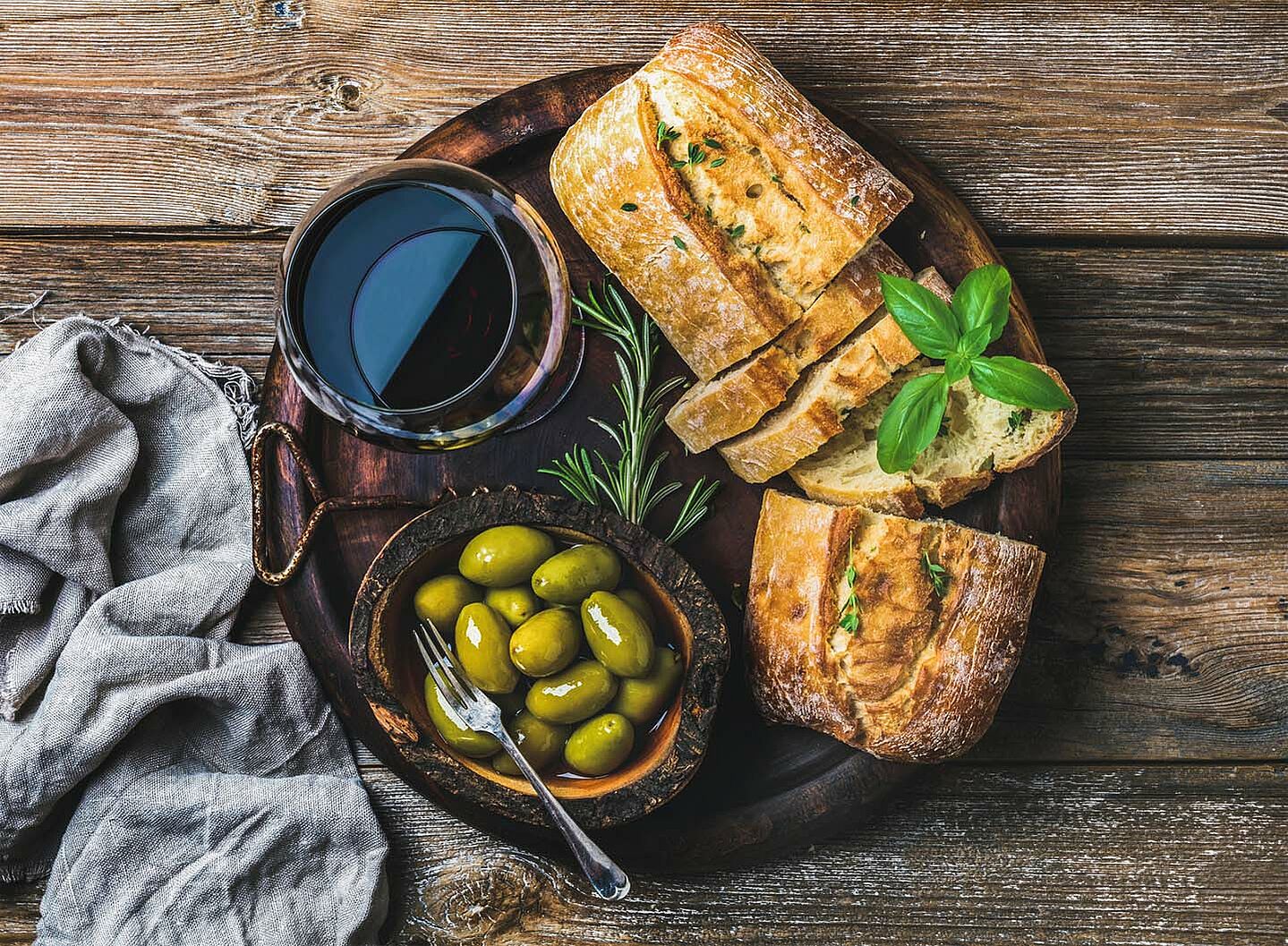
The traditional version consists of toasted white bread, fresh tomatoes, finely chopped onions and garlic, a little basil, and olive oil. So simple, yet so delicious! There are now countless variations of bruschetta, such as those with olives, porchetta, and chopped tomatoes.
Tramezzini
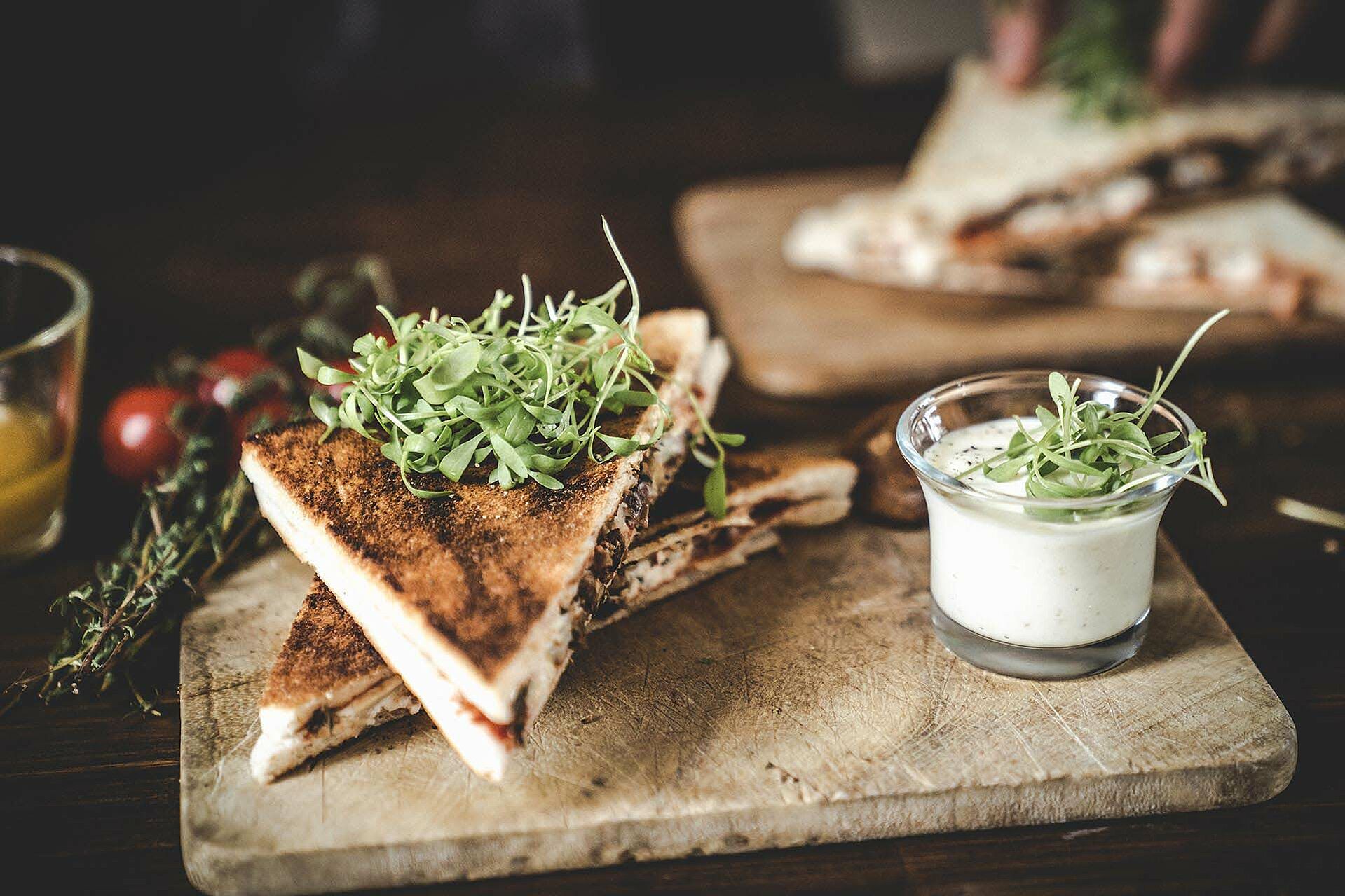
Tramezzini are the Italian version of a sandwich. These filled slices of white bread originally come from Turin and are a classic snack in Italy. Tramezzini are made with soft white bread without the crust (similar to toast). Cut into triangles, tramezzini are topped with various ingredients depending on personal taste and are sometimes even toasted.

Focaccia
A flatbread made from yeast dough that is topped with olive oil, salt, and herbs—and possibly other ingredients—before baking.

Italian Bread for Special Occasions
Italian bakers are true masters of pastries. Lovingly decorated, braided, and shaped, these baked goods are little works of art and come in many regional varieties.
There is also a wide selection of sweet and savory pastries for special occasions and holidays. For weddings, “pane della sposa” are baked; these can be very delicate and usually feature ornaments or figures such as hearts. Among the better-known pastries are the Sicilian “cassatelle di ricotta”—small, lard-based pastries filled with ricotta—or the small Milanese white rolls known as “michetta milanese,” with their rosette shape, and the Roman “ciriola romana,” an elongated wheat roll with a distinctive slit. Small sweet croissants, which are popular for breakfast in Italy, are called “cornetti” there.

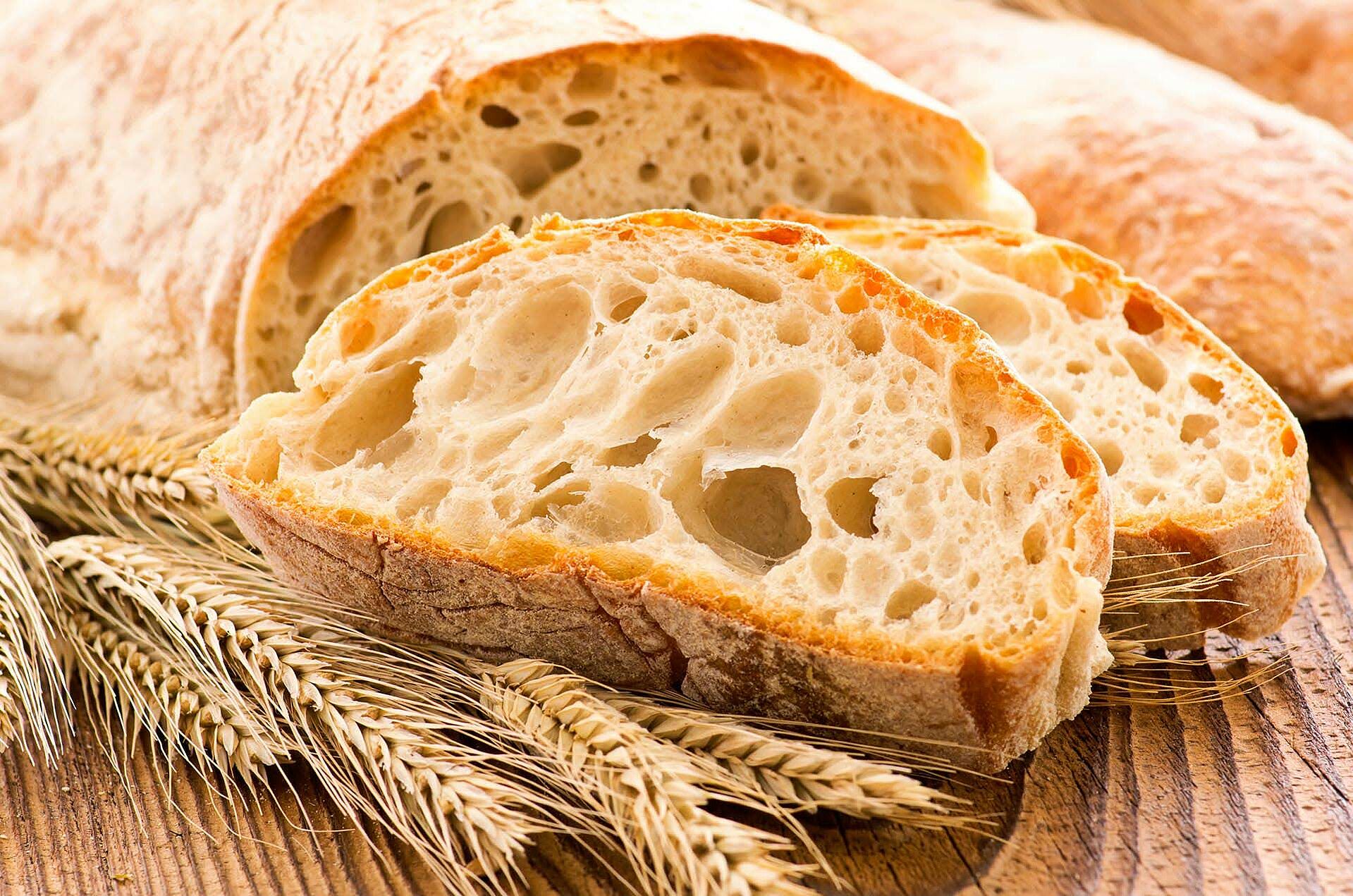
If you ever want to bake your own crispy ciabatta, our simple recipe is just the thing!
Step 1: Preparation
First, warm the water until it’s lukewarm. Then sift the flour into a large bowl and use a tablespoon to make a well in the center. Now crumble the yeast into the well and add the sugar and a little of the lukewarm water. Let the mixture sit in a warm place until the yeast becomes foamy.
Step 2: The Dough
Gradually work the flour into the mixture with a wooden spoon, and add the water, salt, and oil. Now
sprinkle a little flour on your work surface, remove the dough from the bowl, and knead it thoroughly with your hands for a few minutes. It should become smooth and supple. If the dough is sticky, simply add a little more flour and knead it in. Then place the dough back in the bowl and cover it with a dish towel.
Step 3: Let the dough rise
You can let the dough rise in the oven. To do this, preheat the oven to 50 degrees and place the dough on the rack in the middle of the oven. Let the dough rise here for one to two hours. It should have doubled in size after rising.
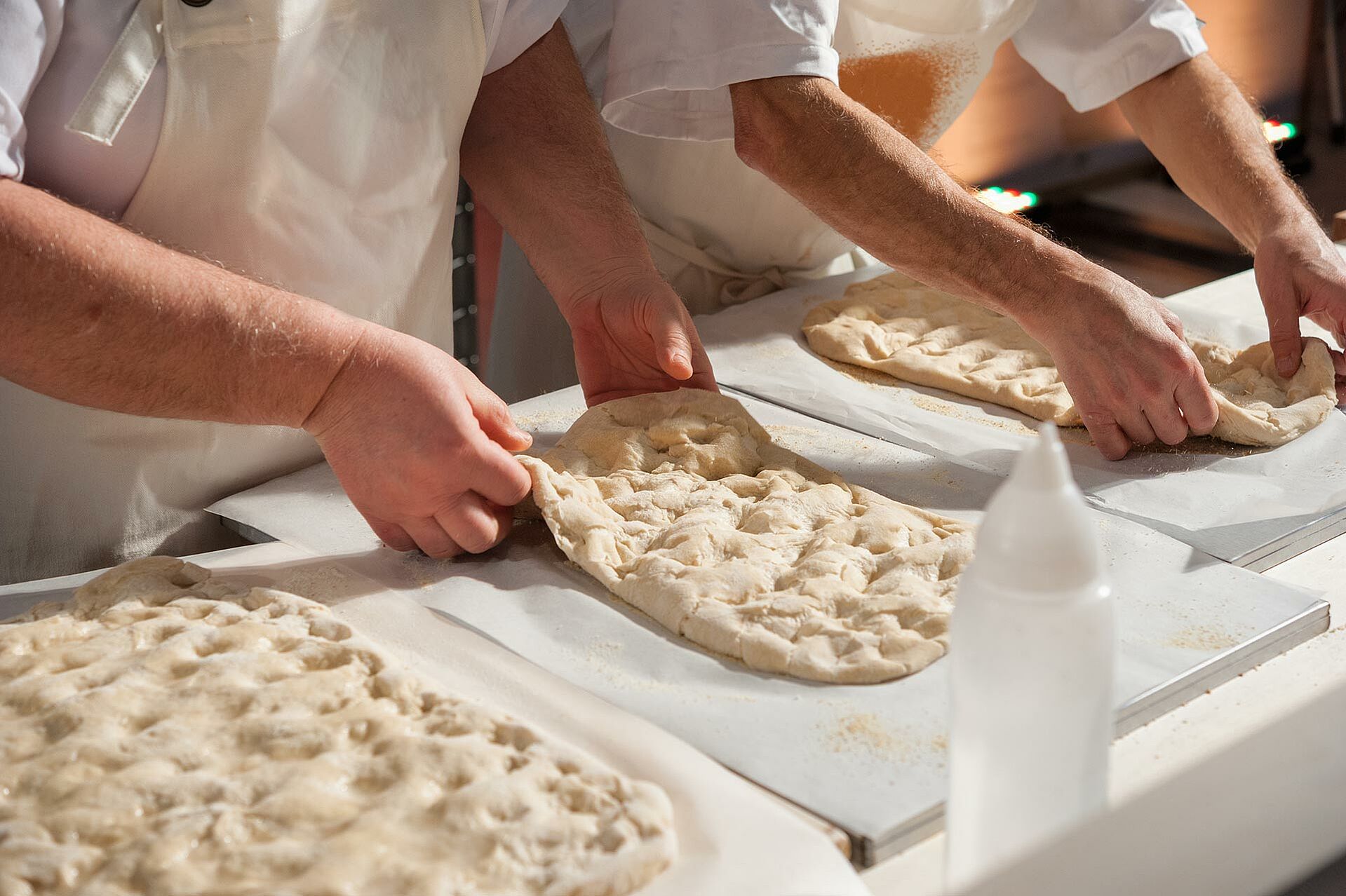
Once the dough has risen enough, divide it into four equal pieces and shape them into ciabatta loaves.
Step 4: Bake the ciabatta in the oven
Now bake the ciabatta in the oven. Place a cup filled with water on the bottom of the oven. Then increase the temperature to 210 degrees and bake the loaves at 210 degrees for 35 minutes. When the loaves have reached the desired level of browning, remove them from the oven and let them cool on a wire rack. Mmm… it smells so good!
Whether on its own or as a base for an Italian dish, fresh ciabatta is a true delight. Ciabatta is perfect for goat cheese au gratin with tomato jam—a unique combination of creamy and fruity flavors.